


Primary sourceArtifactc. 1470 BCE
Hathor Chapel, Mortuary Temple of Hatshepsut
Commissioned by Hatshepsut · c. 1470 BCE
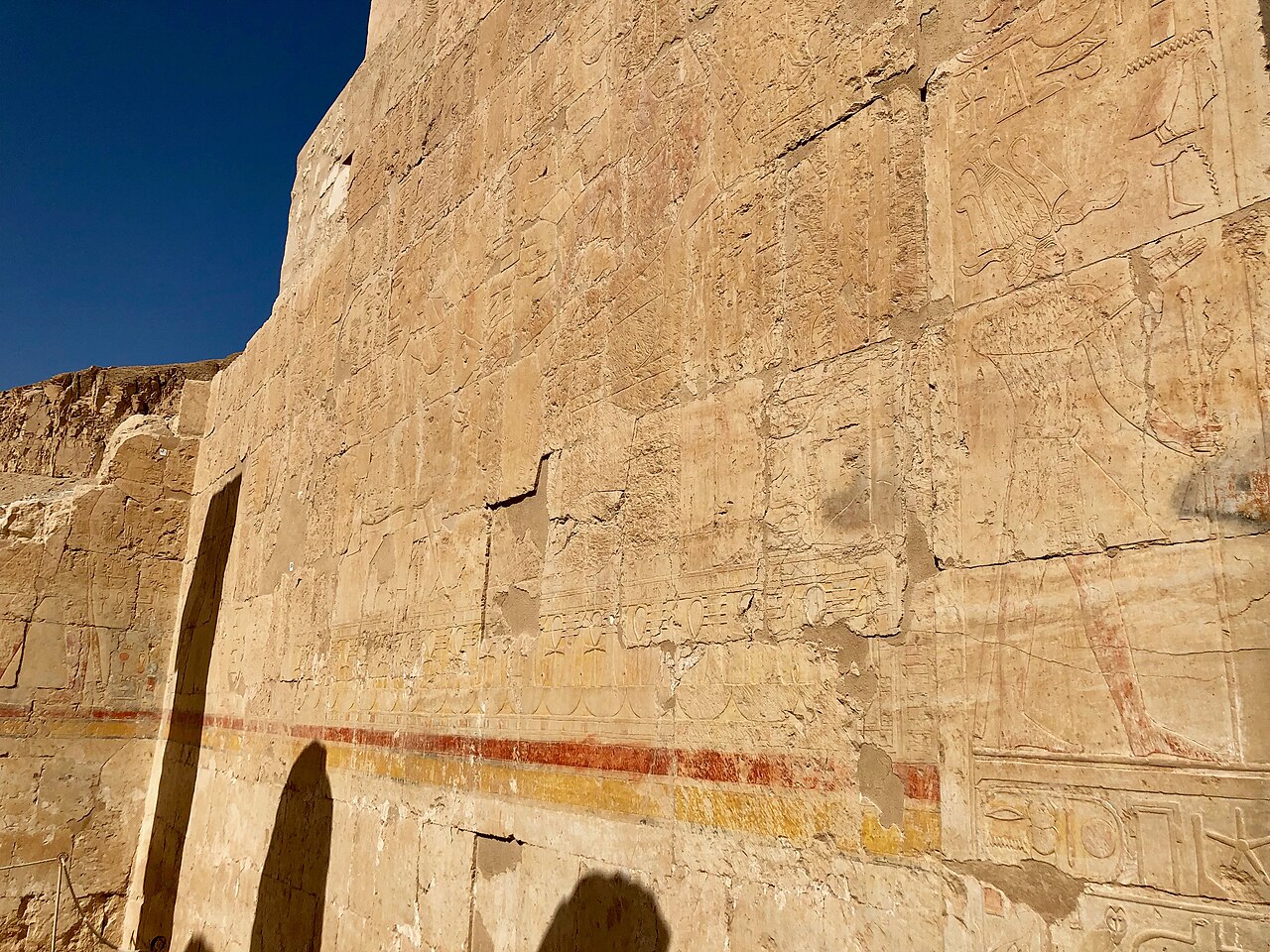
A shrine to the goddess Hathor within Hatshepsut's mortuary temple, commissioned by her, with Hathor-headed columns and reliefs.
A shrine she commissioned, showing her religious devotion and the later attempt to erase her image.
About this source
What it is
This chapel is part of Hatshepsut's mortuary temple at Deir el-Bahari, built during her reign. It features columns topped with the head of the goddess Hathor and carved reliefs of offerings. It stands in situ at the temple site near Luxor.
Why it matters
The chapel reveals Hatshepsut's personal devotion to Hathor and shows how religion was built into the architecture of her reign. Images of Hatshepsut in the shrine were later damaged, part of a wider effort after her death to erase her from monuments, known as damnatio memoriae.
Look closer
- What do the Hathor-headed columns tell us about which gods mattered to Hatshepsut?
- Why might later rulers have wanted to damage images of her here?
- What does the survival of some reliefs despite the damage tell us about how thorough this erasure was?
This artifact is part of the curated material that grounds the AI version of Hatshepsut on Humy.ai — when students ask about related events, the AI can quote it and cite it.
More Hatshepsut sources
Meet the AI Hatshepsut →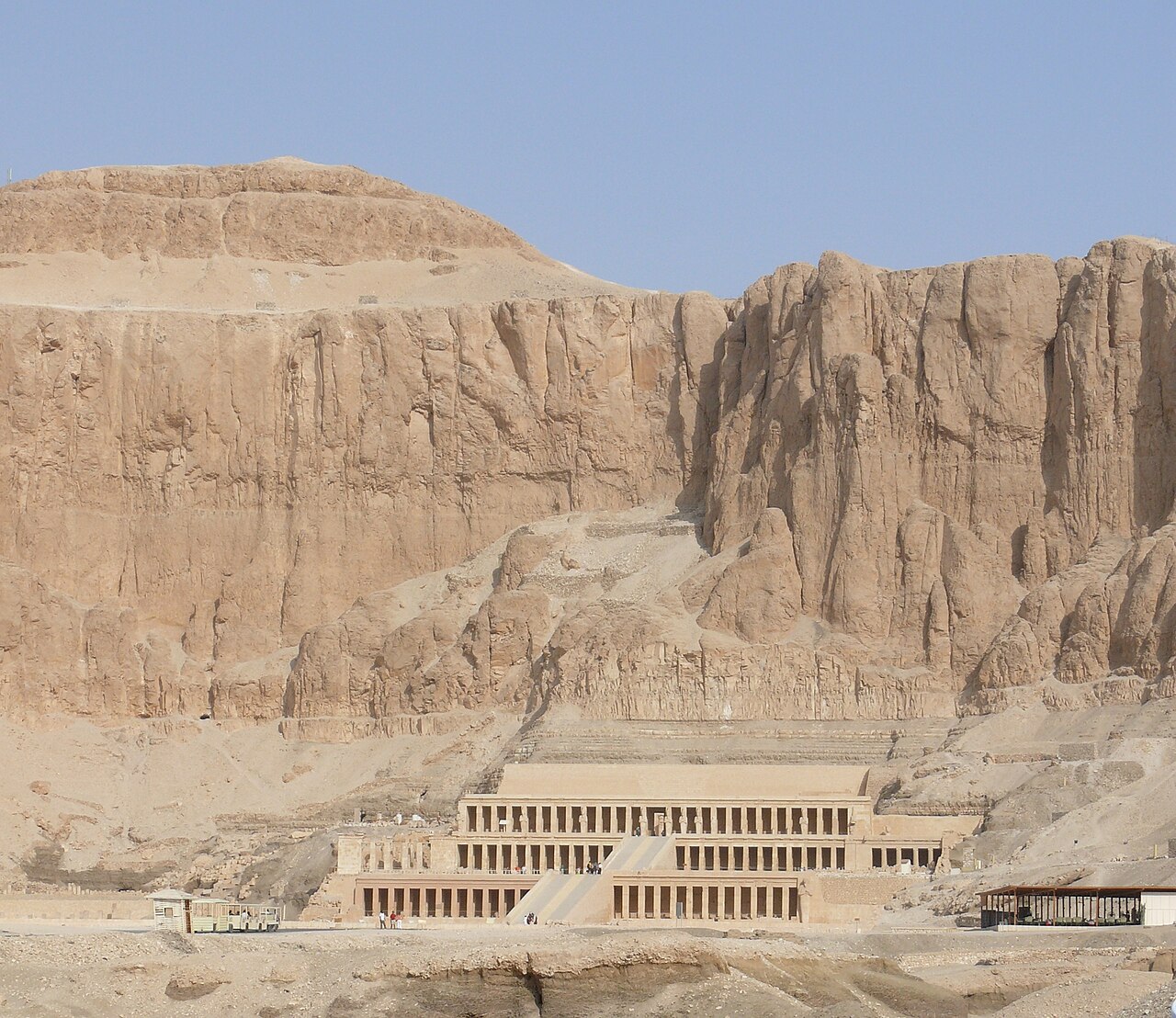 Artifact
Primary source
Mortuary Temple of Hatshepsut
Senenmut and/or Hapuseneb (attributed) · c. 1479–1458 BCE
 Photograph
Secondary source
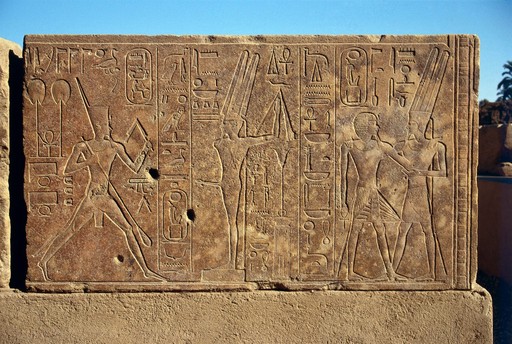
Hatshepsut Dancing Before Min, Karnak Relief
Carole Reeves · 1989
 Sculpture
Primary source
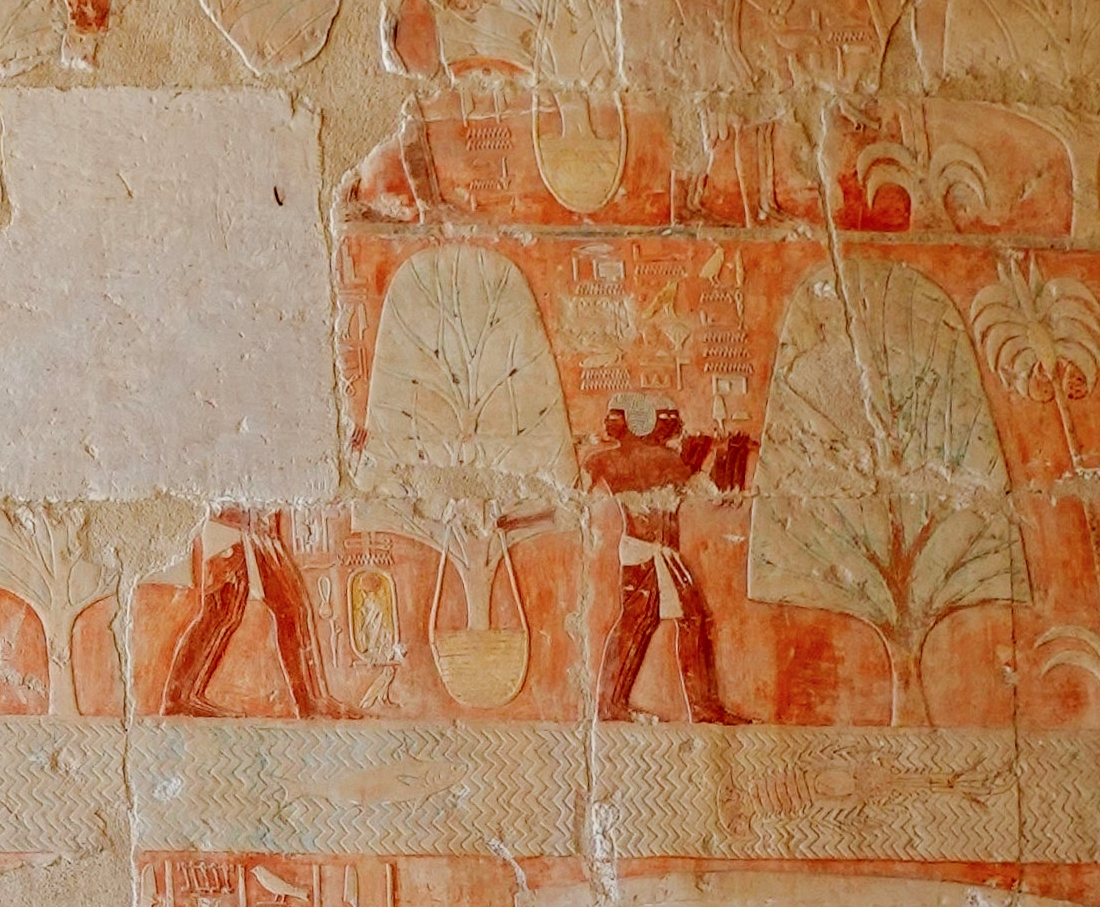
Punt Expedition Reliefs
Royal workshops of Hatshepsut · c. 1470 BCE
 Sculpture
Primary source
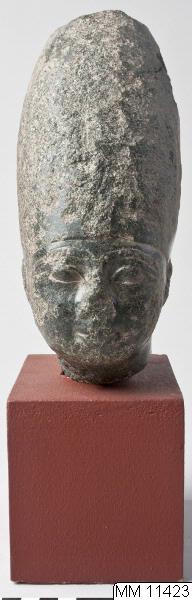
Sculpture Head Probably of Hatshepsut
 Sculpture
Primary source
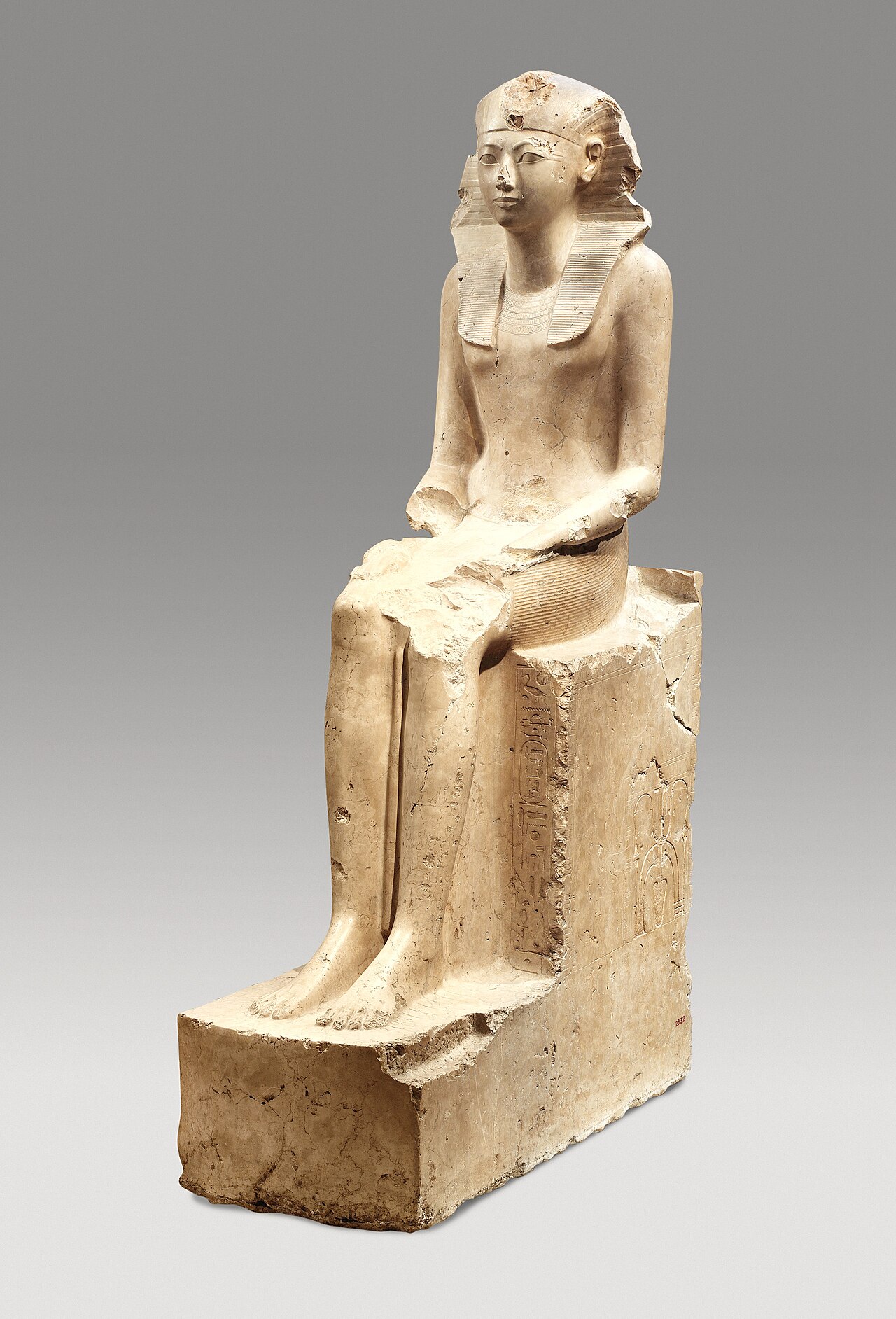
Seated Statue of Hatshepsut
c. 1466 BCE
Ready when you are
Start chatting with Hatshepsut now.
20 messages free · No credit card · Available in 50+ languages.