


Primary sourceSculpture
Hatshepsut Suckled by Hathor
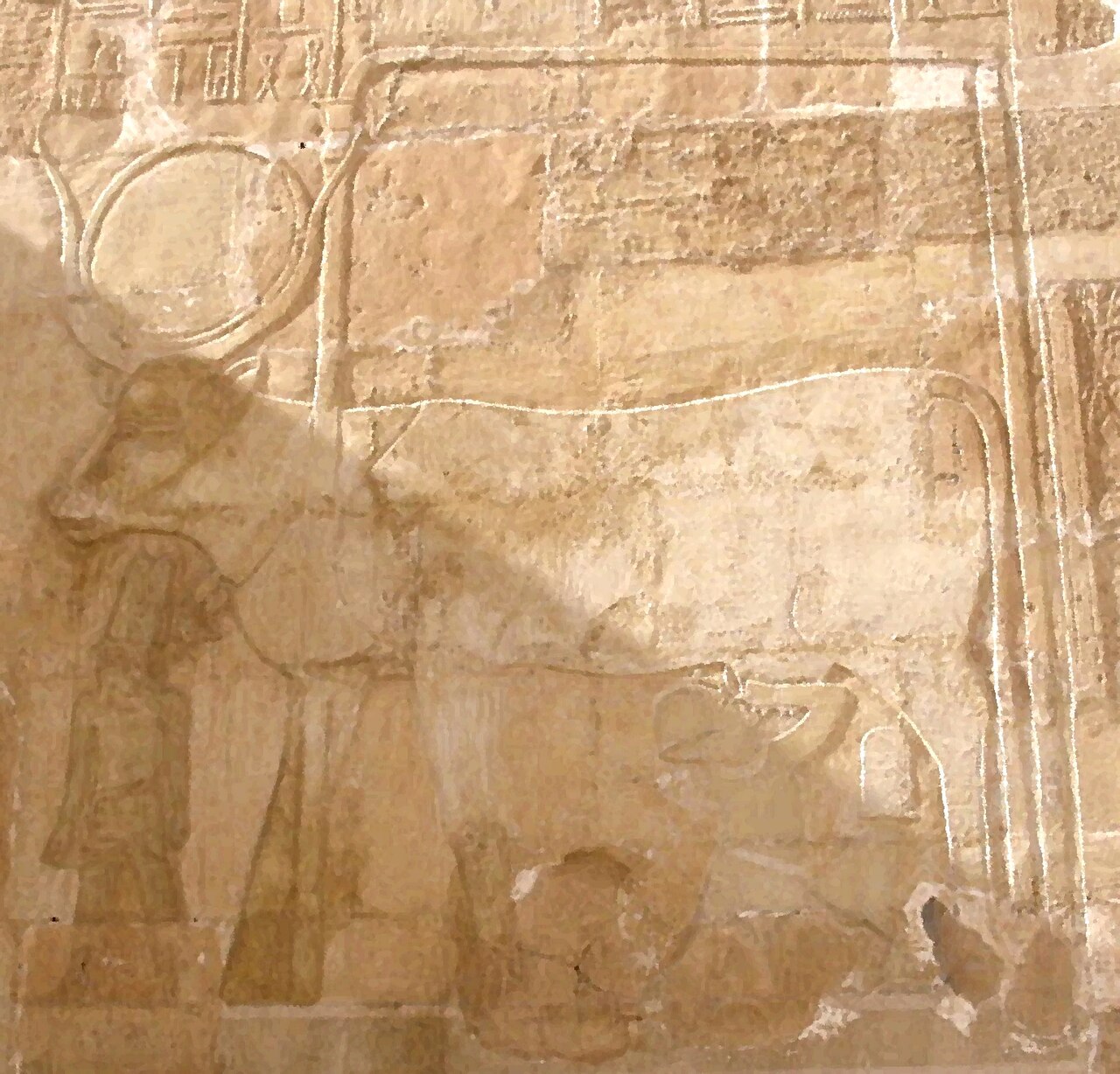
A relief from the Hathor chapel at Deir el-Bahari showing King Hatshepsut drinking divine milk from the cow-goddess Hathor.
This relief shows Hatshepsut herself claiming divine nurture and legitimacy as king from the goddess Hathor.
About this source
What it is
This is a stone relief in the Hathor chapel of Hatshepsut's funerary temple at Deir el-Bahari. It shows the king Hatshepsut as a small figure drinking milk from the udder of the goddess Hathor, shown in the form of a cow with horns and a sun disk.
Why it matters
Egyptian kings often linked themselves to gods to prove their right to rule. Here Hatshepsut is shown receiving divine nourishment directly from Hathor, framing herself as chosen and cared for by the gods rather than only as a human ruler. This kind of image was part of how she built support for her unusual position as a female pharaoh.
Look closer
- Why might Hatshepsut have chosen to be shown as a small figure being fed by a goddess?
- What does this image suggest about how Egyptian rulers used religion to support their power?
- Who would have seen this relief, and how might that affect what message it was meant to send?
This sculpture is part of the curated material that grounds the AI version of Hatshepsut on Humy.ai — when students ask about related events, the AI can quote it and cite it.
More Hatshepsut sources
Meet the AI Hatshepsut →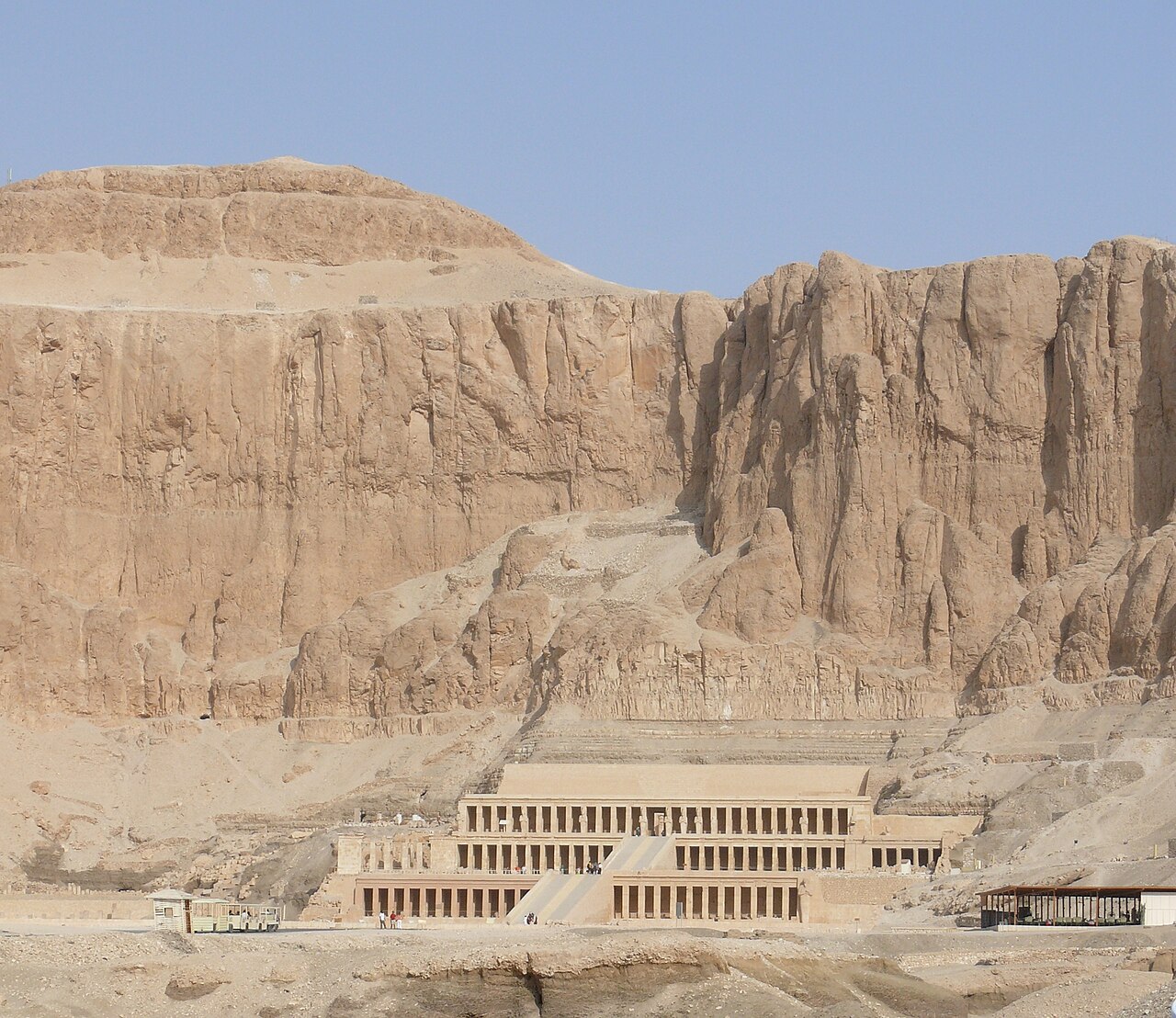 Artifact
Primary source
Mortuary Temple of Hatshepsut
Senenmut and/or Hapuseneb (attributed) · c. 1479–1458 BCE
 Photograph
Secondary source
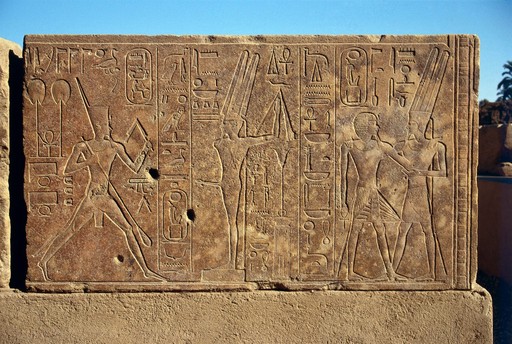
Hatshepsut Dancing Before Min, Karnak Relief
Carole Reeves · 1989
 Sculpture
Primary source
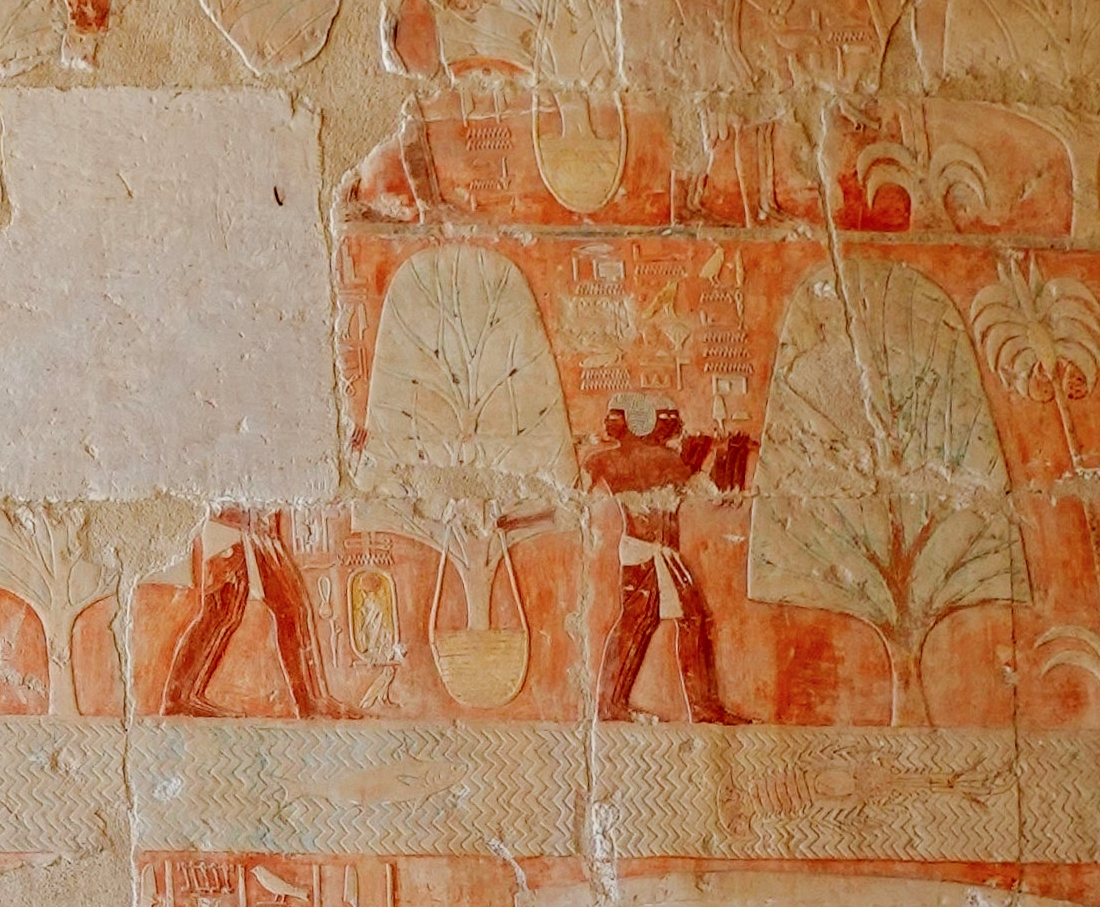
Punt Expedition Reliefs
Royal workshops of Hatshepsut · c. 1470 BCE
 Sculpture
Primary source
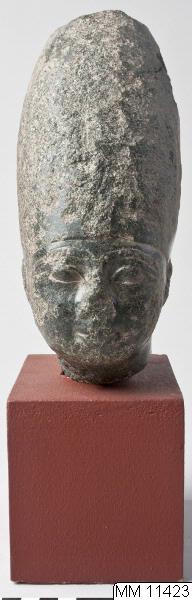
Sculpture Head Probably of Hatshepsut
 Sculpture
Primary source
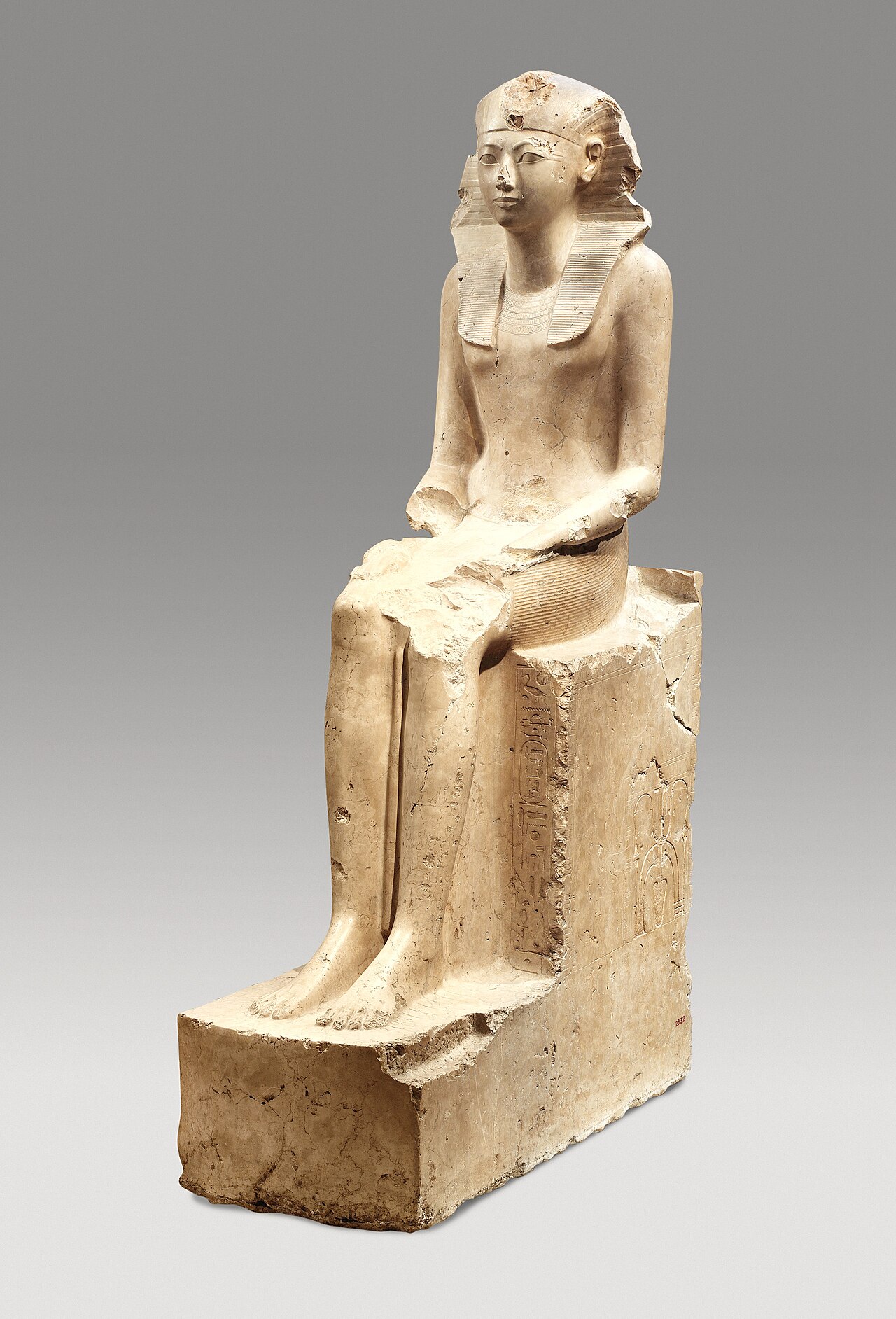
Seated Statue of Hatshepsut
c. 1466 BCE
Ready when you are
Start chatting with Hatshepsut now.
20 messages free · No credit card · Available in 50+ languages.