


Primary sourceSculpturec. 1503-1482 BCE
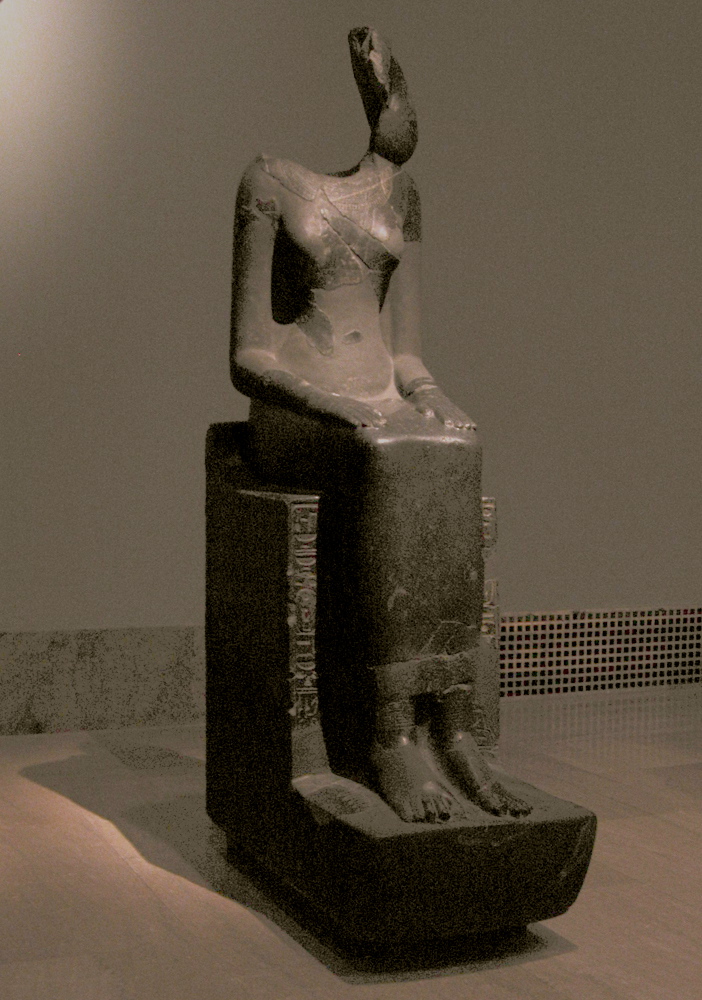
Hatshepsut Wearing the Khat Headdress
c. 1503-1482 BCE
A black granite statue showing Hatshepsut with a woman's body and dress but wearing the royal khat headdress, one of only two such statues found.
This rare statue shows Hatshepsut with a female body, offering a different view of how she could be represented as pharaoh.
About this source
What it is
This black granite statue, made around 1503-1482 BCE and found at Deir el-Bahri, Thebes, is now at the Metropolitan Museum of Art. It is one of only two statues from Hatshepsut's funerary temple that show her with a female body and clothing, though she still wears the khat headdress associated with male kings. Inscriptions on the statue link the god Amun to the Temple of Karnak, suggesting it may have been dedicated there.
Why it matters
Most images of Hatshepsut as pharaoh show her with male features and dress, so this rare statue is important evidence that artists sometimes portrayed her as a woman while still marking her as a ruler. It shows the balancing act she and her sculptors performed between her identity and the demands of kingship.
Look closer
- How does this statue differ from other statues of Hatshepsut shown in male dress?
- Why might the artists have mixed female and male royal features in the same statue?
- What do the inscriptions suggest about where this statue was meant to stand?
This sculpture is part of the curated material that grounds the AI version of Hatshepsut on Humy.ai — when students ask about related events, the AI can quote it and cite it.
More Hatshepsut sources
Meet the AI Hatshepsut →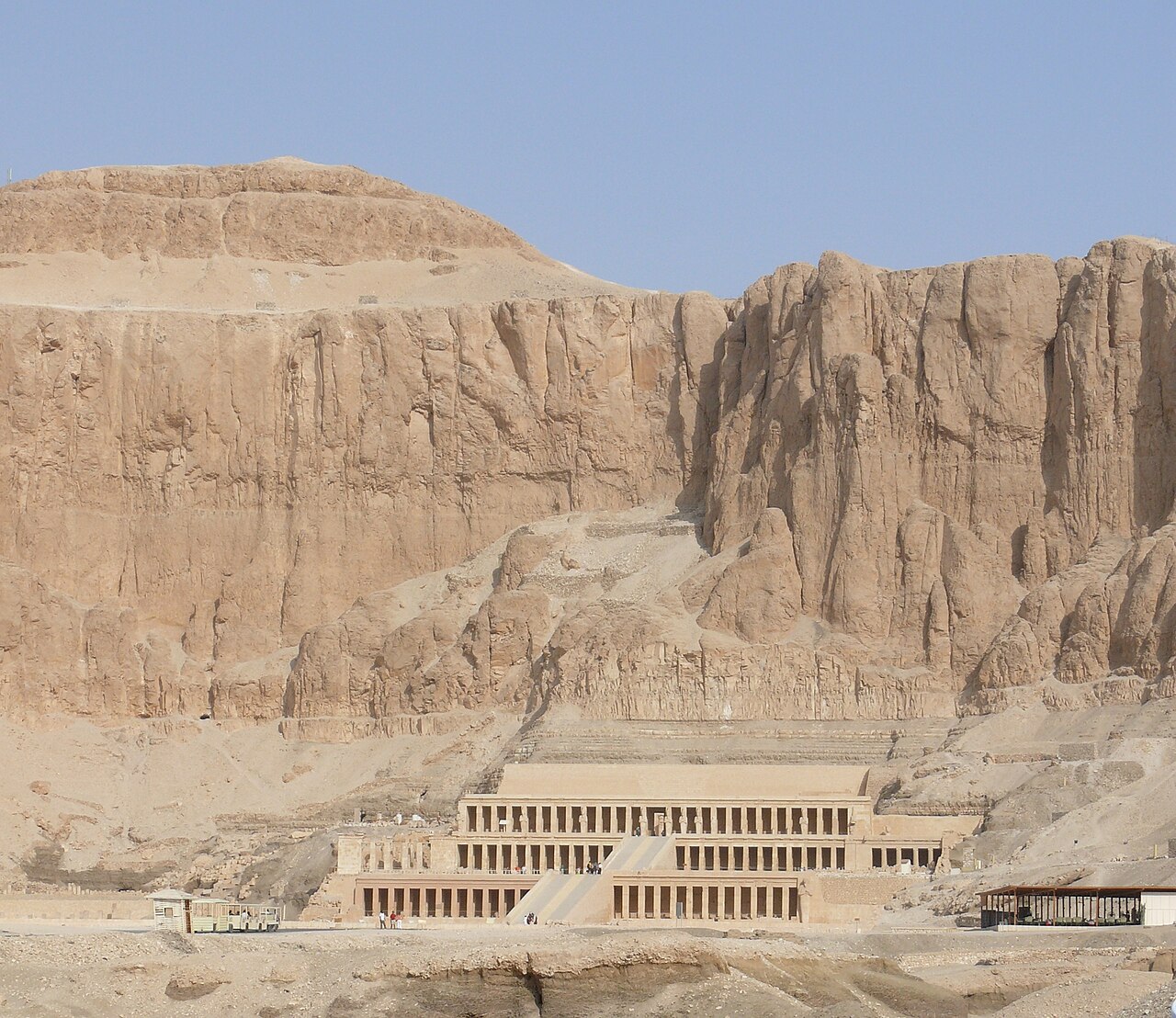 Artifact
Primary source
Mortuary Temple of Hatshepsut
Senenmut and/or Hapuseneb (attributed) · c. 1479–1458 BCE
 Photograph
Secondary source
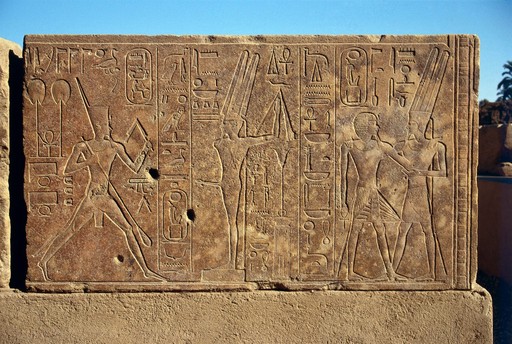
Hatshepsut Dancing Before Min, Karnak Relief
Carole Reeves · 1989
 Sculpture
Primary source
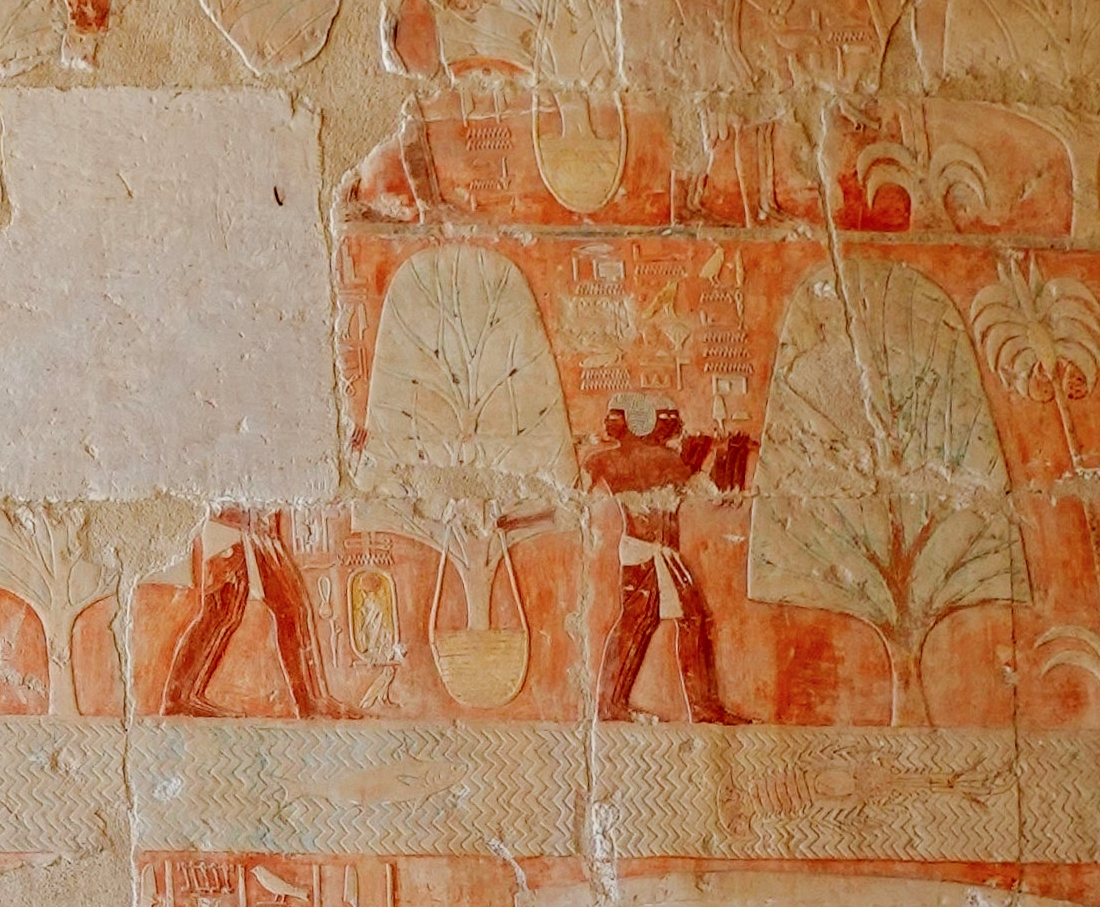
Punt Expedition Reliefs
Royal workshops of Hatshepsut · c. 1470 BCE
 Sculpture
Primary source
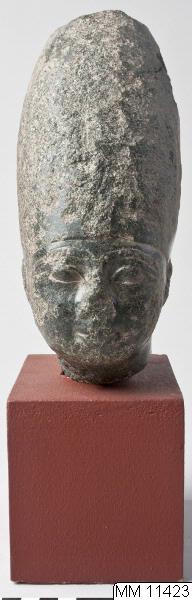
Sculpture Head Probably of Hatshepsut
 Sculpture
Primary source
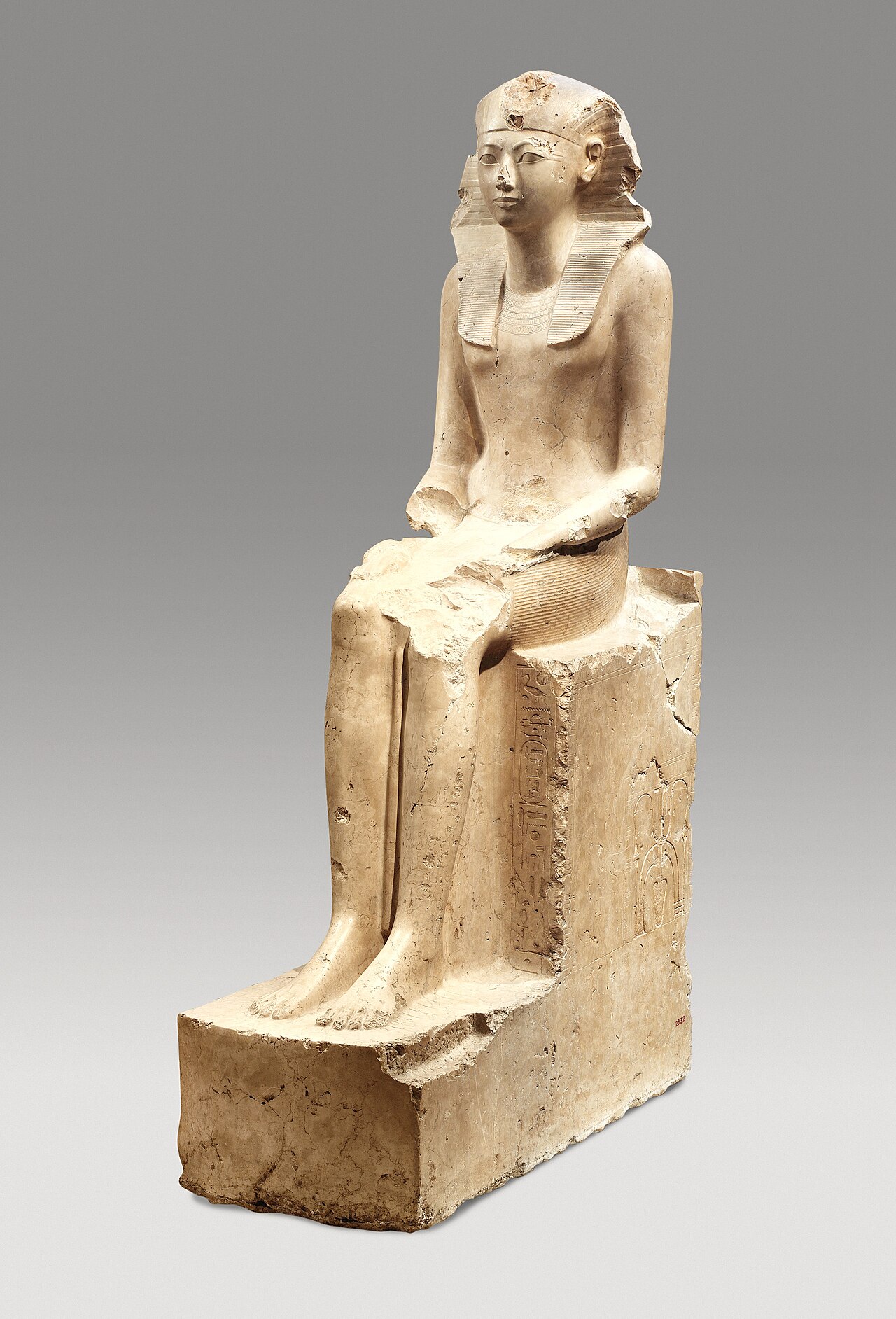
Seated Statue of Hatshepsut
c. 1466 BCE
Ready when you are
Start chatting with Hatshepsut now.
20 messages free · No credit card · Available in 50+ languages.