


Secondary sourceBookearly 12th century (this edition later)
Hayy ibn Yaqdhan
Ibn Tufail · early 12th century (this edition later)
A 12th-century Arabic philosophical novel by Ibn Tufail that borrows its title and ideas from an earlier allegory by Avicenna.
Borrows the title and ideas of Avicenna's own allegory, showing his lasting influence on later philosophy.
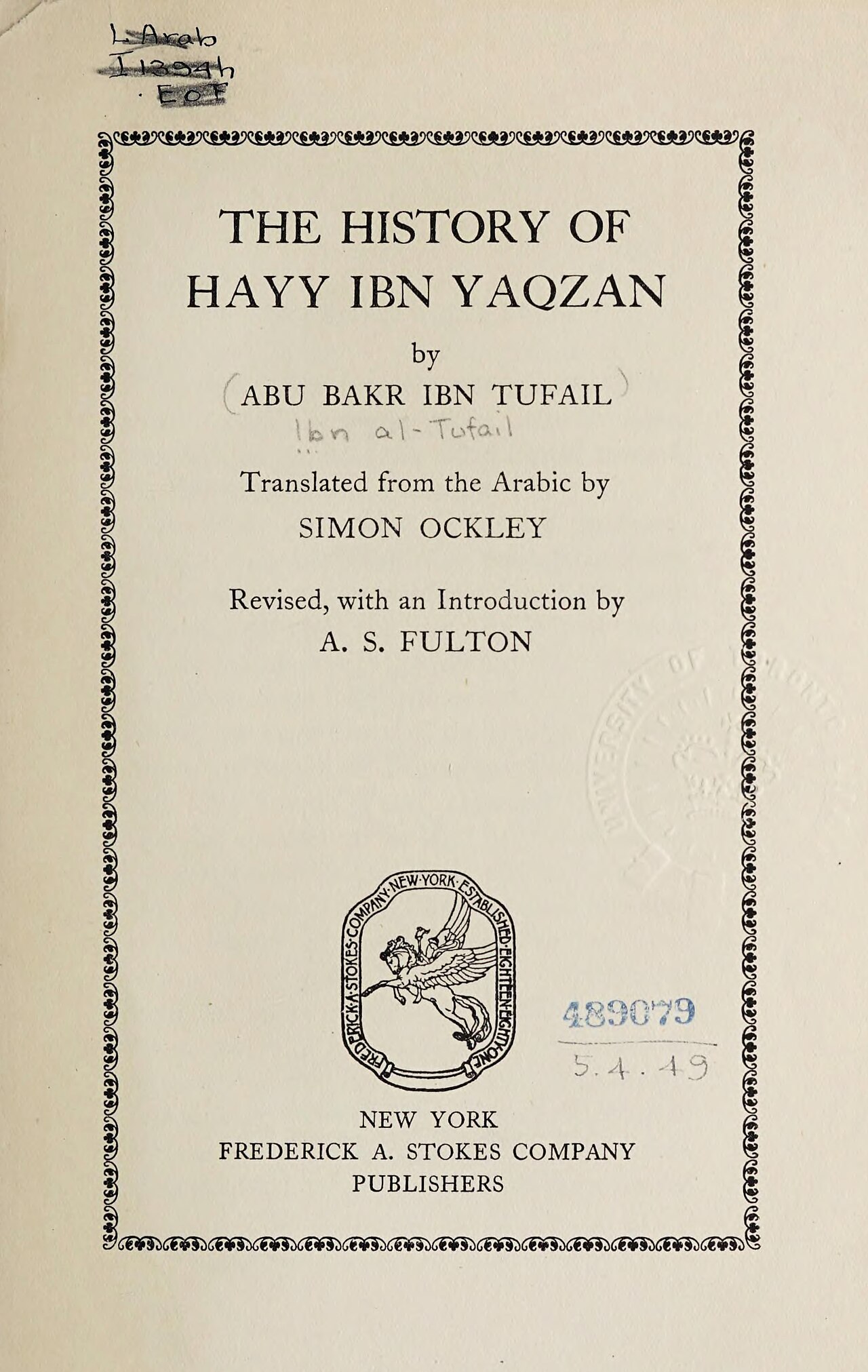
About this source
What it is
This is a philosophical novel written by Ibn Tufail in the early 12th century in al-Andalus. It takes its title from an earlier allegorical tale by Avicenna, written during his imprisonment in the early 11th century, though the stories differ. The title page shown here is from an English translation published much later by Frederick A. Stokes Company in New York.
Why it matters
The novel became hugely influential, inspiring Islamic philosophy and later European Enlightenment thinkers such as Spinoza, Leibniz, and Daniel Defoe. By naming and borrowing from Avicenna's work, Ibn Tufail shows how Avicenna's ideas, including his famous "Floating Man" thought experiment, continued to shape philosophy generations later.
Look closer
- Why might a later writer choose to reuse the title of an earlier author's work?
- What does the book's long journey to translation into Latin and English tell us about how ideas travel across cultures?
- What might be left out when a story is retold using an older concept as its starting point?
This book is part of the curated material that grounds the AI version of Avicenna on Humy.ai — when students ask about related events, the AI can quote it and cite it.
More Avicenna sources
Meet the AI Avicenna →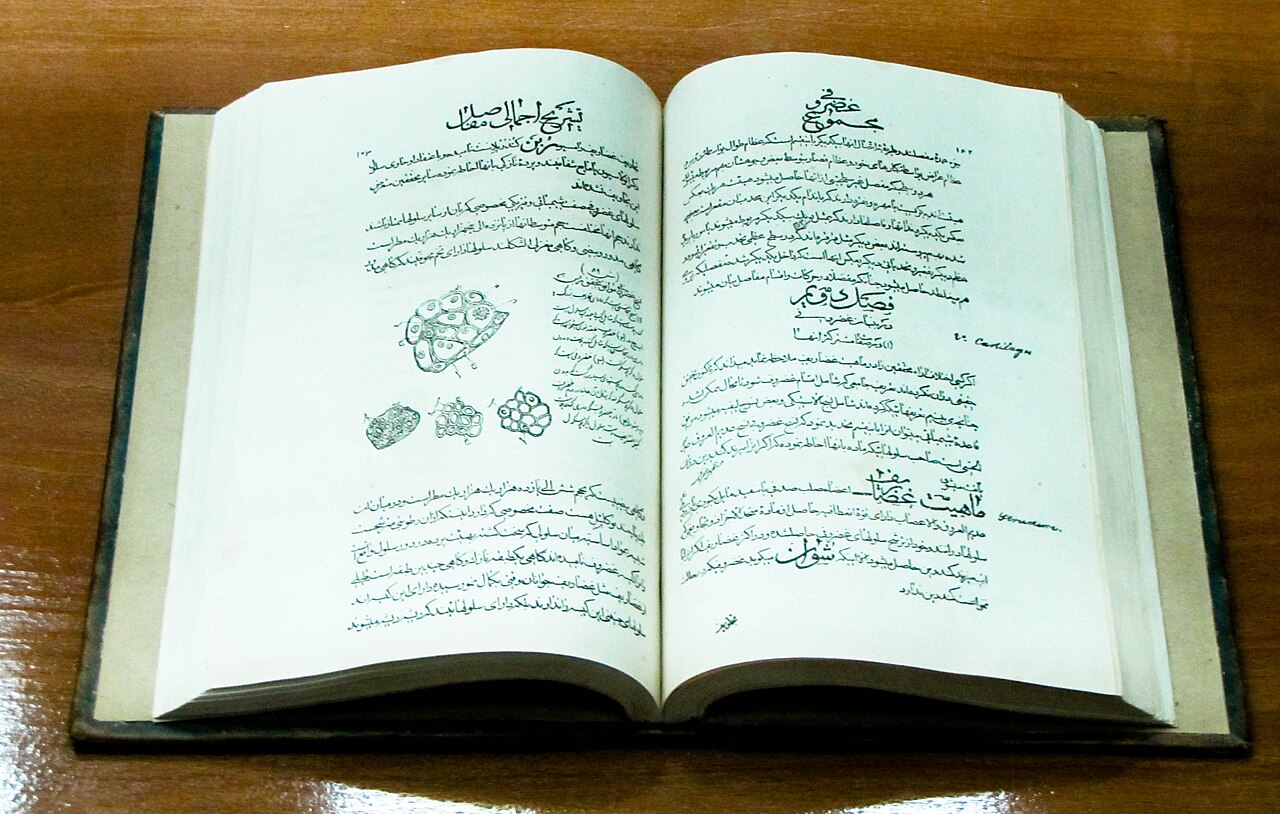 Book
Secondary source
Canon of Medicine
Avicenna · 1025
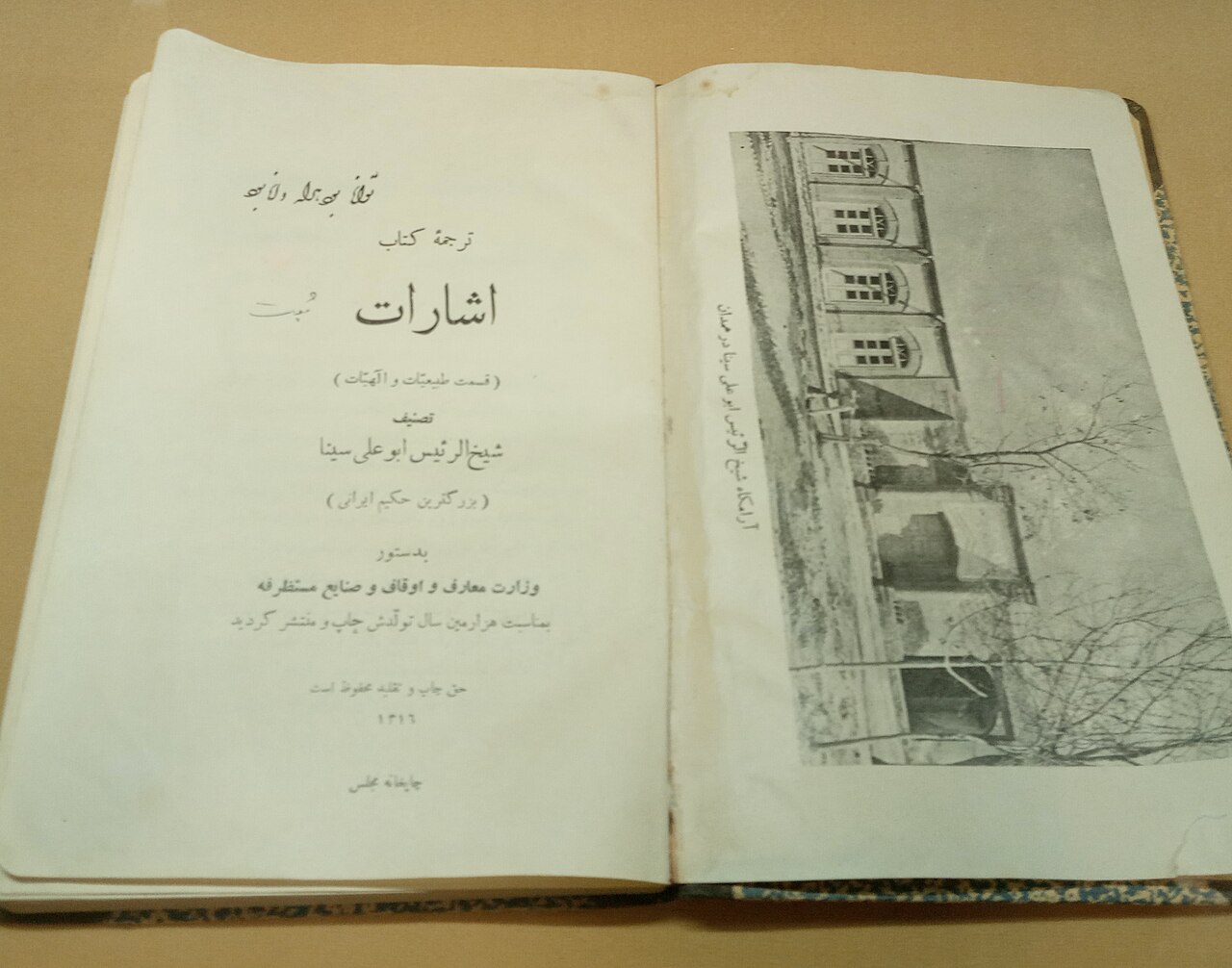 Book
Primary source
Al-Isharat wa al-Tanbihat
Avicenna
Secondary source
Commentary on Anatomy in Avicenna's Canon
Ibn al-Nafis · 13th century
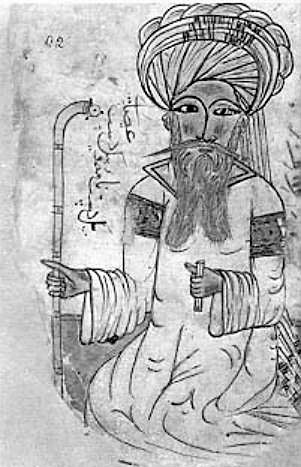 Painting
Secondary source
Avicenna (Subtilties of Truth manuscript image)
Beckwith · 1271
 Painting
Secondary source
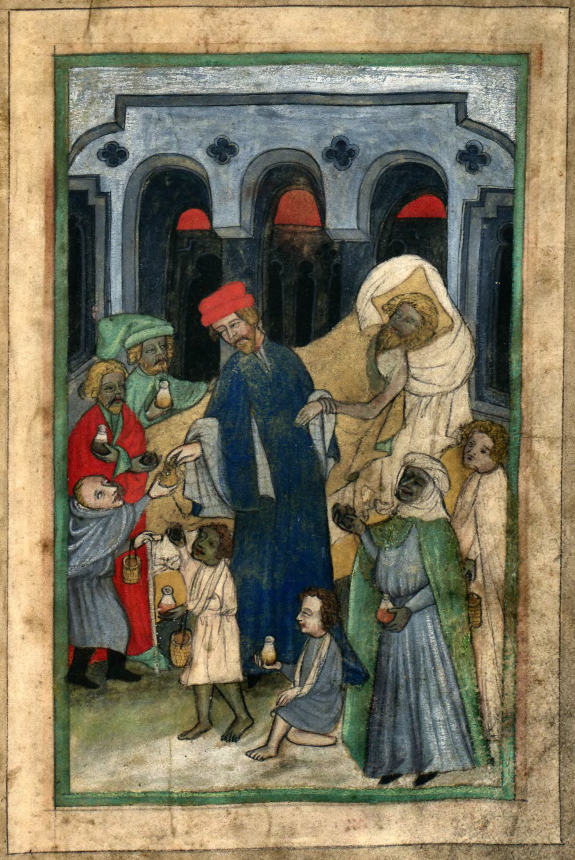
Avicenna at the Sickbed
Walenty z Pilzna · c. 1479-1480
Ready when you are
Start chatting with Avicenna now.
20 messages free · No credit card · Available in 50+ languages.