


Primary sourceSculptureca. 1473–1458 BCE
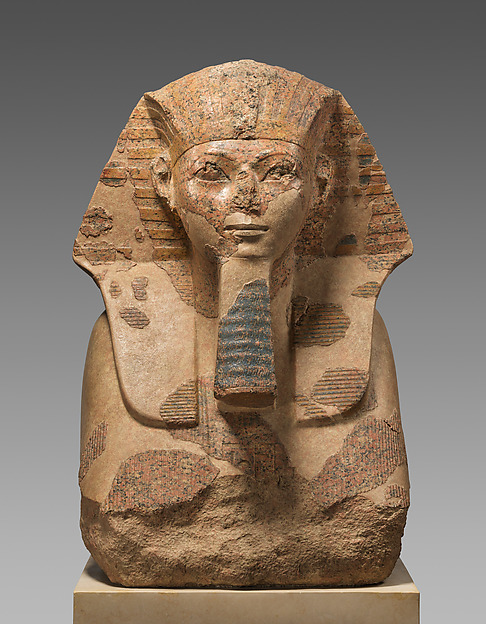
Head and Shoulders of a Sphinx of Hatshepsut
ca. 1473–1458 BCE
A granite head and shoulders from a sphinx statue of Hatshepsut, wearing the royal nemes headdress and false beard, from her reign.
This sphinx head represents Hatshepsut herself, shown with royal regalia to assert her power as pharaoh.
About this source
What it is
This is the head and shoulders of a granite sphinx carved to represent Hatshepsut, shown wearing the striped nemes headdress and the false beard of a pharaoh. It dates to her joint reign with Thutmose III and is held today at the Metropolitan Museum of Art.
Why it matters
Sphinxes combined a human head with a lion's body to show royal power and protection. By having herself shown this way, Hatshepsut placed herself in the same visual tradition as male kings before her, using art to assert her authority as ruler of Egypt.
Look closer
- Why might Hatshepsut have chosen to be shown with a false beard, a symbol usually linked to male kings?
- What traces of paint remain, and what might the original colors have looked like?
- What does this object suggest about how pharaohs wanted to be remembered?
This sculpture is part of the curated material that grounds the AI version of Hatshepsut on Humy.ai — when students ask about related events, the AI can quote it and cite it.
More Hatshepsut sources
Meet the AI Hatshepsut →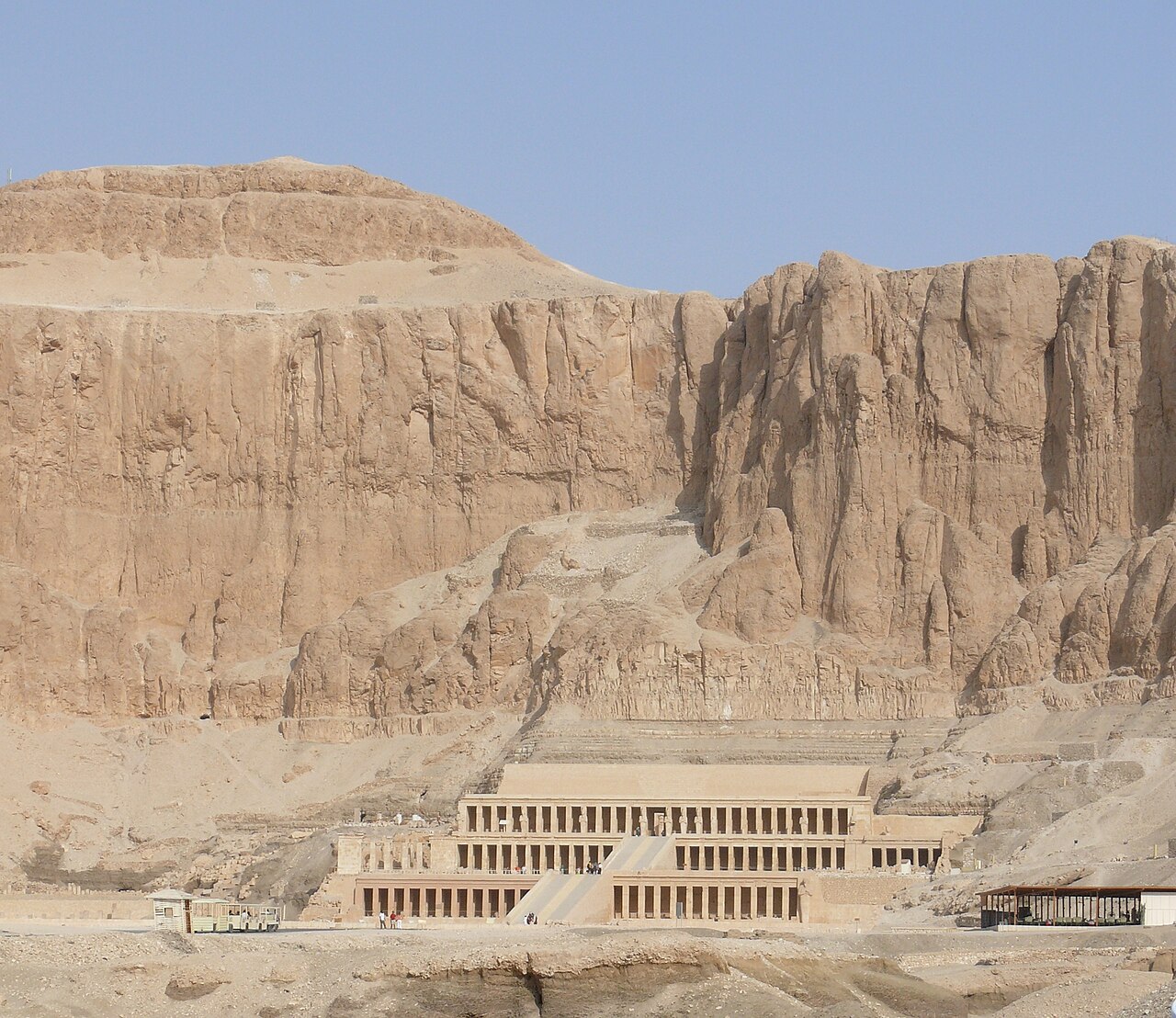 Artifact
Primary source
Mortuary Temple of Hatshepsut
Senenmut and/or Hapuseneb (attributed) · c. 1479–1458 BCE
 Photograph
Secondary source
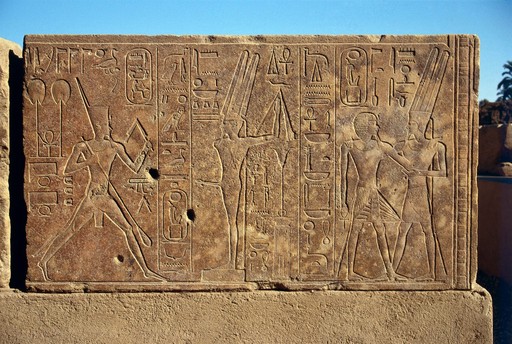
Hatshepsut Dancing Before Min, Karnak Relief
Carole Reeves · 1989
 Sculpture
Primary source
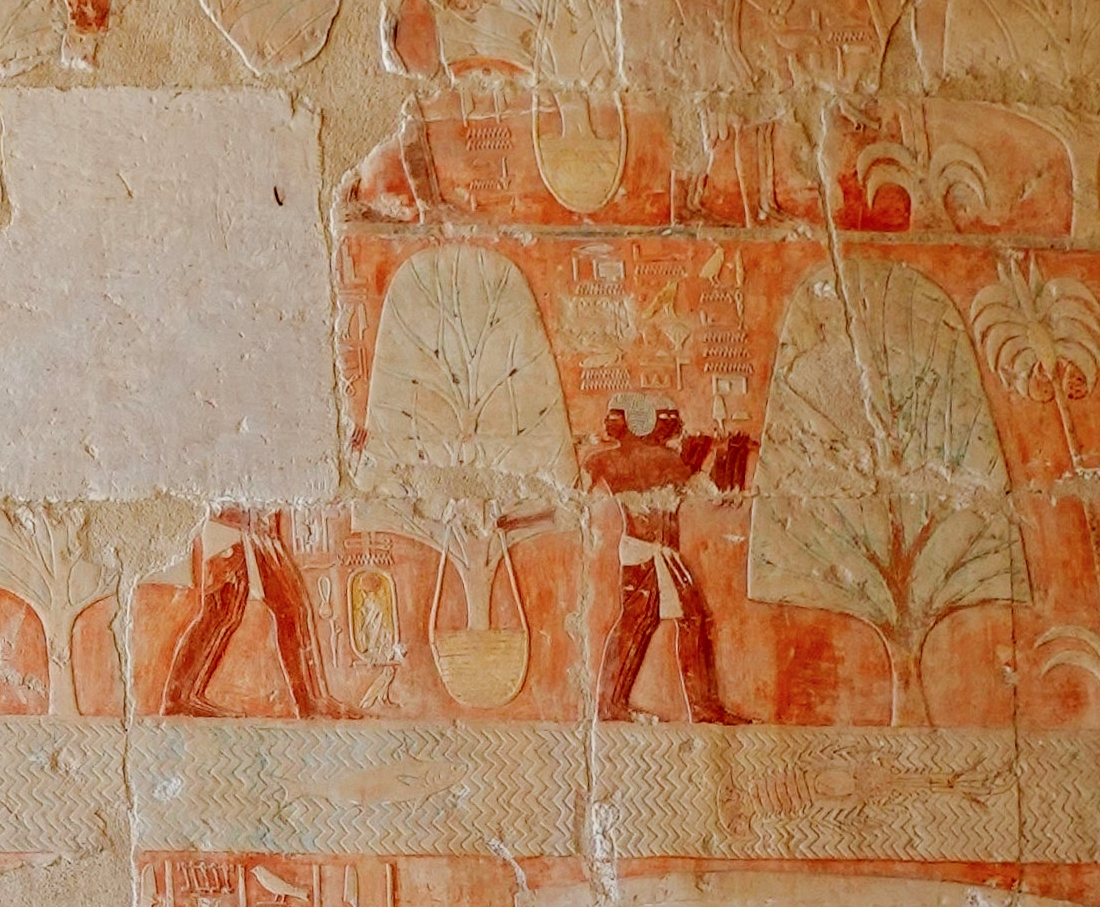
Punt Expedition Reliefs
Royal workshops of Hatshepsut · c. 1470 BCE
 Sculpture
Primary source
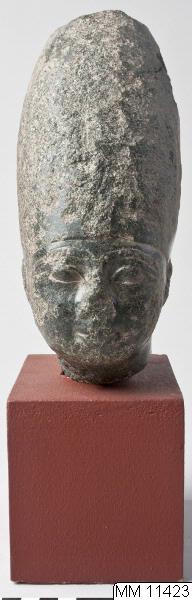
Sculpture Head Probably of Hatshepsut
 Sculpture
Primary source
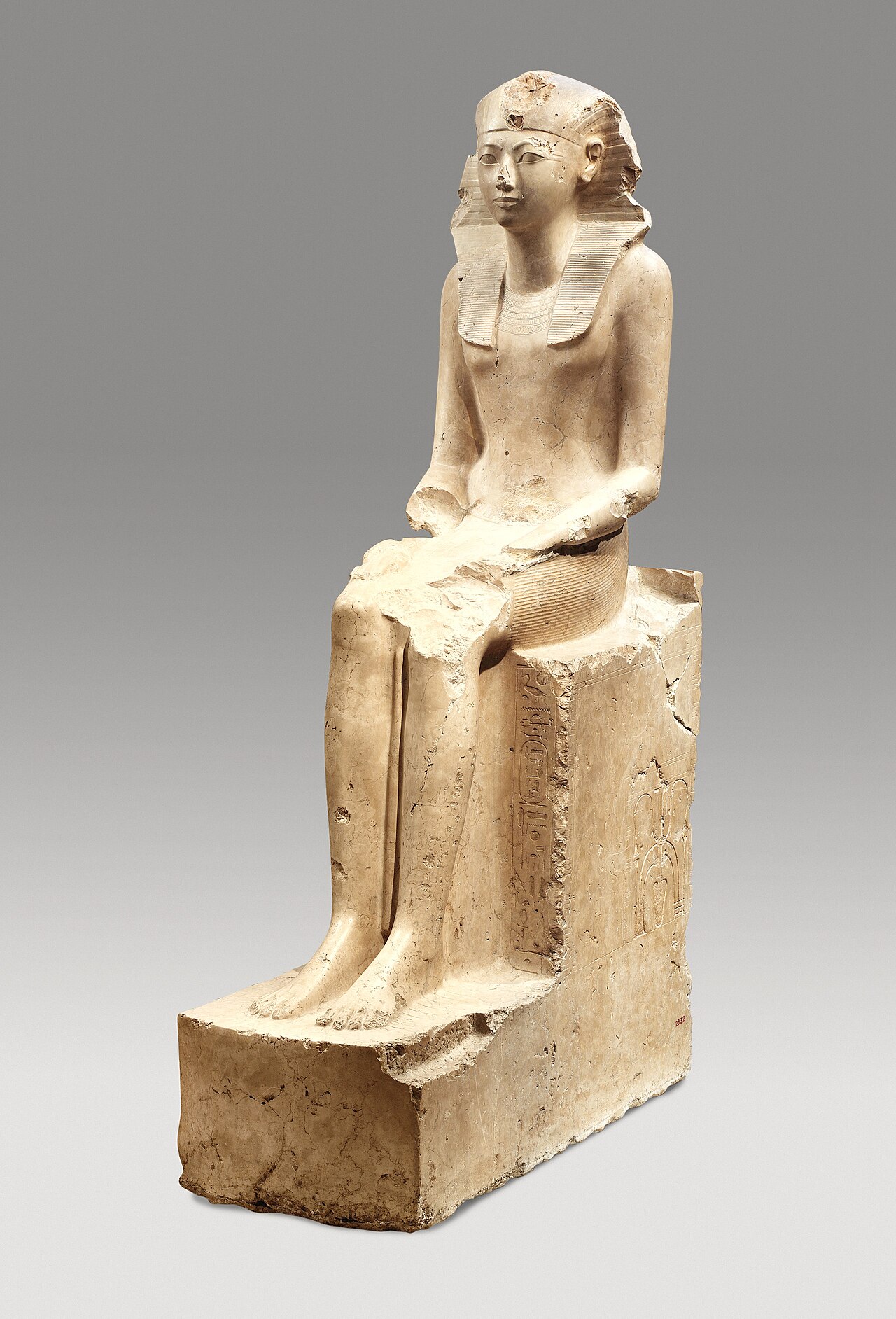
Seated Statue of Hatshepsut
c. 1466 BCE
Ready when you are
Start chatting with Hatshepsut now.
20 messages free · No credit card · Available in 50+ languages.