


Primary sourceSculpturec. 1503-1482 BCE
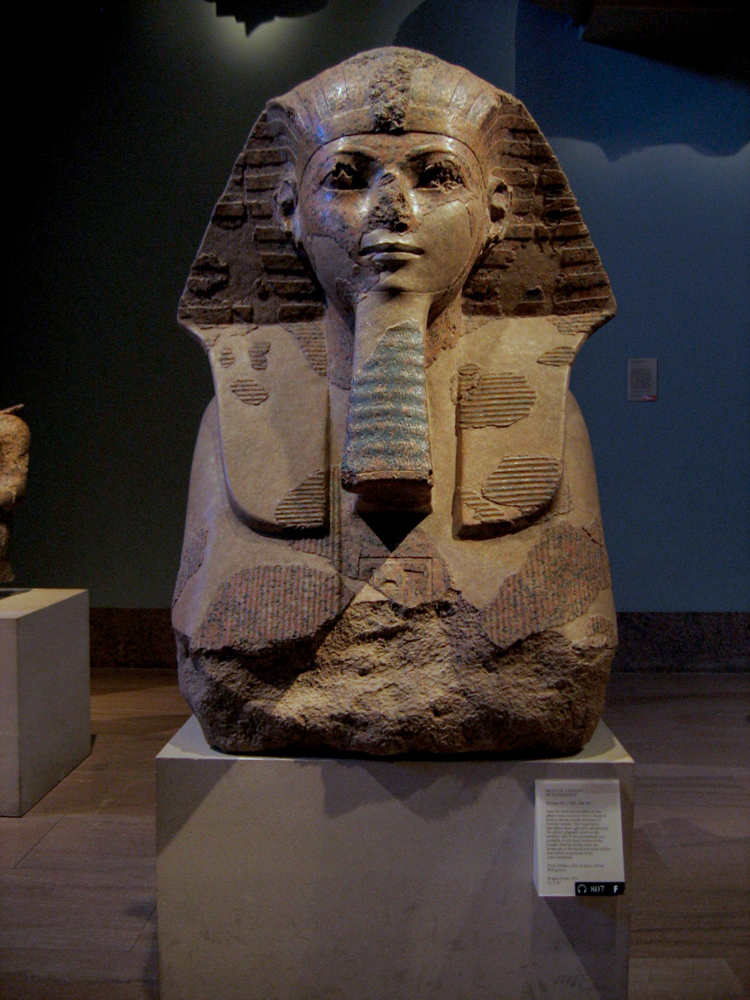
Head of a Sphinx of Hatshepsut
c. 1503-1482 BCE
A red granite sphinx head with Hatshepsut's human face, one of six that once lined the processional way into her temple.
This sphinx bore Hatshepsut's face and once guarded the entrance to her own funerary temple.
About this source
What it is
This red granite sphinx head dates to around 1503-1482 BCE and was found at Deir el-Bahri, Thebes. It is now at the Metropolitan Museum of Art. The sphinx has a human face wearing the nemes headdress and a false beard, and was likely one of six placed along the processional way into Hatshepsut's temple. Only the head and shoulders survive, though traces of blue, yellow, and blue paint remain on the beard and headdress.
Why it matters
Sphinxes combining a ruler's face with a lion's body were a powerful symbol of royal strength and divine protection in ancient Egypt. That Hatshepsut had herself shown this way, lining the entrance to her own temple, shows how carefully she staged her image as a legitimate and powerful pharaoh.
Look closer
- What traces of the original colour can you still see, and what might the complete statue have looked like?
- Why do you think only part of this sculpture survived?
- What might rows of sphinxes along a temple path have been meant to make visitors feel?
This sculpture is part of the curated material that grounds the AI version of Hatshepsut on Humy.ai — when students ask about related events, the AI can quote it and cite it.
More Hatshepsut sources
Meet the AI Hatshepsut →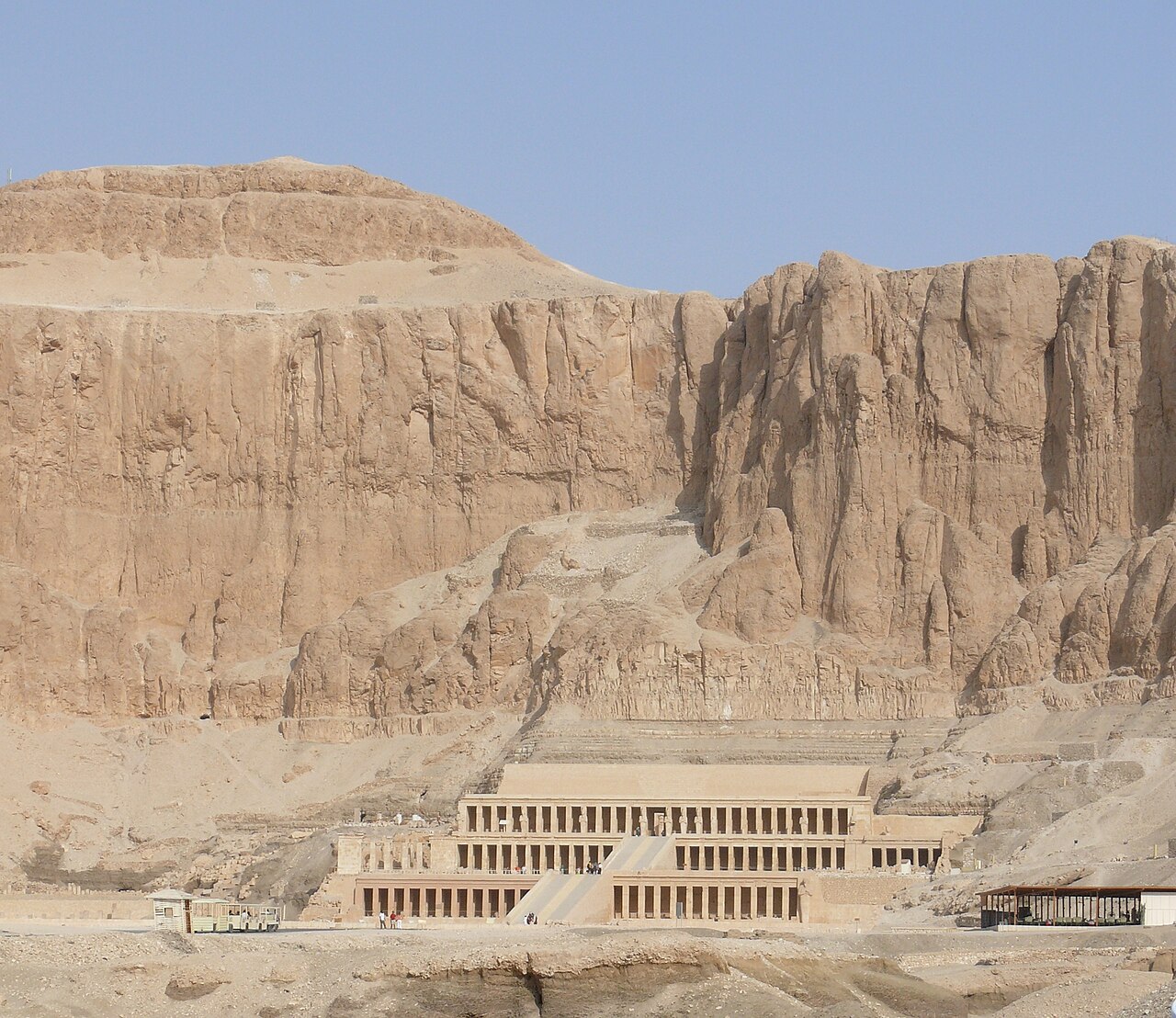 Artifact
Primary source
Mortuary Temple of Hatshepsut
Senenmut and/or Hapuseneb (attributed) · c. 1479–1458 BCE
 Photograph
Secondary source
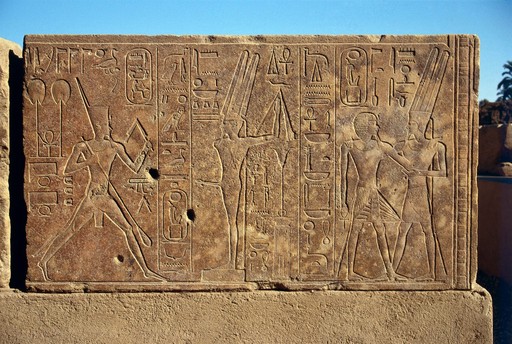
Hatshepsut Dancing Before Min, Karnak Relief
Carole Reeves · 1989
 Sculpture
Primary source
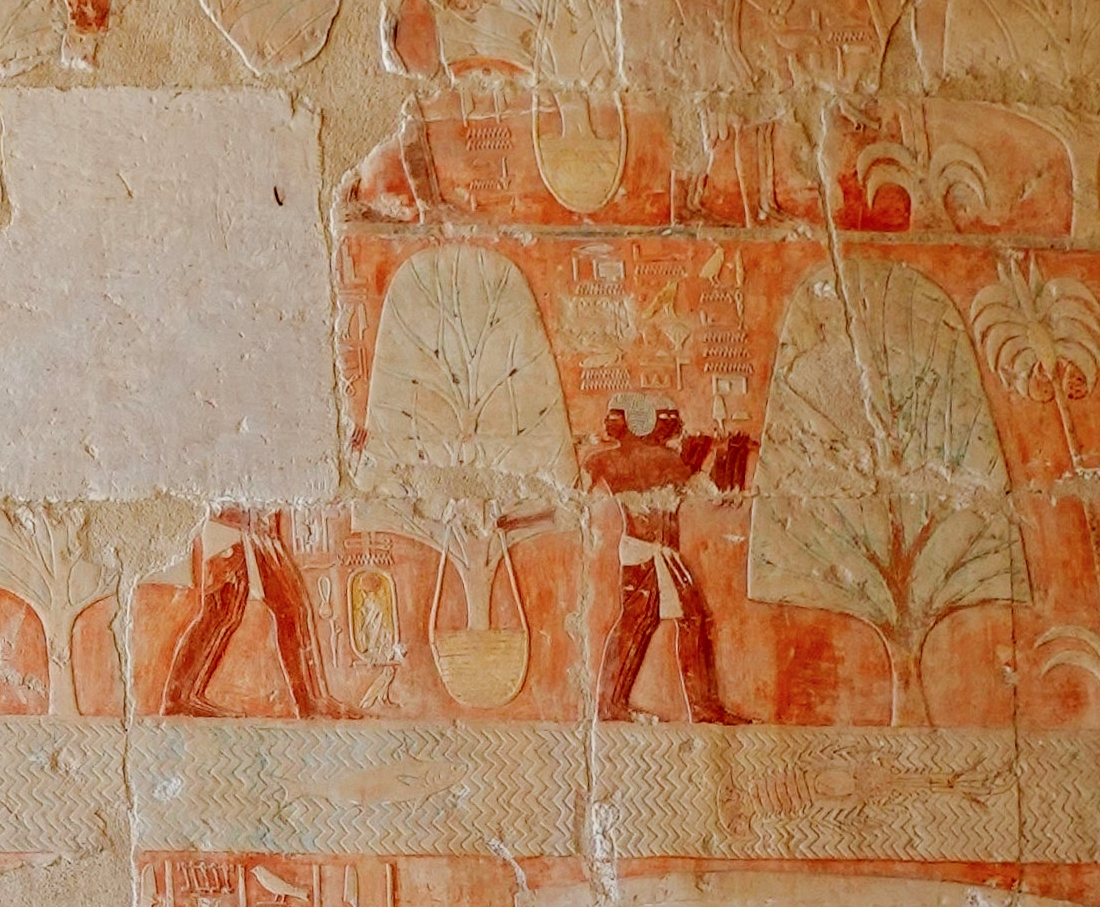
Punt Expedition Reliefs
Royal workshops of Hatshepsut · c. 1470 BCE
 Sculpture
Primary source
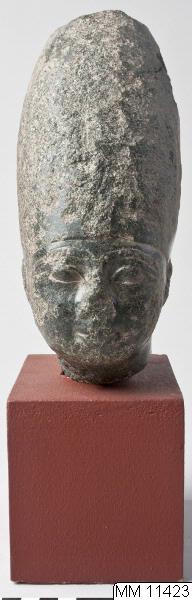
Sculpture Head Probably of Hatshepsut
 Sculpture
Primary source
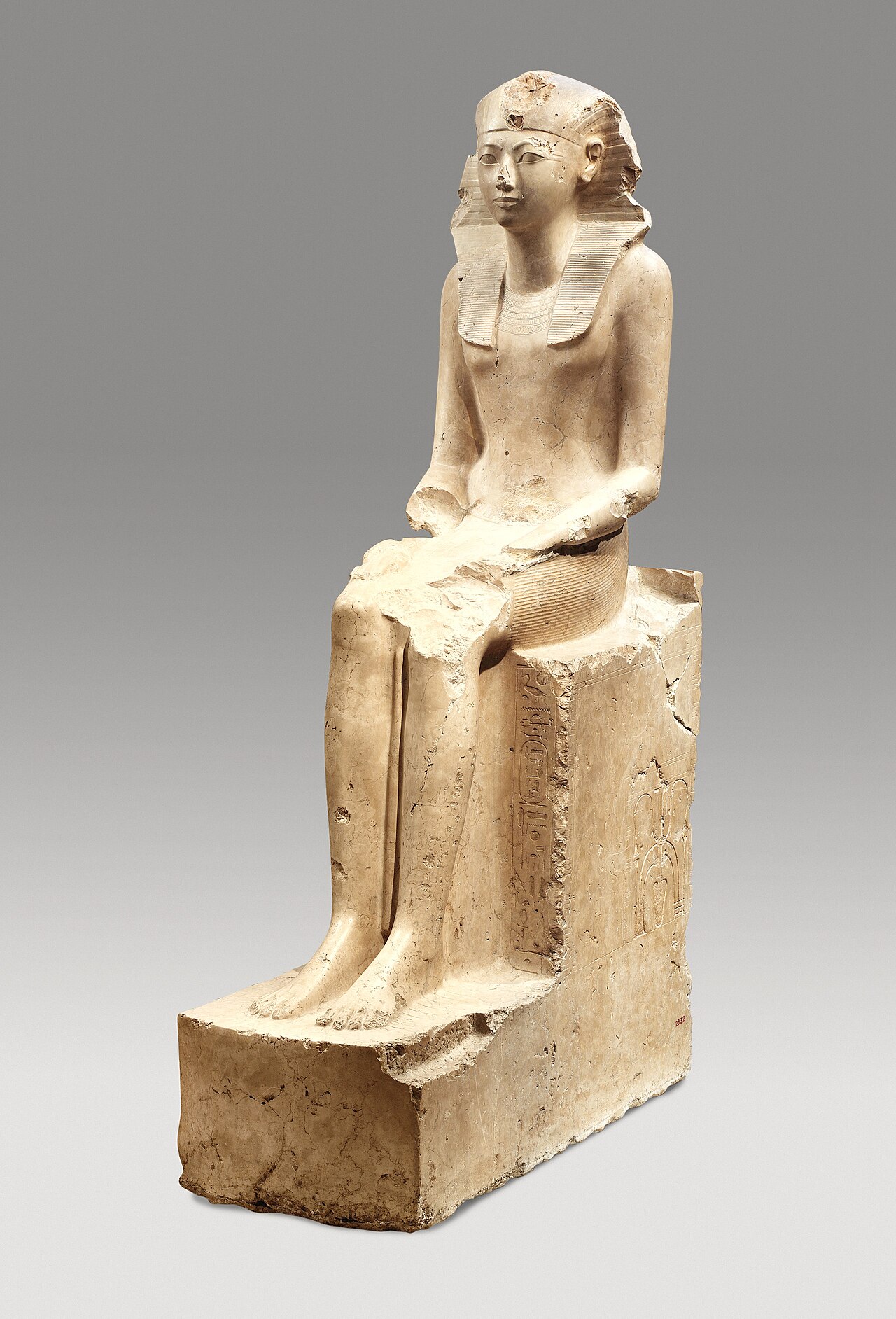
Seated Statue of Hatshepsut
c. 1466 BCE
Ready when you are
Start chatting with Hatshepsut now.
20 messages free · No credit card · Available in 50+ languages.