


Primary sourceSculpture
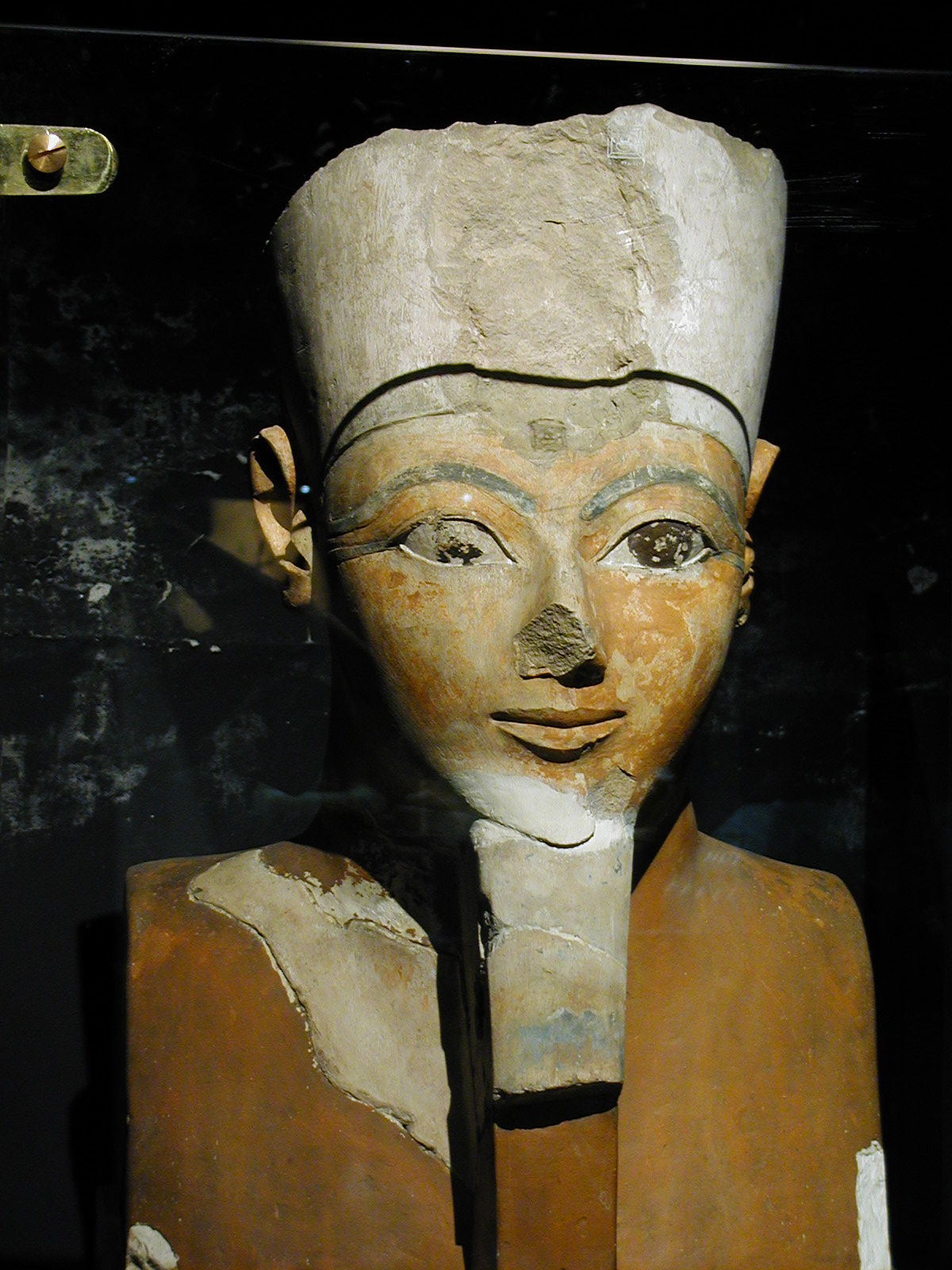
Head of Hatshepsut from Luxor
Néfermaât
A painted limestone head and torso of Hatshepsut found at Luxor, now in the National Museum of Alexandria.
This sculpture from Luxor is identified as a portrait of Hatshepsut as pharaoh.
About this source
What it is
This is a photograph of an ancient painted limestone sculpture showing a head and upper torso wearing a tall, flat-topped crown. It was found at Luxor and is now held in the National Museum of Alexandria, Egypt.
Why it matters
The sculpture is identified as Hatshepsut, who ruled Egypt as pharaoh during the Eighteenth Dynasty. Surviving royal portraits like this, found near her home region of Luxor and Thebes, help historians understand how she was shown to her people and how her image survived despite later attempts to remove traces of her reign.
Look closer
- What can you tell about the crown and its meaning from its shape?
- Why has the paint worn away in places, and what does that tell you about the object's age?
- What might the damage to the piece suggest about its history?
This sculpture is part of the curated material that grounds the AI version of Hatshepsut on Humy.ai — when students ask about related events, the AI can quote it and cite it.
More Hatshepsut sources
Meet the AI Hatshepsut →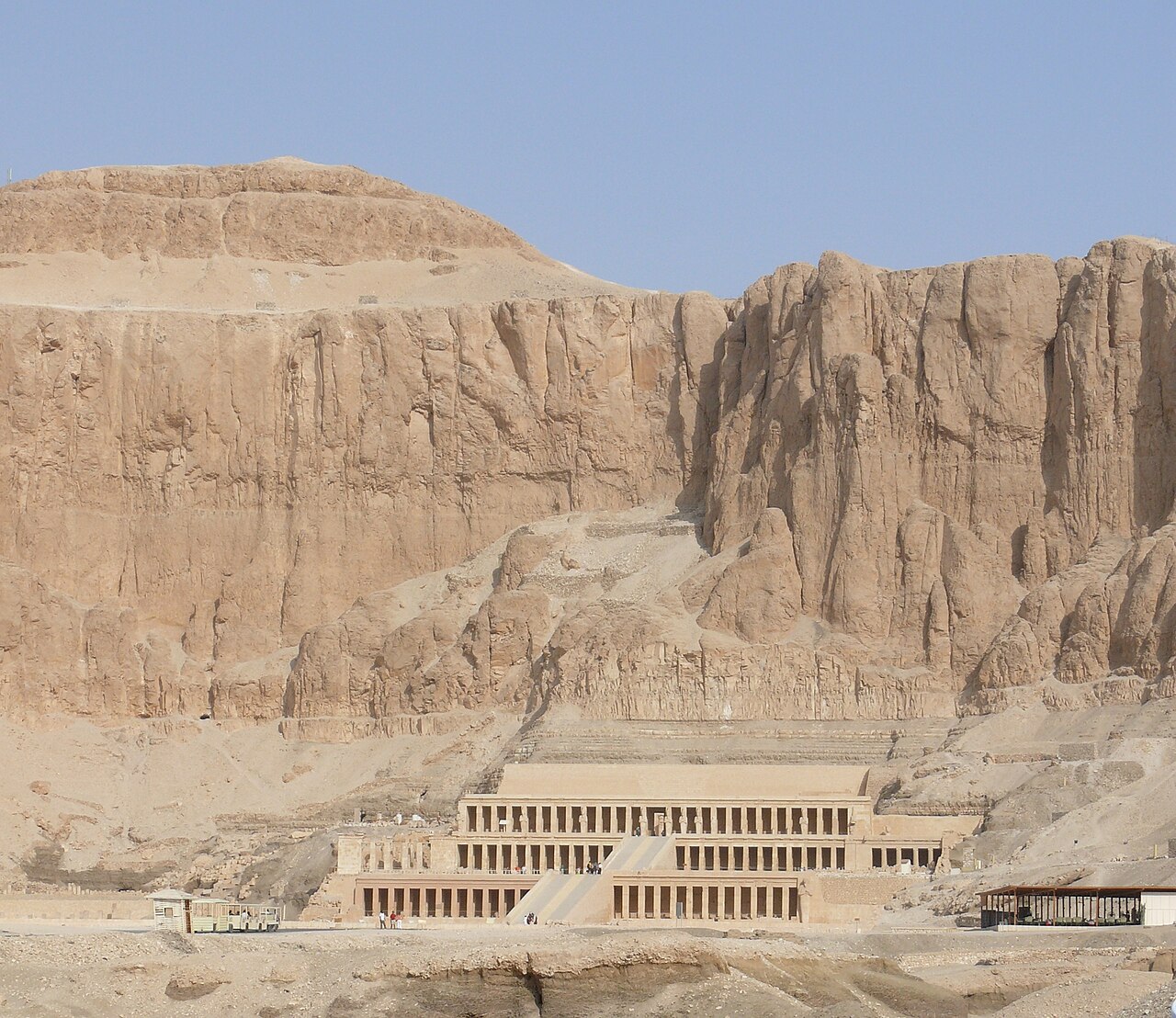 Artifact
Primary source
Mortuary Temple of Hatshepsut
Senenmut and/or Hapuseneb (attributed) · c. 1479–1458 BCE
 Photograph
Secondary source
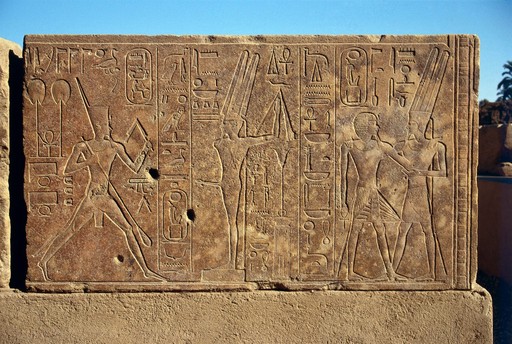
Hatshepsut Dancing Before Min, Karnak Relief
Carole Reeves · 1989
 Sculpture
Primary source
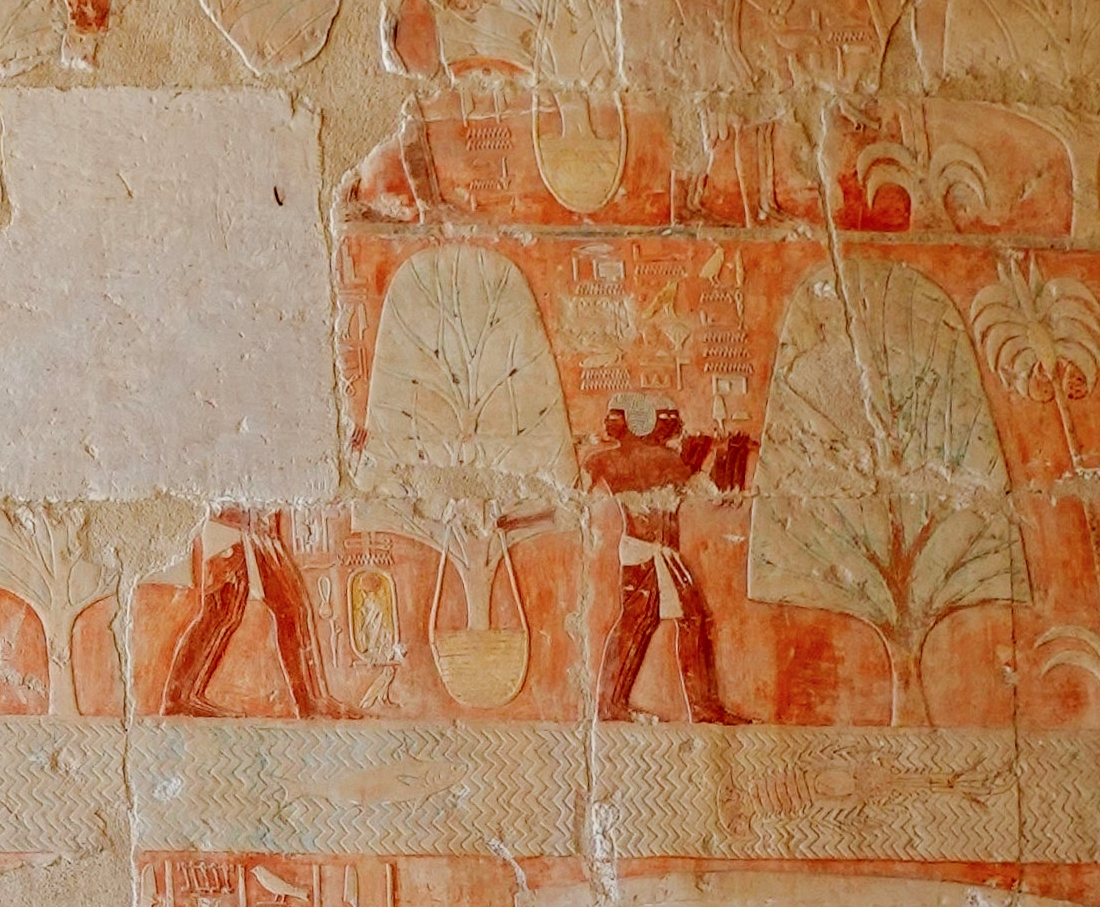
Punt Expedition Reliefs
Royal workshops of Hatshepsut · c. 1470 BCE
 Sculpture
Primary source
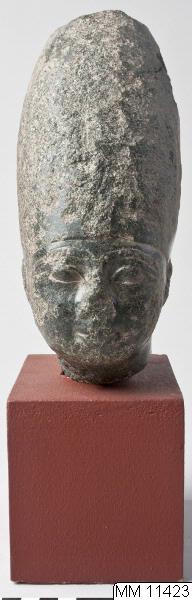
Sculpture Head Probably of Hatshepsut
 Sculpture
Primary source
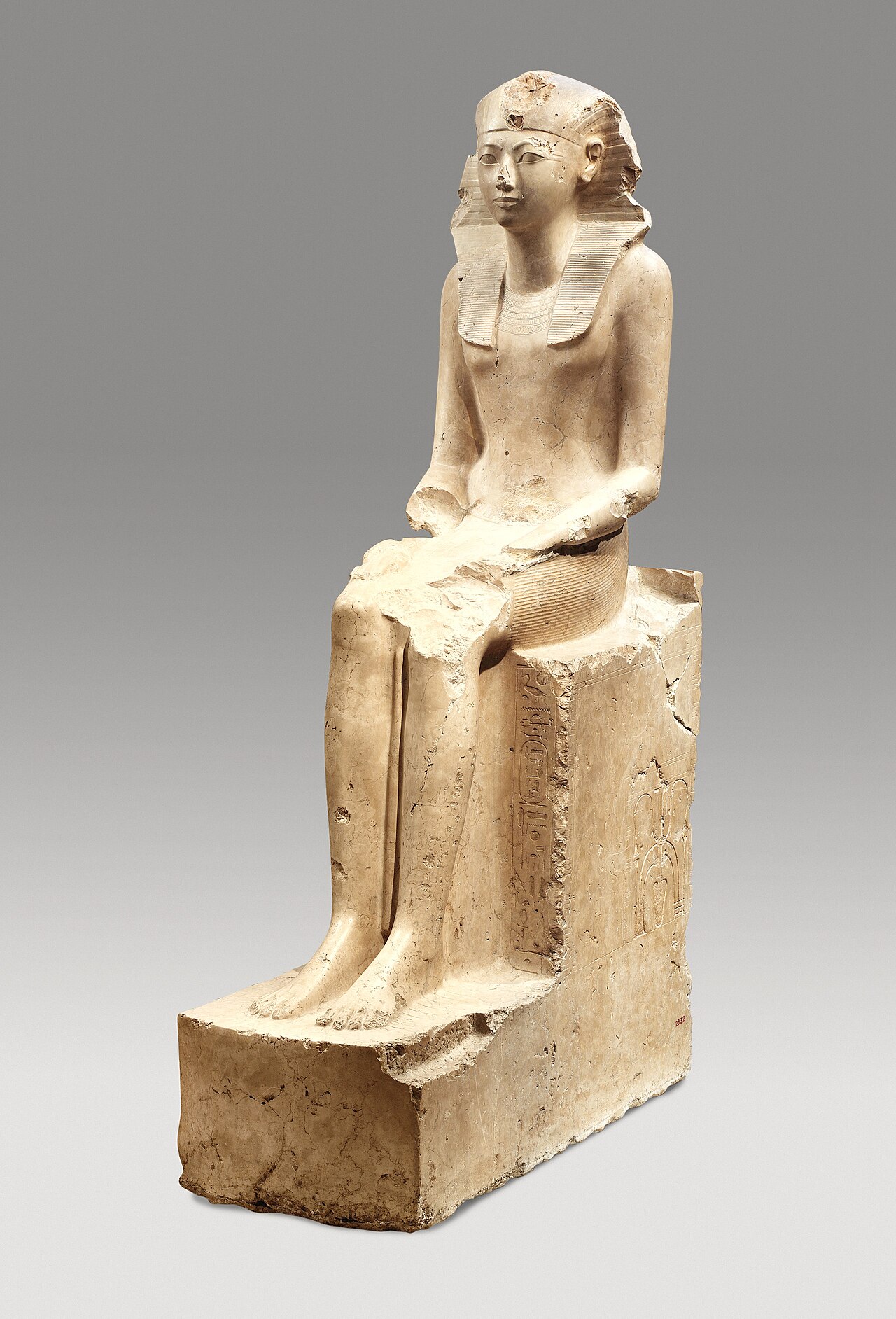
Seated Statue of Hatshepsut
c. 1466 BCE
Ready when you are
Start chatting with Hatshepsut now.
20 messages free · No credit card · Available in 50+ languages.