


Primary sourceSculpturec. 1479-1425 BCE
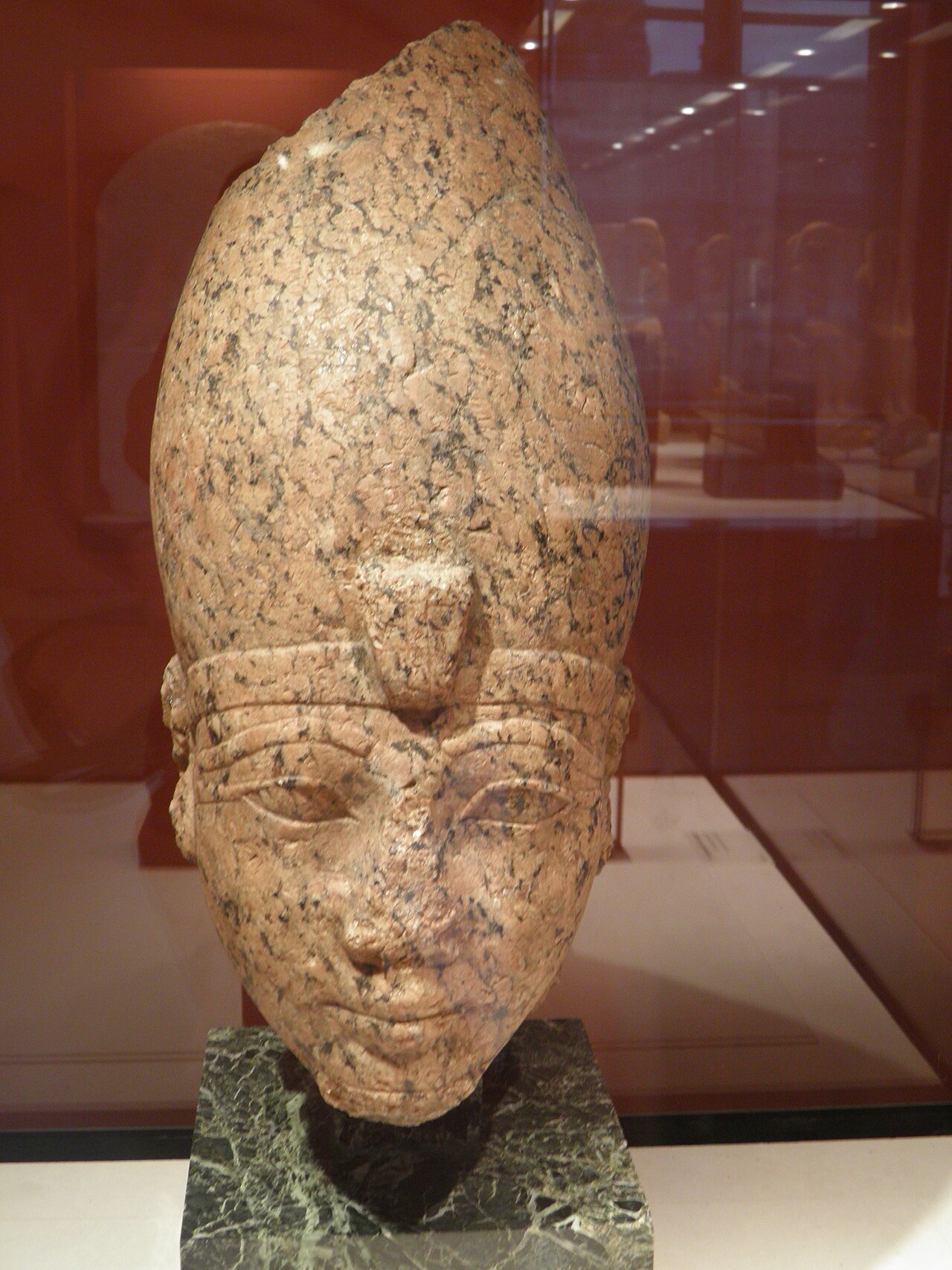
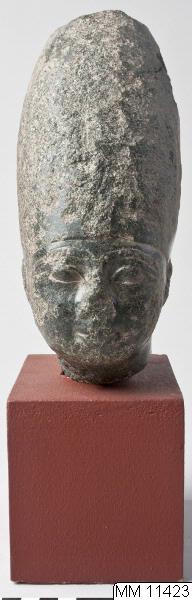
Head of Hatshepsut or Thutmose III
c. 1479-1425 BCE
A granite head wearing the White Crown that cannot be firmly identified as Hatshepsut or her co-ruler Thutmose III.
This head may depict Hatshepsut herself, showing how her royal image was visually merged with that of Thutmose III.
About this source
What it is
This carved granite head wears the White Crown of Upper Egypt. It comes from a statuette and is held in the Department of Egyptian Antiquities of the Louvre. Experts cannot say for certain whether it shows Hatshepsut or her co-ruler Thutmose III.
Why it matters
The uncertainty itself is revealing: royal images of Hatshepsut and Thutmose III were made so similar that even museum curators cannot always tell them apart. This shows how closely the two rulers' public images were blended, perhaps deliberately, during their joint reign.
Look closer
- What features make a royal head look male or female in ancient Egyptian art?
- Why might artists have made the images of two different rulers look alike?
- What is lost when we cannot be sure who a sculpture represents?
This sculpture is part of the curated material that grounds the AI version of Hatshepsut on Humy.ai — when students ask about related events, the AI can quote it and cite it.
More Hatshepsut sources
Meet the AI Hatshepsut →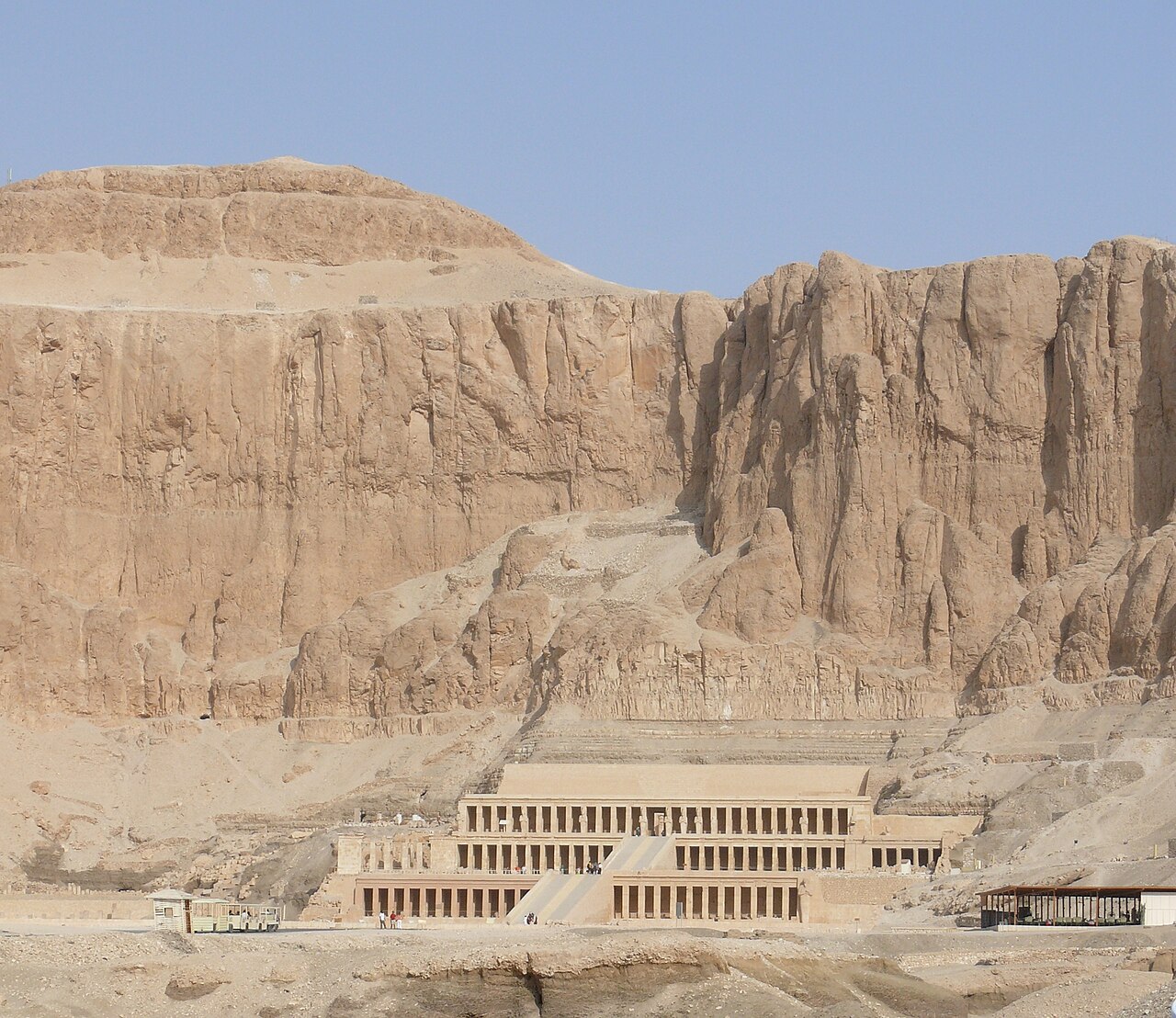 Artifact
Primary source
Mortuary Temple of Hatshepsut
Senenmut and/or Hapuseneb (attributed) · c. 1479–1458 BCE
 Photograph
Secondary source
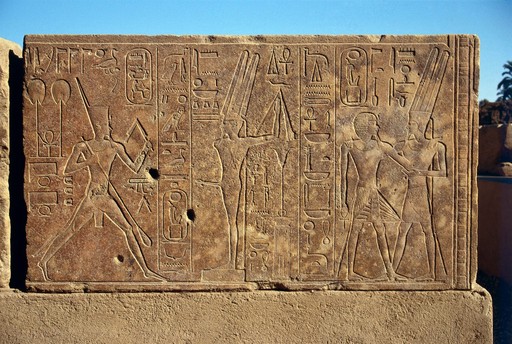
Hatshepsut Dancing Before Min, Karnak Relief
Carole Reeves · 1989
 Sculpture
Primary source
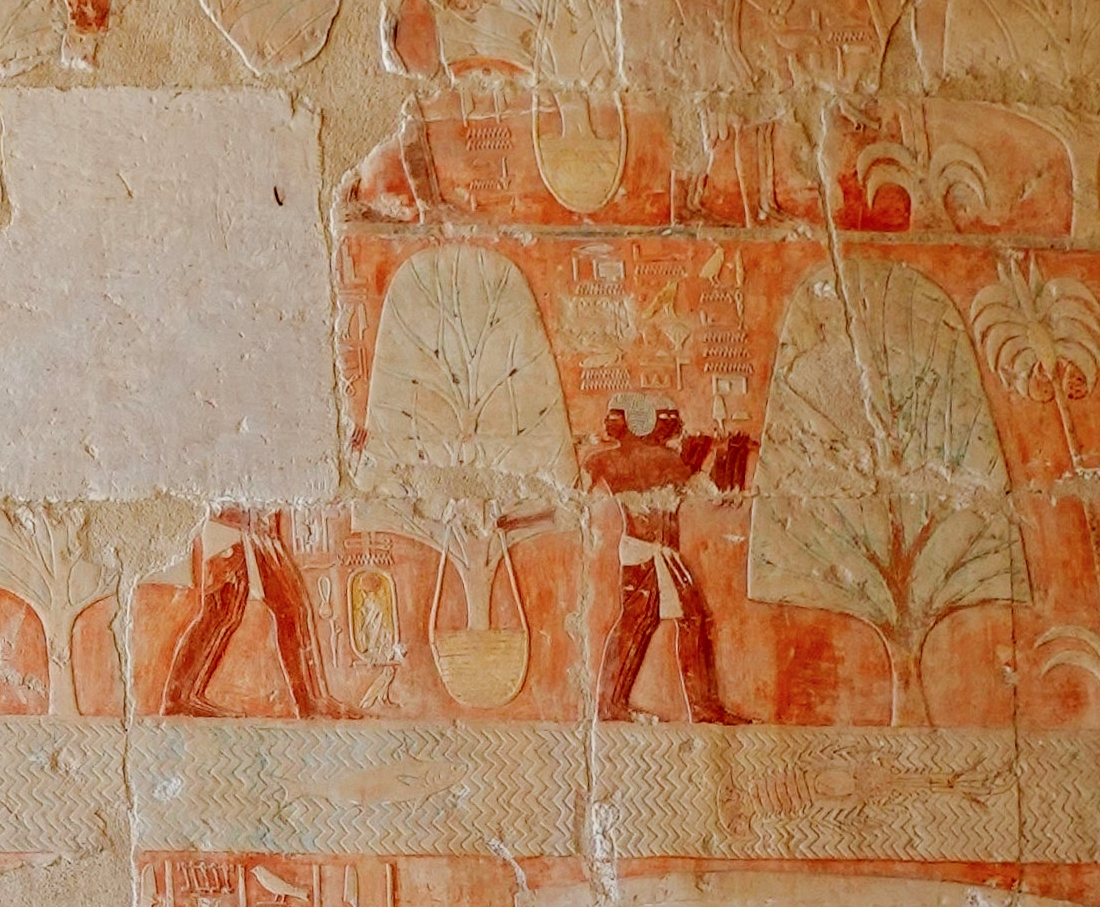
Punt Expedition Reliefs
Royal workshops of Hatshepsut · c. 1470 BCE
 Sculpture
Primary source
Sculpture Head Probably of Hatshepsut
 Sculpture
Primary source
Seated Statue of Hatshepsut
c. 1466 BCE
Ready when you are
Start chatting with Hatshepsut now.
20 messages free · No credit card · Available in 50+ languages.