


Primary sourceSculpturec. 1479-1457 BCE
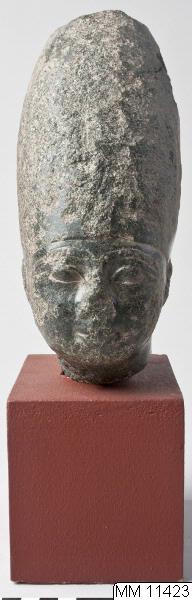
Head of Queen Hatshepsut (?)
c. 1479-1457 BCE
An ancient carved head that may represent either Hatshepsut or her stepson Thutmose III, held at the Cleveland Museum of Art.
This head may depict Hatshepsut, showing how closely her royal image resembled that of her co-ruler Thutmose III.
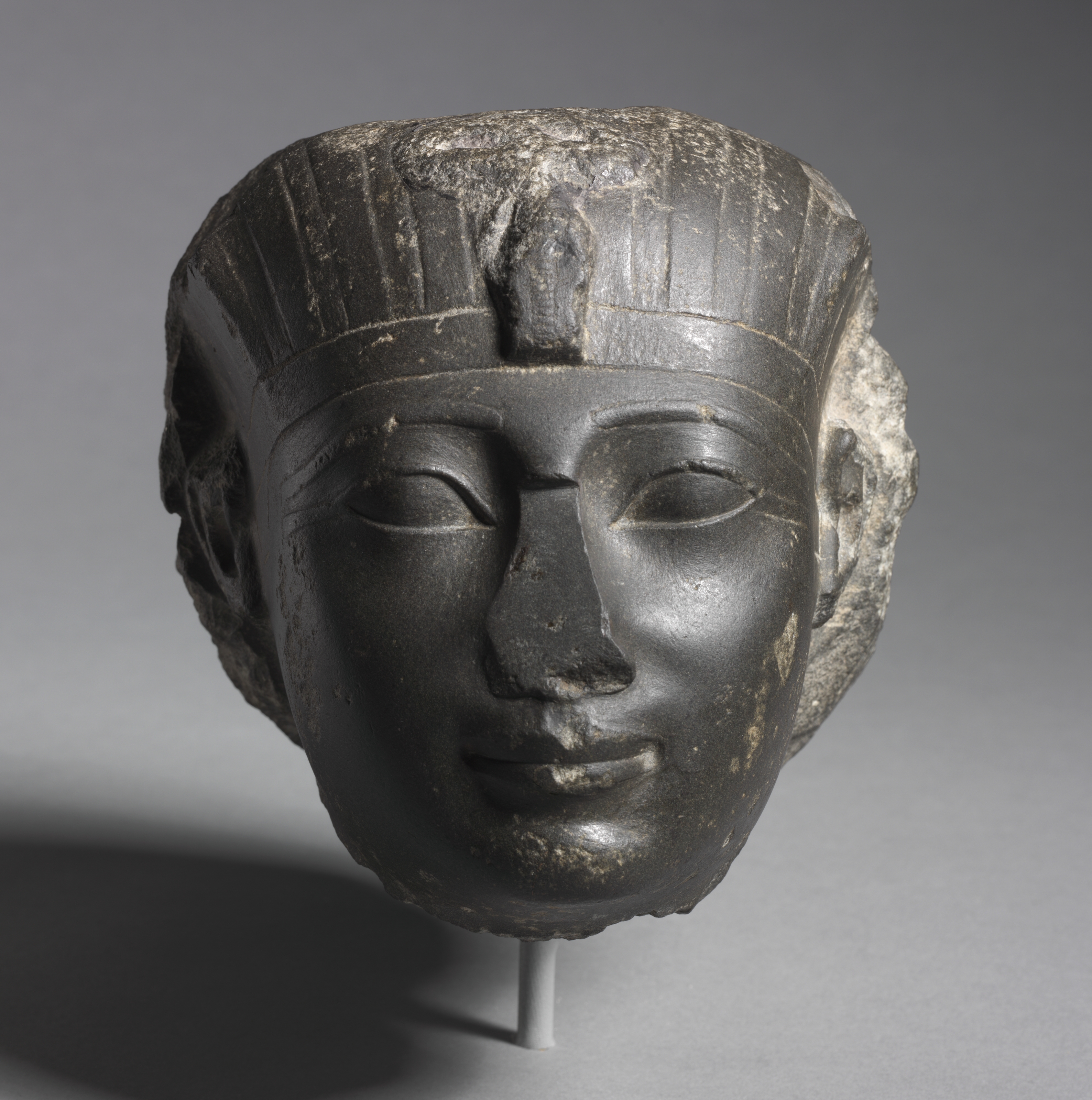
About this source
What it is
This carved stone head dates from the period when Hatshepsut ruled Egypt, first as regent and then as king alongside the young Thutmose III. The Cleveland Museum of Art notes it is uncertain whether the head shows Hatshepsut or Thutmose III, since their features are hard to tell apart.
Why it matters
The difficulty in identifying the head reveals something important: the same royal sculptors likely worked for both rulers, and inscriptions, not faces, often decided whose image was whose. This shows how Hatshepsut shaped her image to match standard pharaoh portraiture rather than depict herself uniquely.
Look closer
- Why might it be hard to tell apart the faces of two different rulers?
- What does this uncertainty tell us about how royal portraits were made in ancient Egypt?
- How might an inscription change the way we understand a sculpture like this?
This sculpture is part of the curated material that grounds the AI version of Hatshepsut on Humy.ai — when students ask about related events, the AI can quote it and cite it.
More Hatshepsut sources
Meet the AI Hatshepsut →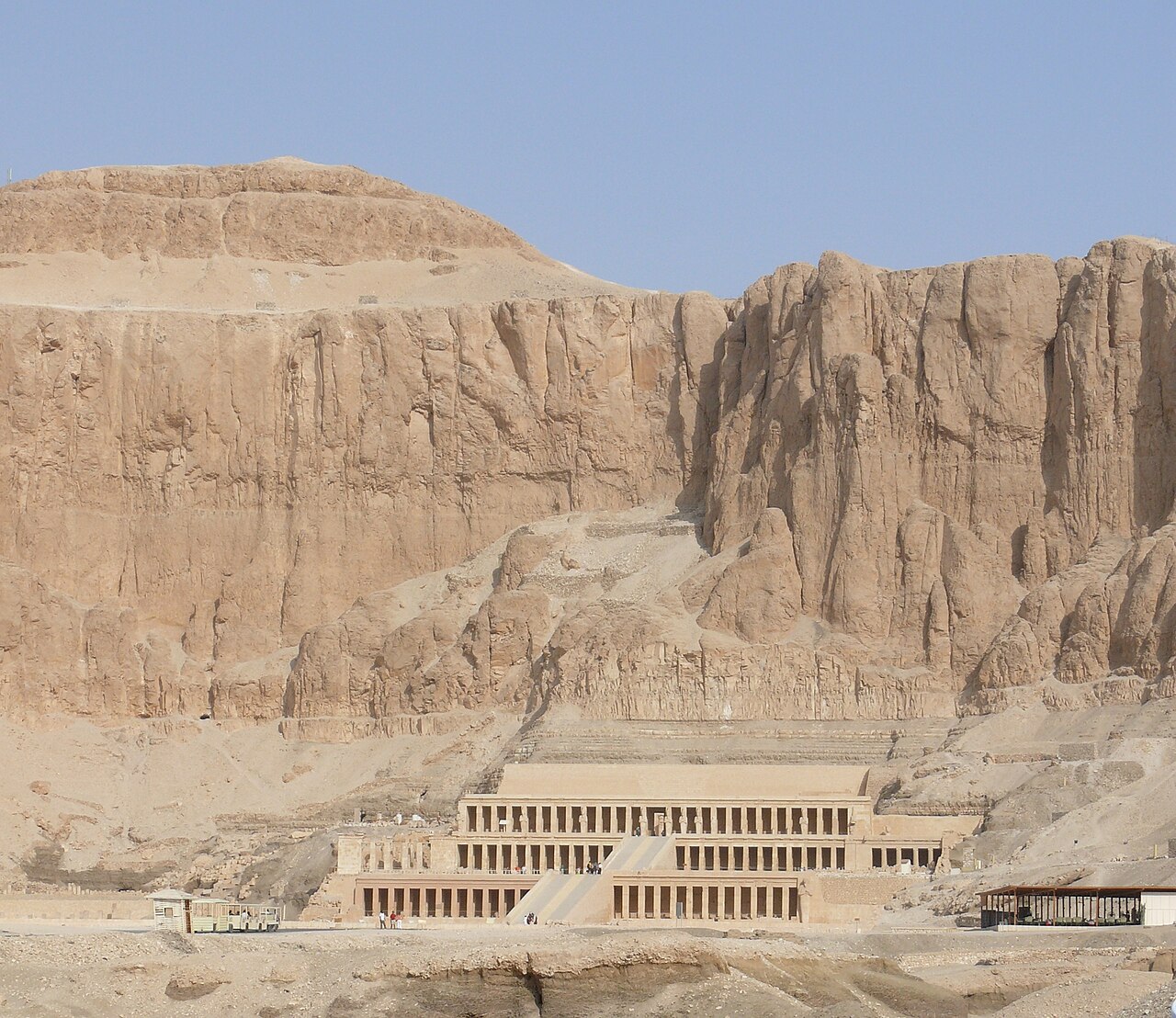 Artifact
Primary source
Mortuary Temple of Hatshepsut
Senenmut and/or Hapuseneb (attributed) · c. 1479–1458 BCE
 Photograph
Secondary source
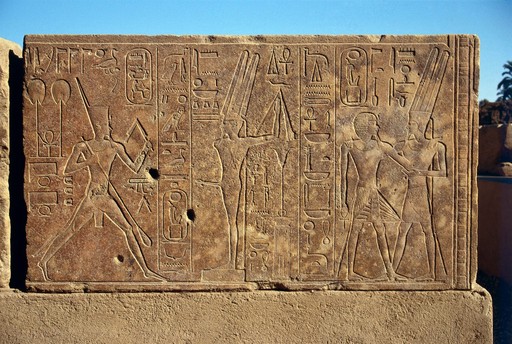
Hatshepsut Dancing Before Min, Karnak Relief
Carole Reeves · 1989
 Sculpture
Primary source
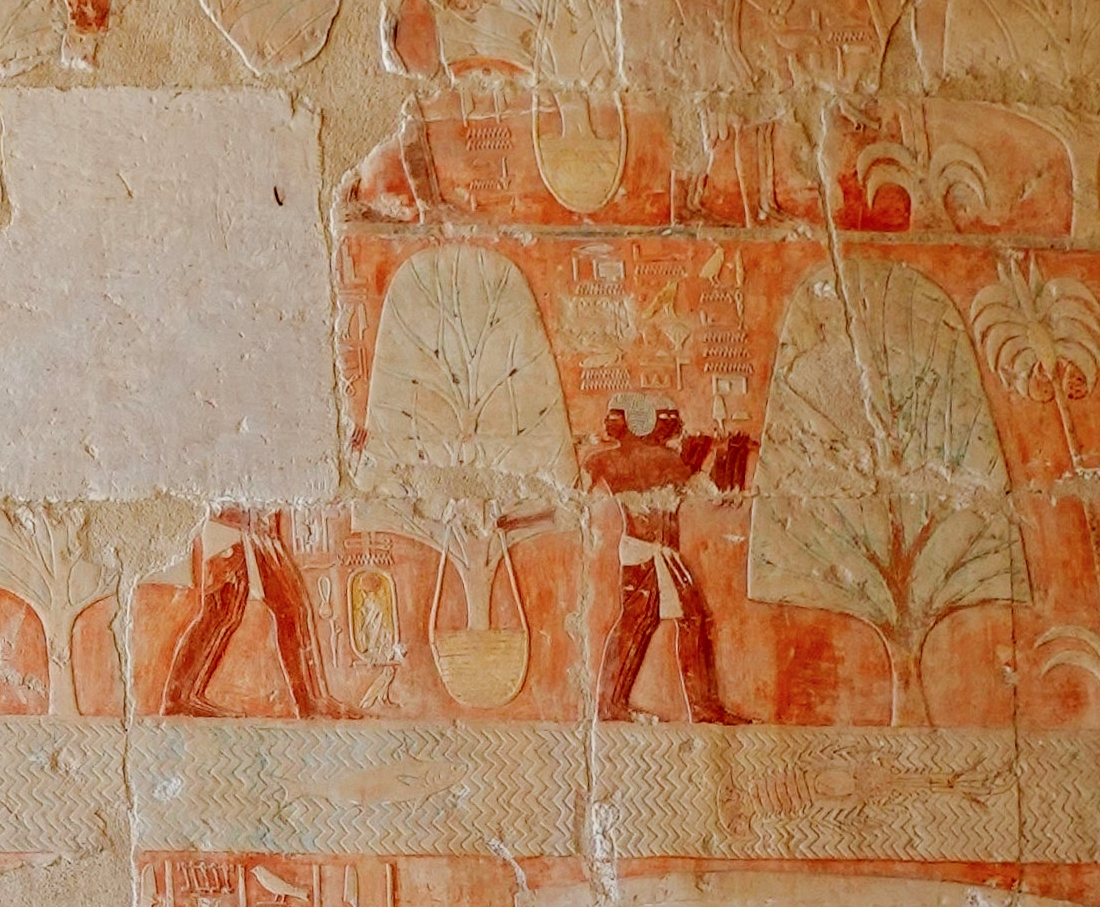
Punt Expedition Reliefs
Royal workshops of Hatshepsut · c. 1470 BCE
 Sculpture
Primary source
Sculpture Head Probably of Hatshepsut
 Sculpture
Primary source
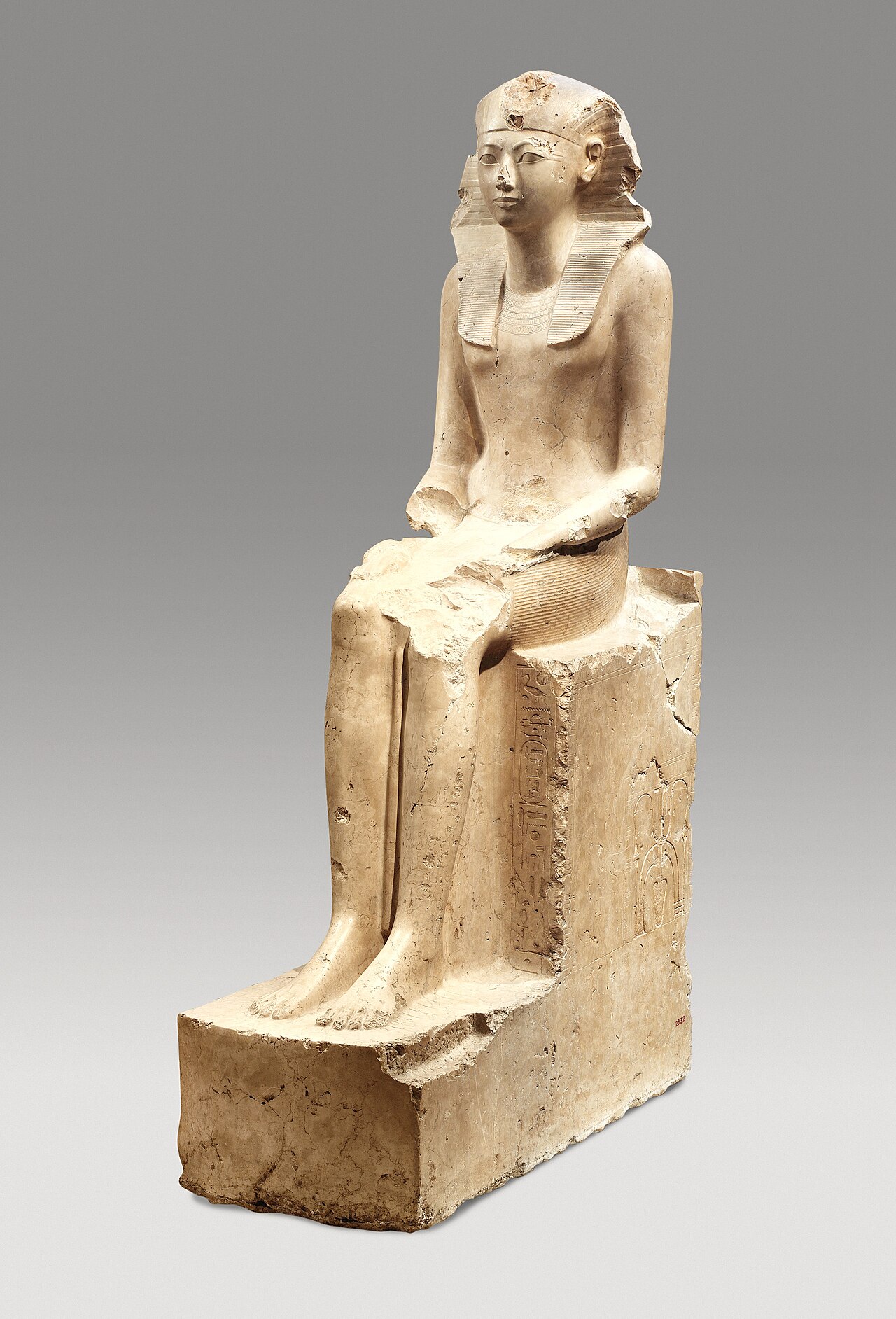
Seated Statue of Hatshepsut
c. 1466 BCE
Ready when you are
Start chatting with Hatshepsut now.
20 messages free · No credit card · Available in 50+ languages.