


Secondary sourceDocument5th-3rd century BCE (text); papyrus fragment 3rd century AD
Hippocratic Oath
Attributed to Hippocrates · 5th-3rd century BCE (text); papyrus fragment 3rd century AD
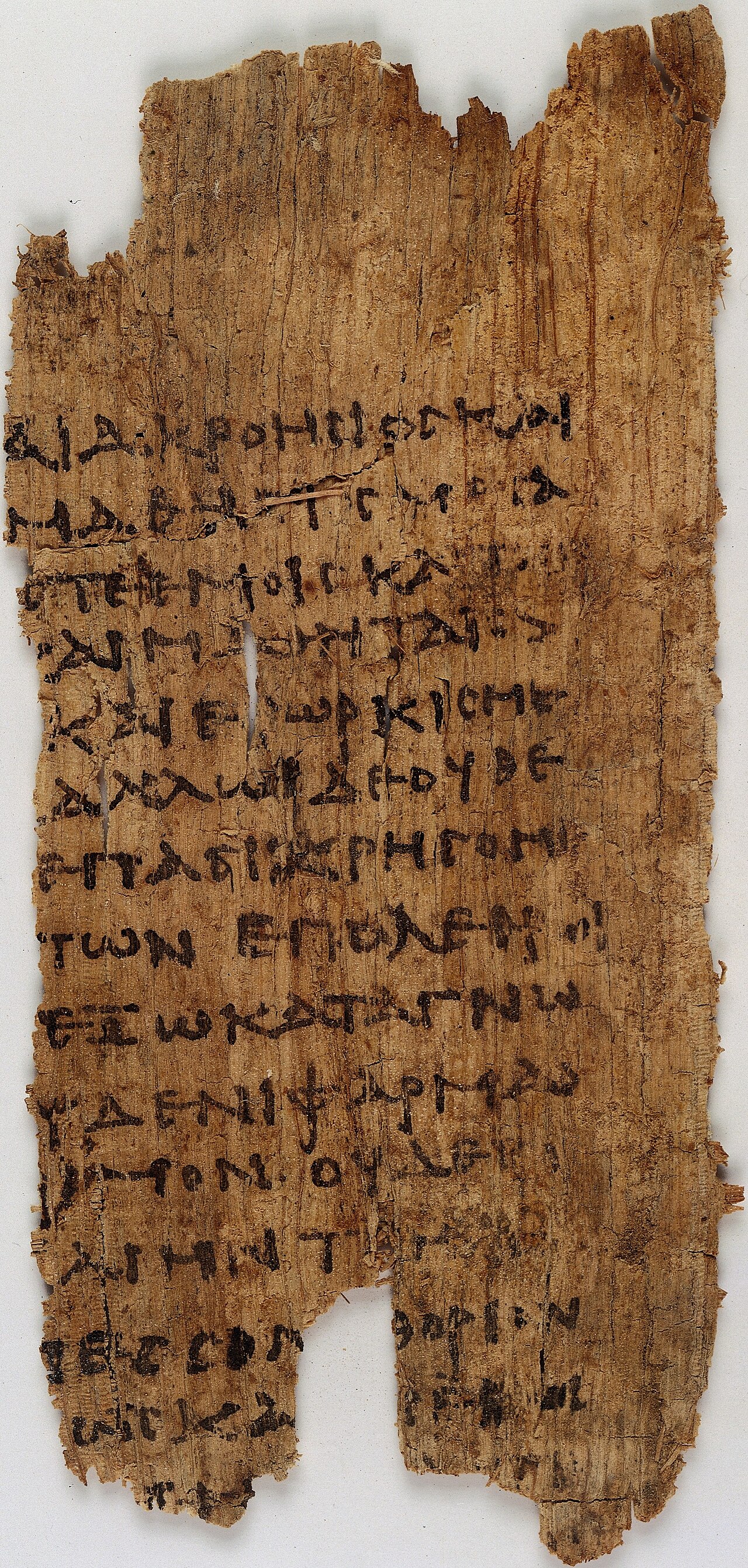
An ancient Greek oath of medical ethics traditionally attributed to Hippocrates, binding doctors to help patients, avoid harm and keep confidences.
The oath most closely associated with Hippocrates' name, symbolizing his legacy as founder of medical ethics.
Free Humy account · No credit card · 120,912 sources to read
About this source
What it is
The Hippocratic Oath is a text of medical ethics written in Ancient Greek, probably between the fifth and third centuries BC. It is traditionally linked to Hippocrates, though most modern scholars doubt he wrote it himself. The oldest surviving manuscript is medieval, but fragments on papyrus survive from as early as the third century AD.
Why it matters
The oath is the earliest Western statement of medical ethics, setting out duties such as confidentiality and avoiding harm to patients. Because it carries Hippocrates' name, it shaped how later doctors and societies imagined the ideal physician, even though its real author is unknown.
Its lines on euthanasia and abortion have been debated for centuries, showing how one short text could be read very differently by different generations.
Look closer
- Why might a text not written by Hippocrates still carry his name?
- What does the oath's religious language tell you about the world it came from?
- Which parts of the oath still matter to doctors today, and which do not?
This document is part of the curated material that grounds the AI version of Hippocrates on Humy.ai — when students ask about related events, the AI can quote it and cite it.
More Hippocrates sources
Browse all 91 →Secondary source
On the Sacred Disease
Attributed to Hippocrates · c. 400 BCE
Secondary source
Nature of Man
Attributed to Hippocrates or Polybus · Classical antiquity
Secondary source
Aphorisms
Attributed to Hippocrates · Classical antiquity
Secondary source
Air, Waters, and Places
Attributed to Hippocrates · Classical antiquity
Free account
Read every Hippocrates source
Sign up free →
Ready when you are
Start chatting with Hippocrates now.
20 messages free · No credit card · Available in 50+ languages.