


Secondary sourceBookClassical antiquity
Nature of Man
Attributed to Hippocrates or Polybus · Classical antiquity
A Hippocratic treatise setting out the theory of the four humours that shaped medicine for centuries.
A foundational text of the humoral theory long credited to Hippocrates.
Free Humy account · No credit card · 120,912 sources to read
About this source
What it is
Nature of Man is a work from the Hippocratic Corpus. Ancient tradition sometimes attributes it to Hippocrates' son-in-law Polybus rather than Hippocrates himself, showing how uncertain authorship within the Corpus can be.
Why it matters
The text lays out the theory of the four humours—blood, phlegm, yellow bile and black bile—which dominated Western medical thinking until the seventeenth century. It shows how ancient physicians tried to build a consistent theory of the body's workings, even without modern anatomy or chemistry.
Its lasting influence illustrates how ideas linked to the name Hippocrates shaped medicine long after his lifetime.
Look closer
- Why might the author argue against other thinkers' explanations of human nature at the start of the text?
- How did the four humours theory try to explain both health and disease?
- What does the uncertainty over authorship tell you about how ancient texts were passed down?
This book is part of the curated material that grounds the AI version of Hippocrates on Humy.ai — when students ask about related events, the AI can quote it and cite it.
More Hippocrates sources
Browse all 91 →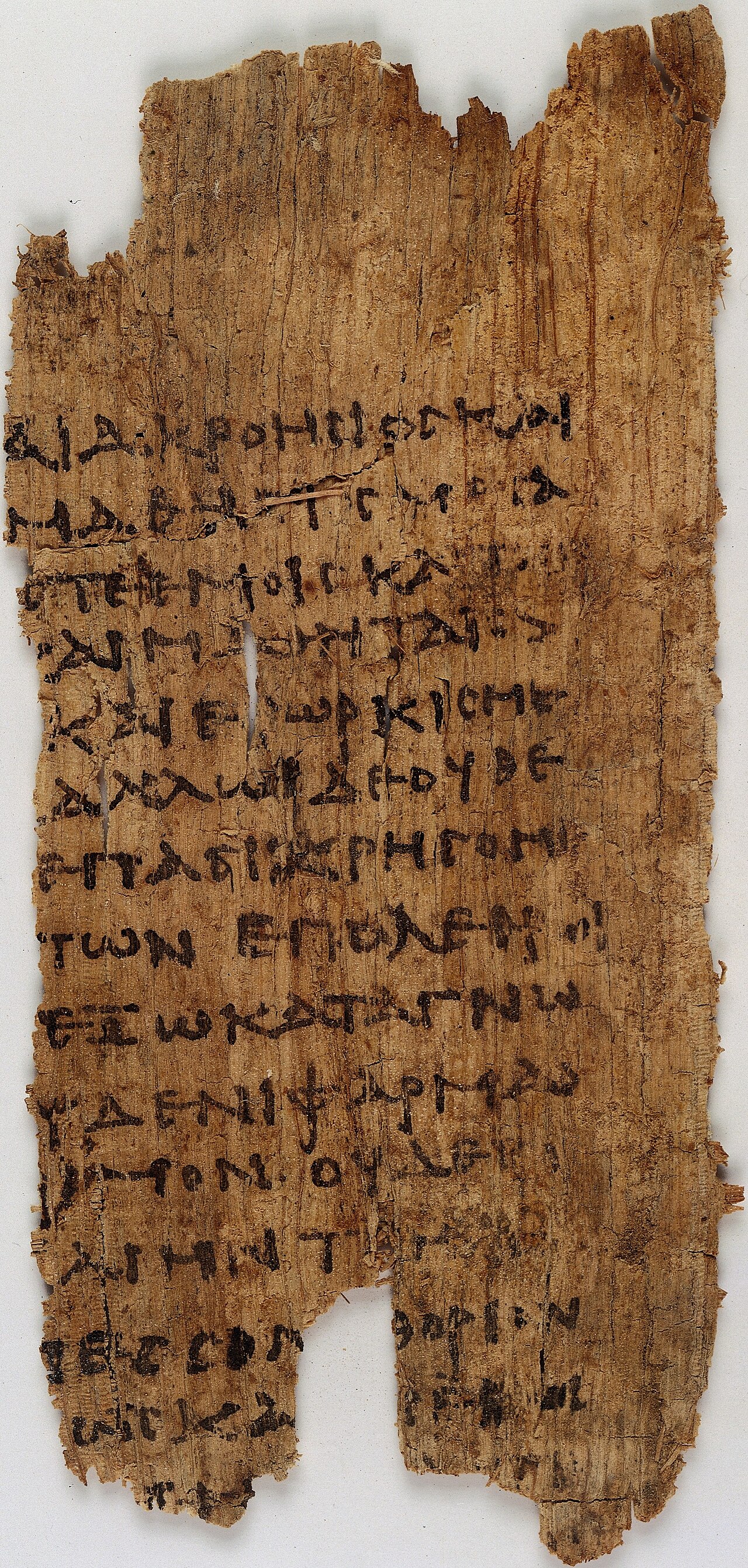 Document
Secondary source
Hippocratic Oath
Attributed to Hippocrates · 5th-3rd century BCE (text); papyrus fragment 3rd century AD
Secondary source
On the Sacred Disease
Attributed to Hippocrates · c. 400 BCE
Secondary source
Aphorisms
Attributed to Hippocrates · Classical antiquity
Secondary source
Air, Waters, and Places
Attributed to Hippocrates · Classical antiquity

Free account
Read every Hippocrates source
Sign up free →
Ready when you are
Start chatting with Hippocrates now.
20 messages free · No credit card · Available in 50+ languages.