


Secondary sourceBookc. 400 BCE
On the Sacred Disease
Attributed to Hippocrates · c. 400 BCE
A treatise attributed to Hippocrates arguing that epilepsy has a natural, bodily cause rather than a divine one.
A key work attributed to Hippocrates showing his naturalistic approach to disease.
Free Humy account · No credit card · 120,912 sources to read
About this source
What it is
On the Sacred Disease is a work of the Hippocratic Corpus, written around 400 BC and attributed to Hippocrates. It discusses epilepsy, describing its symptoms and arguing that it comes from the brain rather than from the gods.
Why it matters
This text marks a major shift from supernatural to natural explanations of disease, a turning point often credited to Hippocrates and his followers. It describes the brain's anatomy as understood at the time and argues that the brain governs the body, an early statement of what later became a lasting idea in medicine.
The work also reveals how ancient doctors used observation and even animal dissection to challenge common religious beliefs about illness.
Look closer
- What evidence does the author use to argue against a divine cause for epilepsy?
- How does this text compare to how people thought about illness in its time?
- What does the treatment of young children versus the elderly tell you about Hippocratic theory?
This book is part of the curated material that grounds the AI version of Hippocrates on Humy.ai — when students ask about related events, the AI can quote it and cite it.
More Hippocrates sources
Browse all 91 →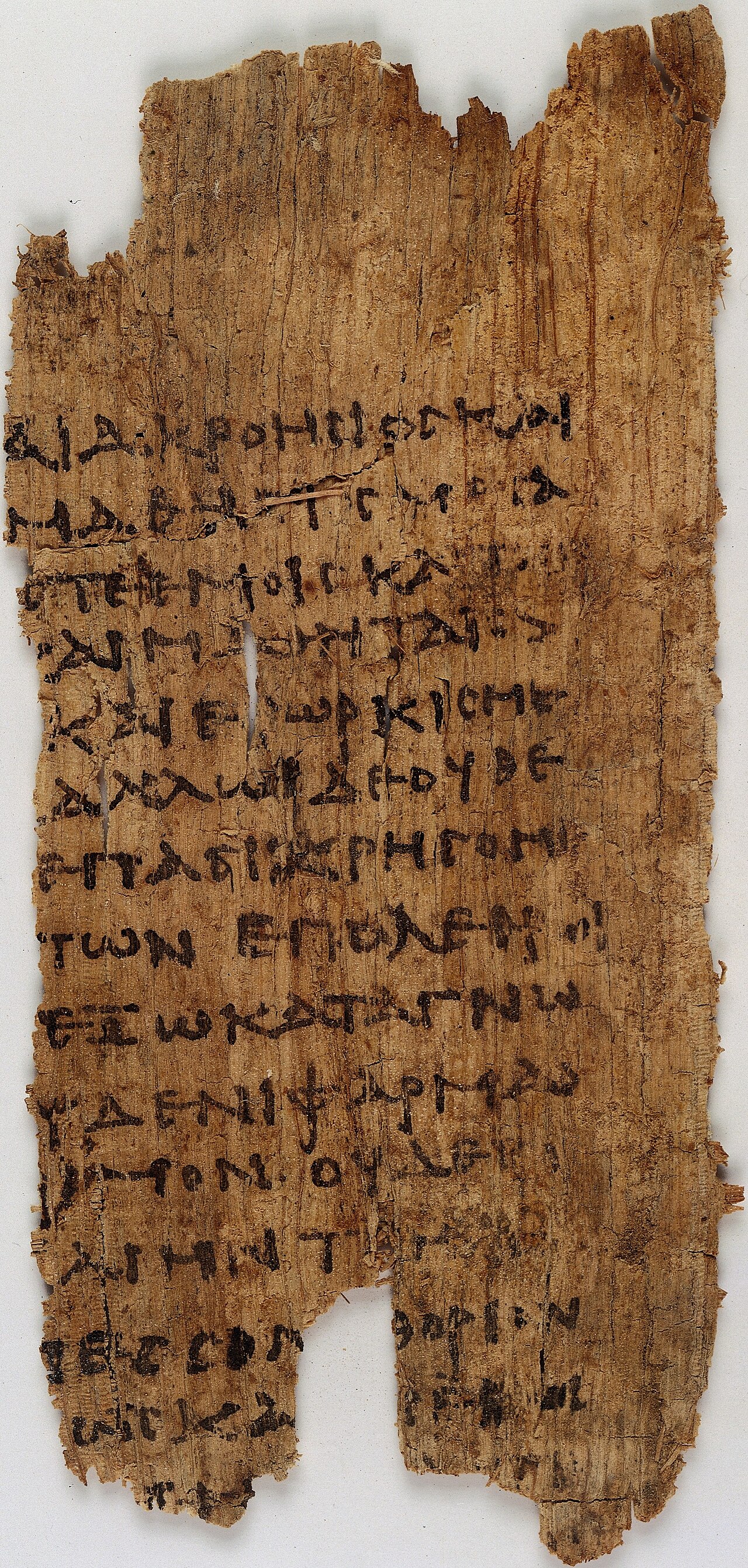 Document
Secondary source
Hippocratic Oath
Attributed to Hippocrates · 5th-3rd century BCE (text); papyrus fragment 3rd century AD
Secondary source
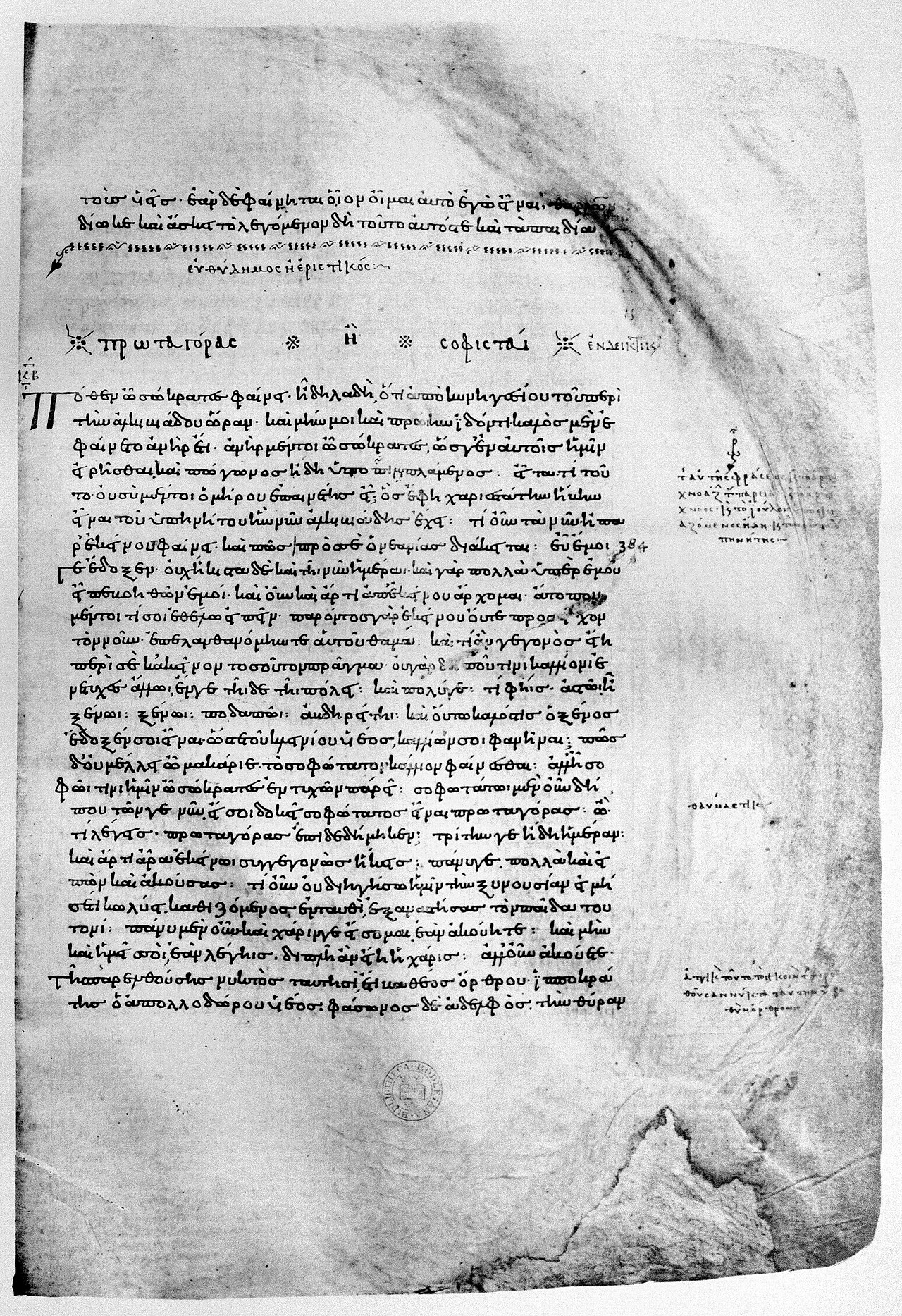
Nature of Man
Attributed to Hippocrates or Polybus · Classical antiquity
Secondary source
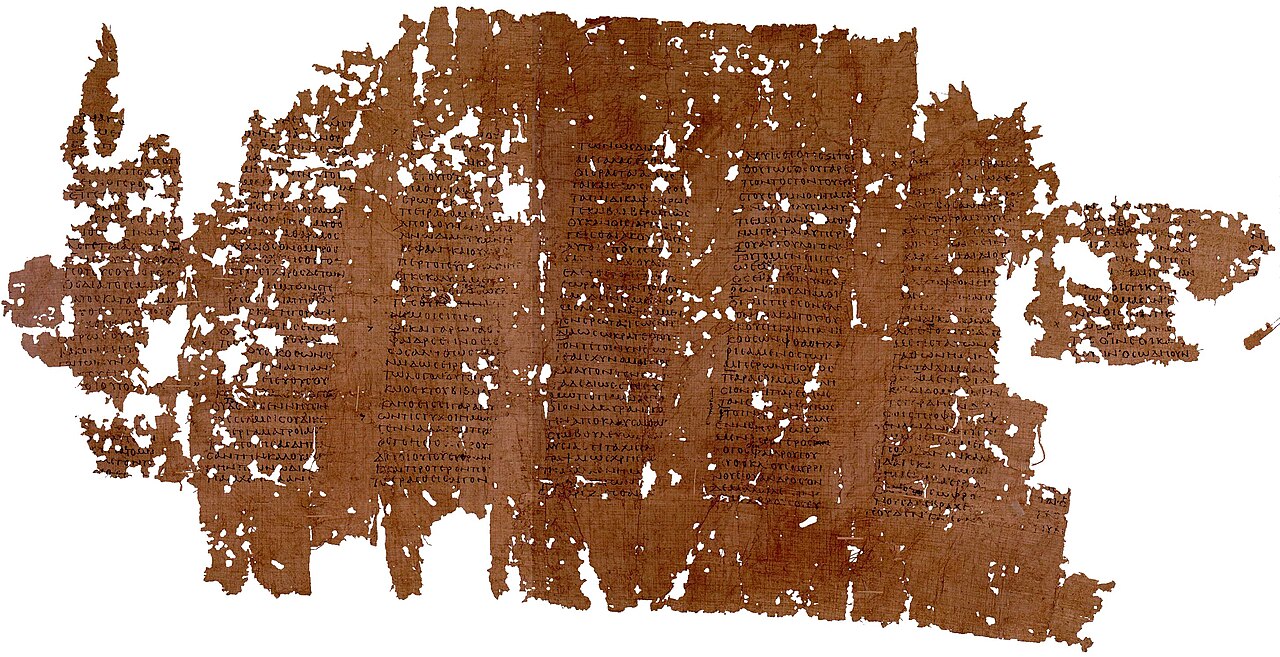
Aphorisms
Attributed to Hippocrates · Classical antiquity
Secondary source
Air, Waters, and Places
Attributed to Hippocrates · Classical antiquity

Free account
Read every Hippocrates source
Sign up free →
Ready when you are
Start chatting with Hippocrates now.
20 messages free · No credit card · Available in 50+ languages.