


Primary sourceBook1623
Historia Vitae et Mortis
Francis Bacon · 1623
Bacon's 1623 natural history of ageing and longevity, applying his method of scientific inquiry to medicine.
Written by Bacon, this treatise demonstrates his scientific method applied to medicine and ageing.

About this source
What it is
A Latin treatise titled Historia Vitae et Mortis ('History of Life and Death'), written by Francis Bacon in 1623. It studies ageing and the causes of death as part of his wider project to reform natural philosophy.
The cover image shown is a later bound library copy, not an original 1623 printing.
Why it matters
This work is a practical example of Bacon's method of careful observation and classification applied to a real problem—human health and longevity. It shows how he tried to turn philosophy into a tool for useful knowledge.
Look closer
- Why might Bacon have chosen life and death as a subject to study scientifically?
- What does this work suggest about his larger goals for science?
- What is missing from the cover image that would help you understand the actual content?
This book is part of the curated material that grounds the AI version of Francis Bacon on Humy.ai — when students ask about related events, the AI can quote it and cite it.
More Francis Bacon sources
Meet the AI Francis Bacon →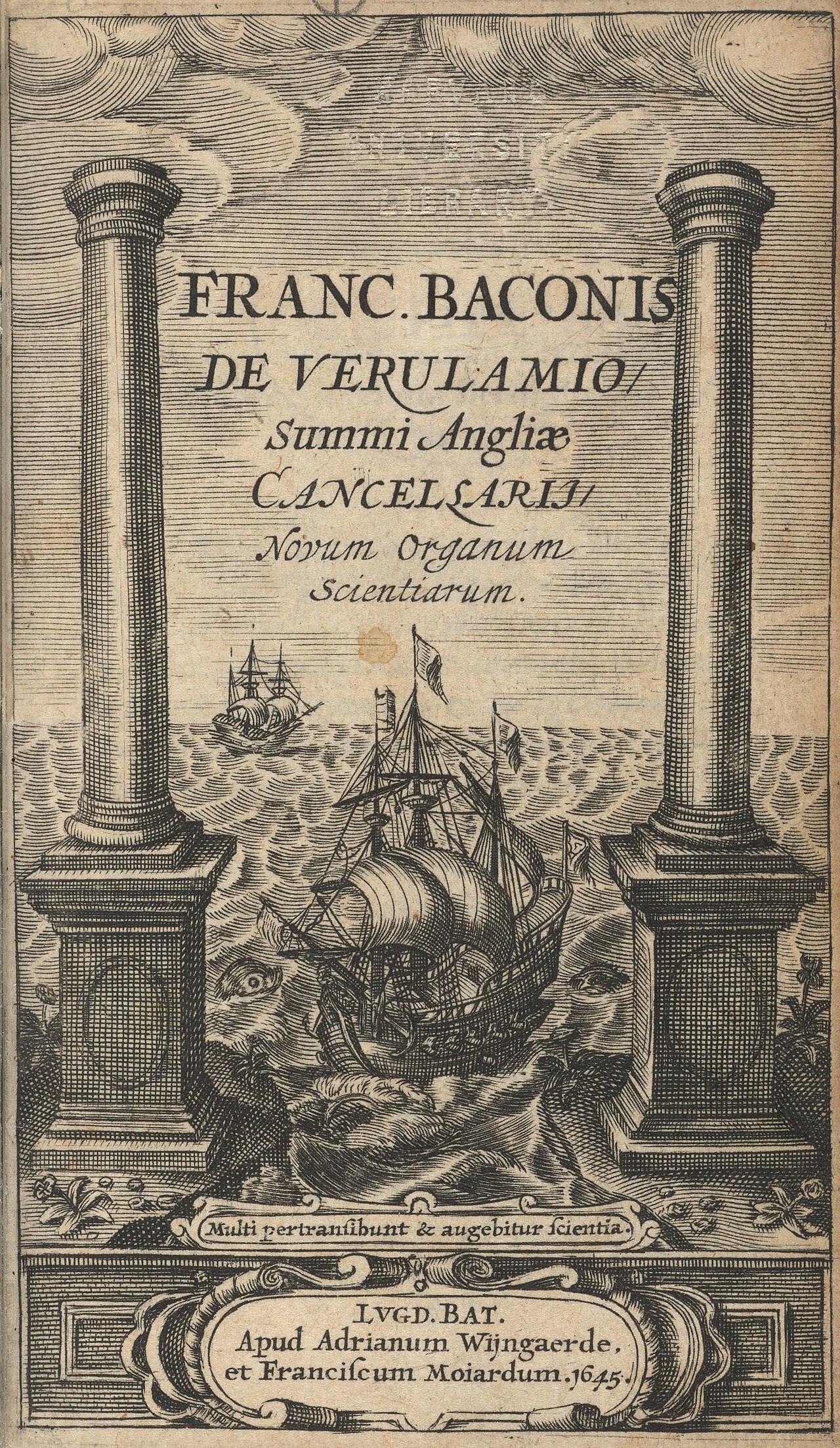 Book
Primary source
Novum Organum
Francis Bacon · 1620
 Painting
Secondary source
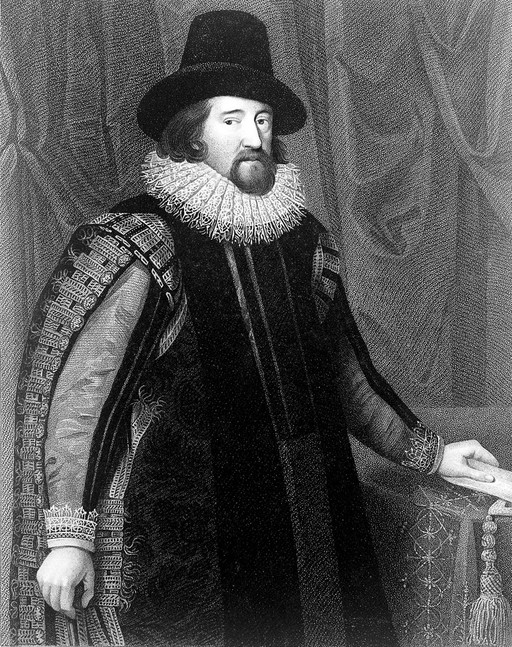
Portrait Engraving of Francis Bacon, Proof Impression
 Book
Primary source
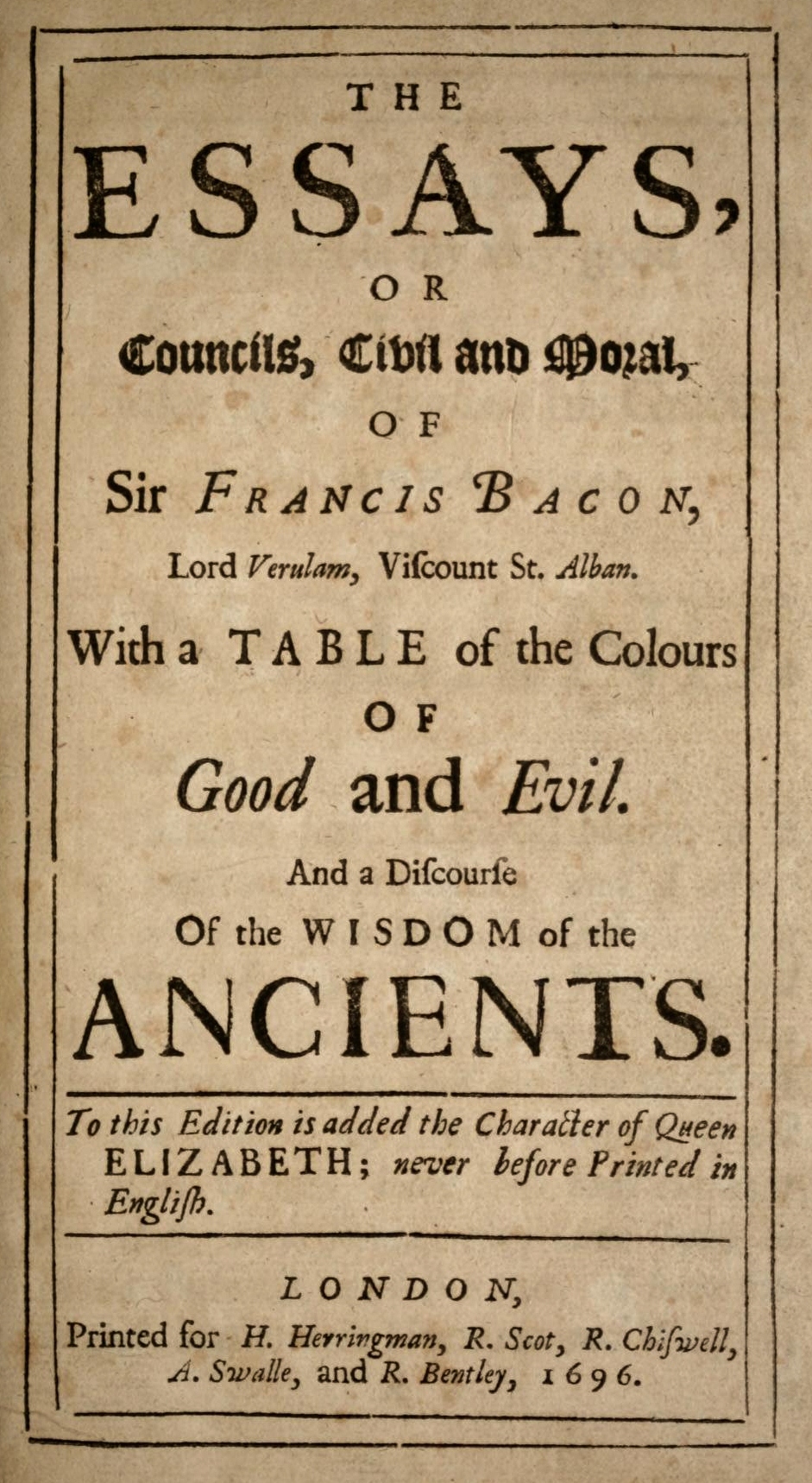
Essays
Francis Bacon · 1597
 Painting
Secondary source
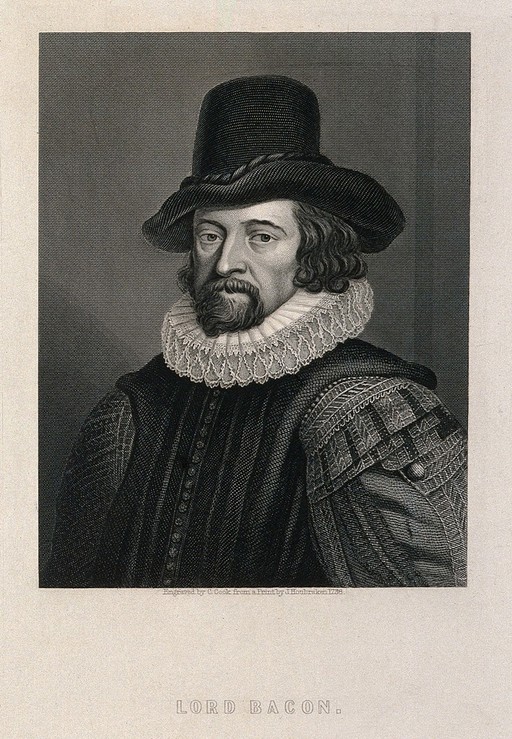
Francis Bacon, Engraving by C. Cook after Houbraken
C. Cook after Jacobus Houbraken · 1738
 Book
Primary source
New Atlantis
Francis Bacon · 1627
Ready when you are
Start chatting with Francis Bacon now.
20 messages free · No credit card · Available in 50+ languages.