


Secondary sourceArtifactmedieval
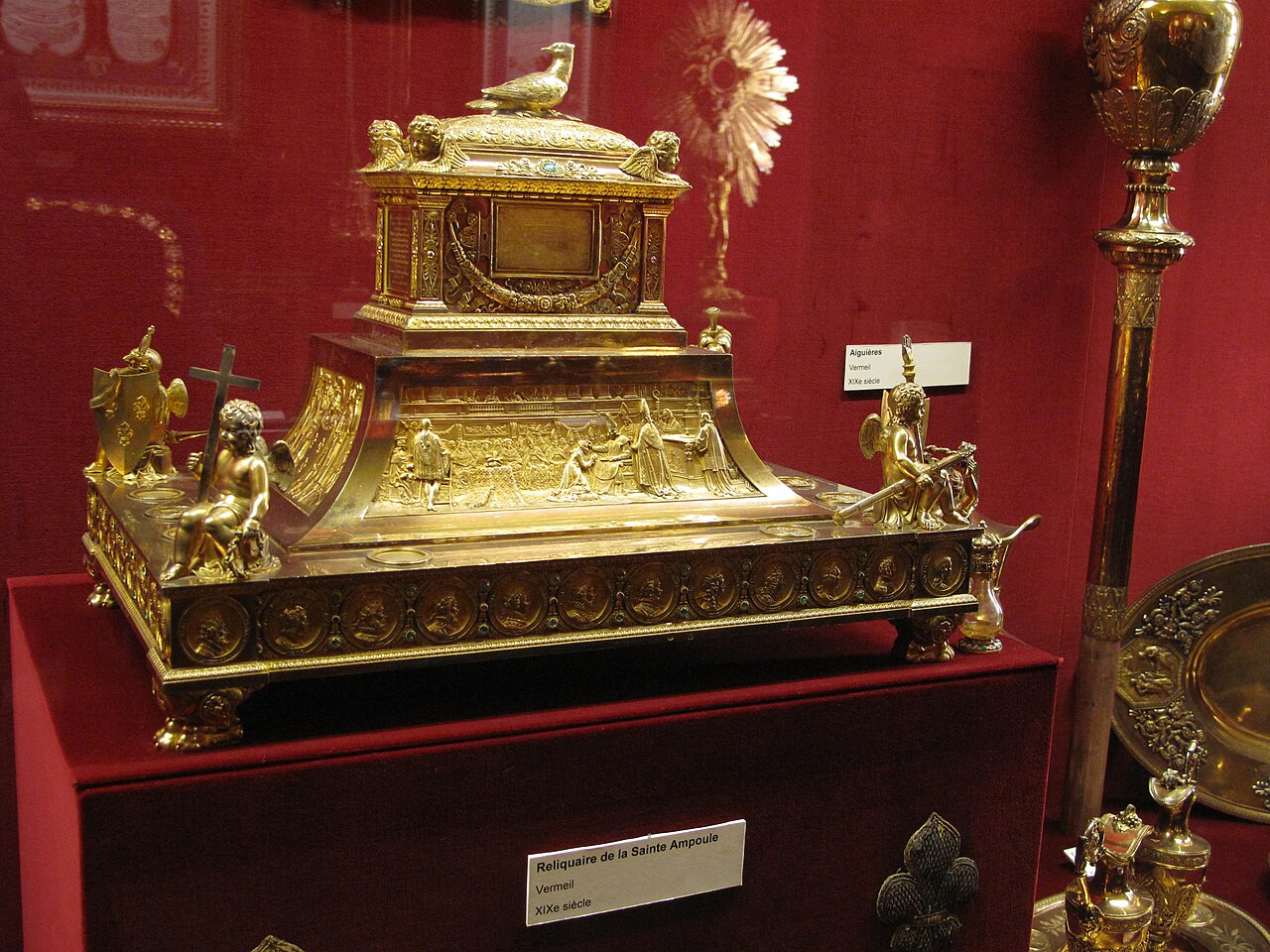
Holy Ampulla
medieval
A medieval vial of chrism said to have been used to anoint Clovis at his baptism, later used to anoint French kings until destroyed in 1793.
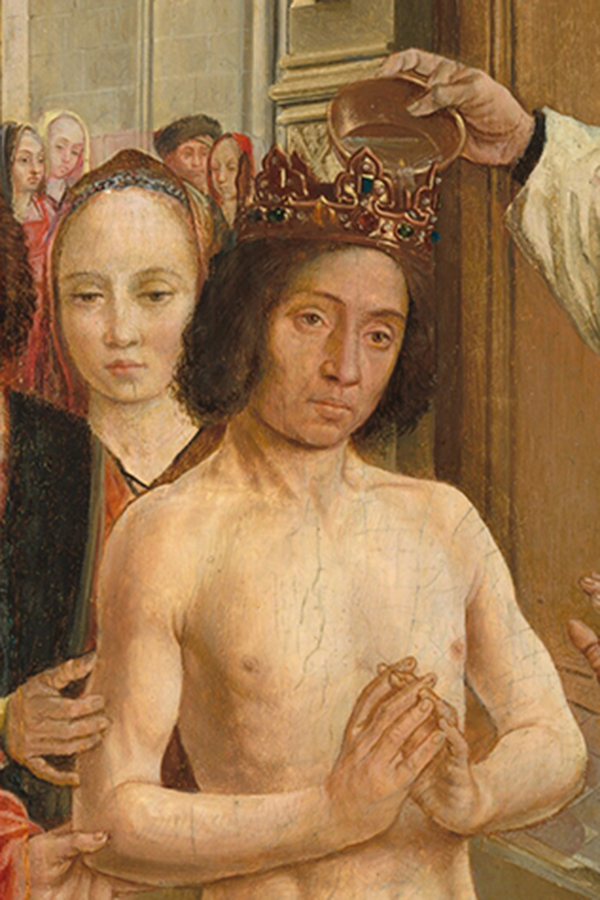
This vial was said to hold the oil used at Clovis's baptism, a legend that linked all later French kings to him.
Free Humy account · No credit card · 120,912 sources to read
About this source
What it is
The Holy Ampulla, or Sainte Ampoule, was a vial of holy oil (chrism) traditionally said to have been brought from heaven for the baptism of Clovis I. It was used for centuries afterward to anoint French kings at their coronations in Reims. The original vial was smashed during the French Revolution in 1793, but a fragment survives and is kept at the Palace of Tau in Reims, where this reliquary is preserved.
Why it matters
This object shows how Clovis's baptism became a founding legend of French kingship, linking later monarchs' authority back to him through a supposedly miraculous oil. Its destruction in 1793 reflects how revolutionaries attacked royal and religious symbols tied to the old monarchy.
Look closer
- Why would French kings want to connect their coronations to Clovis's baptism?
- What does the destruction of the ampulla in 1793 tell you about the French Revolution's attitude to monarchy?
- How does a legend like this help give a king's rule legitimacy?
This artifact is part of the curated material that grounds the AI version of Clovis I on Humy.ai — when students ask about related events, the AI can quote it and cite it.
More Clovis I sources
Browse all 97 →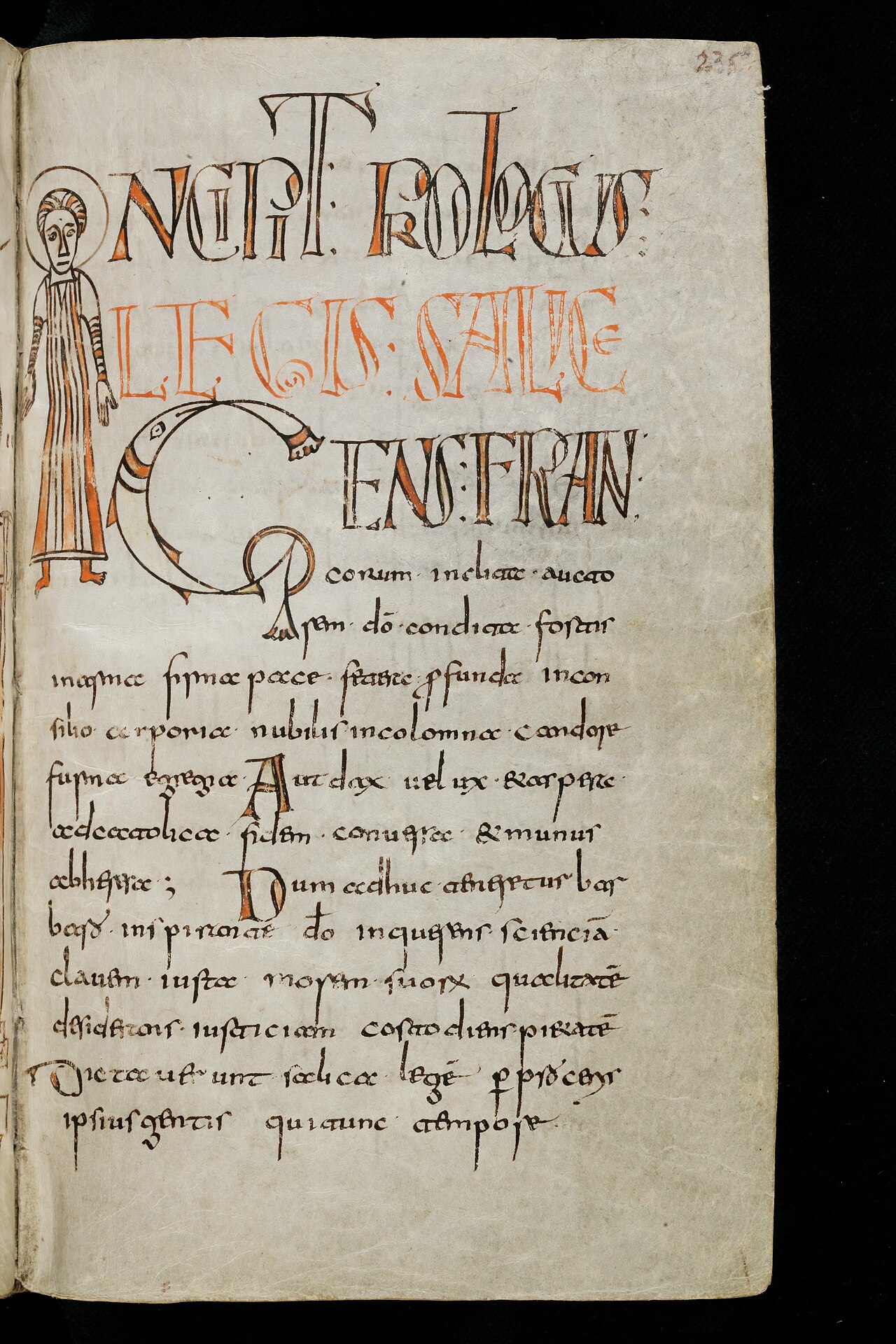 Document
Primary source
Salic Law
c. 500
 Sculpture
Secondary source
Tomb of Clovis I
13th century
 Artifact
Primary source
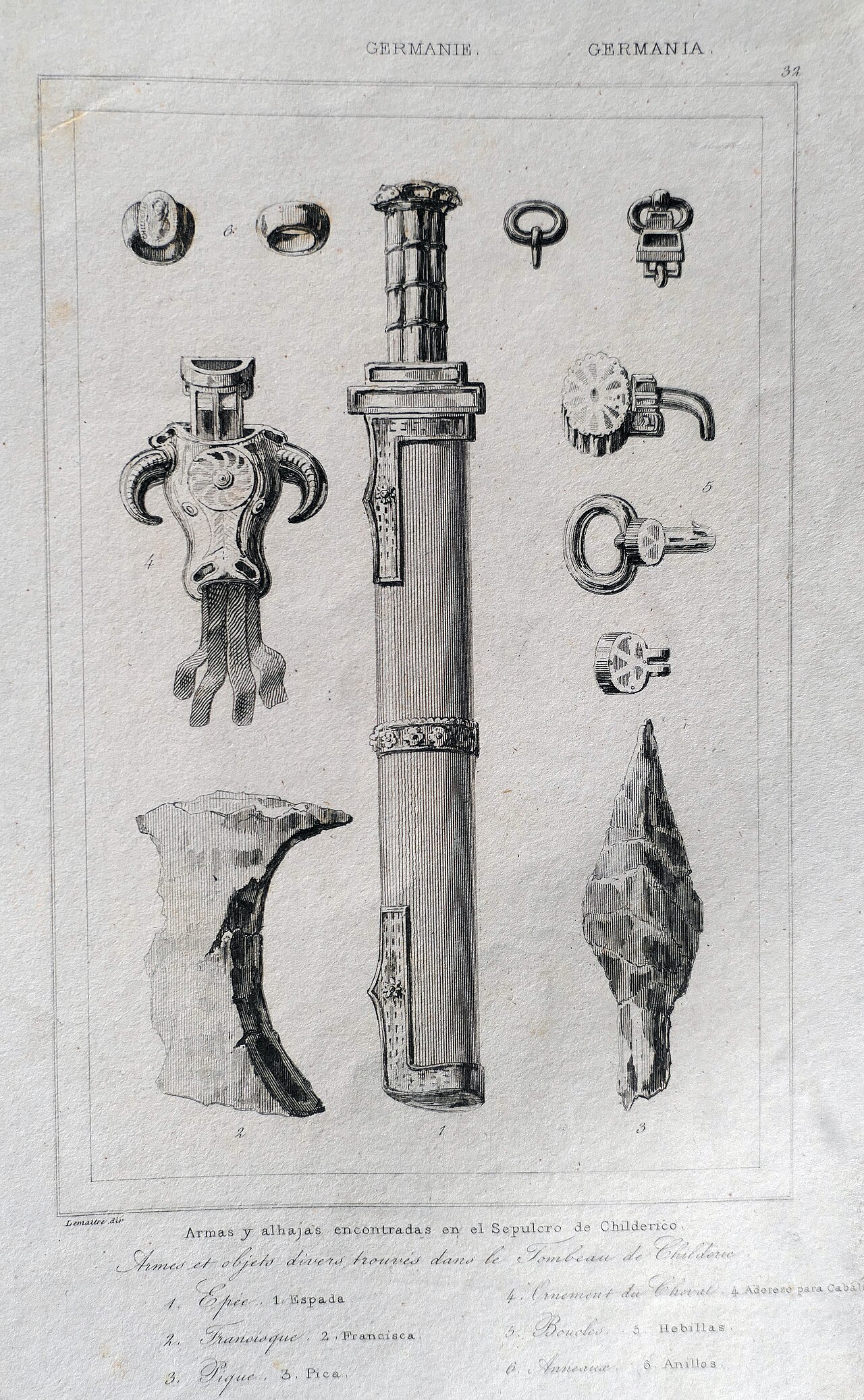
Tomb Treasure of Childeric I
c. 481
 Sculpture
Secondary source
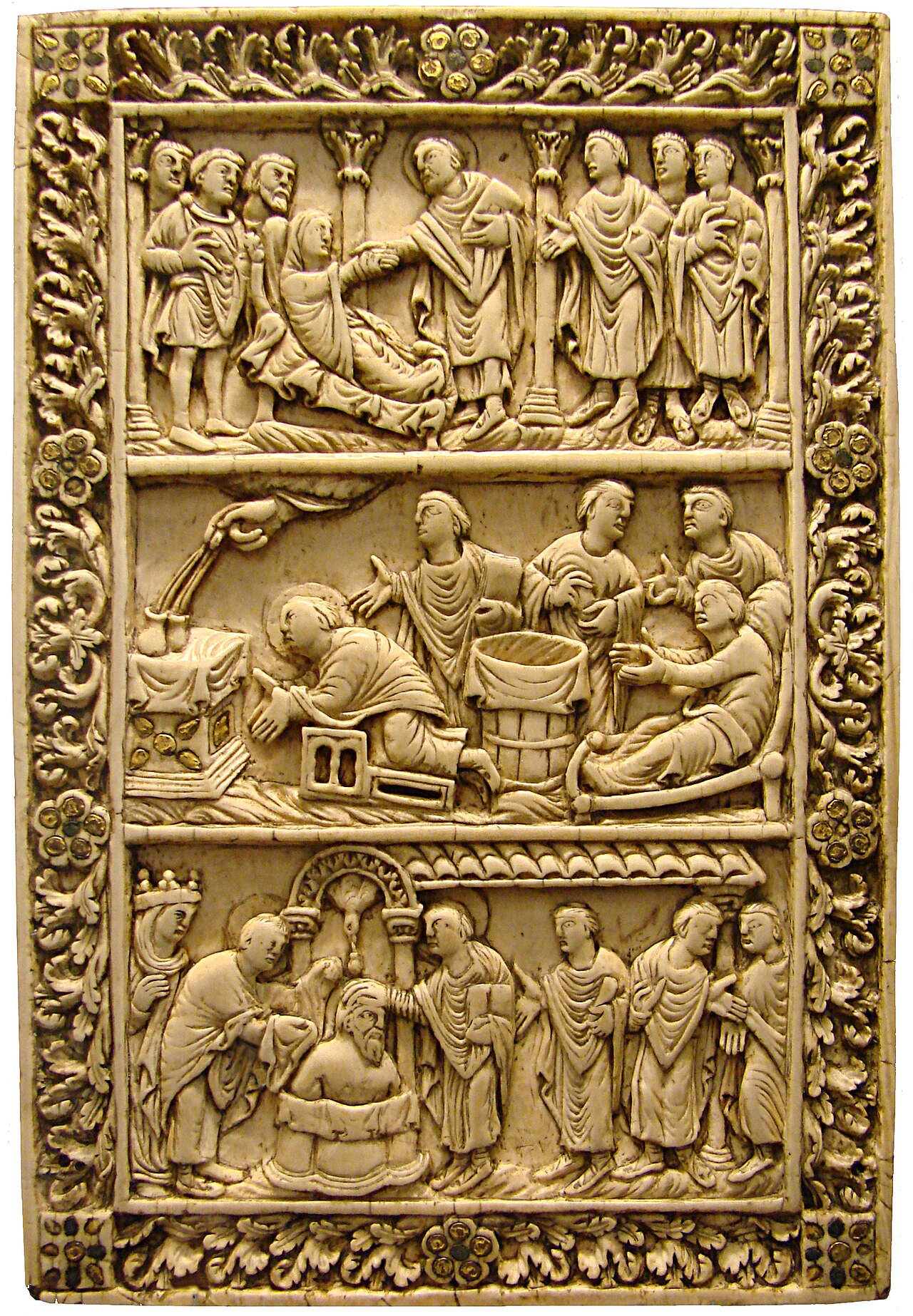
Ivory Plaque with the Baptism of Clovis
Reims workshop · c. 870

Free account
Read every Clovis I source
Sign up free →
Ready when you are
Start chatting with Clovis I now.
20 messages free · No credit card · Available in 50+ languages.