


Secondary sourceSculpture13th century
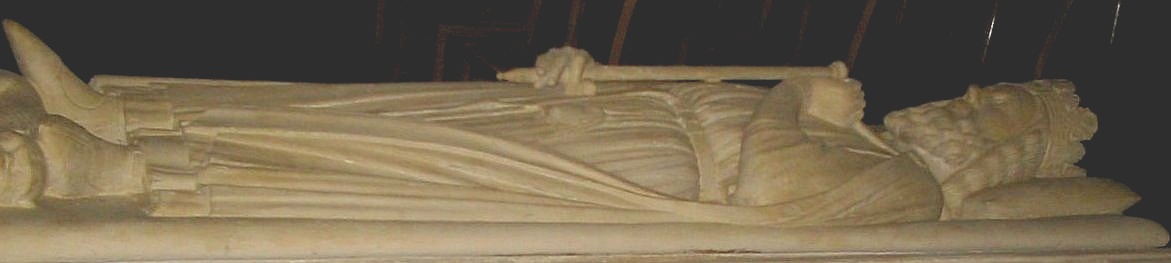
Tomb of Clovis I
13th century
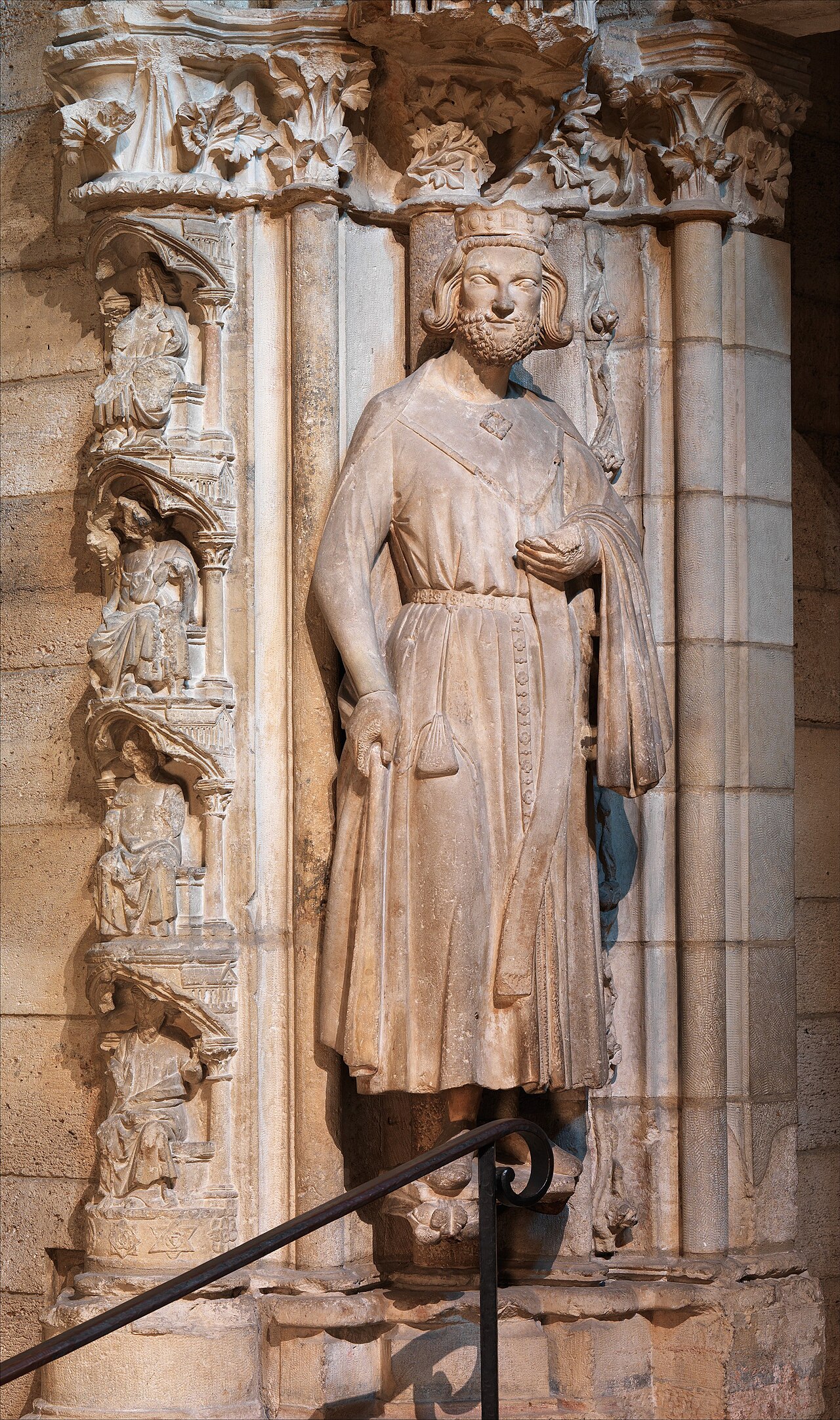
A 13th-century stone effigy of Clovis I, brought from the abbey of Sainte-Geneviève, the church he founded as his burial place.
This tomb effigy commemorates Clovis as founder of the abbey where he was buried and of the French royal line.
About this source
What it is
This is a recumbent tomb effigy of Clovis I, carved in the 13th century and originally placed in the abbey of Sainte-Geneviève in Paris, the church Clovis had founded to serve as his burial site. The effigy was brought elsewhere after the abbey was destroyed.
Why it matters
The tomb reflects how medieval France remembered Clovis centuries after his death: as the founder of the French monarchy and its royal line. Monuments like this were not made during his lifetime but shaped later generations' image of him as a foundational king.
Look closer
- Why might it matter to later kings that Clovis was honoured with a grand tomb?
- What does the style of the effigy tell you about how medieval people imagined kings?
- Since this was made centuries after Clovis died, how reliable is it as evidence of what he actually looked like?
This sculpture is part of the curated material that grounds the AI version of Clovis I on Humy.ai — when students ask about related events, the AI can quote it and cite it.
More Clovis I sources
Browse all 97 →
Ready when you are
Start chatting with Clovis I now.
20 messages free · No credit card · Available in 50+ languages.