


Primary sourceDocumentc. 500
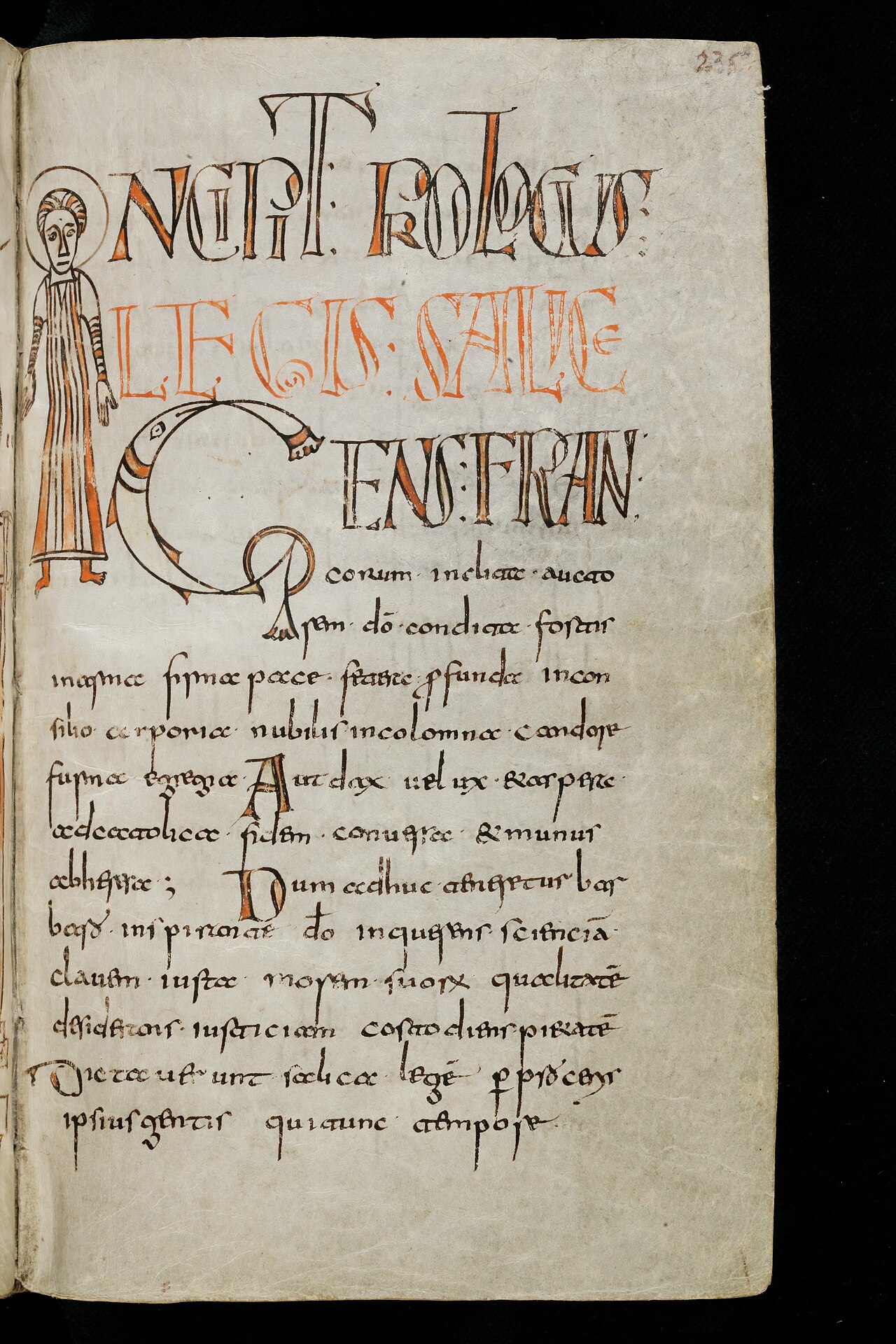
Salic Law
c. 500
A Frankish law code compiled around 500 under Clovis I, covering everything from theft of pigs to court summonses.
Clovis commissioned this law code, showing his role as the first lawgiving king of a unified Frankish people.
Free Humy account · No credit card · 120,288 sources to read
About this source
What it is
The Salic Law is a body of Frankish law written in Late Latin, traditionally said to have been commissioned by Clovis I, first king of the Franks, and published around 500 AD. Clovis appointed commissioners to gather customary law that had until then only been remembered and passed down orally. Dozens of manuscripts survive from the 6th to 9th centuries, copied and revised by hand over centuries, including later versions amended under Pepin the Short and Charlemagne. Several manuscripts are held today by the Bibliothèque nationale de France.
Why it matters
This code shows how Frankish kings turned unwritten custom into written law to govern more effectively. Its rules, such as fixed fines for crimes like theft or failure to appear in court, reveal the values and daily concerns of Frankish society. Its principle excluding women from certain inheritance later influenced royal succession law in parts of Europe for centuries.
Look closer
- Why might a king want laws written down instead of remembered by elders?
- What do the fines for stealing pigs or missing a summons tell you about Frankish life?
- Why do you think later kings kept changing and copying this text?
This document is part of the curated material that grounds the AI version of Clovis I on Humy.ai — when students ask about related events, the AI can quote it and cite it.
More Clovis I sources
Browse all 97 → Sculpture
Secondary source
Tomb of Clovis I
13th century
 Artifact
Primary source
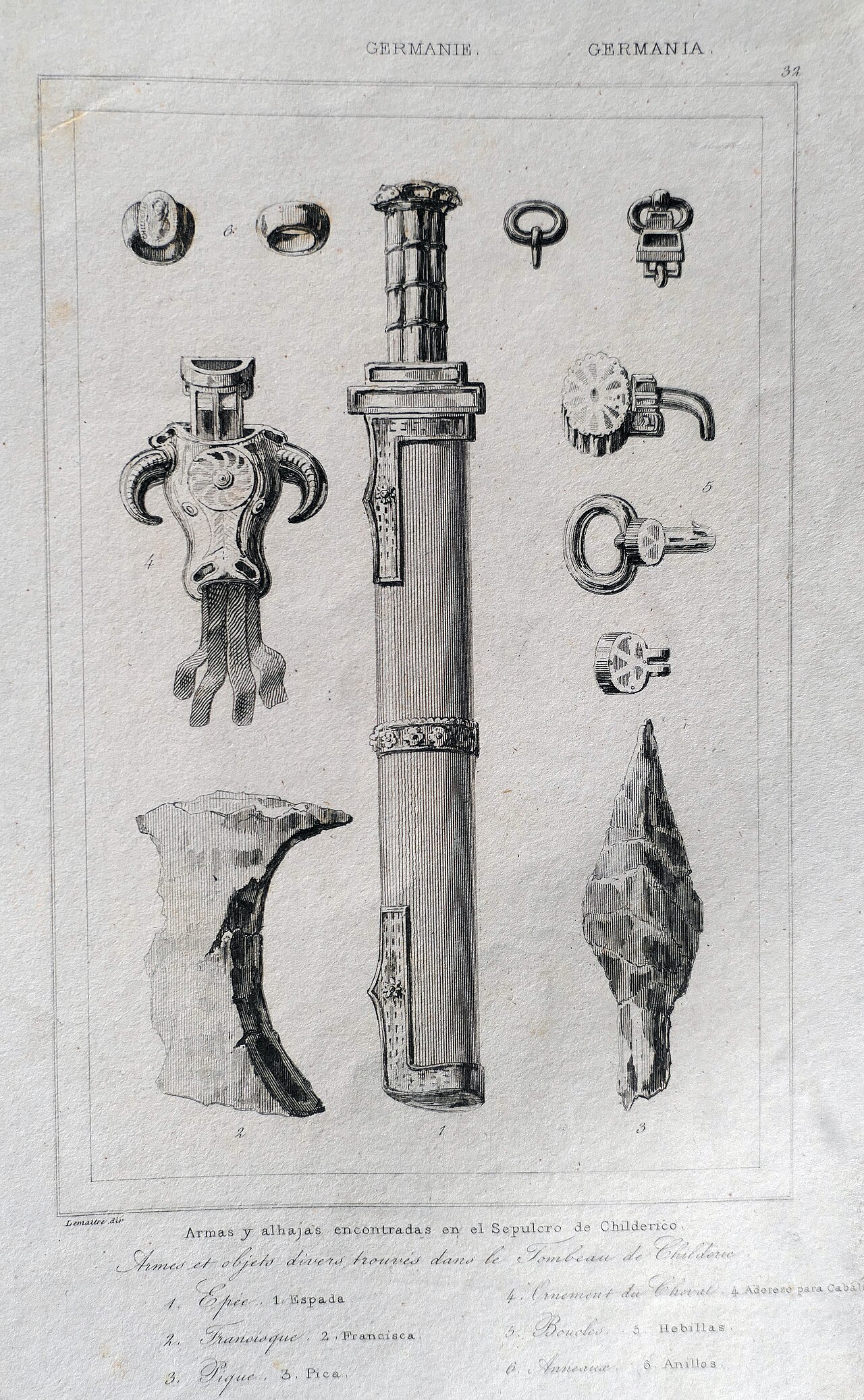
Tomb Treasure of Childeric I
c. 481
 Artifact
Secondary source
Holy Ampulla
medieval
 Sculpture
Secondary source
Ivory Plaque with the Baptism of Clovis
Reims workshop · c. 870


Free account
Read every Clovis I source
Sign up free →
Ready when you are
Start chatting with Clovis I now.
20 messages free · No credit card · Available in 50+ languages.