


Primary sourceDocument20 May 1862
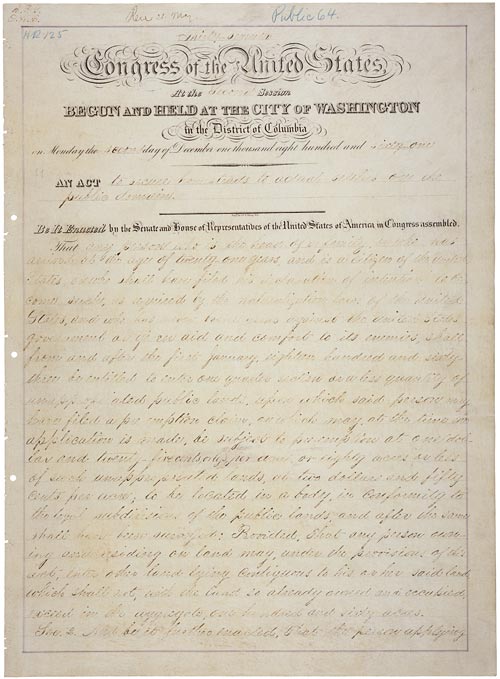
Homestead Act
20 May 1862
The 1862 federal law granting western land to settlers, which Truth later invoked when she petitioned for land grants for formerly enslaved people.
This settlement law governed the 1901 opening of the Kiowa-Comanche-Apache reservation, the land loss Quanah Parker fought to limit.
About this source
What it is
This is the enrolled Homestead Act, signed into law on May 20, 1862, which granted adult heads of families 160 acres of public land after meeting residency and improvement requirements. It is held by the U.S. National Archives.
Why it matters
The Act shows how the federal government distributed land in the West. Sojourner Truth pointed to this kind of precedent when she petitioned for land grants to be given to formerly enslaved people, arguing they deserved the same opportunity as other settlers.
Look closer
- Who was eligible to claim land under this law, and who was left out?
- Why might Truth have used this law as an argument for land for freed people?
- What does the gap between the law's promise and its real impact on poor families tell you about how policy works?
This document is part of the curated material that grounds the AI version of Quanah Parker, Horace Greeley, Standing Bear, Sojourner Truth, James Buchanan, Andrew Johnson, Red Cloud, Thaddeus Stevens, James J. Hill and Winnemucca on Humy.ai — when students ask about related events, the AI can quote it and cite it.
More Quanah Parker sources
Meet the AI Quanah Parker →Primary source
Lone Wolf v. Hitchcock
U.S. Supreme Court · 1903
 Photograph
Primary source
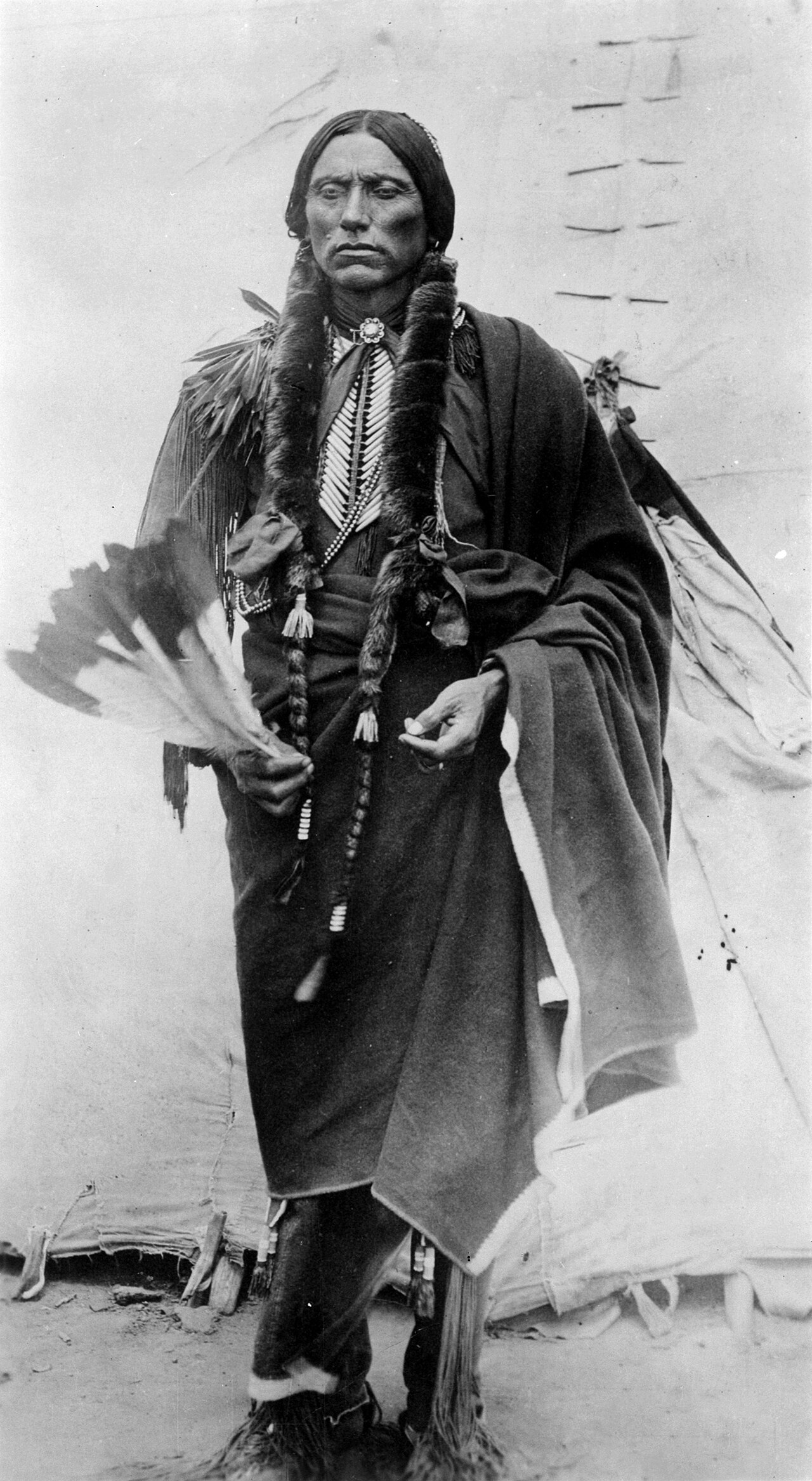
Chief Quanah Parker of the Kwahadi Comanche
 Document
Primary source
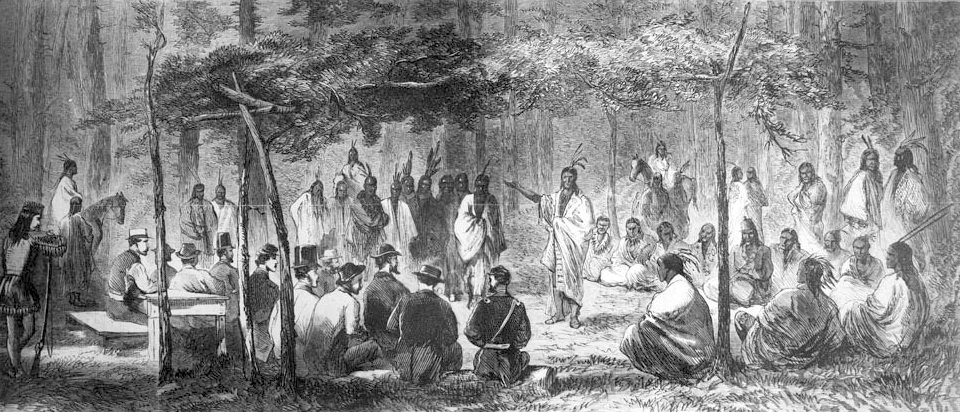
Medicine Lodge Treaty
October 1867
Secondary source
Nine Years Among the Indians, 1870–1879
Herman Lehmann · 1927
 Document
Primary source
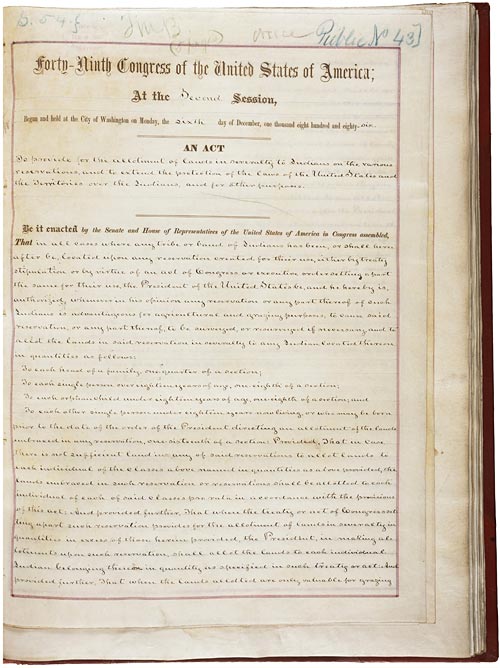
Dawes Act
Henry Dawes · 8 February 1887
Ready when you are
Start chatting with Quanah Parker now.
20 messages free · No credit card · Available in 50+ languages.