


Primary sourceSpeech1898
Human Immortality: Two Supposed Objections to the Doctrine
William James · 1898
James's 1898 printed Ingersoll Lecture arguing that the brain may transmit rather than produce thought, bearing on the question of immortality.
James wrote and delivered this lecture himself, linking his psychology to questions of religion and immortality.

About this source
What it is
This is the printed text of the Ingersoll Lecture for 1897-1898, delivered and written by William James, Professor of Philosophy at Harvard. It was published in Boston in 1898 by Houghton, Mifflin and Company.
The lecture answers two common scientific objections to belief in life after death, using James's own ideas about the mind and brain.
Why it matters
The lecture shows how James connected his scientific work in psychology with questions of religion and the possibility of an afterlife. It reveals that even a rigorous experimental psychologist took seriously questions science could not fully answer.
Look closer
- Why might a university endow a yearly lecture on immortality?
- What kind of argument does James use — scientific, philosophical, or both?
- What does this text suggest about the relationship between brain and mind in James's thinking?
This speech is part of the curated material that grounds the AI version of William James on Humy.ai — when students ask about related events, the AI can quote it and cite it.
More William James sources
Meet the AI William James →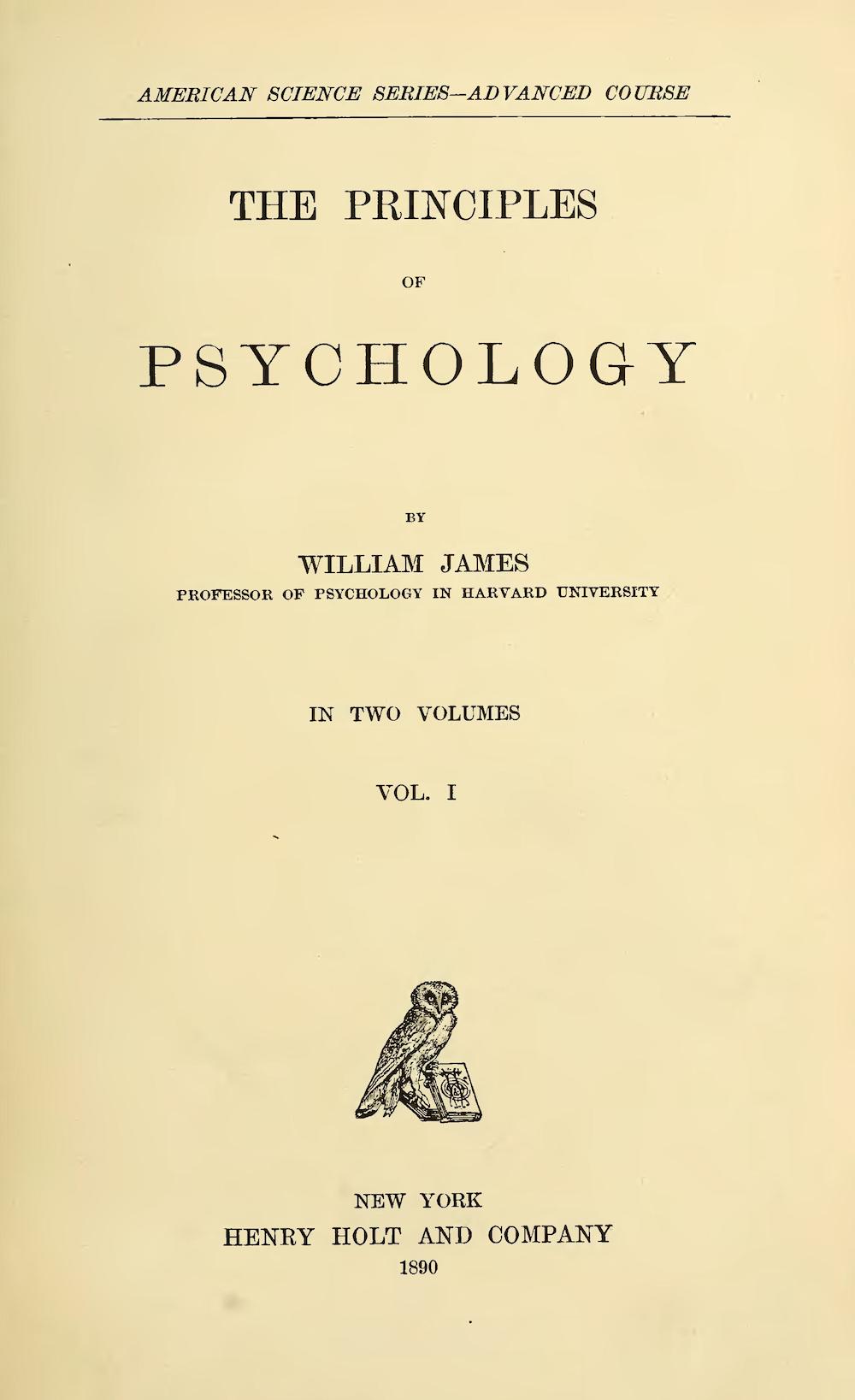 Book
Primary source
The Principles of Psychology
William James · 1890
 Book
Primary source
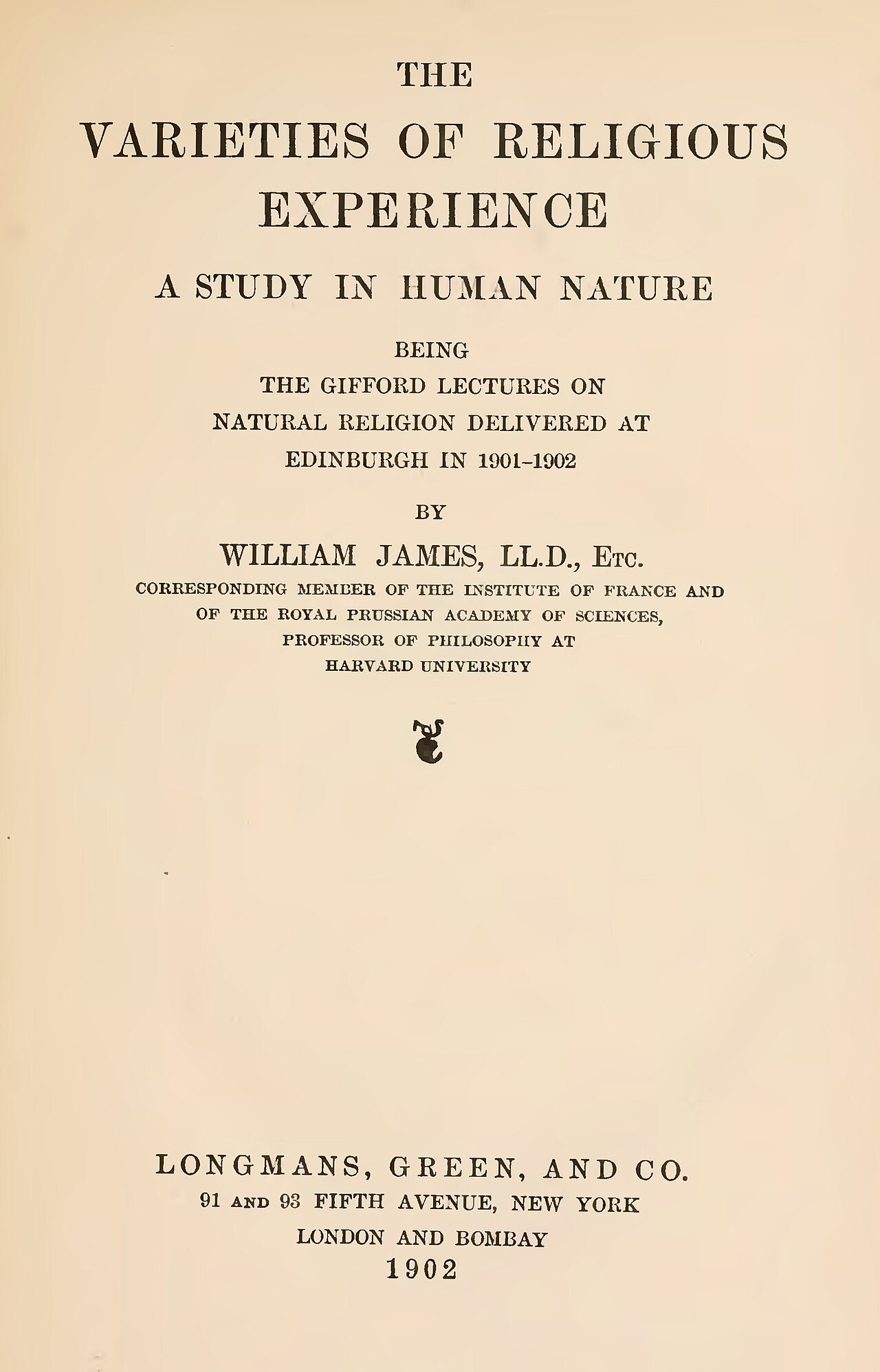
The Varieties of Religious Experience
William James · 1901-1902
Primary source
Pragmatism: A New Name for Some Old Ways of Thinking
William James · 1907
Primary source
The Will to Believe
William James · 1896
 Painting
Primary source
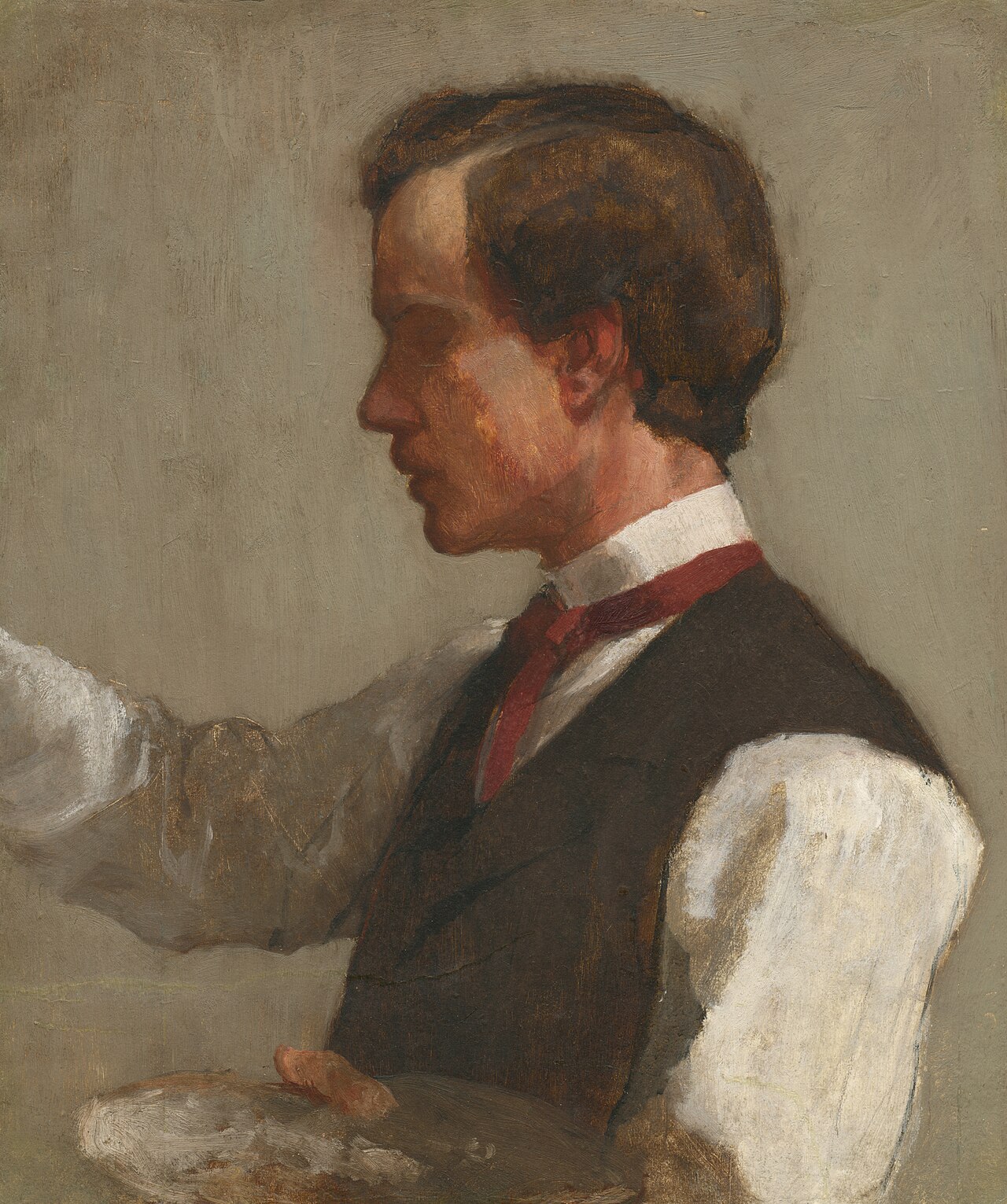
William James
John La Farge · 1859
Ready when you are
Start chatting with William James now.
20 messages free · No credit card · Available in 50+ languages.