


Secondary sourcePainting16th century
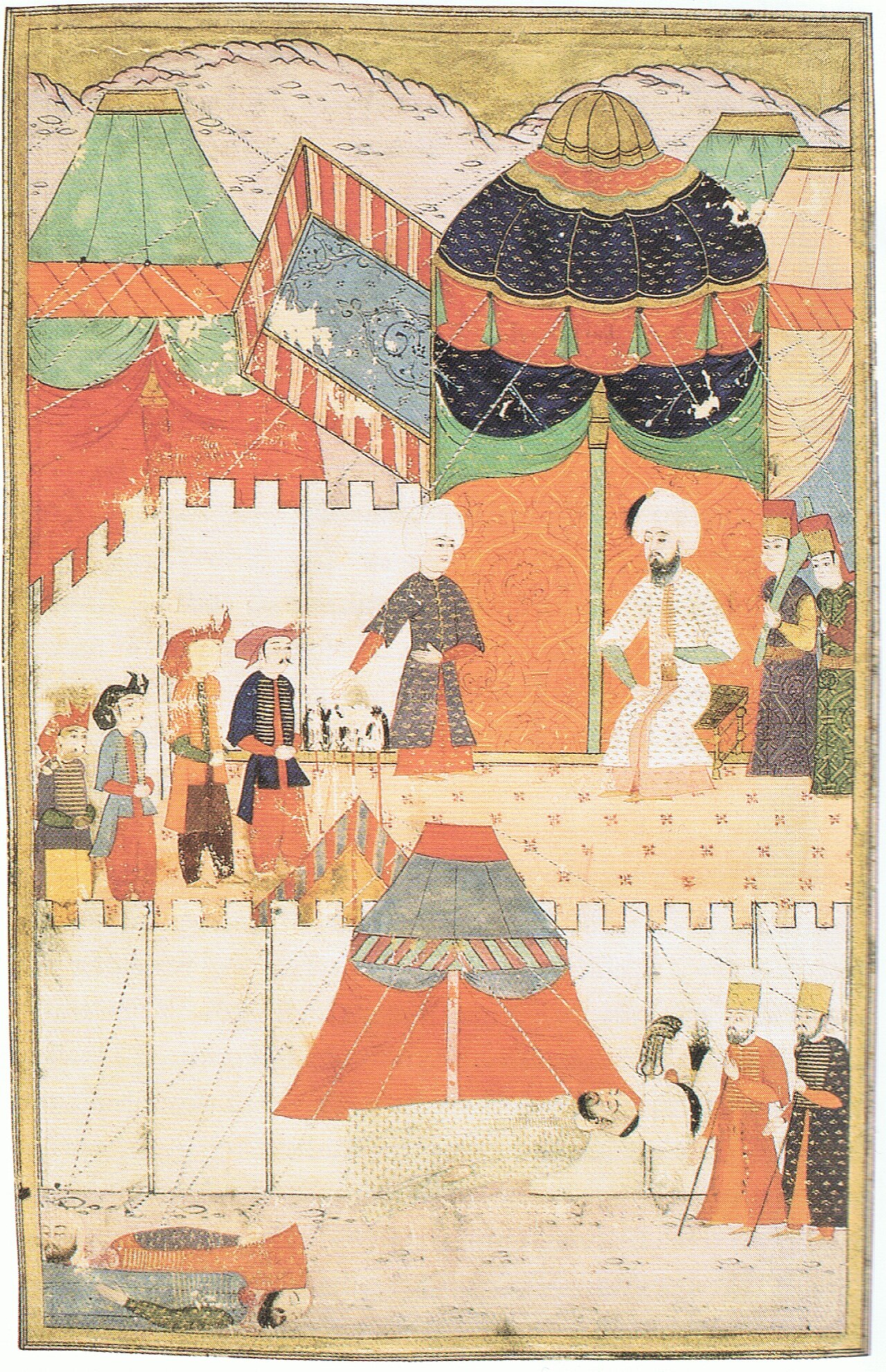
Hünername Folio: The Bier of Prince Mustafa
16th century
An illustrated manuscript page from the Hünername showing the aftermath of Prince Mustafa's execution, ordered by Suleiman.
This manuscript page shows the aftermath of Suleiman's order to execute his own son, Prince Mustafa.
About this source
What it is
This is a page from the Hünername, an illustrated Ottoman manuscript made in the 16th century, decades after the events it shows. It depicts the body of Prince Mustafa laid out after his execution.
Why it matters
Mustafa was Suleiman's son, executed on the sultan's order amid court intrigue. This image, created long after the event, shows how later Ottoman artists represented a dramatic and painful moment in the royal family's history, revealing the power and harsh decisions of Suleiman as ruler.
Look closer
- What does the composition — the seated sultan under a canopy, the body nearby — suggest about how the artist wanted this moment remembered?
- Why might this scene have been included in a manuscript made well after Suleiman's reign?
- What does this image not show about the reasons behind the execution?
This painting is part of the curated material that grounds the AI version of Suleiman the Magnificent on Humy.ai — when students ask about related events, the AI can quote it and cite it.
More Suleiman the Magnificent sources
Meet the AI Suleiman the Magnificent →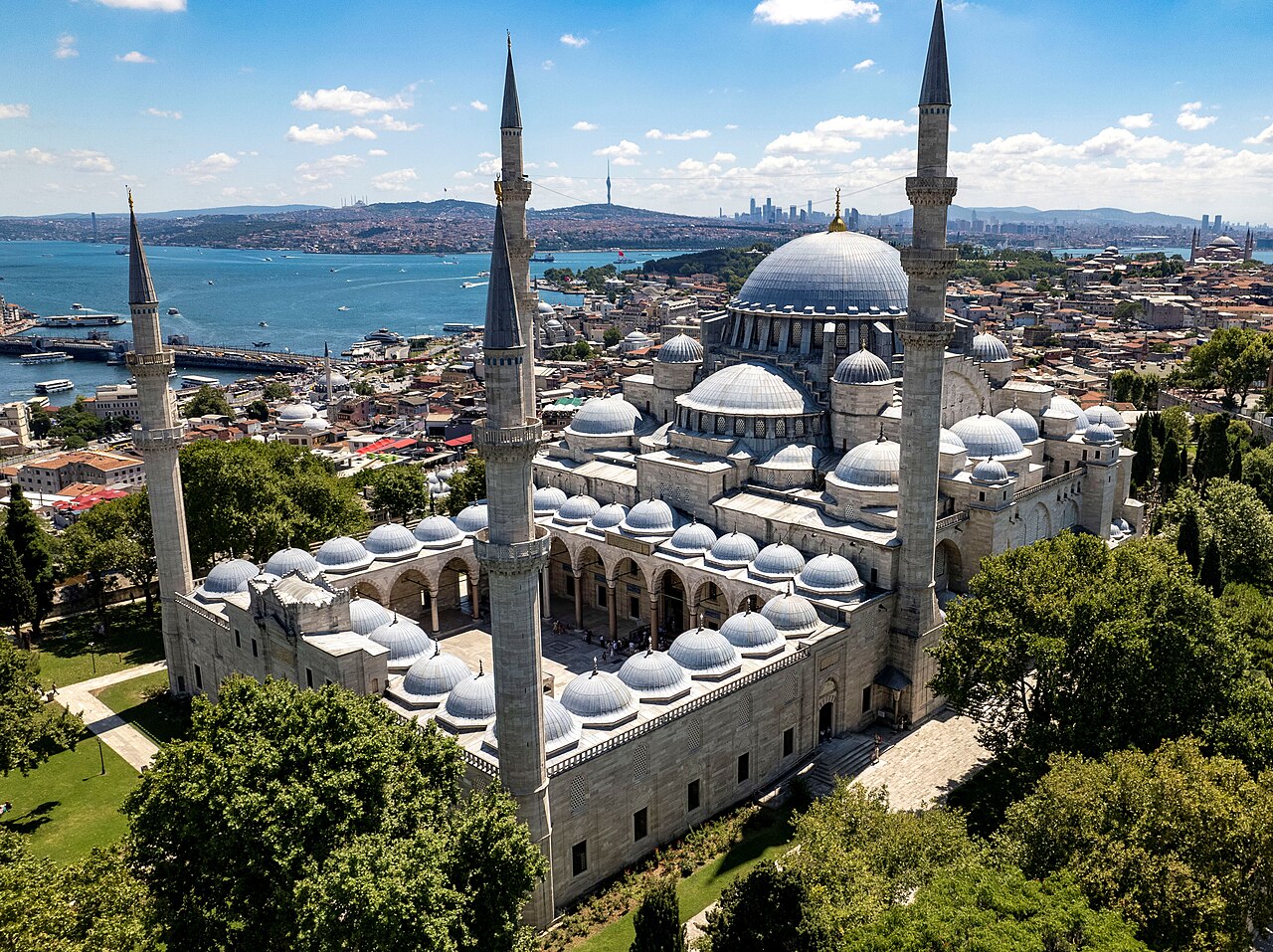 Artifact
Primary source
Süleymaniye Mosque
Mimar Sinan · 1550-1557
 Letter
Primary source
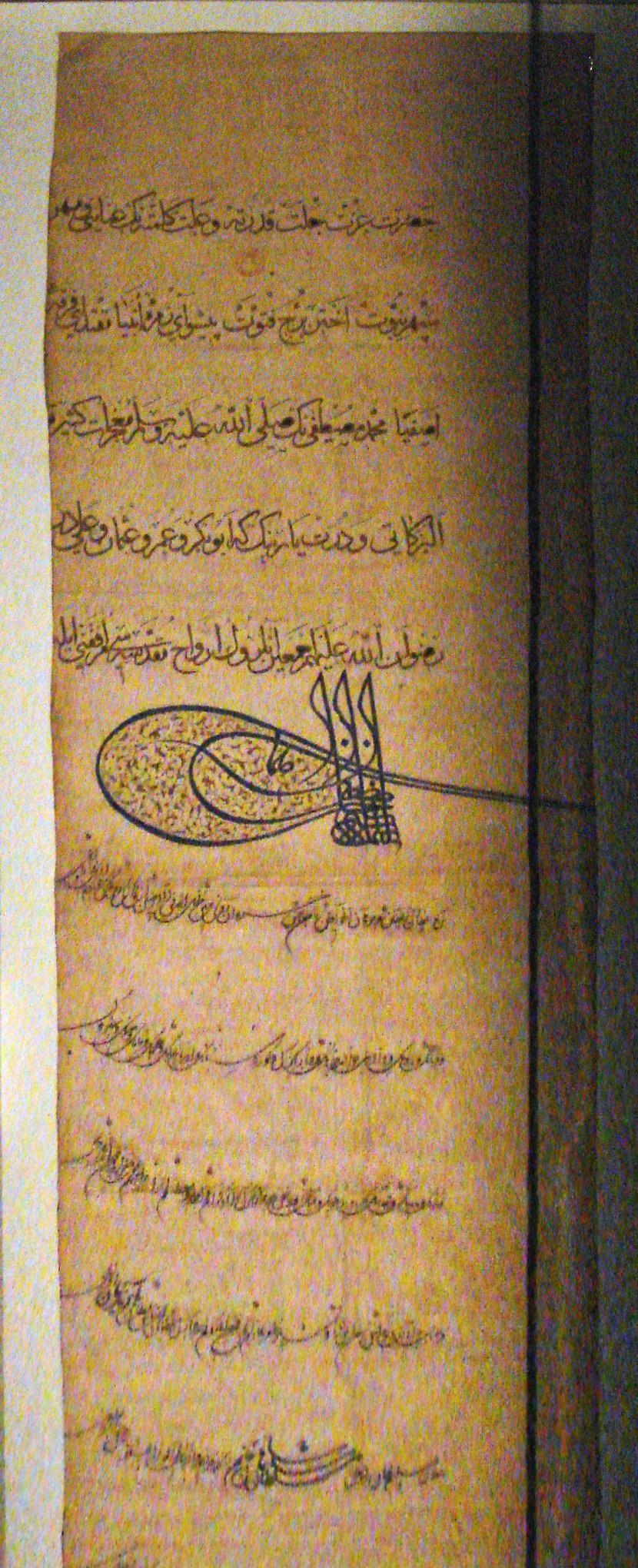
Letter to the King of France
Suleiman the Magnificent · 1526
 Painting
Primary source
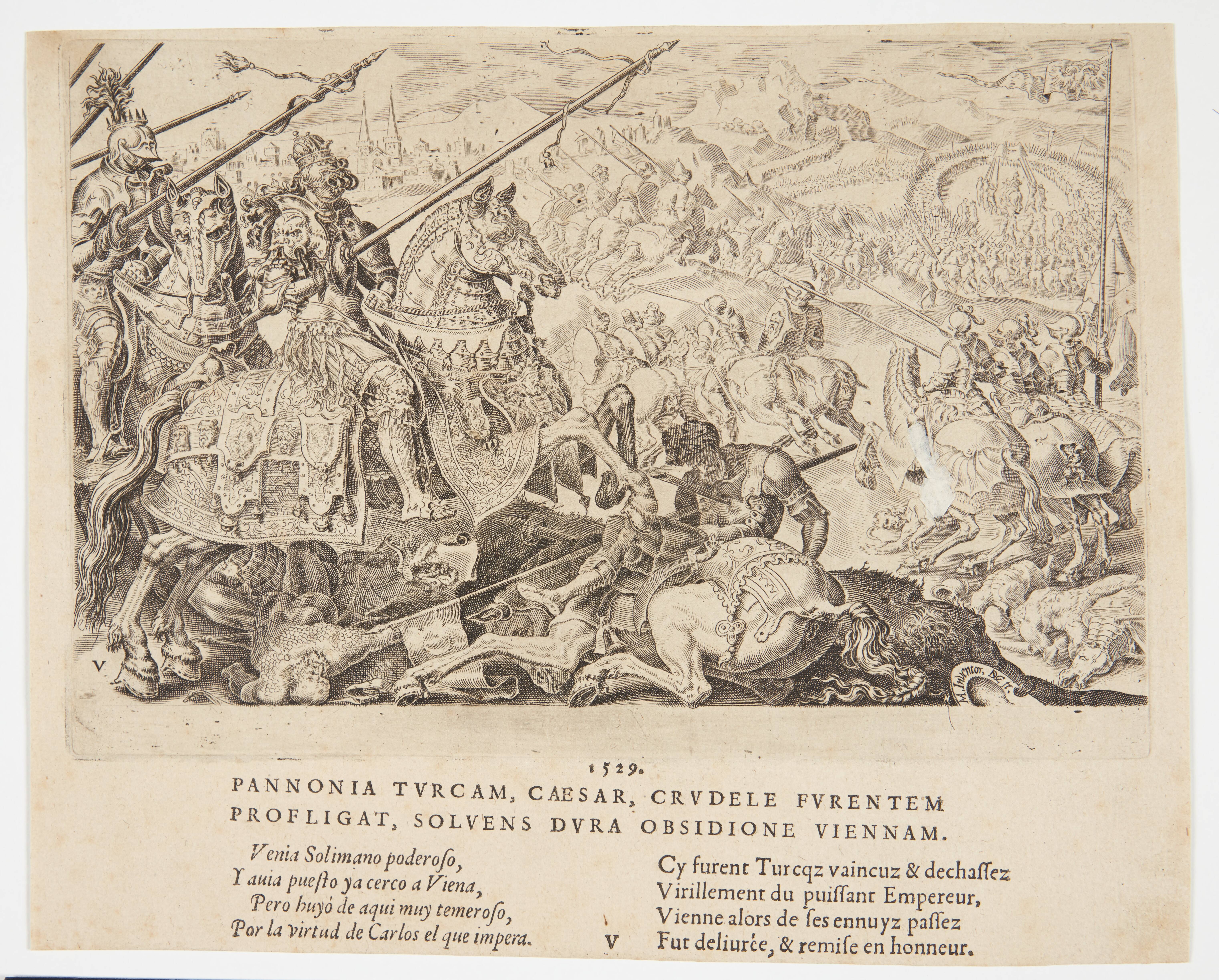
Suleiman the Magnificent Forced to Raise the Siege of Vienna
1555
 Painting
Secondary source
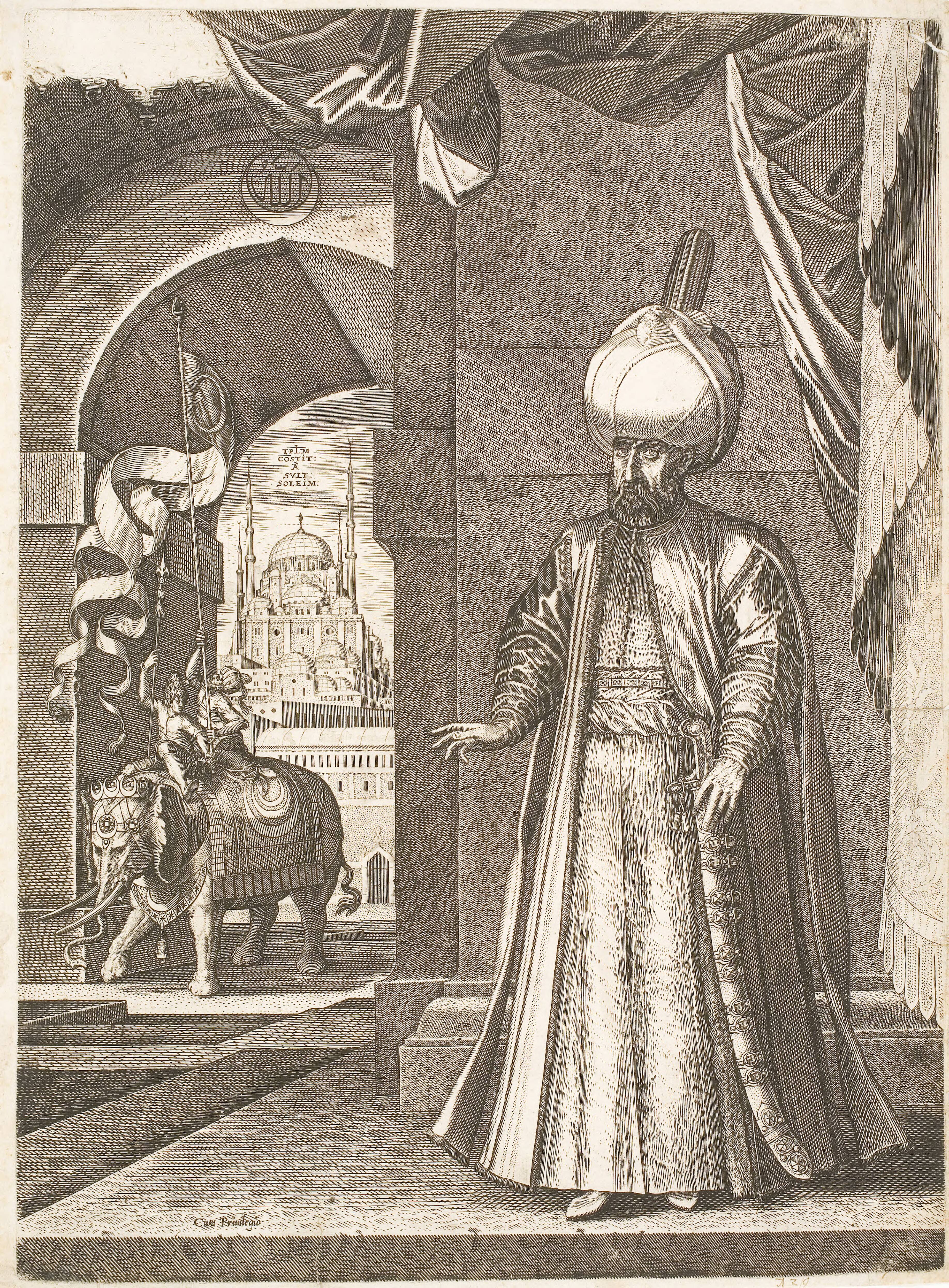
Standing Portrait of Sultan Suleiman the Magnificent
1574
 Artifact
Primary source
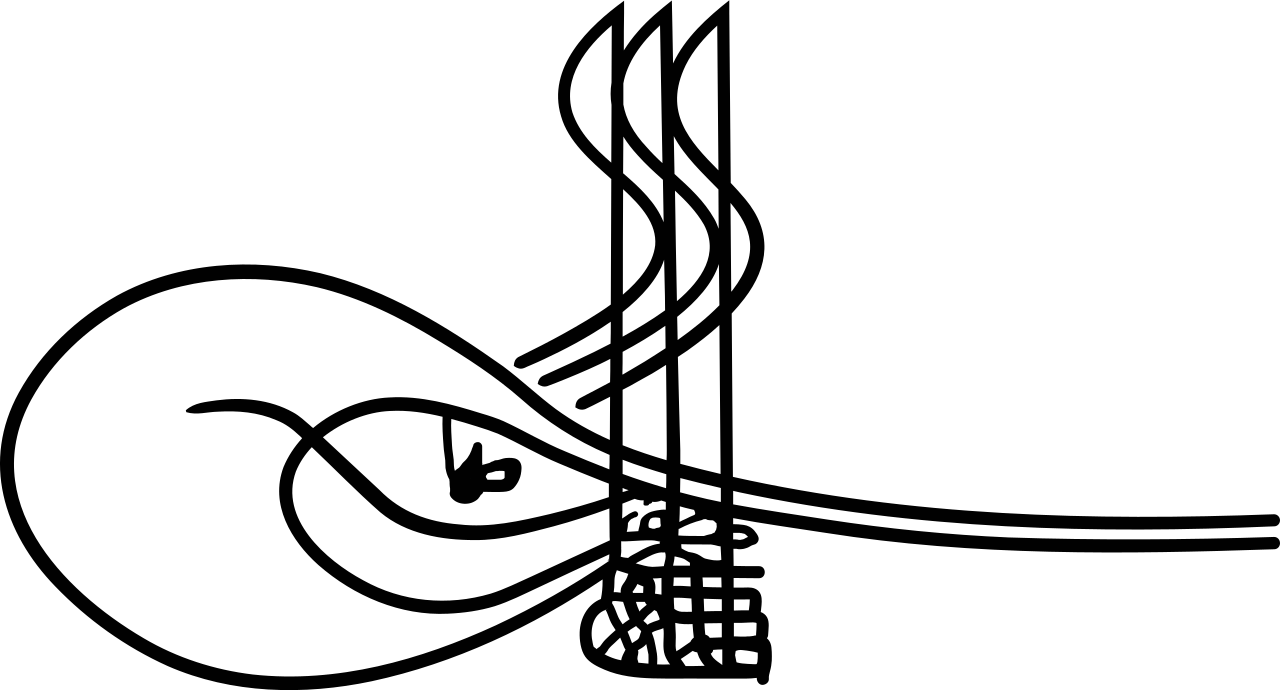
Tughra of Suleiman the Magnificent
Ready when you are
Start chatting with Suleiman the Magnificent now.
20 messages free · No credit card · Available in 50+ languages.