


Secondary sourceSculpture
Hungarian Soviet Republic Monument, Cegléd
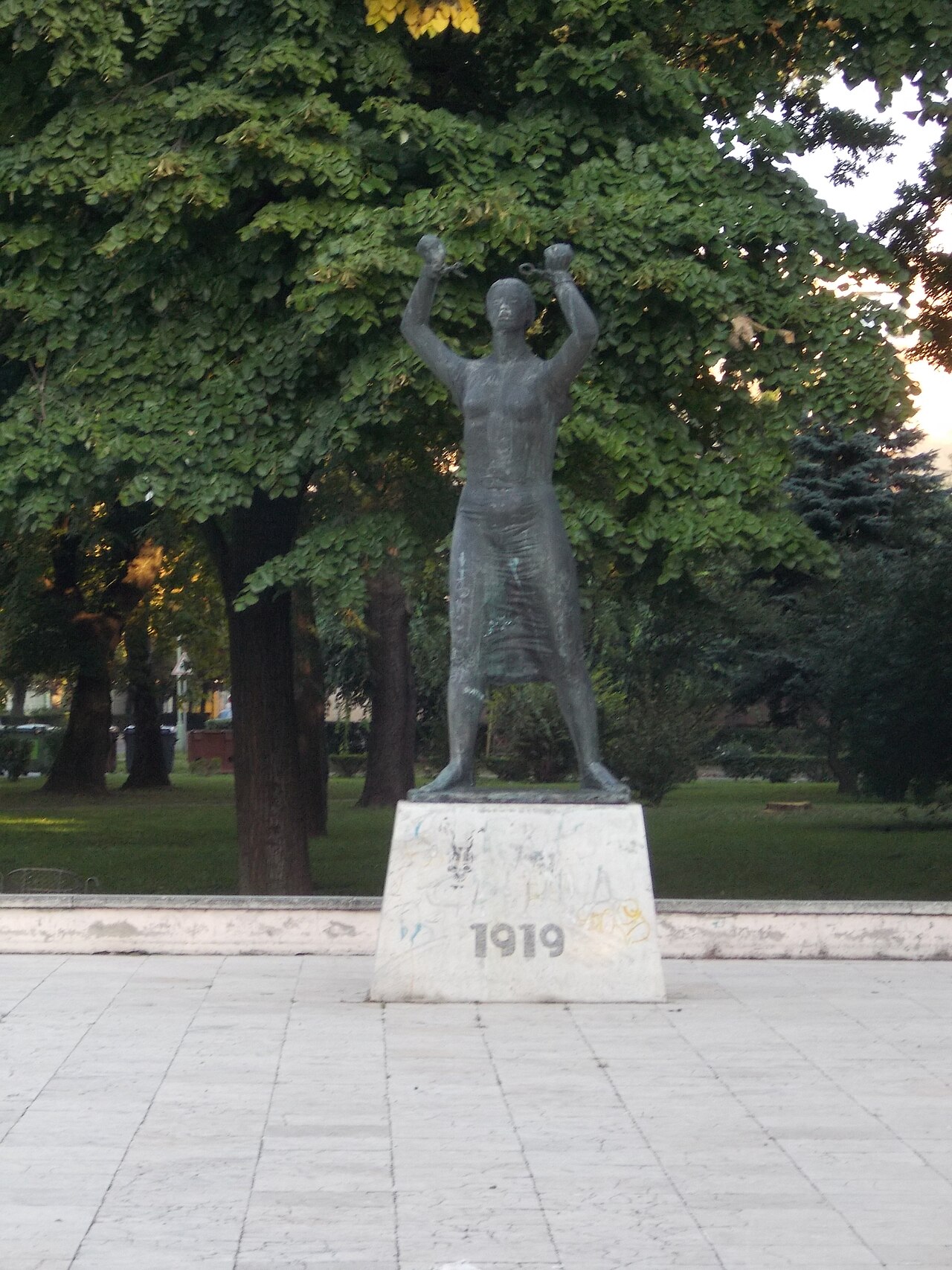
A bronze statue in Cegléd, Hungary, showing a bare-chested man with raised, chained wrists, photographed in 2015. It commemorates the 1919 Soviet Republic but is not specific to Kun.
A later monument to the 1919 Soviet Republic Kun led, shown in a photograph; it is not specific to Kun himself.
About this source
What it is
This is a 2015 photograph of a bronze statue in Kölcsey Square, Cegléd, Pest County, Hungary. It shows a bare-chested male figure with arms raised above his head and wrists bound with chains. The figure stands on a white pedestal inscribed 1919, in a park with tall trees and grass. The photograph was taken by Globetrotter19.
Why it matters
Béla Kun led the Hungarian Soviet Republic in 1919 as its de facto leader and served as People's Commissar of Foreign Affairs. A monument showing bound hands was made later to honor that regime, so it reflects how the 1919 period was remembered by a later state. It is a secondary source about memory, and the sources do not say it depicts Kun.
Look closer
- What do the chains and raised arms suggest about how the figure is meant to be understood?
- Who chose this image to honor the 1919 regime, and what might they have wanted people to feel?
- What does the statue leave out, such as the names of the people involved or the complicated outcome of the revolution?
This sculpture is part of the curated material that grounds the AI version of Béla Kun on Humy.ai — when students ask about related events, the AI can quote it and cite it.
More Béla Kun sources
Meet the AI Béla Kun →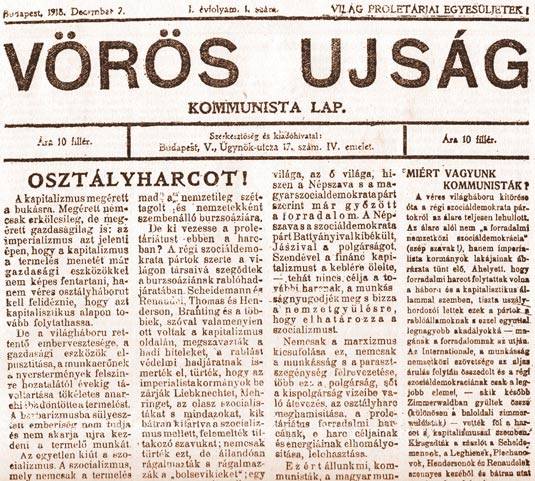 Newspaper article
Primary source
Vörös Újság: First Editorial
Béla Kun · 7 December 1918
 Document
Primary source
Treaty of Trianon
4 June 1920
 Photograph
Primary source
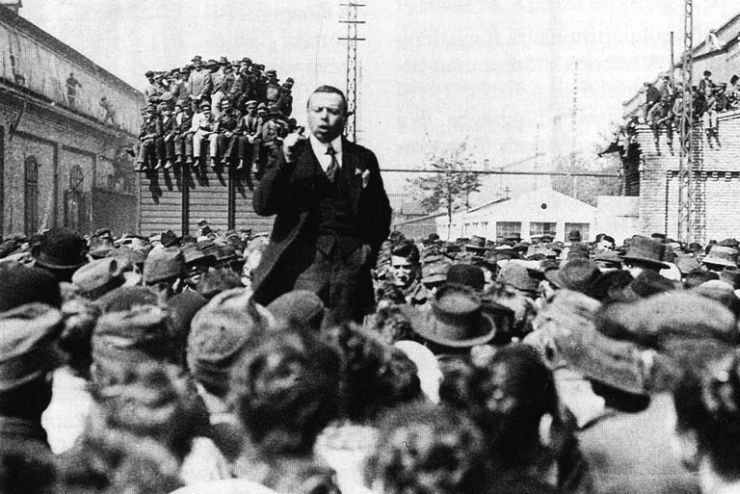
Béla Kun, Leader of the 1919 Hungarian Revolution
1919
 Photograph
Primary source
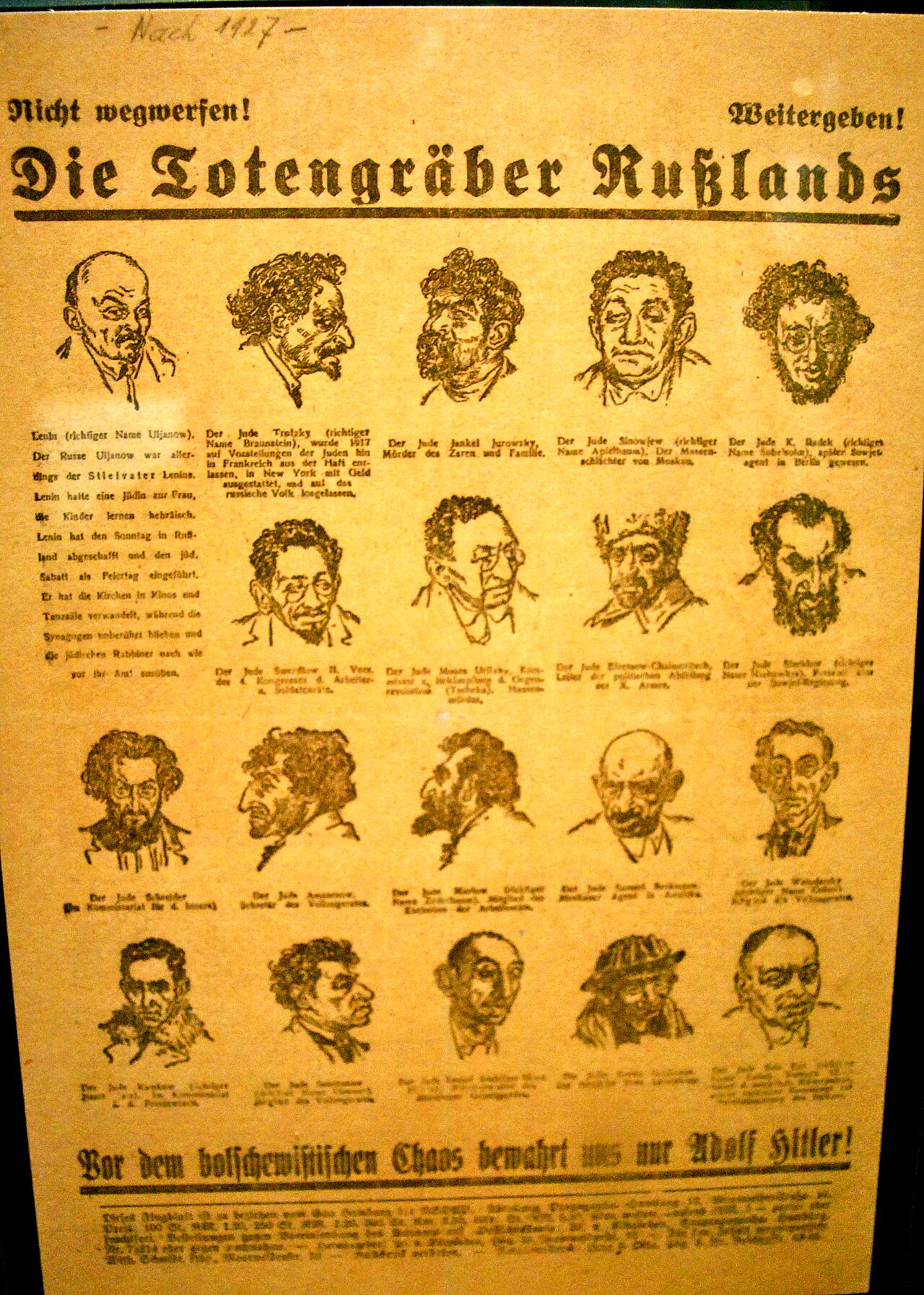
Die Totengräber Russlands
March 1937
 Photograph
Primary source
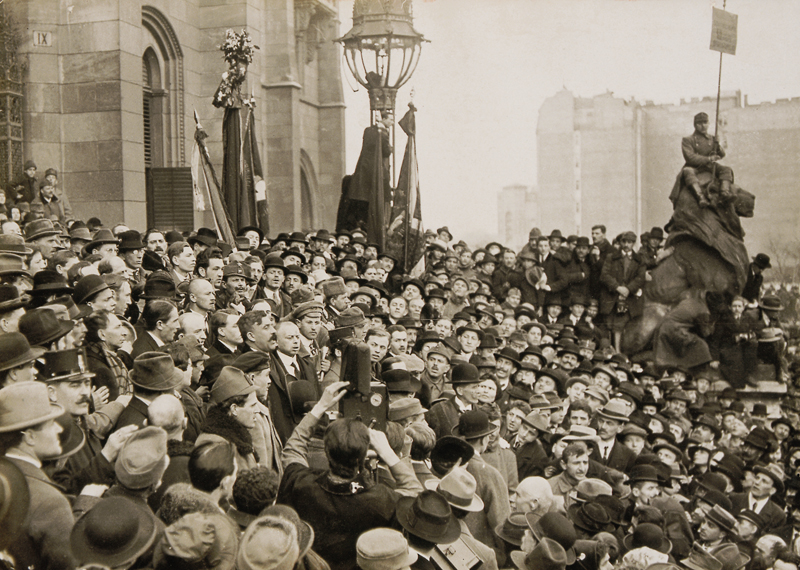
Sándor Garbai and Béla Kun, Leaders of the Hungarian Soviet Republic
1919
Ready when you are
Start chatting with Béla Kun now.
20 messages free · No credit card · Available in 50+ languages.