


Secondary sourcePainting1885
Hypatia
Charles William Mitchell · 1885
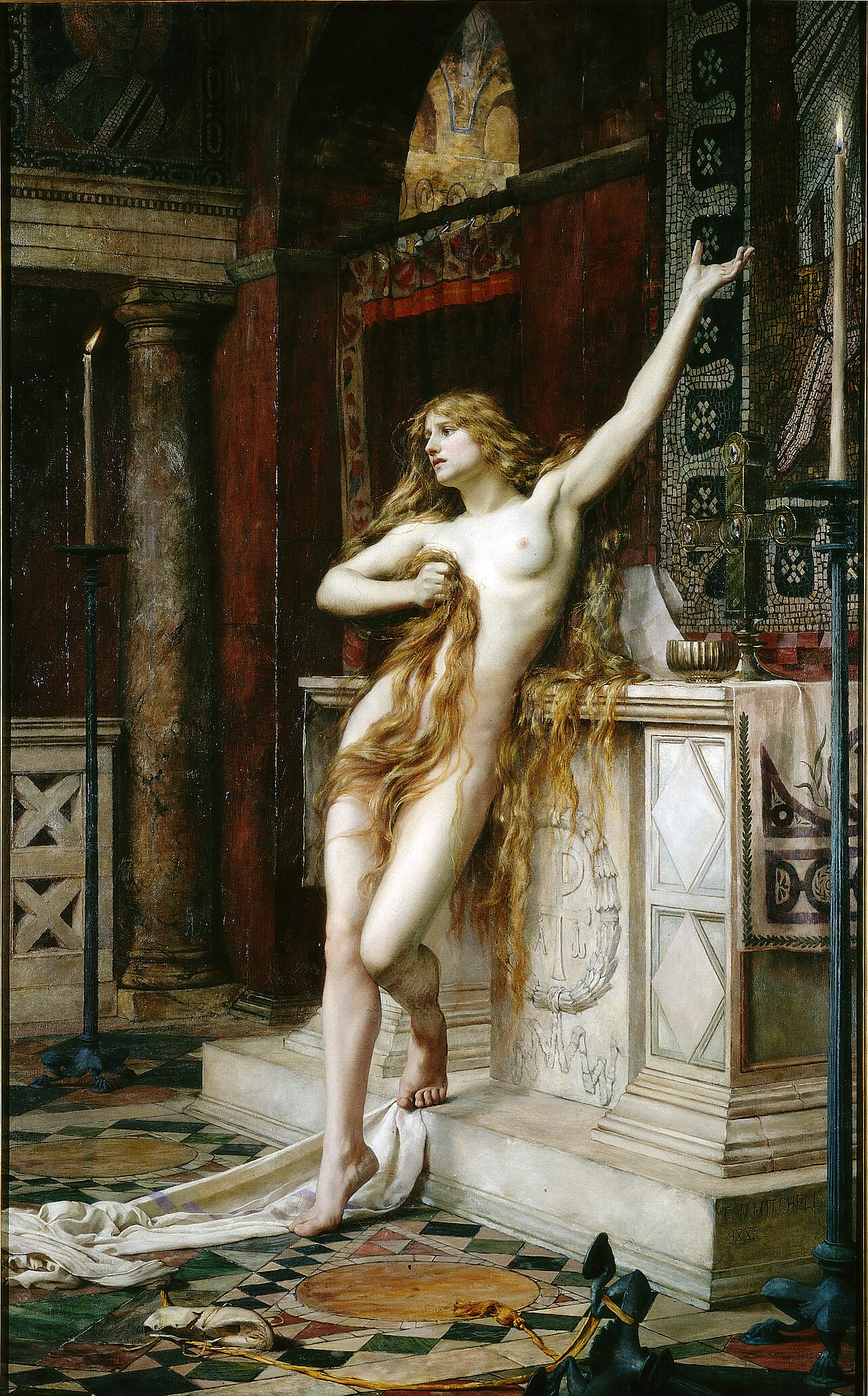
An 1885 oil painting imagining Hypatia nude in a church moments before her death, inspired by a Victorian novel rather than historical evidence.
This Victorian painting imagines Hypatia's final moments, showing how later art sexualised and dramatised her death.
About this source
What it is
This 1885 oil painting by British artist Charles William Mitchell depicts the last moments of the philosopher Hypatia before she was murdered, set in Alexandria. It was inspired by Charles Kingsley's 1853 novel Hypatia rather than ancient sources. The painting was shown at the Grosvenor Gallery in London in 1885 and is now held by the Laing Art Gallery in Newcastle.
Why it matters
Alongside other nude paintings shown in London that year, this work sparked public debate about nude art. It shows how Victorian artists and writers reimagined Hypatia's death, blending history painting with nude art in ways that reveal more about 19th-century attitudes than about the historical philosopher.
Look closer
- Why might an artist choose to paint a philosopher's death as a nude scene?
- What does the setting and the woman's pose suggest the artist wanted viewers to feel?
- How might this image differ from what actually happened to Hypatia?
This painting is part of the curated material that grounds the AI version of Hypatia on Humy.ai — when students ask about related events, the AI can quote it and cite it.
More Hypatia sources
Browse all 45 →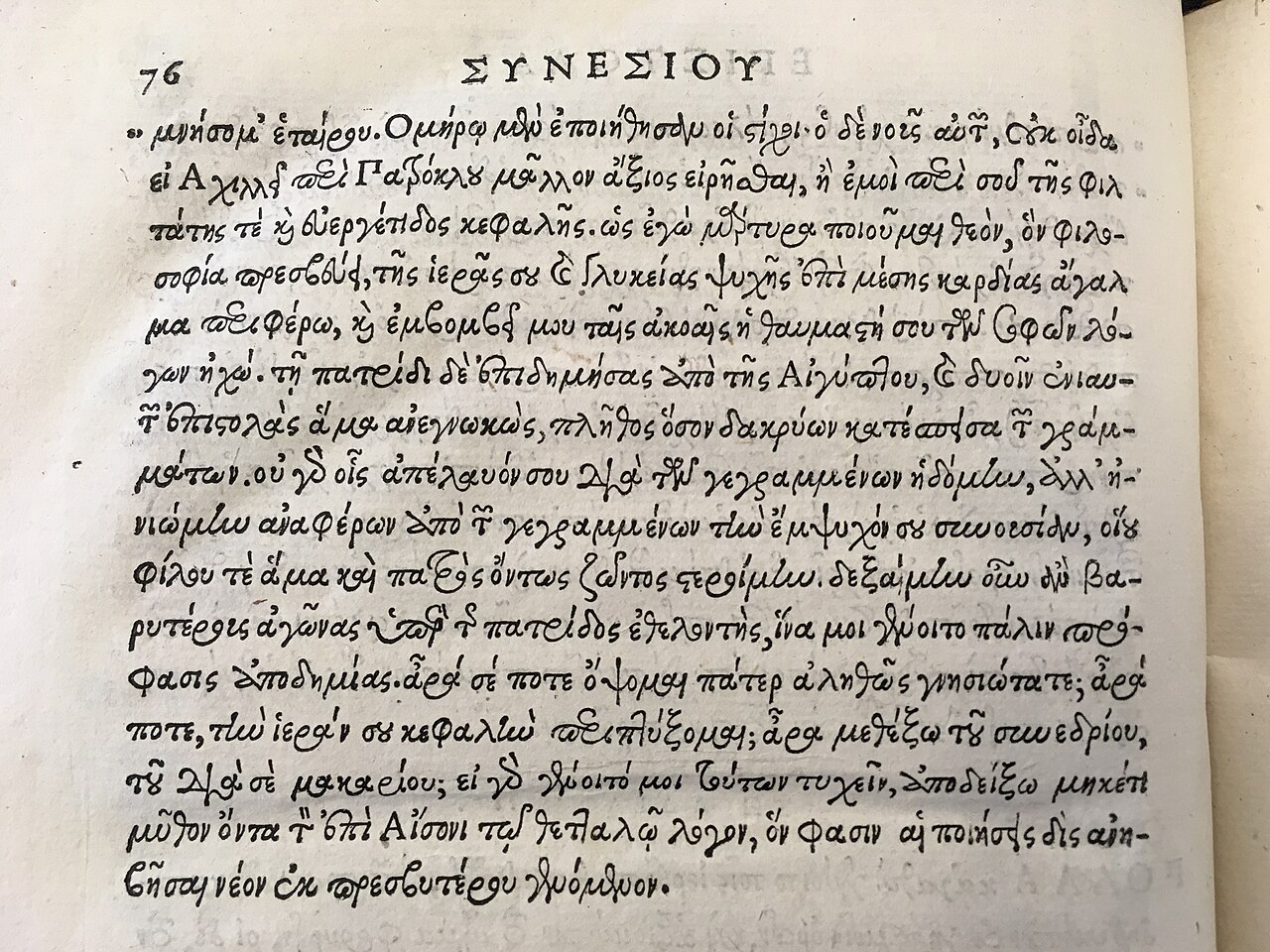 Letter
Secondary source
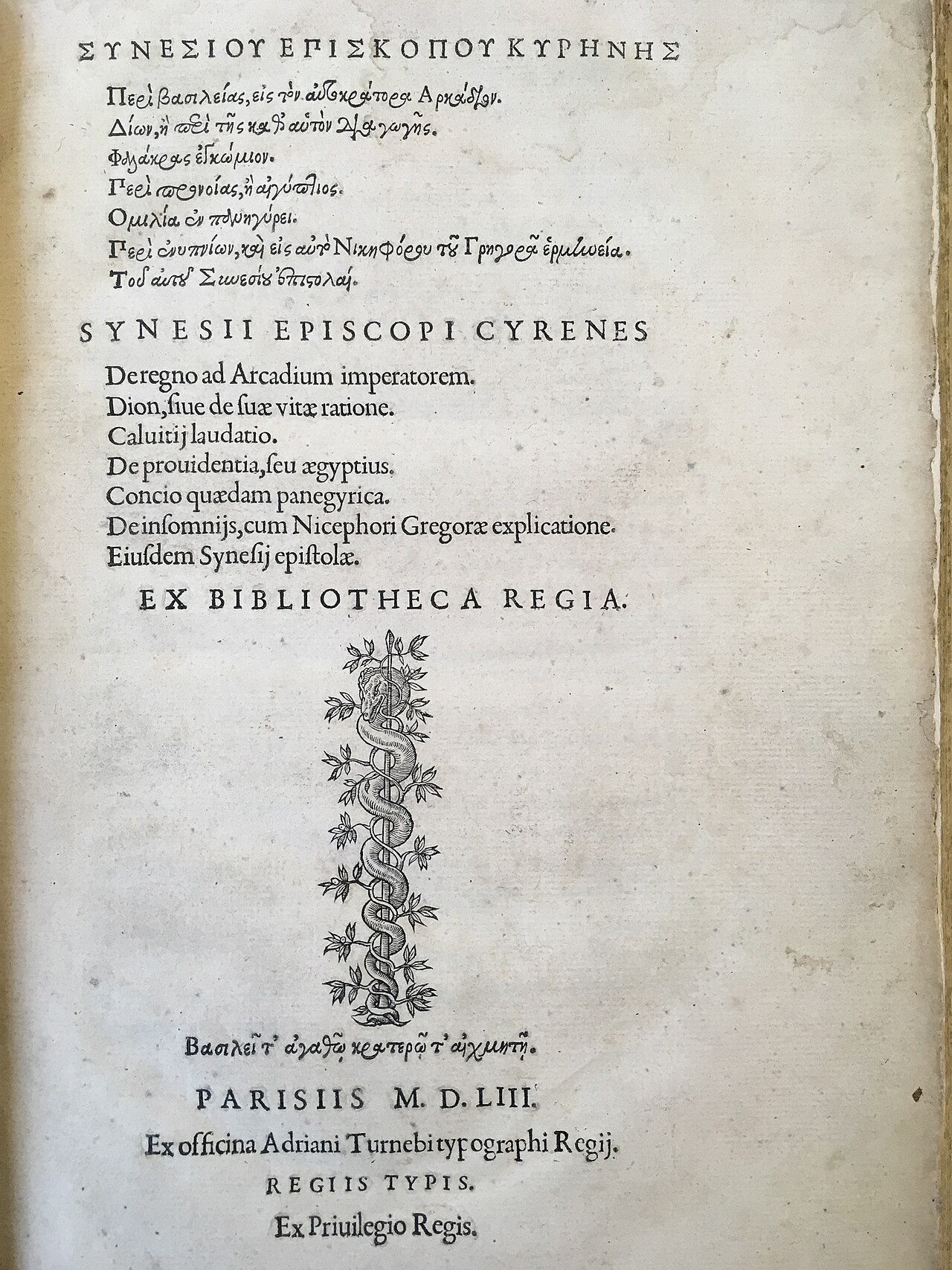
Letter of Synesius to Hypatia (page 76)
Synesius of Cyrene · 1553 (printed edition of a 5th-century letter)
 Letter
Secondary source
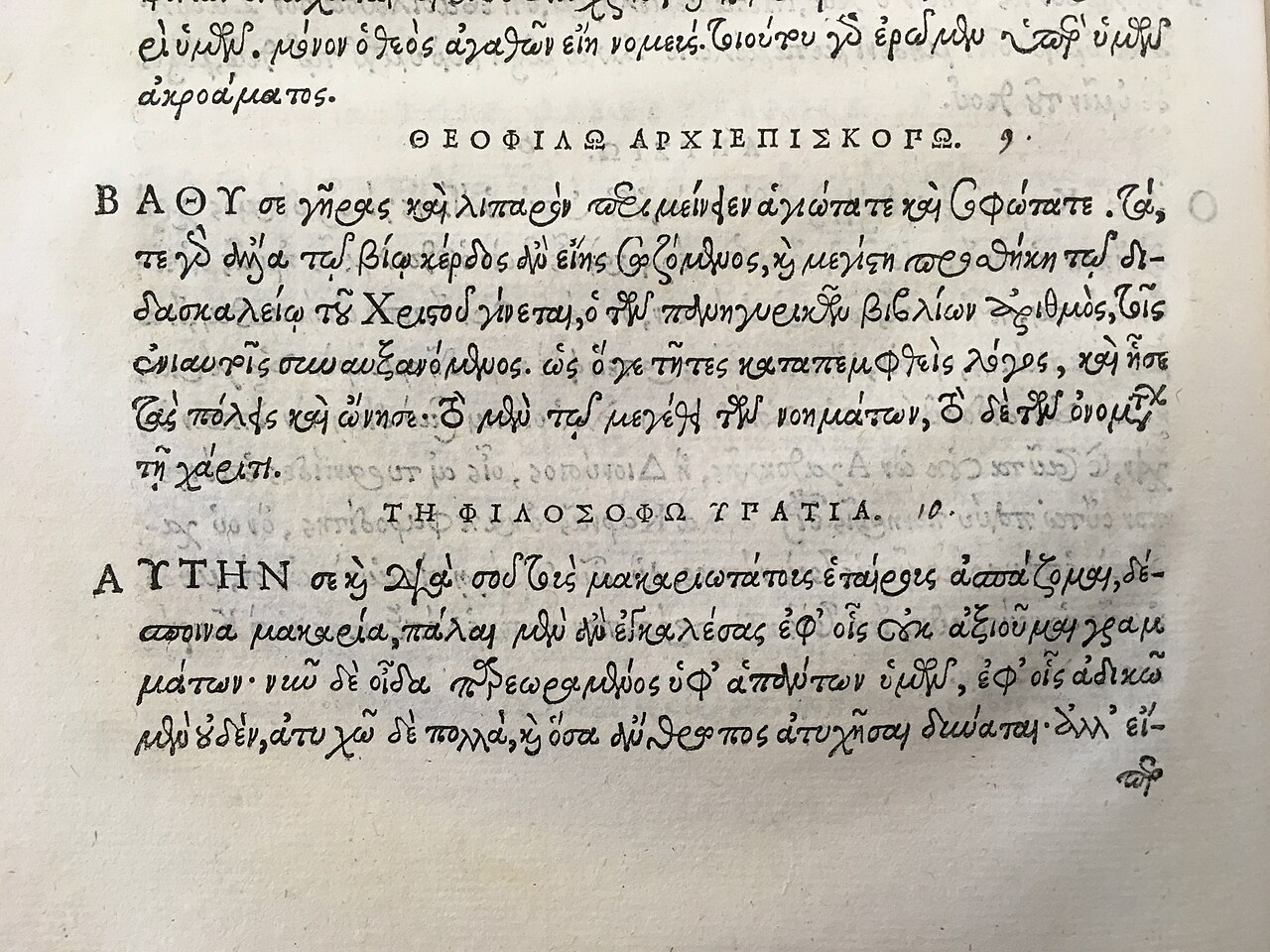
Letter of Synesius to Hypatia (page with address to Theophilus and Hypatia)
Synesius of Cyrene · 1553 (printed edition of a 5th-century letter)
 Book
Secondary source
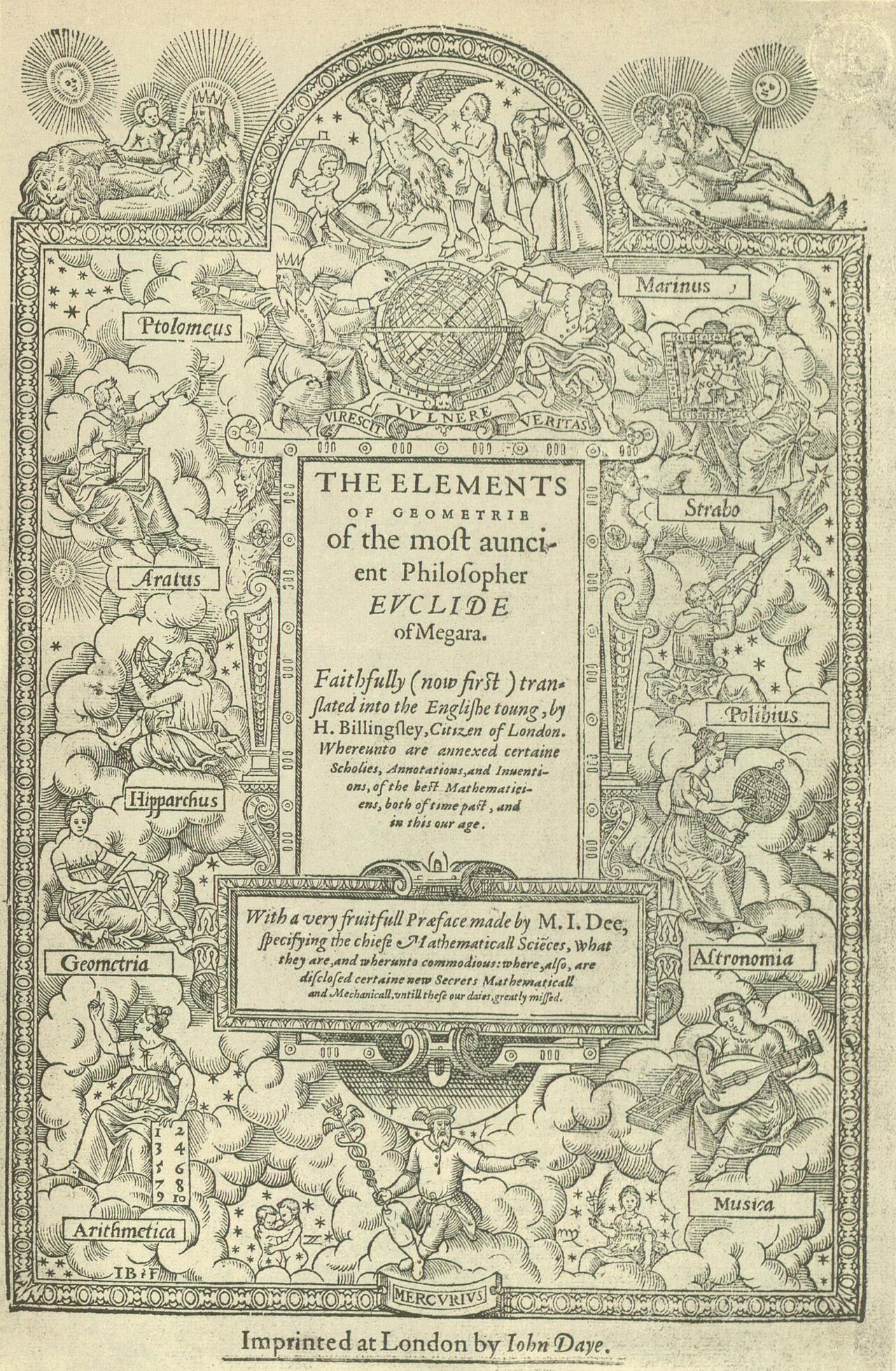
Elements
Euclid · c. 300 BC
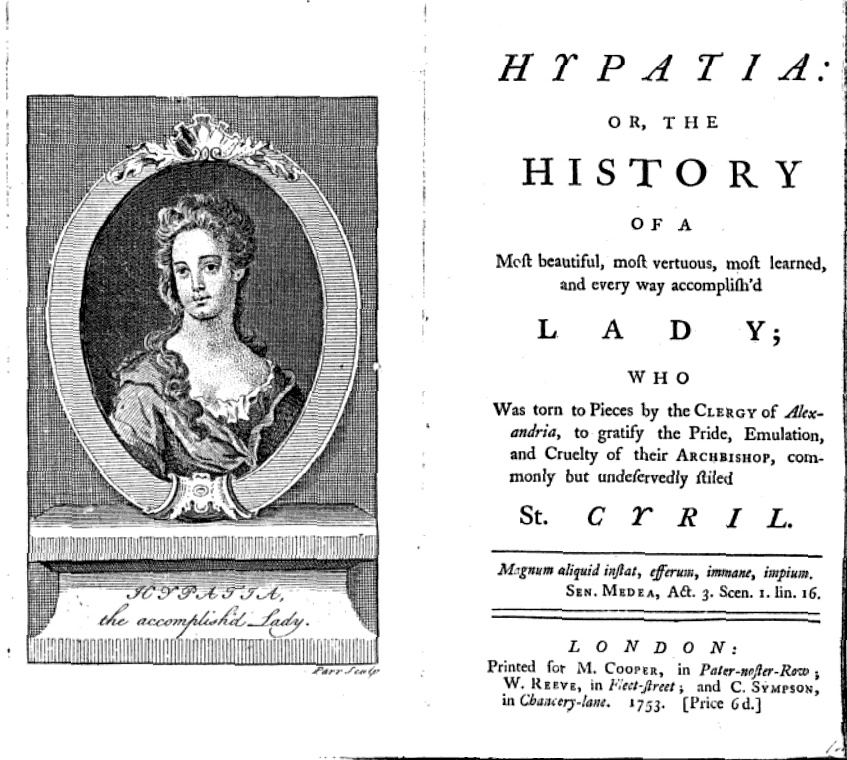 Document
Secondary source
Hypatia: Or the History of a most beautiful, most vertuous, most learned, and every way accomplish'd Lady
John Toland · 1720 (republished 1753)
Free account
Read every Hypatia source
Sign up free →
Ready when you are
Start chatting with Hypatia now.
20 messages free · No credit card · Available in 50+ languages.