


Secondary sourceDocument1720 (republished 1753)
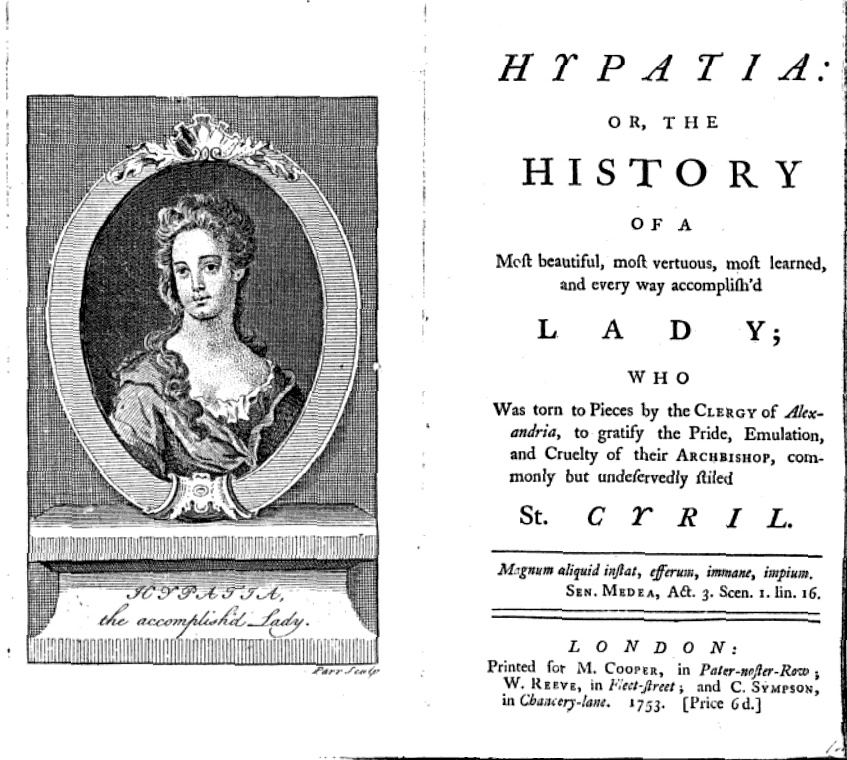
Hypatia: Or the History of a most beautiful, most vertuous, most learned, and every way accomplish'd Lady
John Toland · 1720 (republished 1753)
Frontispiece and title page of John Toland's 1720 anti-Catholic tract that used Hypatia's story to attack clerical fanaticism.
This tract reshaped Hypatia's death into an Enlightenment argument against clerical fanaticism, far from her own historical context.
About this source
What it is
This is the frontispiece and title page of an anti-Catholic tract about Hypatia written by John Toland, first published in 1720 and republished in 1753. Its full title praises her as a beautiful, virtuous and learned lady.
Why it matters
Toland used Hypatia's death to attack what he saw as religious fanaticism among clergy, turning her into a symbol in Enlightenment-era religious polemics. The work shows how, over a thousand years after her death, Hypatia's story was reshaped to serve later political and religious arguments far removed from her own time.
Look closer
- Why might an 18th-century writer use an ancient philosopher's death to make an argument about his own era's religion?
- What does the flattering title tell you about how Toland wanted readers to feel about Hypatia?
- What parts of her actual life and ideas might this kind of tract leave out?
This document is part of the curated material that grounds the AI version of Hypatia on Humy.ai — when students ask about related events, the AI can quote it and cite it.
More Hypatia sources
Browse all 45 →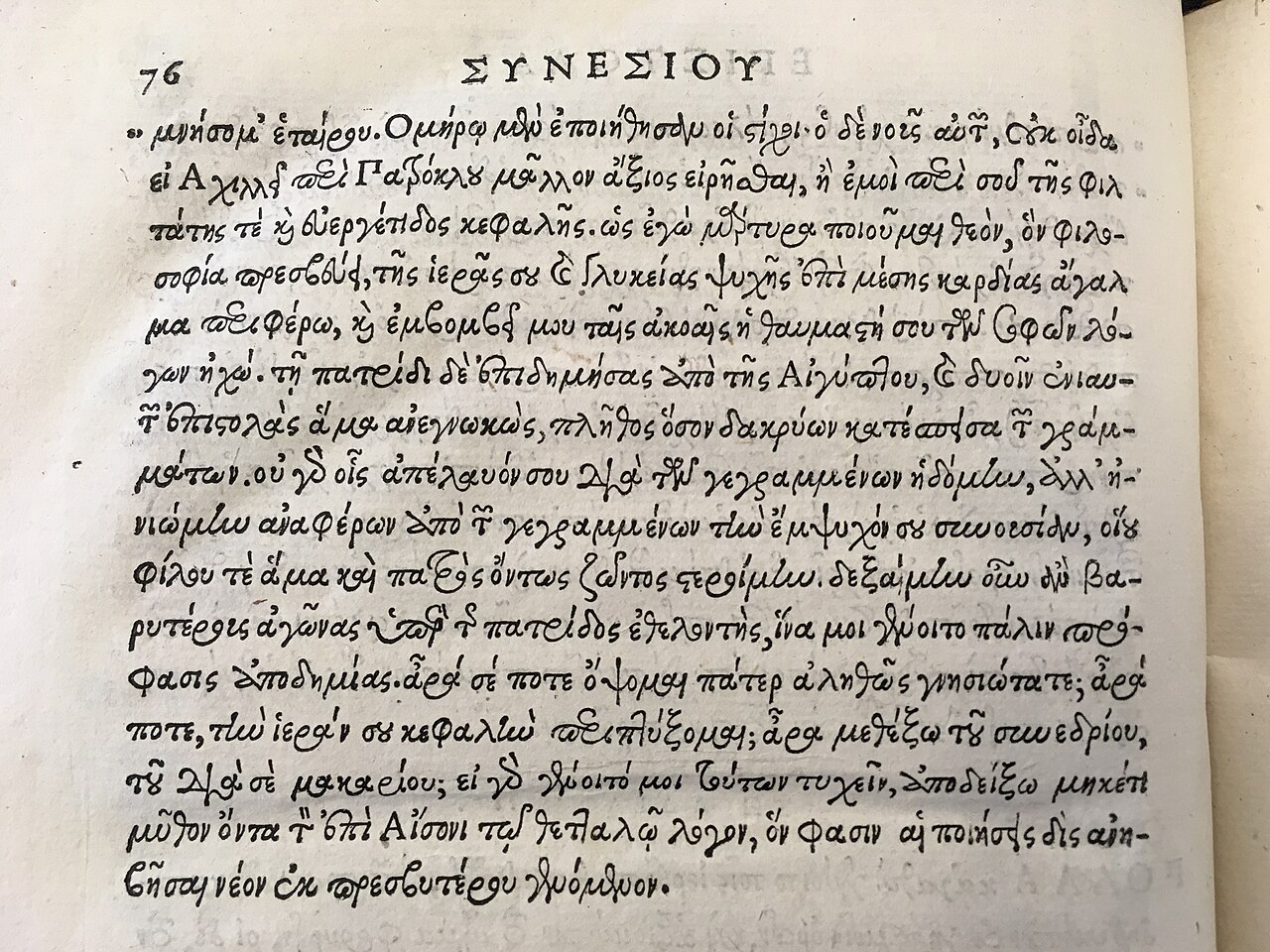 Letter
Secondary source
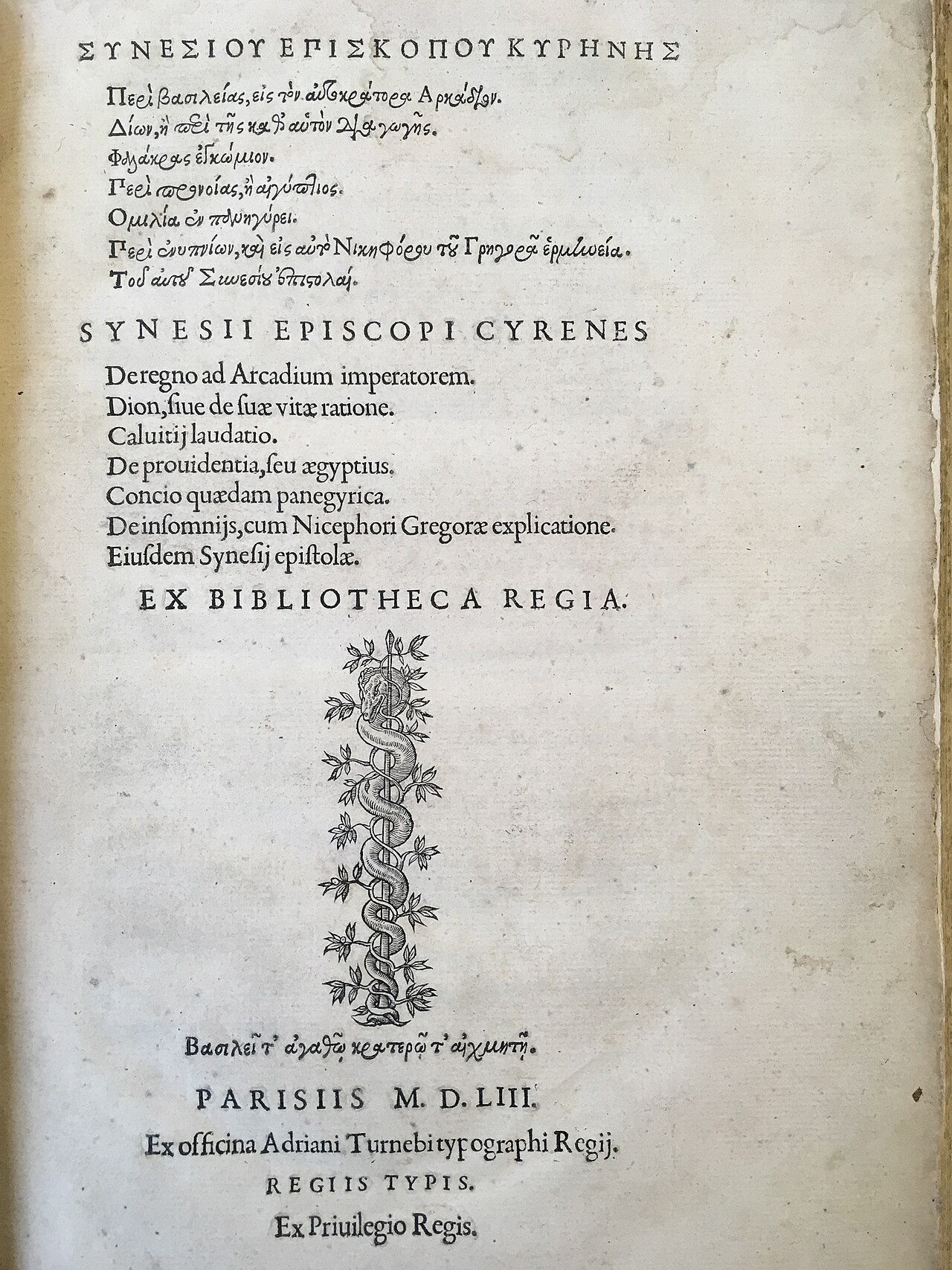
Letter of Synesius to Hypatia (page 76)
Synesius of Cyrene · 1553 (printed edition of a 5th-century letter)
 Letter
Secondary source
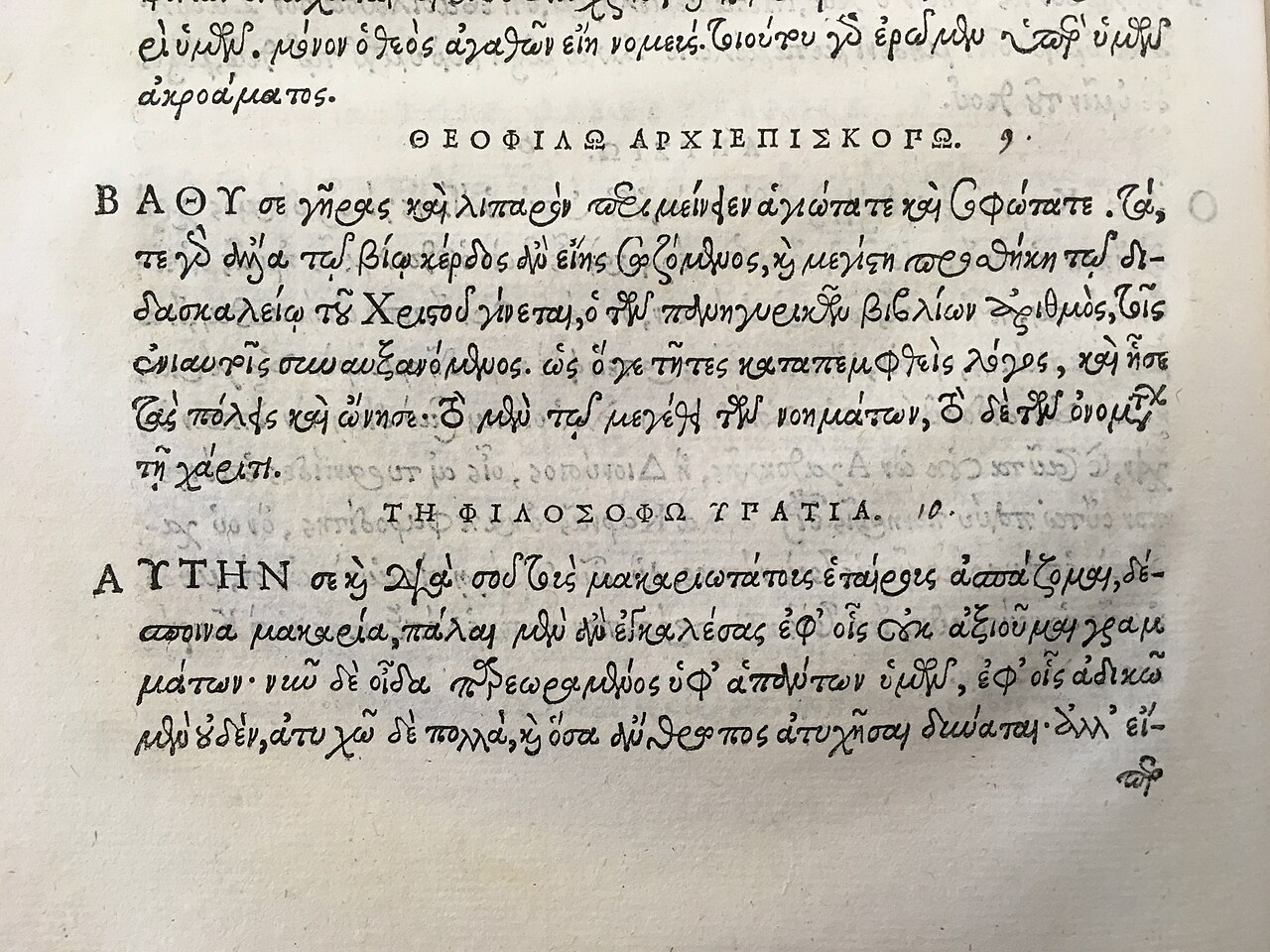
Letter of Synesius to Hypatia (page with address to Theophilus and Hypatia)
Synesius of Cyrene · 1553 (printed edition of a 5th-century letter)
 Book
Secondary source
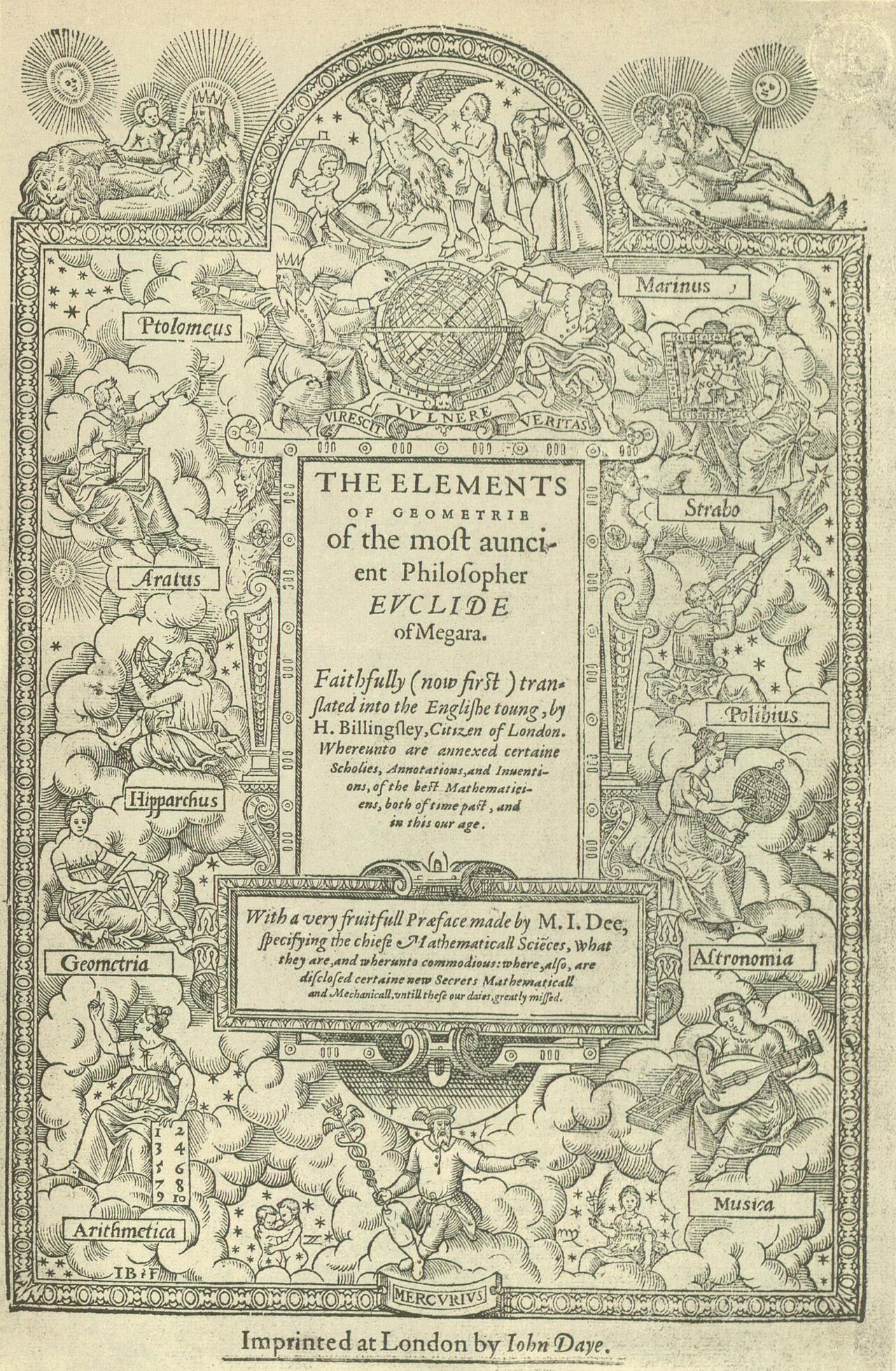
Elements
Euclid · c. 300 BC
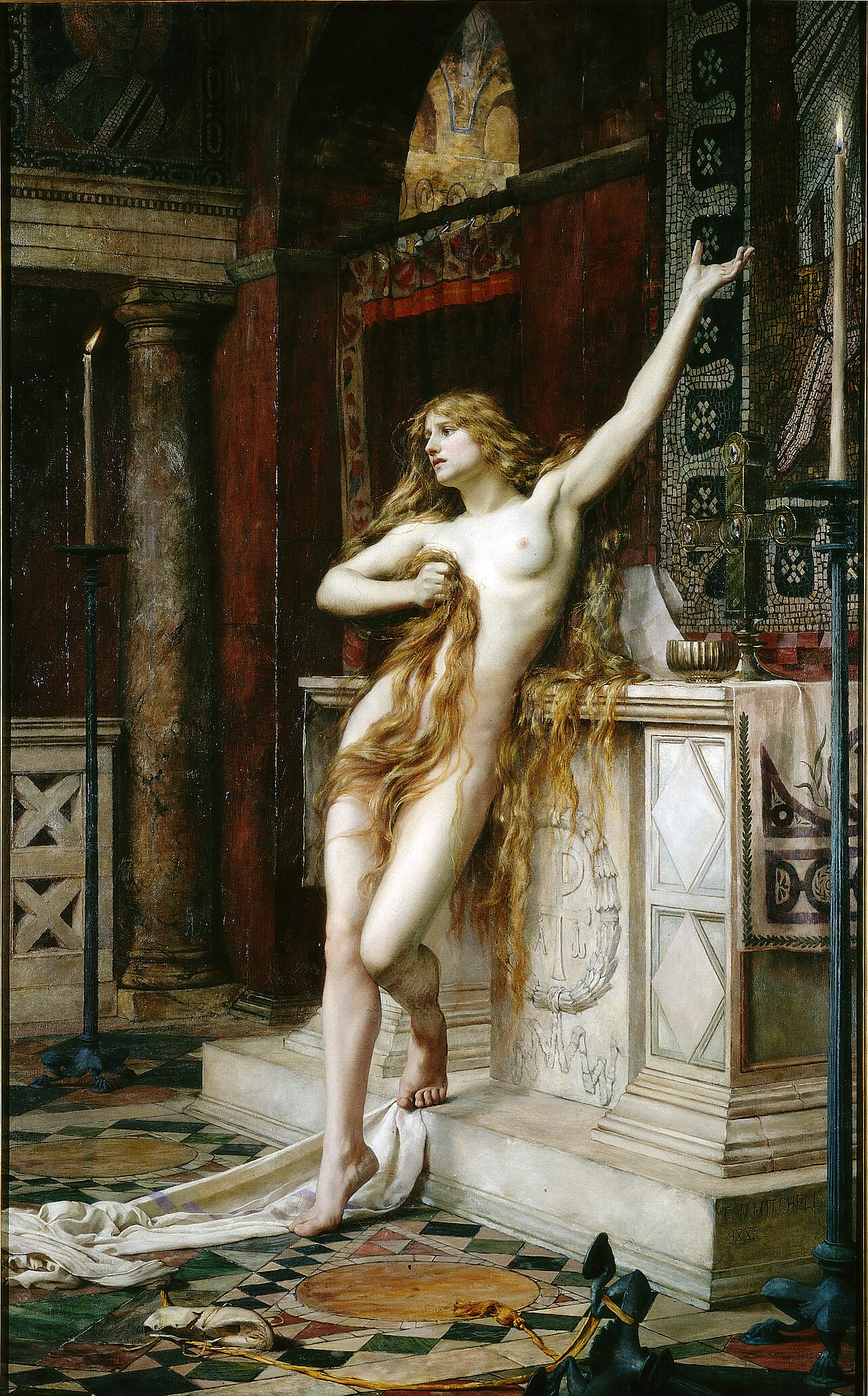 Painting
Secondary source
Hypatia
Charles William Mitchell · 1885
Free account
Read every Hypatia source
Sign up free →
Ready when you are
Start chatting with Hypatia now.
20 messages free · No credit card · Available in 50+ languages.