


Secondary sourcePhotographc. 1952
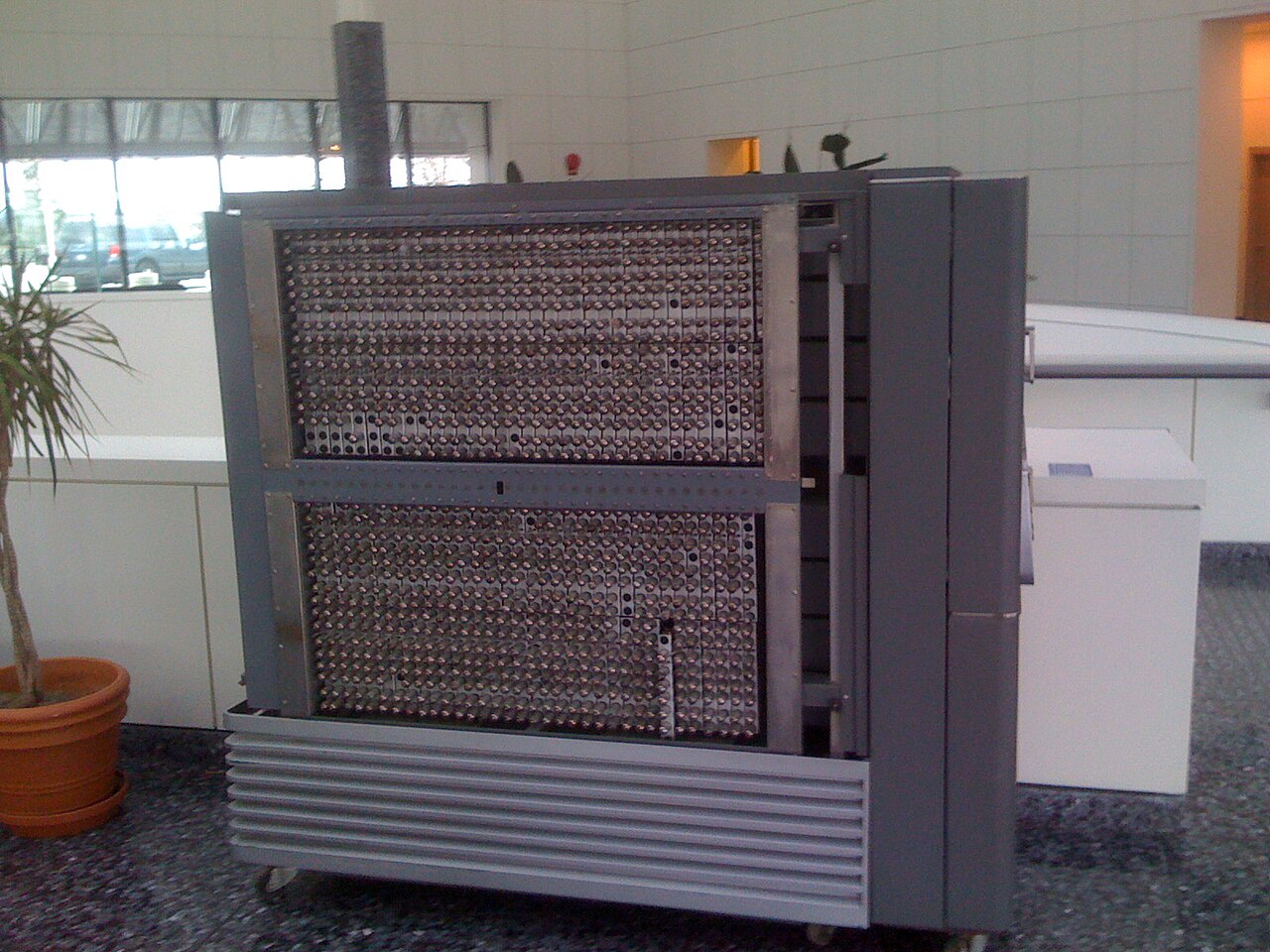
IBM 701 computer frame
Dan · c. 1952
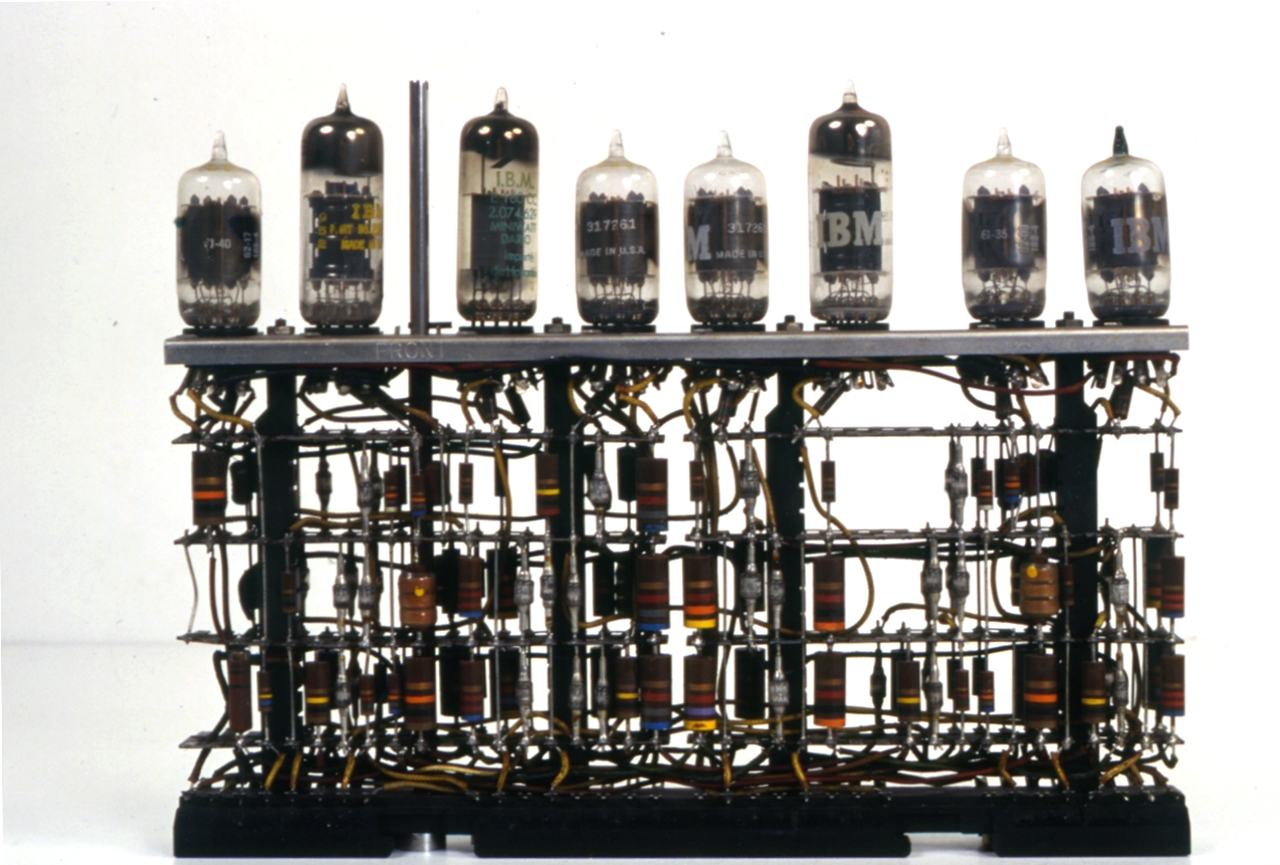
A frame from the IBM 701, the computer Nathaniel Rochester principally designed, showing its vacuum tube modules.
Shows the physical hardware of the IBM 701, the computer that Rochester principally designed.
About this source
What it is
This photograph shows a side view of an IBM 701 computer frame from around 1952, with its casing open to reveal two rows of densely packed vacuum tube modules.
Why it matters
The IBM 701 was the machine that Nathaniel Rochester principally designed, making this frame a direct physical trace of his engineering work. The image shows the sheer scale and complexity of vacuum-tube computing before the transistor era, helping explain why early computers were so large, power-hungry and difficult to maintain.
Look closer
- What does the density of tube modules suggest about the size and cost of building a computer in the early 1950s?
- Why might a photograph of the machine's interior matter as much as one of its exterior?
- What can't you tell about how the machine actually worked just from looking at its hardware?
This photograph is part of the curated material that grounds the AI version of Nathaniel Rochester and Arthur Samuel on Humy.ai — when students ask about related events, the AI can quote it and cite it.
More Nathaniel Rochester sources
Browse all 25 →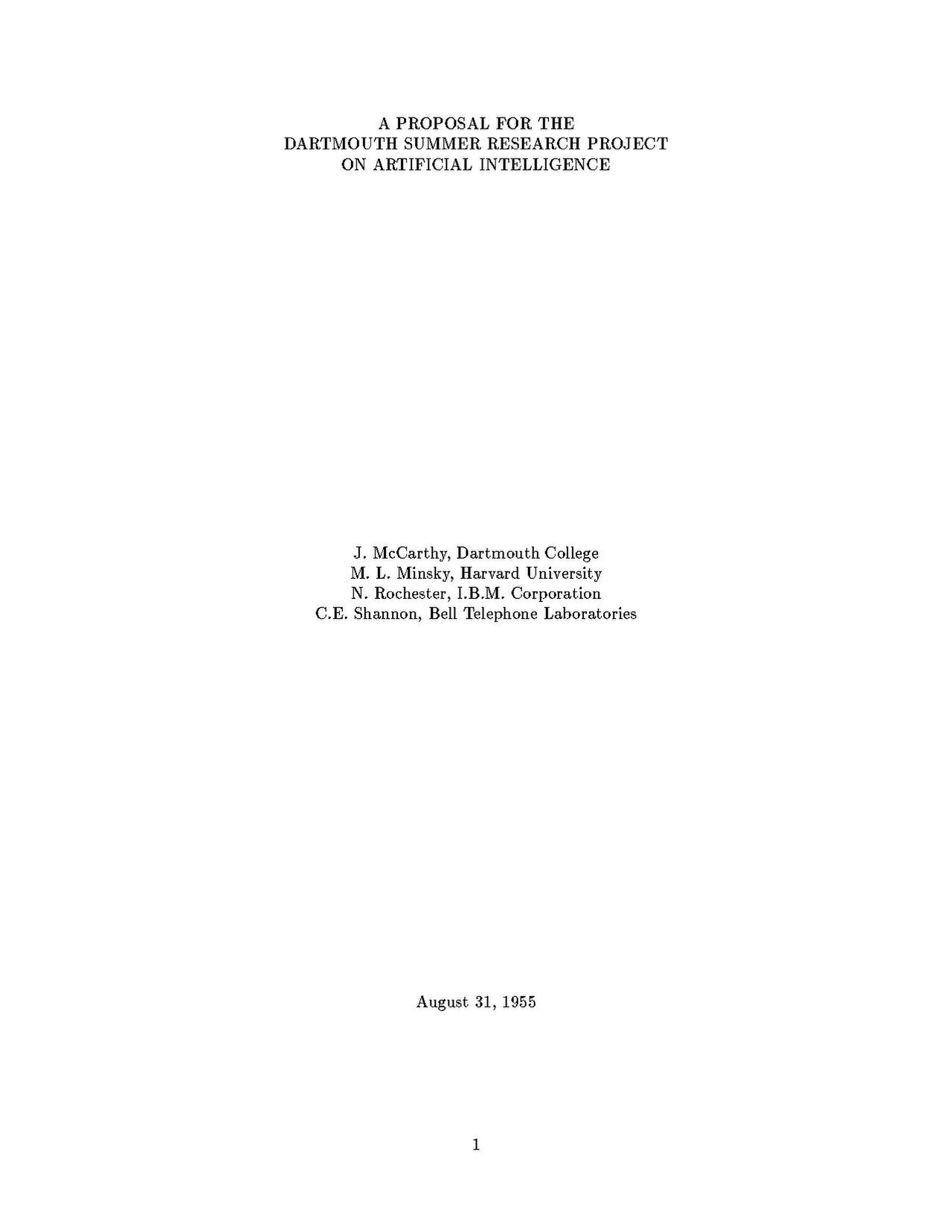 Document
Primary source
A Proposal for the Dartmouth Summer Research Project on Artificial Intelligence
John McCarthy, Marvin Minsky, Nathaniel Rochester, Claude Shannon · 31 August 1955
 Artifact
Primary source
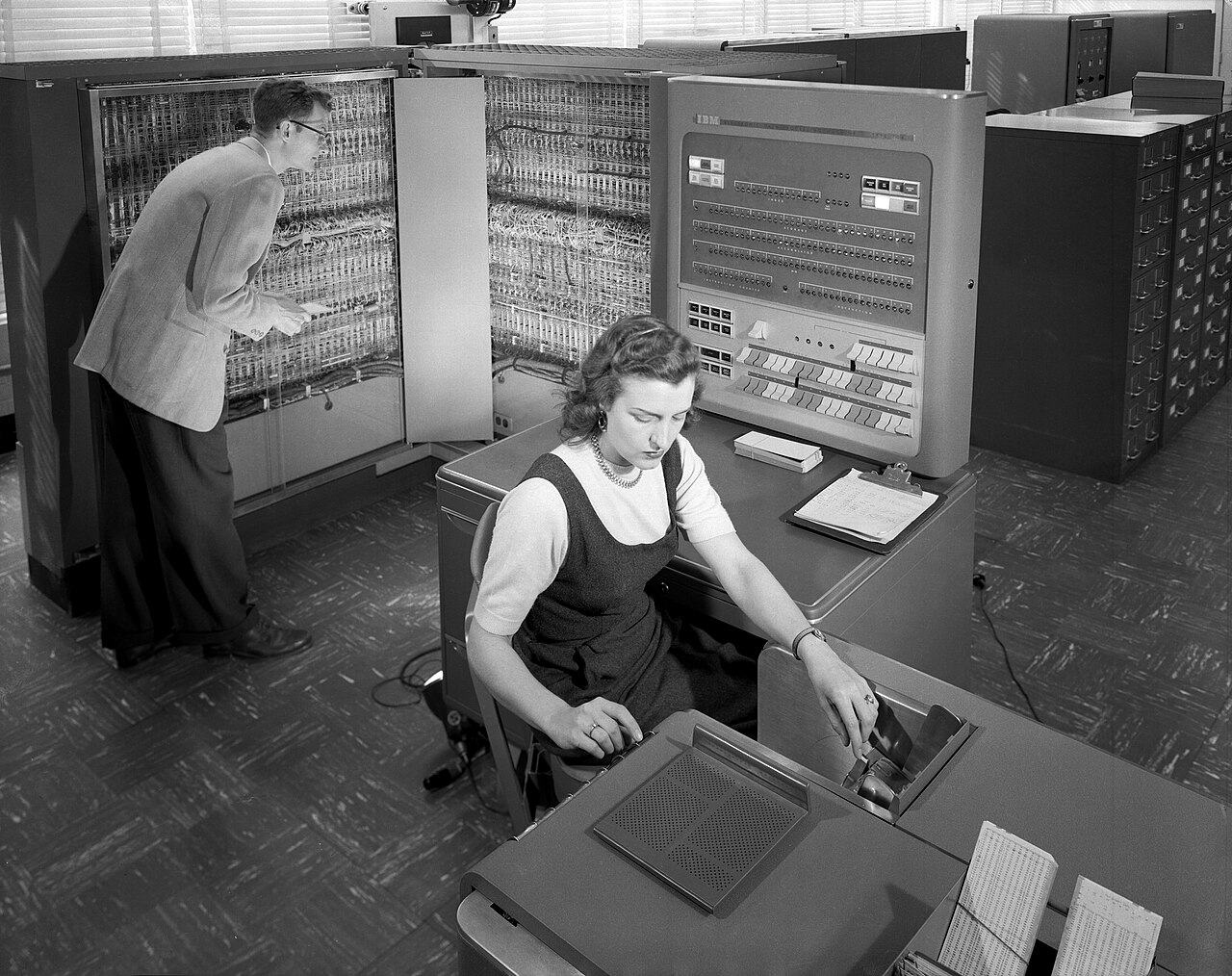
IBM 704
1954
 Photograph
Secondary source
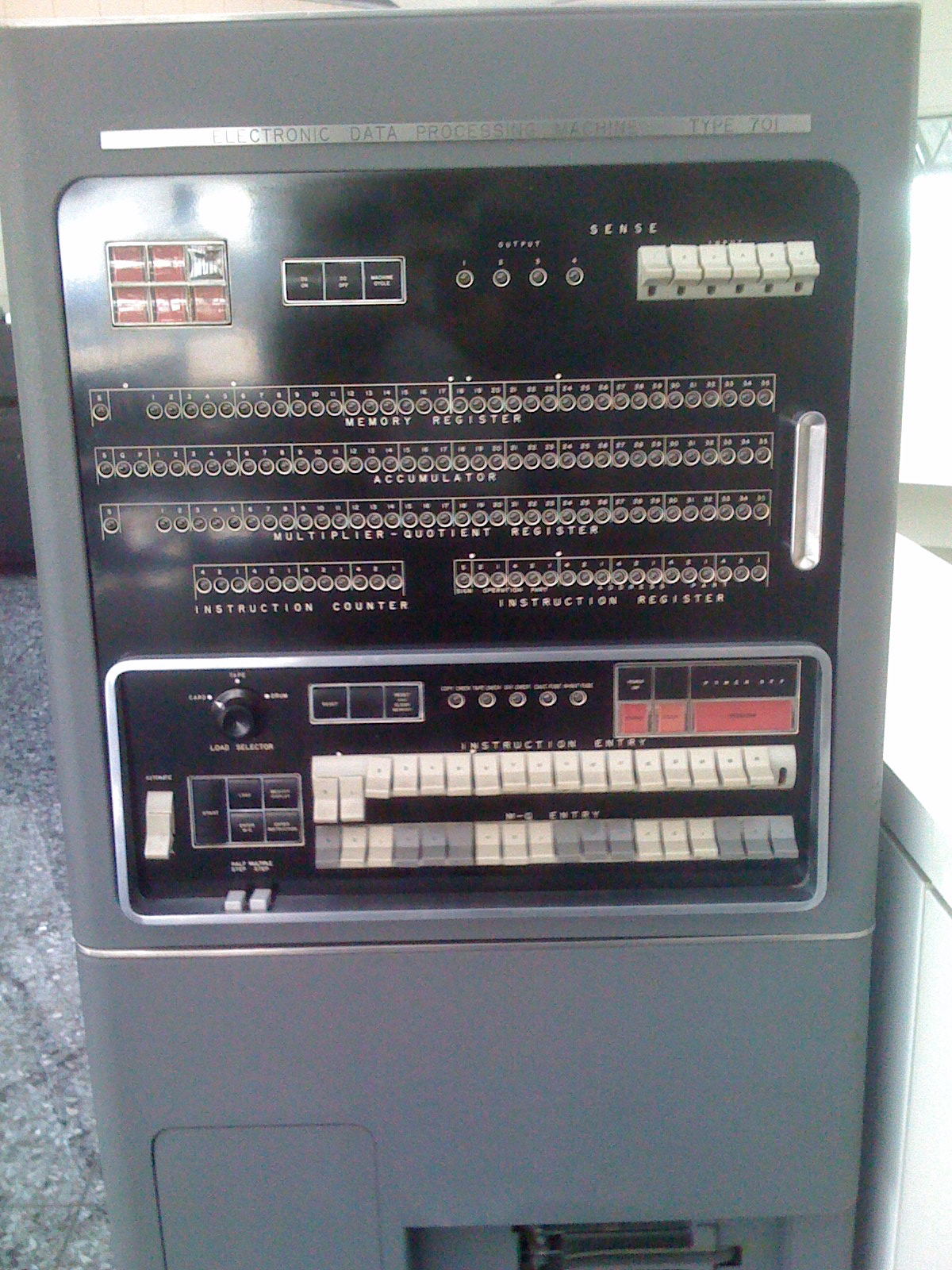
IBM 701 Operator's Console
Dan · introduced 1952
 Artifact
Primary source
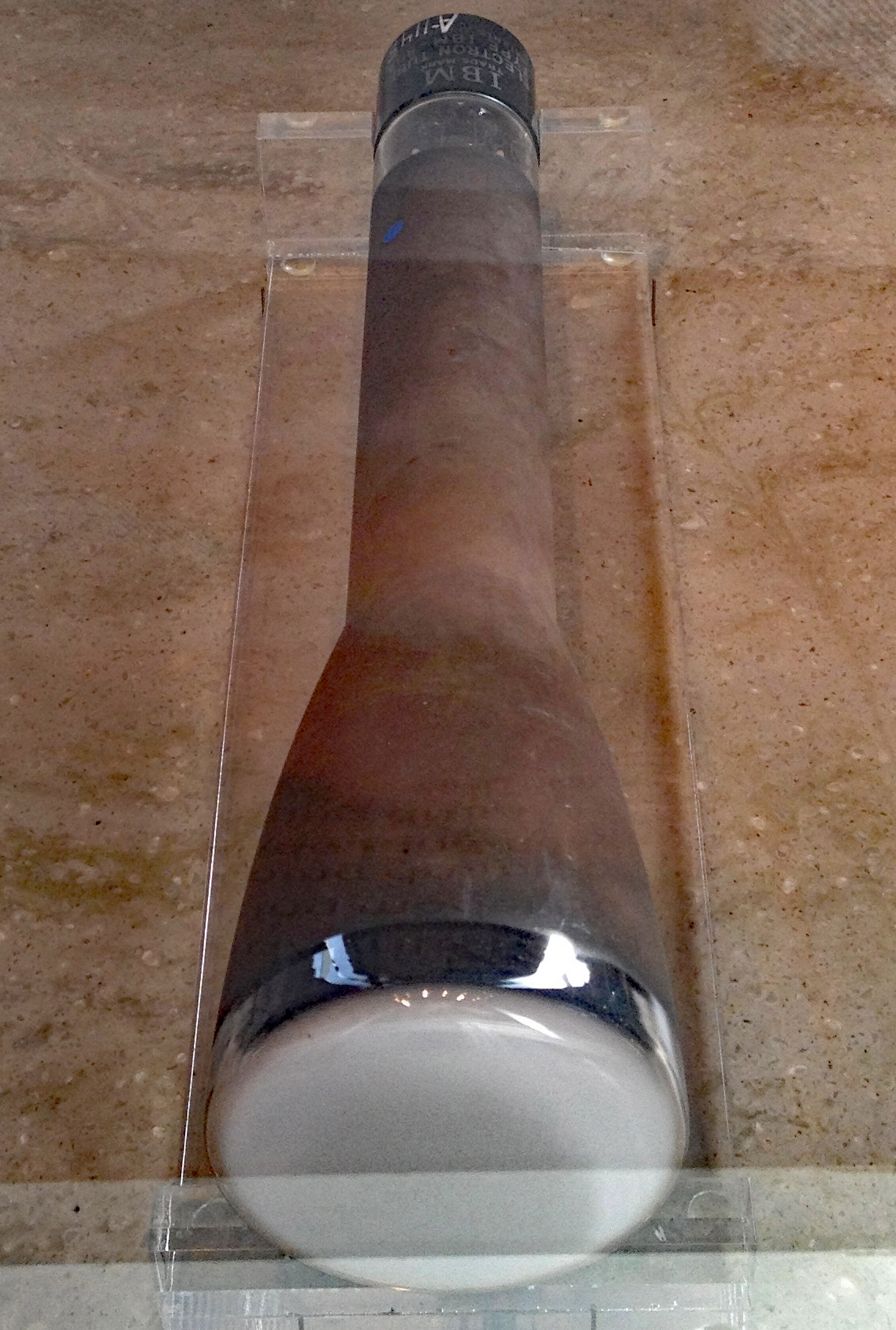
Williams-Kilburn Memory Tube from an IBM 701
1951
Free account
Read every Nathaniel Rochester source
Sign up free →
Ready when you are
Start chatting with Nathaniel Rochester now.
20 messages free · No credit card · Available in 50+ languages.