


Primary sourceArtifact1951
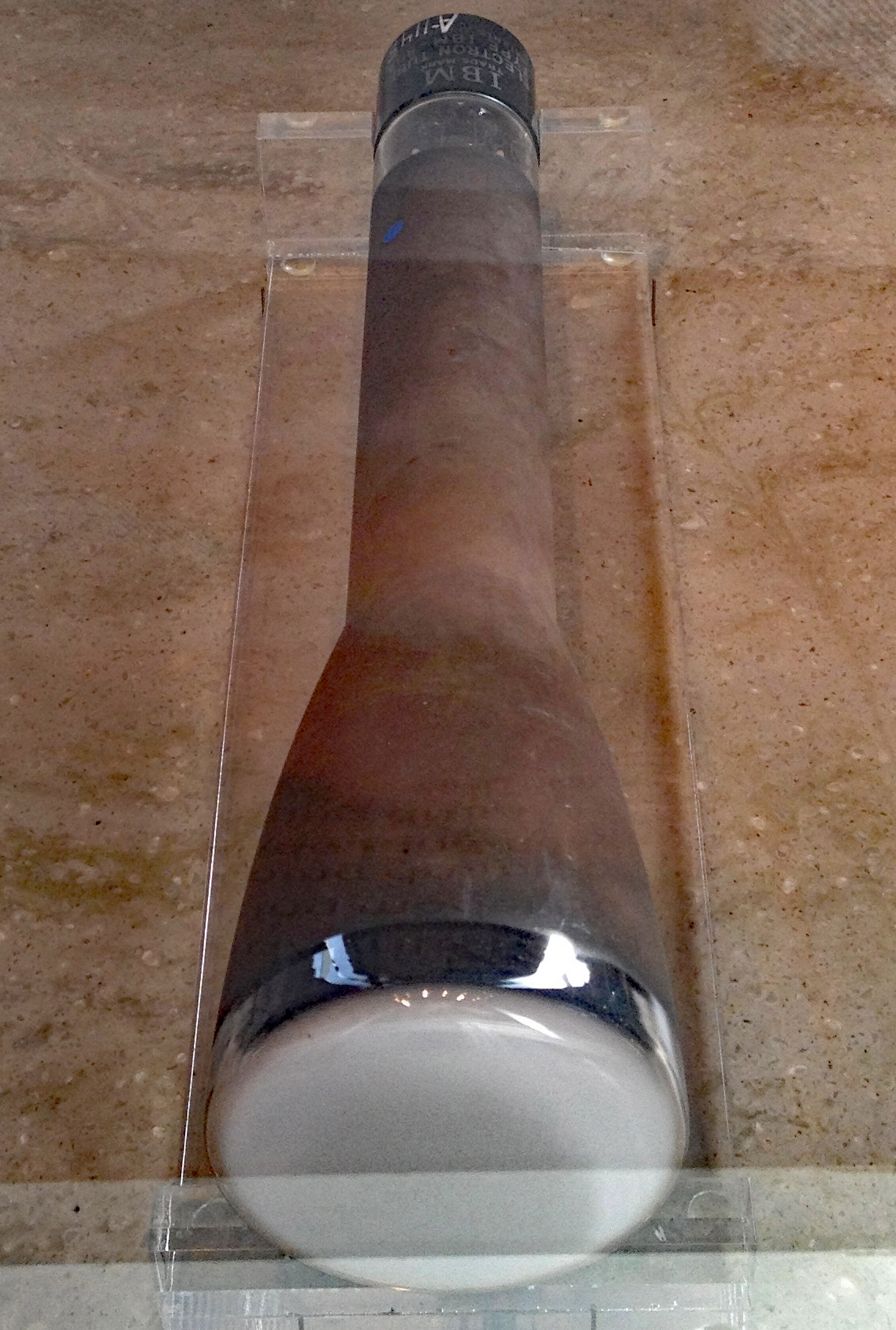
Williams-Kilburn Memory Tube from an IBM 701
1951
A memory tube from the IBM 701, the computer Nathaniel Rochester principally designed, now held at the Computer History Museum.
A physical memory component from the IBM 701, the computer Rochester principally designed.
About this source
What it is
This is a photograph of a Williams-Kilburn tube, a type of memory device, taken from an IBM 701 computer dating to 1951. It is held at the Computer History Museum.
Why it matters
The IBM 701 was designed principally by Nathaniel Rochester, and this tube was one of the memory components inside that machine. Williams-Kilburn tubes were an early method of storing data electronically before the invention of magnetic-core memory, and surviving physical components like this one let historians study the actual technology used in pioneering computers.
Look closer
- What does the physical size and shape of this tube suggest about the memory capacity of early computers compared to today?
- Why might museums preserve individual components like this rather than only whole machines?
- What does this object not tell you about how the IBM 701 was actually used or by whom?
This artifact is part of the curated material that grounds the AI version of Nathaniel Rochester and Arthur Samuel on Humy.ai — when students ask about related events, the AI can quote it and cite it.
More Nathaniel Rochester sources
Browse all 25 →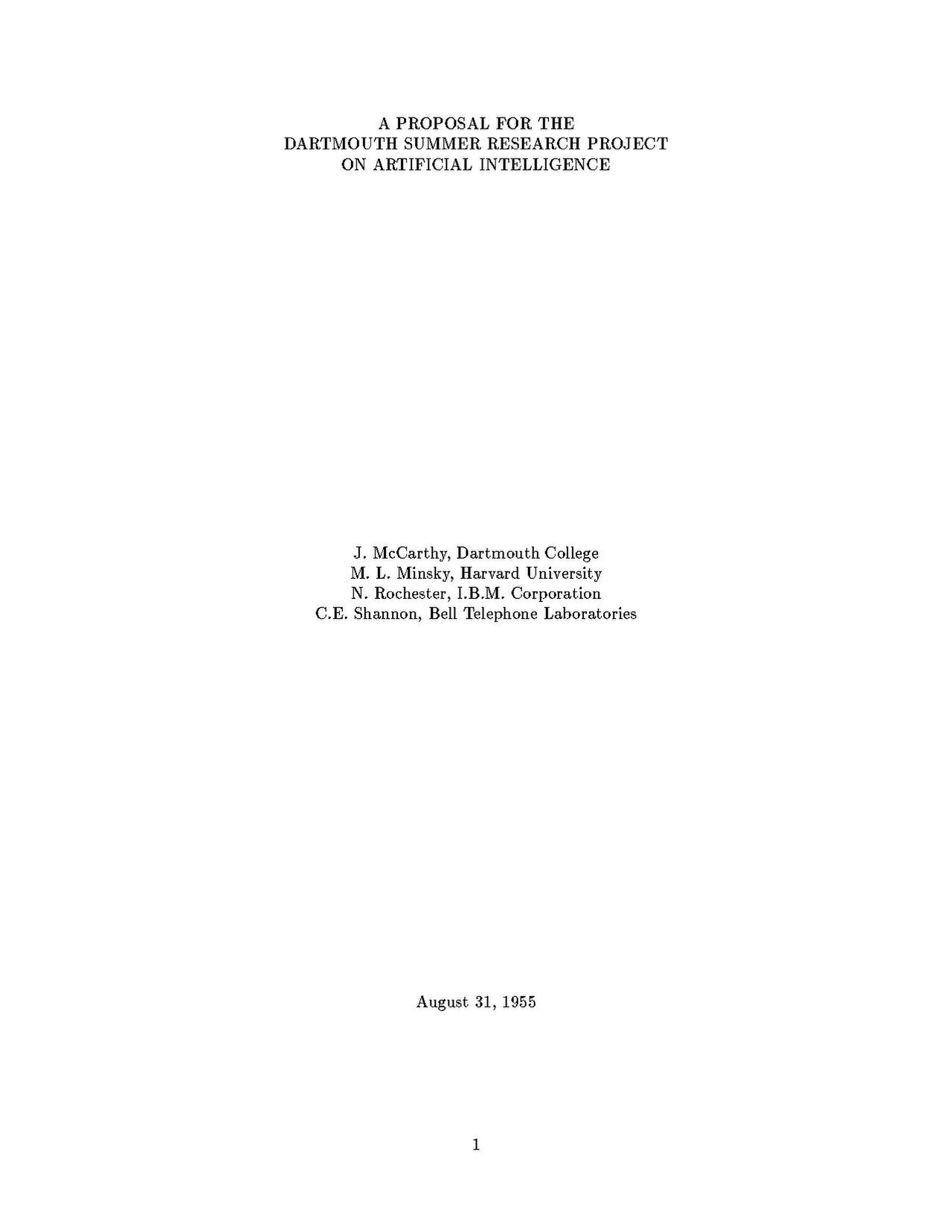 Document
Primary source
A Proposal for the Dartmouth Summer Research Project on Artificial Intelligence
John McCarthy, Marvin Minsky, Nathaniel Rochester, Claude Shannon · 31 August 1955
 Artifact
Primary source
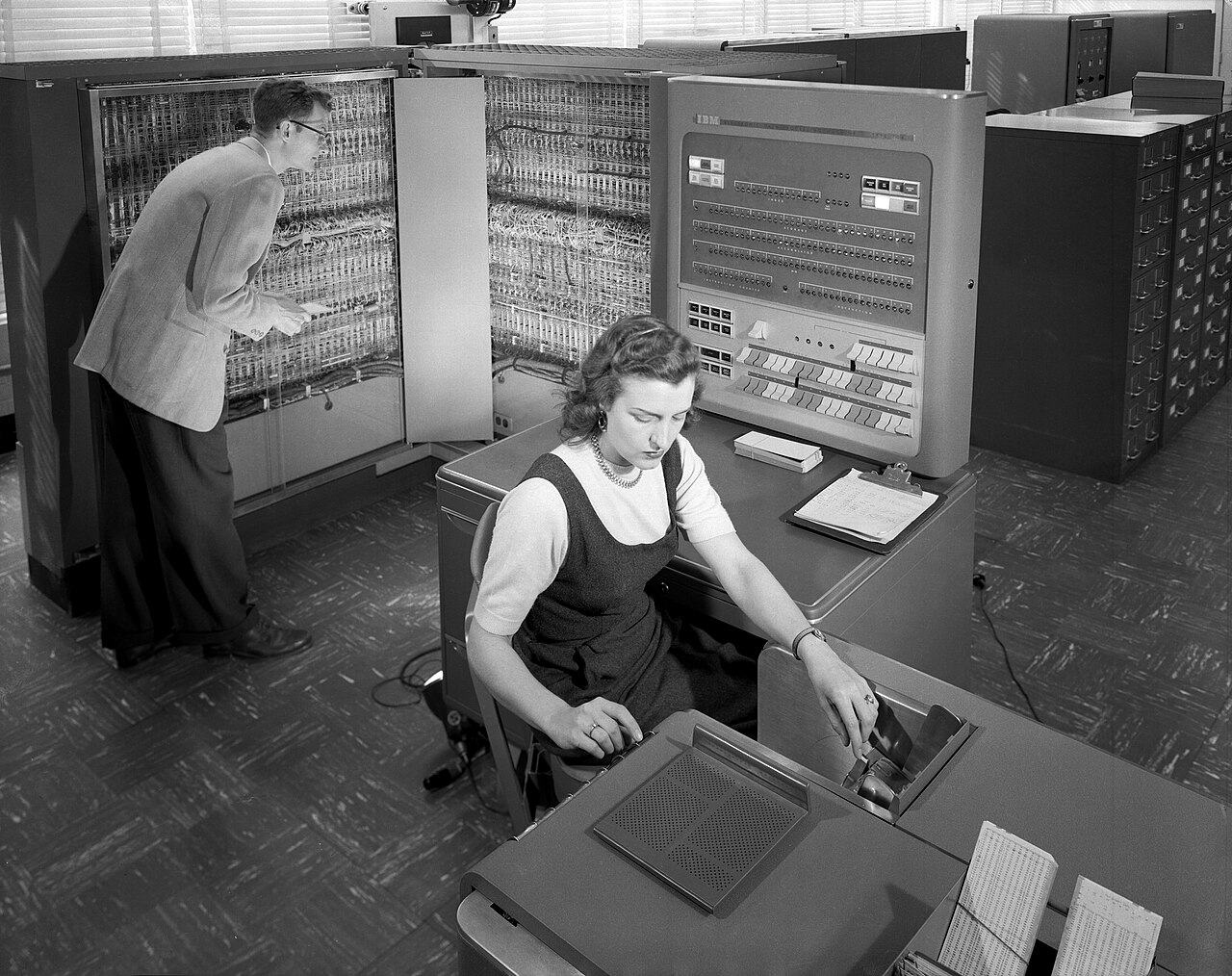
IBM 704
1954
 Photograph
Secondary source
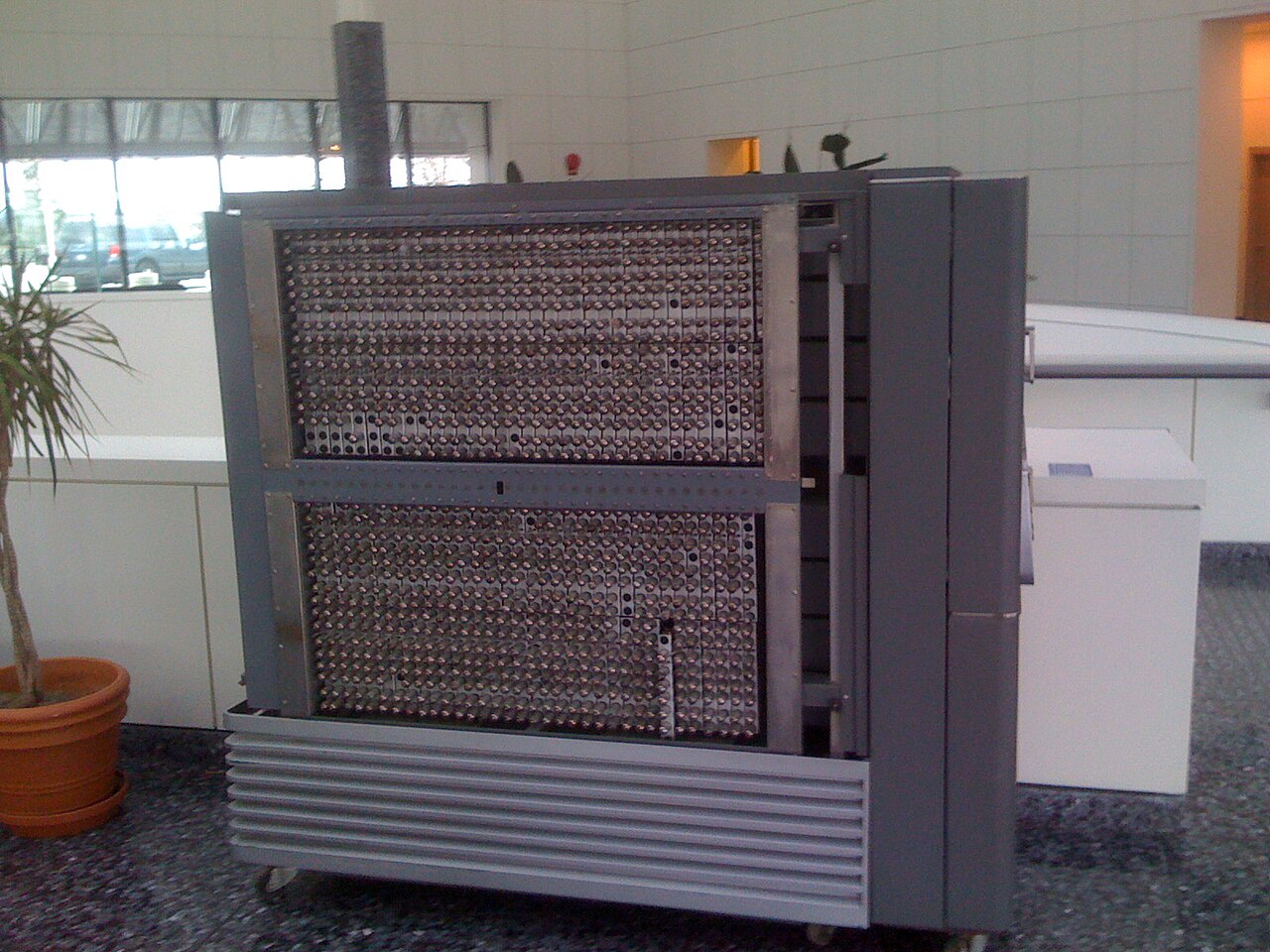
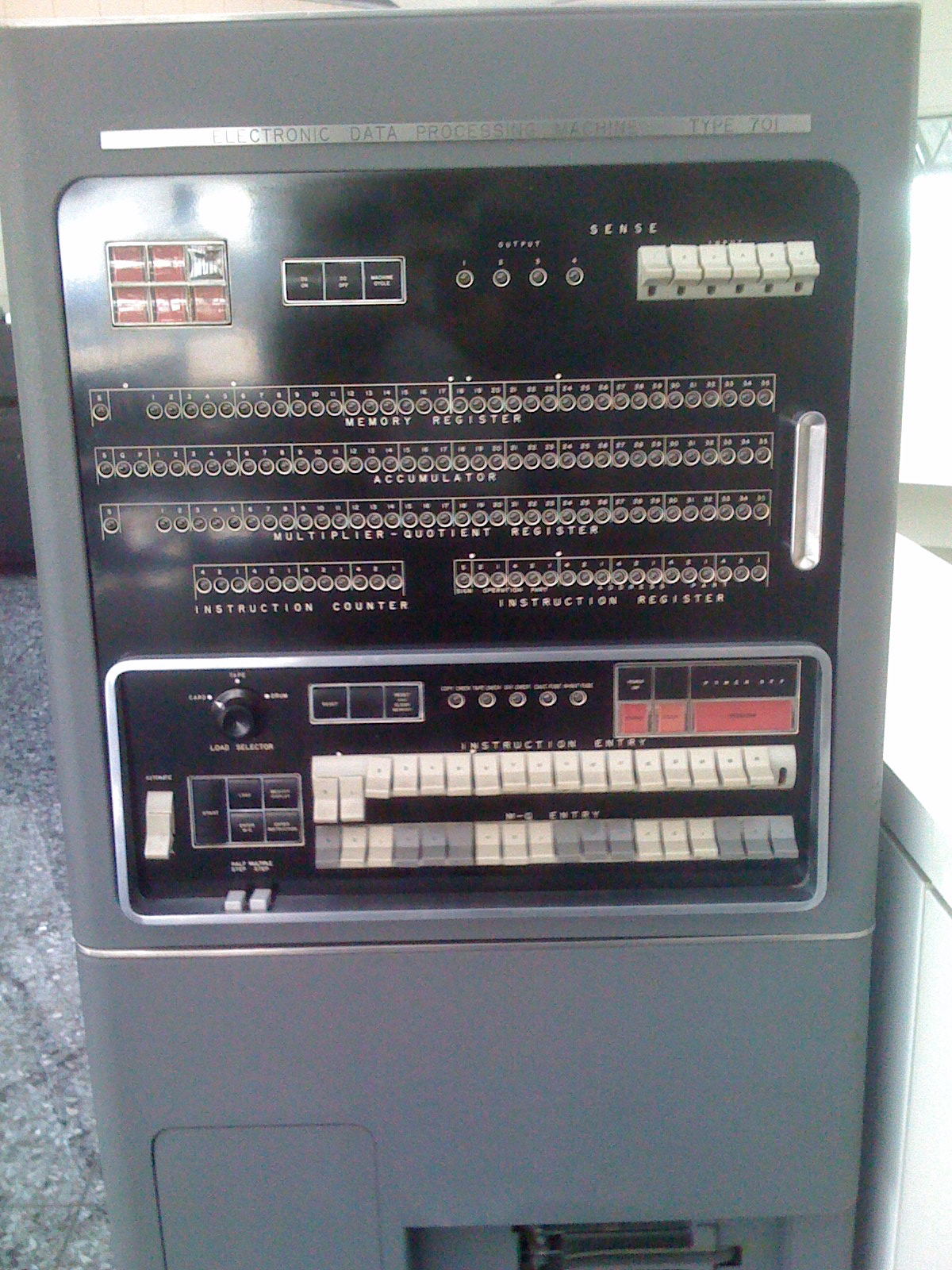
IBM 701 computer frame
Dan · c. 1952
 Photograph
Secondary source
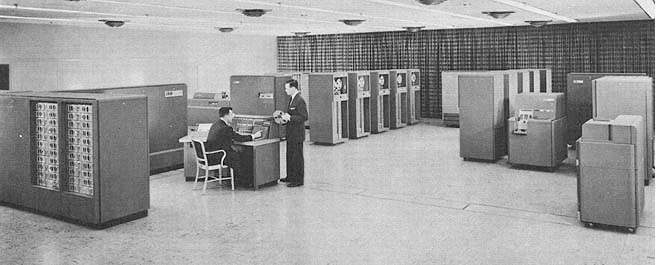
IBM 701 Operator's Console
Dan · introduced 1952
Free account
Read every Nathaniel Rochester source
Sign up free →
Ready when you are
Start chatting with Nathaniel Rochester now.
20 messages free · No credit card · Available in 50+ languages.