


Secondary sourceArtifact
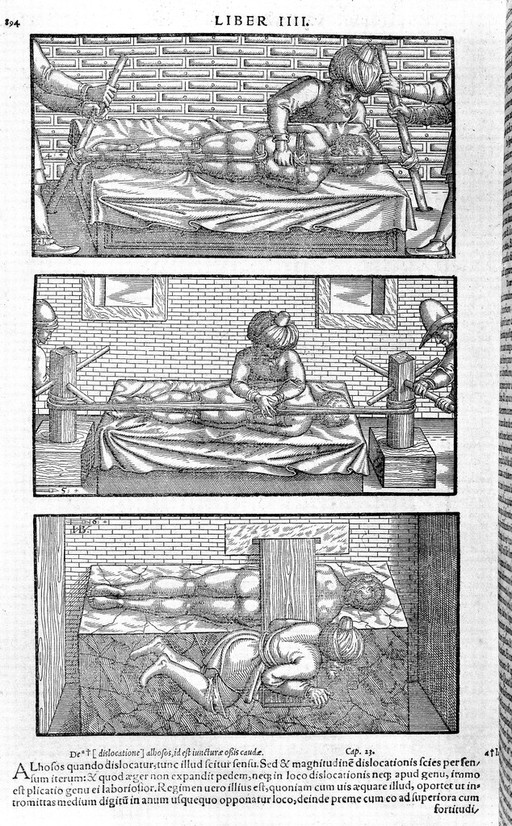
Illustrations of Cupping, Dislocation and Massage from the Liber Canonis
Printed woodcut illustrations from a Latin edition of Avicenna's Canon showing medical treatments for dislocation and other ailments.
Printed illustrations from a Latin edition of Avicenna's own medical text, showing his practical treatments in use.
About this source
What it is
This printed page comes from a Latin edition of Avicenna's Liber canonis (Canon of Medicine). It shows three woodcut illustrations of patients undergoing treatments such as cupping, being set for a dislocation, and massage, with restraining devices shown in use. It is held by the Wellcome Collection.
Why it matters
These illustrations reveal how practical and physical medieval medicine could be. The Canon was translated into Latin and printed in Europe, spreading Avicenna's methods for treating injuries far beyond the Islamic world where he first wrote them.
Look closer
- What do the restraints and straps in the pictures tell you about how dislocations were treated at the time?
- Why might a printer choose to illustrate these treatments rather than just describing them in words?
- What does the survival of this printed page tell us about how Avicenna's work spread into Europe?
This artifact is part of the curated material that grounds the AI version of Avicenna on Humy.ai — when students ask about related events, the AI can quote it and cite it.
More Avicenna sources
Meet the AI Avicenna →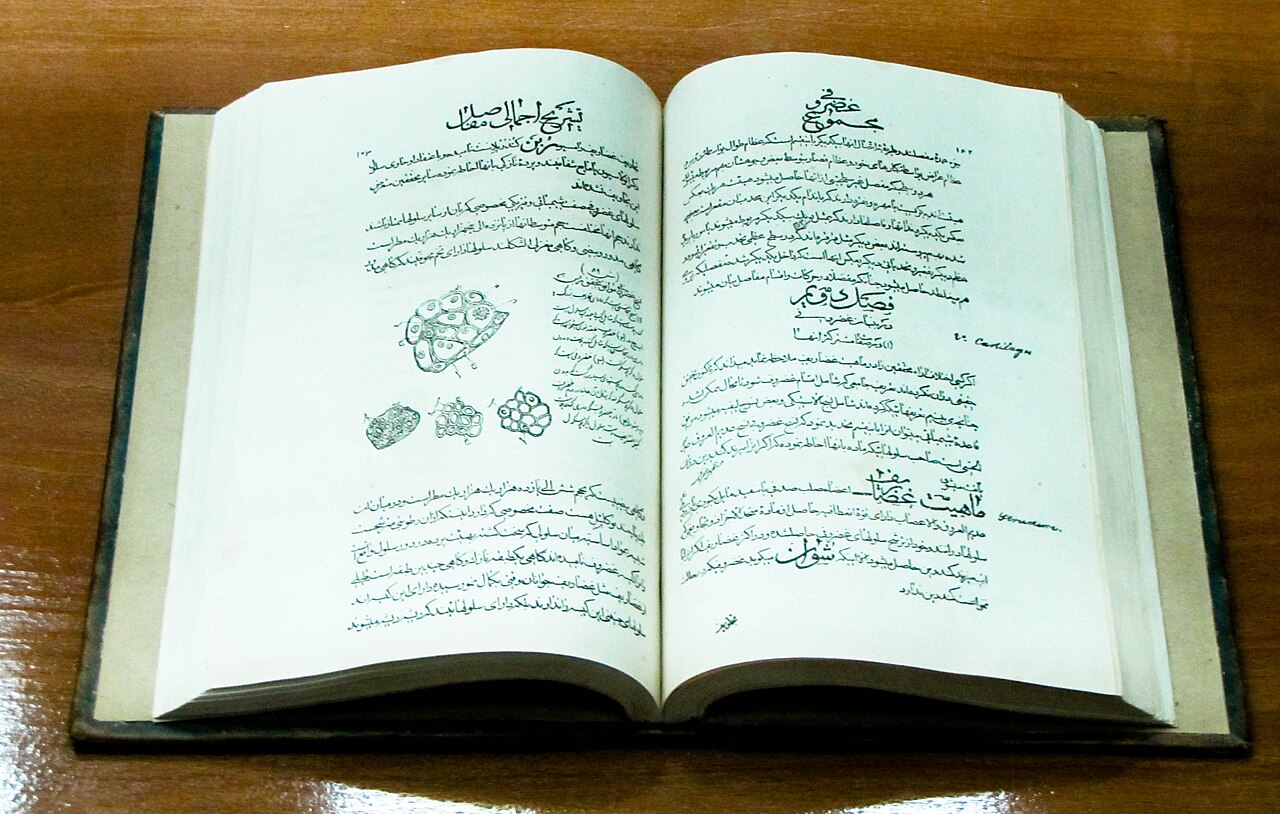 Book
Secondary source
Canon of Medicine
Avicenna · 1025
 Book
Primary source
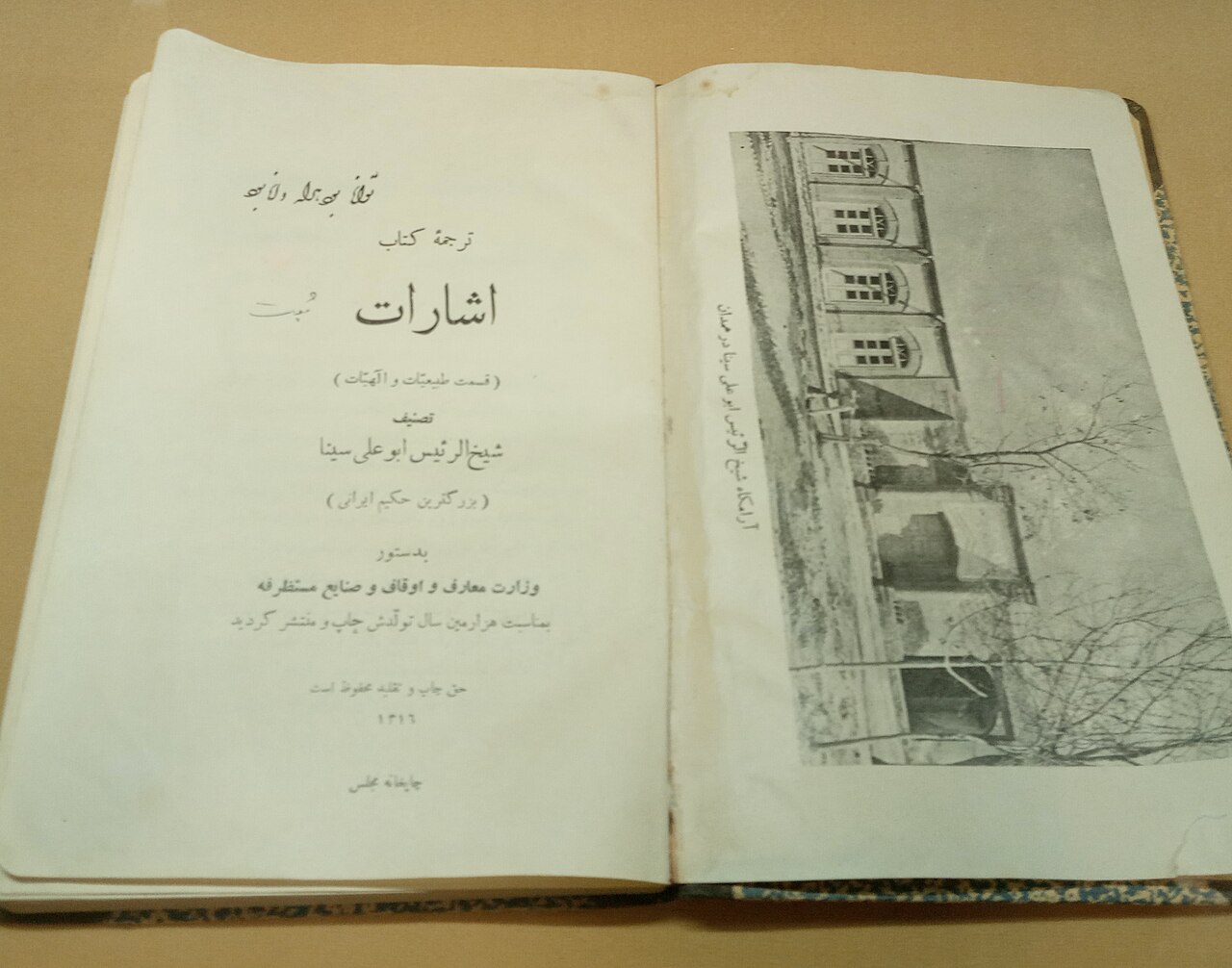
Al-Isharat wa al-Tanbihat
Avicenna
Secondary source
Commentary on Anatomy in Avicenna's Canon
Ibn al-Nafis · 13th century
 Painting
Secondary source
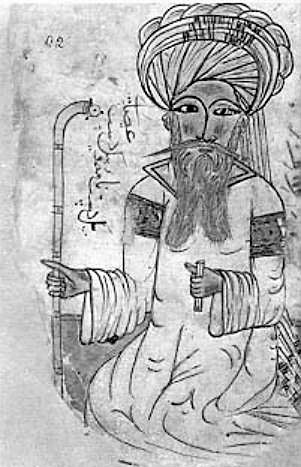
Avicenna (Subtilties of Truth manuscript image)
Beckwith · 1271
 Painting
Secondary source
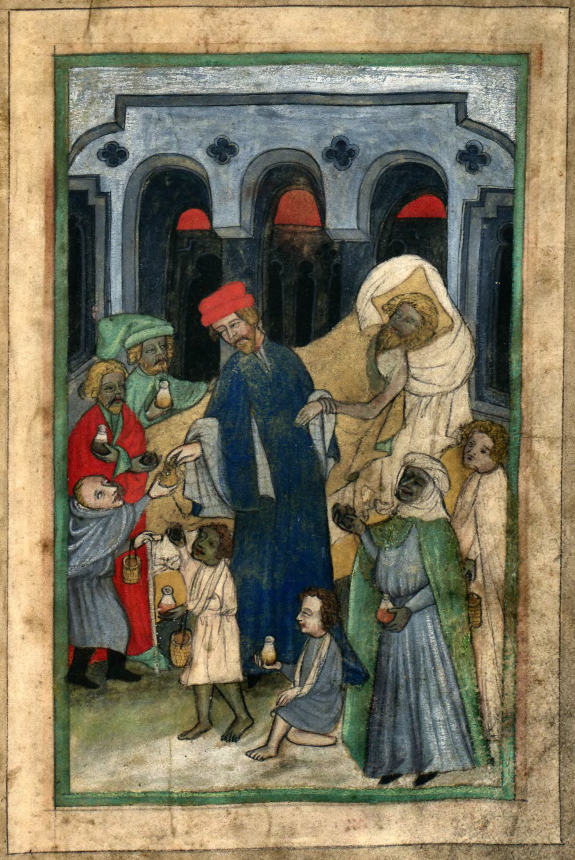
Avicenna at the Sickbed
Walenty z Pilzna · c. 1479-1480
Ready when you are
Start chatting with Avicenna now.
20 messages free · No credit card · Available in 50+ languages.