


Secondary sourceArtifact
Image of Edessa
A legendary cloth icon said to bear the face of Jesus, central to Byzantine traditions of an image 'not made by human hands'.
A legendary relic said to carry Jesus's own miraculous facial image, central to how he was pictured in Christian art.
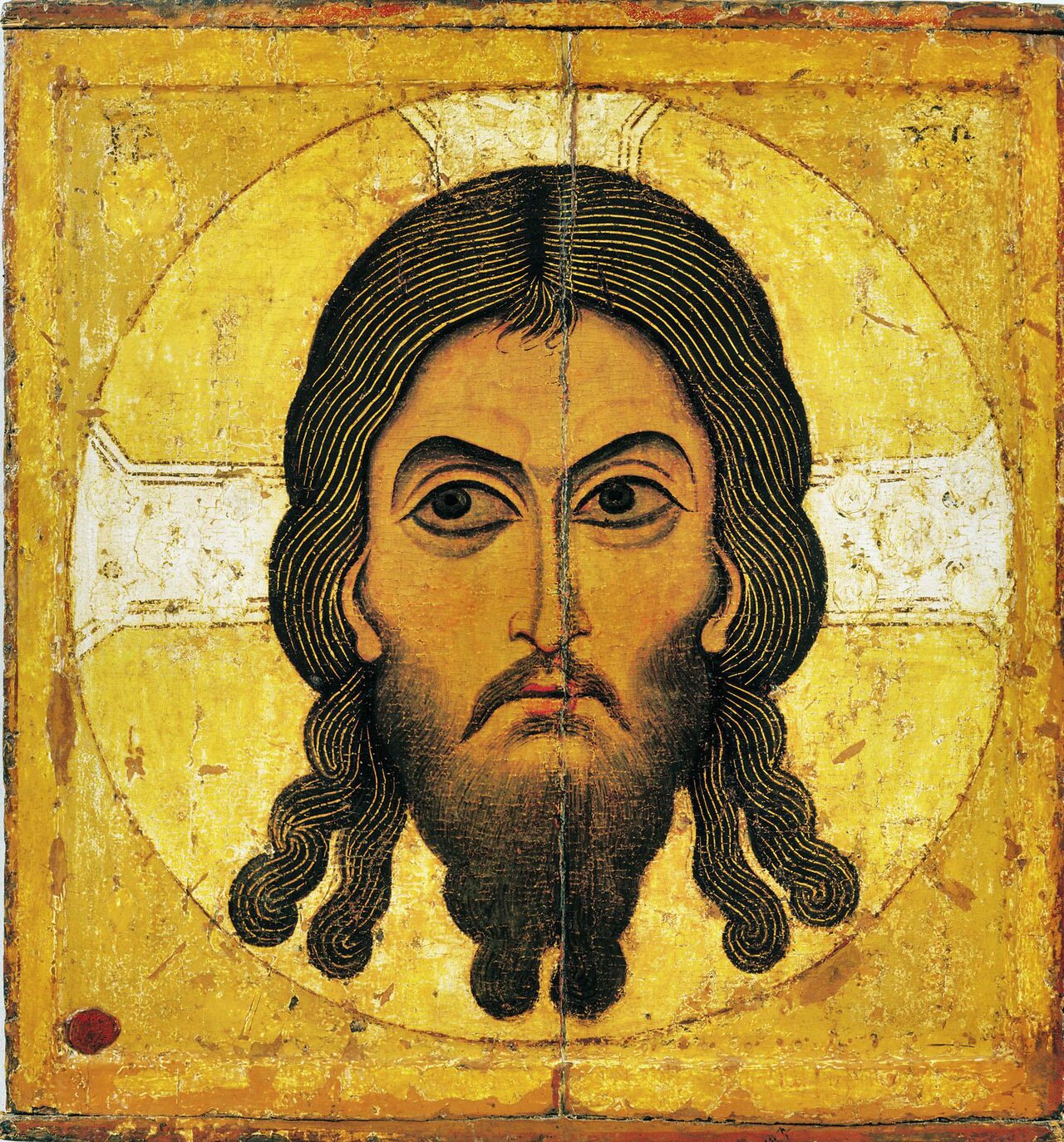
About this source
What it is
The Image of Edessa, also called the Mandylion, is a relic described in Christian tradition as a cloth bearing a miraculous imprint of the face of Jesus Christ. Byzantine tradition called it an acheiropoieton — an image not made by human hands. The legend connects it to King Abgar of Edessa, who was said to have written to Jesus asking for healing. The relic was reportedly kept in Edessa, later moved to Constantinople, and disappeared after the city was sacked in 1204.
Why it matters
The Image of Edessa became one of the most important models for how Christians pictured Jesus's face, shaping centuries of icon painting. The legend around it, involving King Abgar and various messengers and painters, grew and changed over centuries, showing how religious stories can develop long after the events they describe.
Look closer
- What details in the painted icon suggest it is meant to look miraculous rather than like an ordinary portrait?
- Why might people want an image believed to be made without human hands?
- How does the story of this relic change across different early writers?
This artifact is part of the curated material that grounds the AI version of Jesus Christ on Humy.ai — when students ask about related events, the AI can quote it and cite it.
More Jesus Christ sources
Meet the AI Jesus Christ →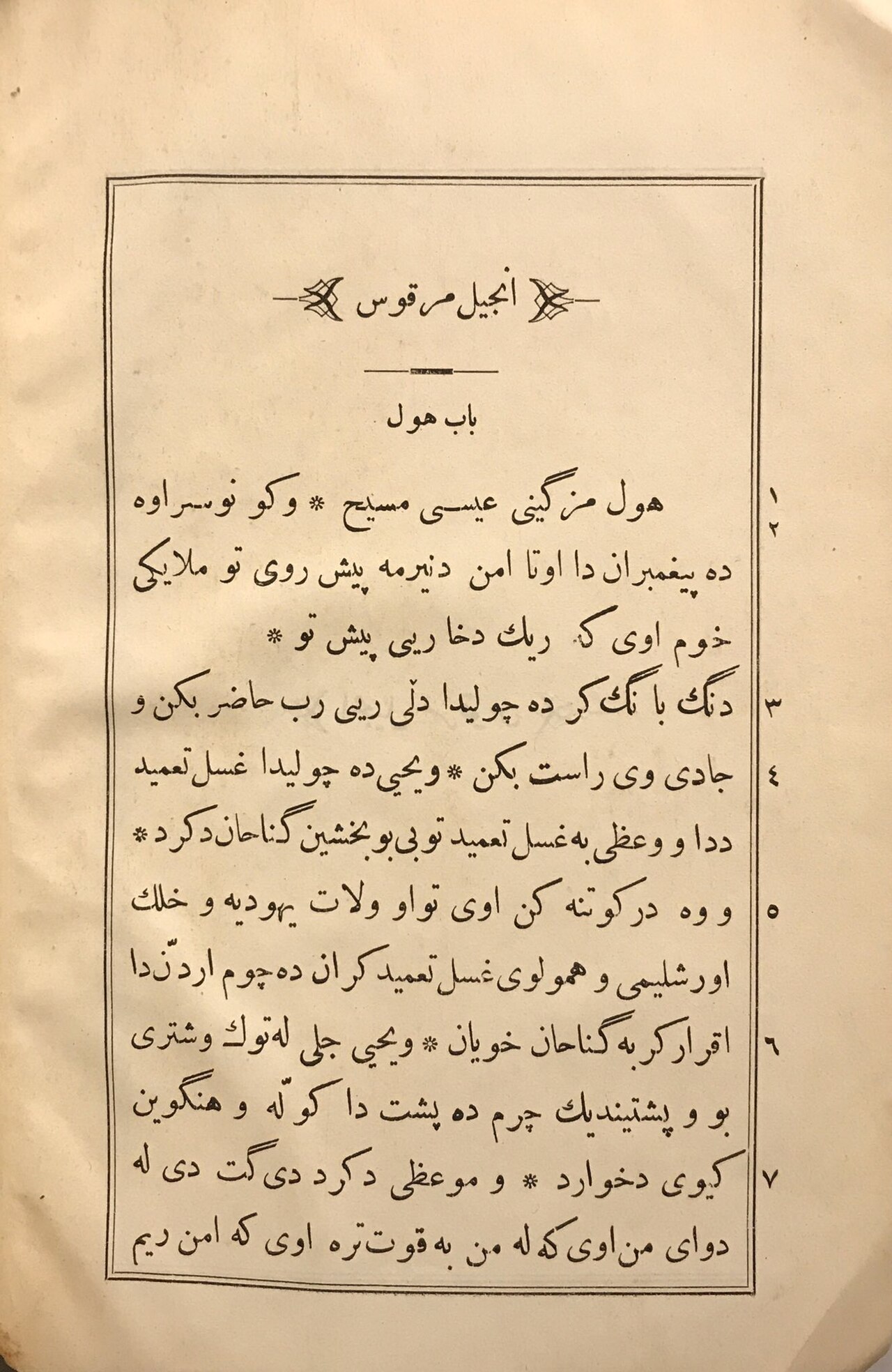 Book
Secondary source
Gospel of Mark
Mark the Evangelist · c. AD 66-75
 Artifact
Secondary source
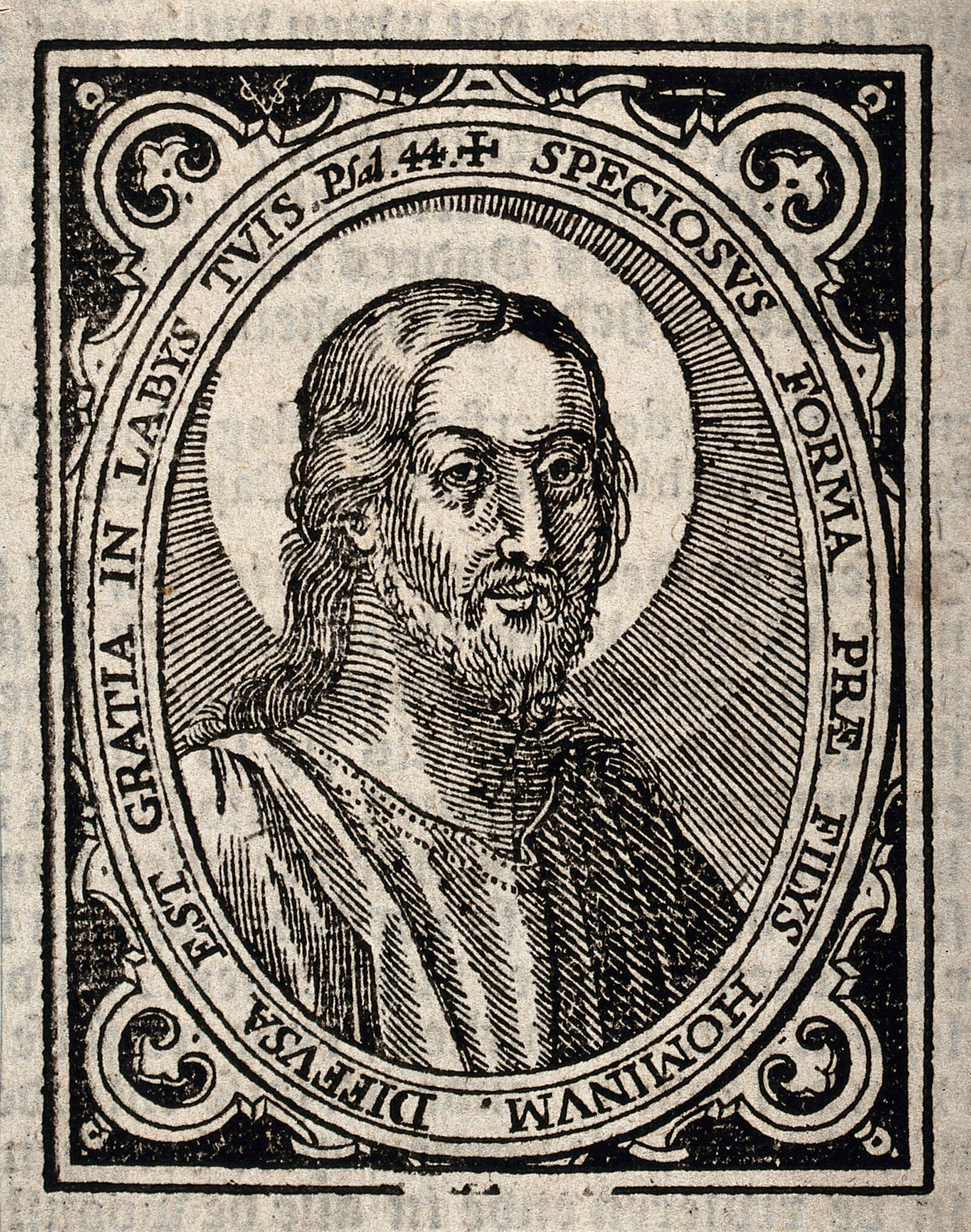
Jesus Christ, woodcut by Christoffel van Sichem III
Christoffel van Sichem III · c. 1645
 Book
Secondary source
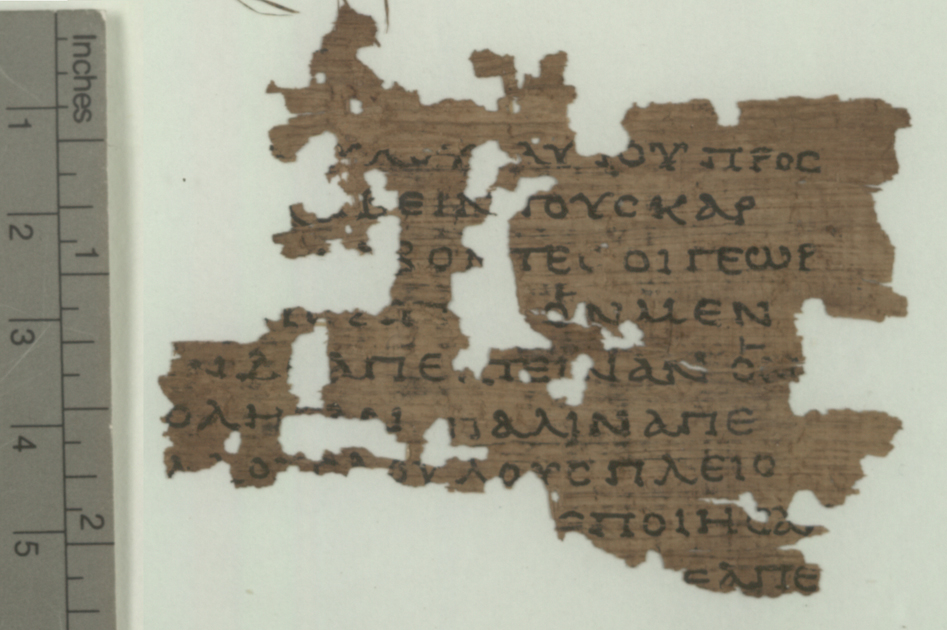
Gospel of Matthew
Matthew the Apostle · late 1st century AD
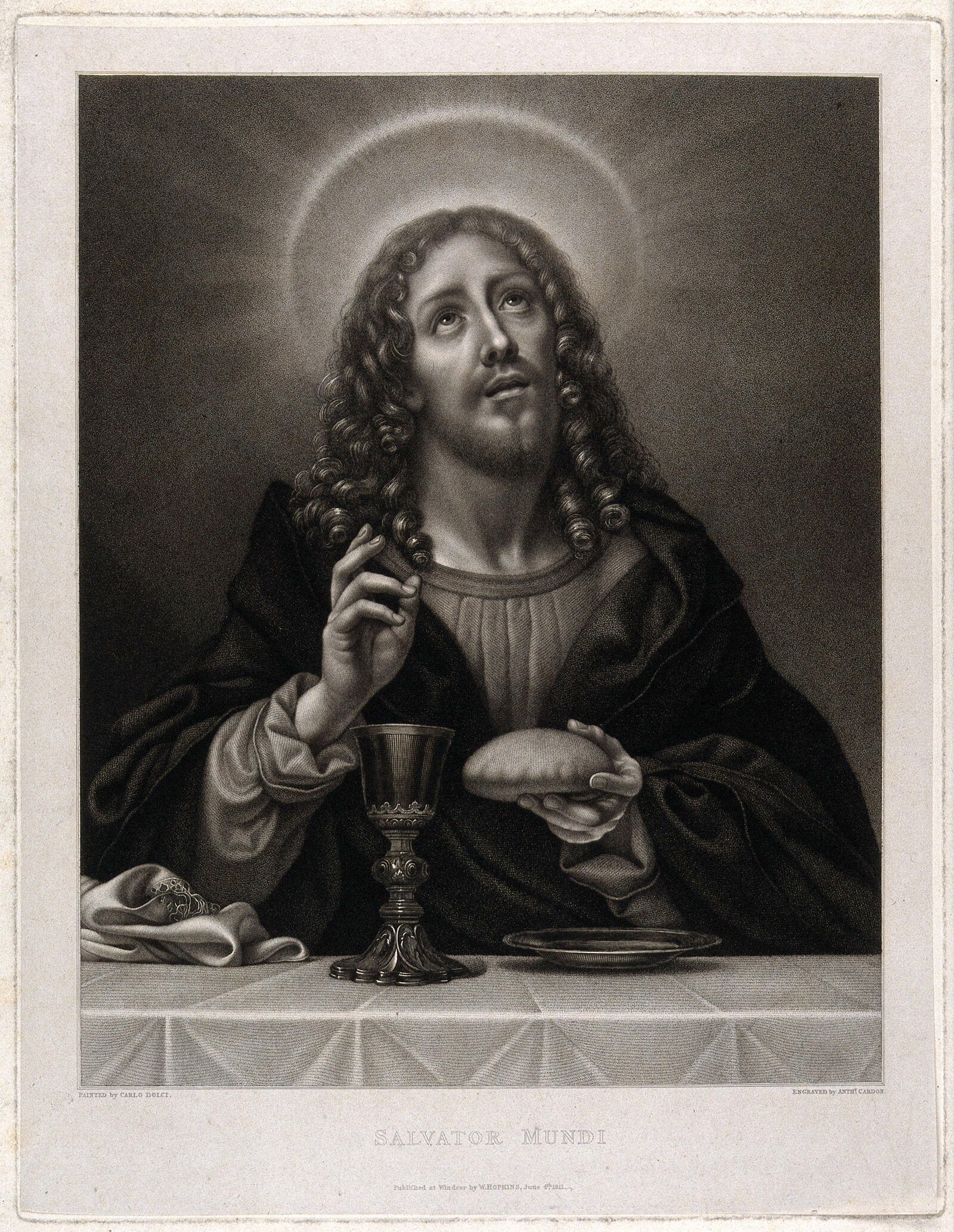 Painting
Secondary source
Jesus Christ blessing the Host
Carlo Dolci (painting); Anth. Cardon (engraving) · 4 June 1811
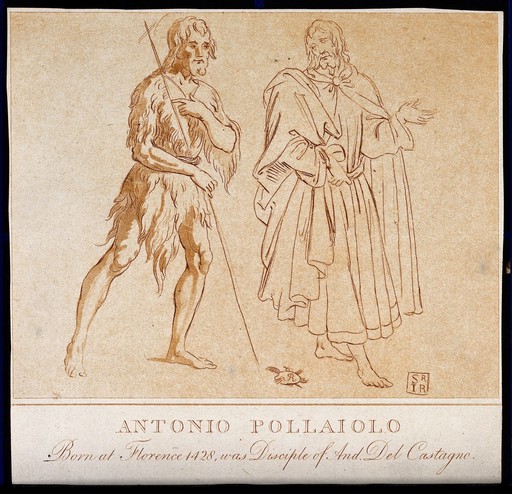 Painting
Secondary source
John the Baptist Meets Jesus Christ
Antonio Pollaiuolo
Ready when you are
Start chatting with Jesus Christ now.
20 messages free · No credit card · Available in 50+ languages.