


Primary sourceDocumentYongle reign, 1402-1424
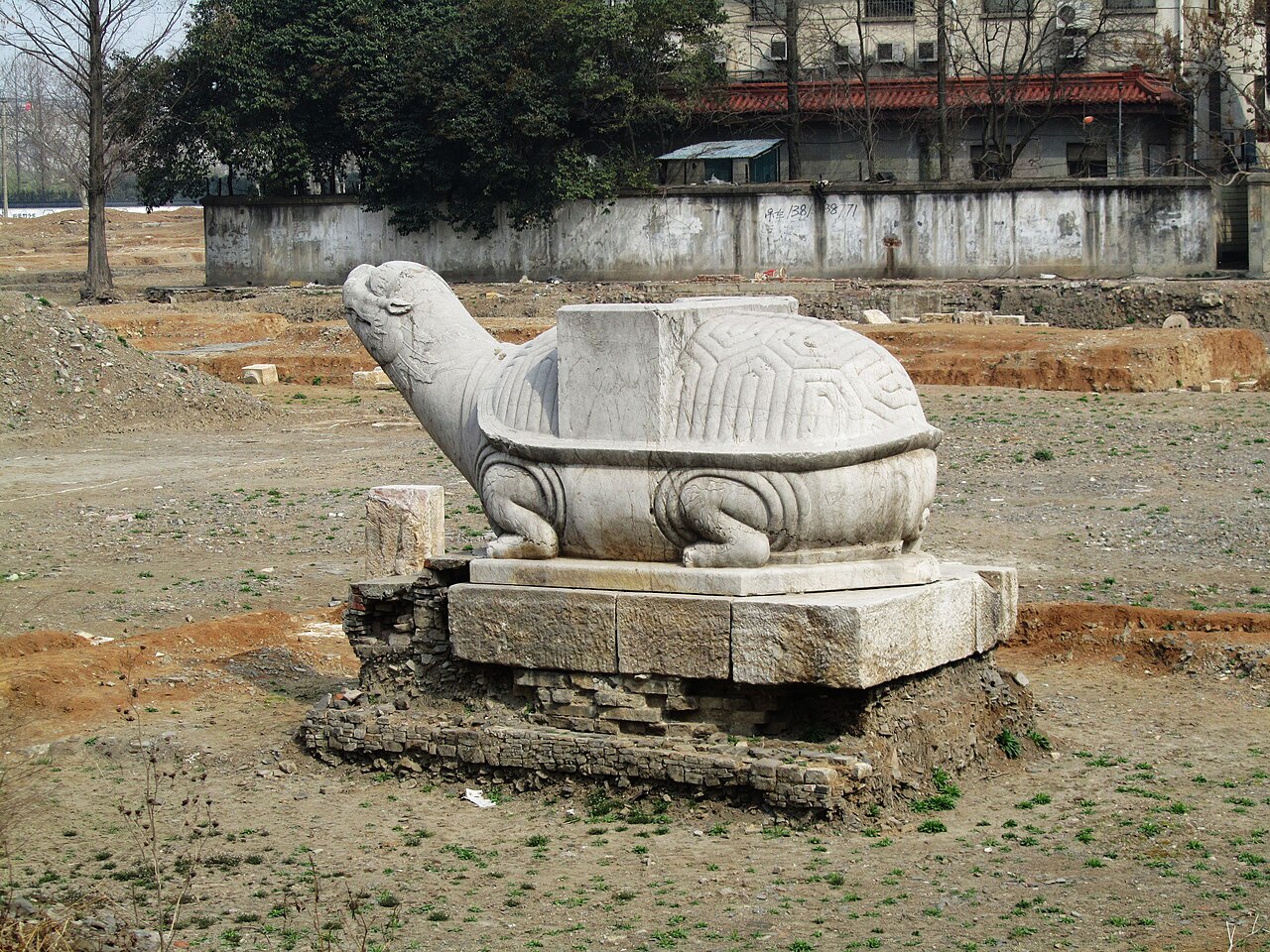
Imperial Stele at Bao'en Temple, Nanjing
Yongle reign, 1402-1424
A stone stele bearing an imperial inscription written for the Yongle Emperor, found at the site of the Porcelain Tower of Nanjing.
An imperial inscribed stele bearing his own text, placed at his Bao'en Temple building project in Nanjing.
About this source
What it is
This is a carved marble stele set on a stone turtle (bixi) base, bearing an imperial text associated with the Yongle Emperor. It stands at the excavated site of the Bao'en Temple in Nanjing, once home to the famous Porcelain Tower.
Why it matters
Imperial steles like this recorded the words and decisions of the emperor in stone, meant to last for generations. This one connects directly to the Yongle Emperor's building projects in Nanjing, a major capital of the early Ming dynasty.
Look closer
- Why might an emperor want his words carved permanently in stone rather than written on paper?
- What does the turtle-shaped base suggest about the symbolism used in imperial monuments?
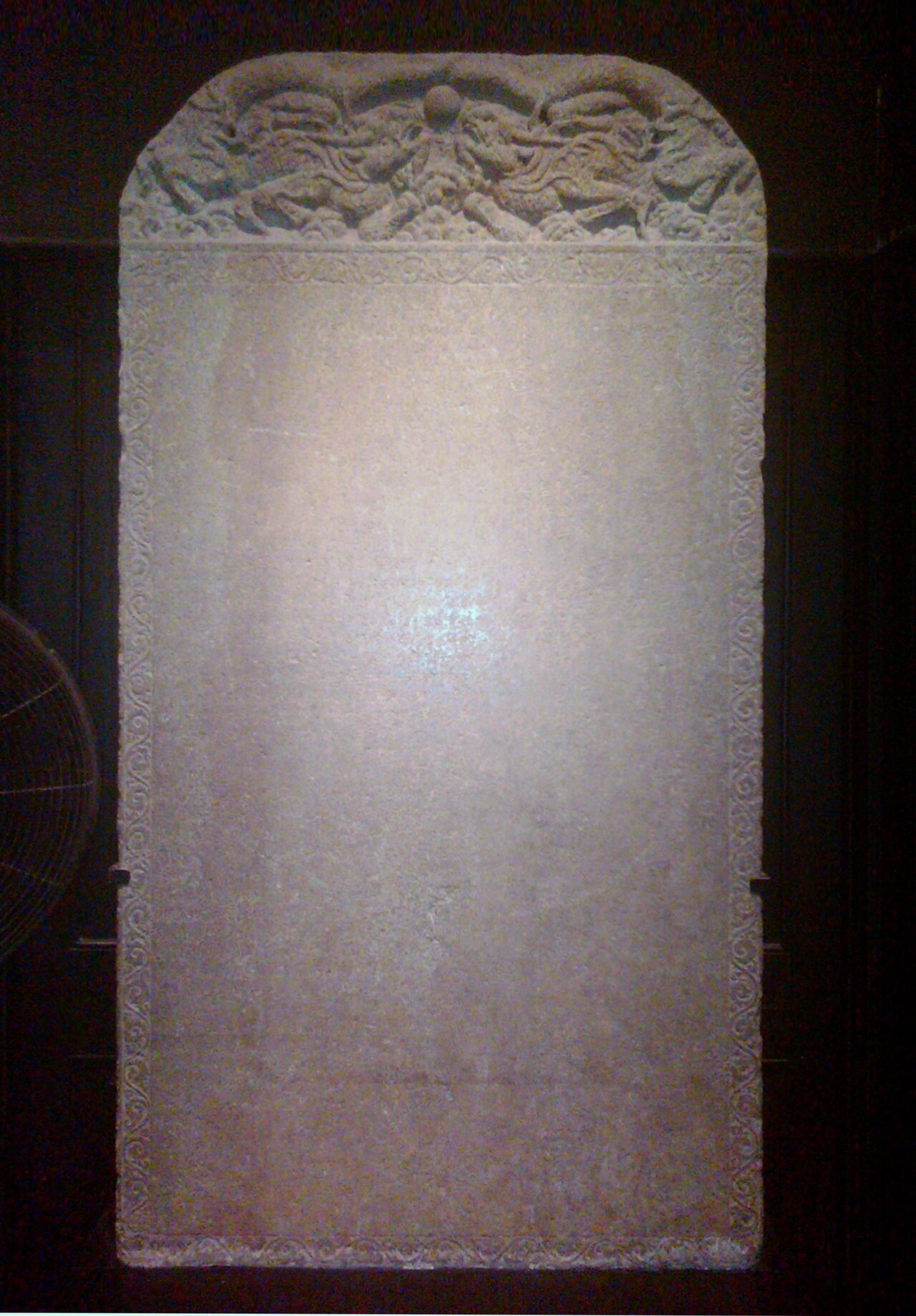
- What is missing from a photograph like this that would help us read the actual inscription?
This document is part of the curated material that grounds the AI version of Yongle Emperor on Humy.ai — when students ask about related events, the AI can quote it and cite it.
More Yongle Emperor sources
Meet the AI Yongle Emperor →

Ready when you are
Start chatting with Yongle Emperor now.
20 messages free · No credit card · Available in 50+ languages.