


Primary sourceBook566
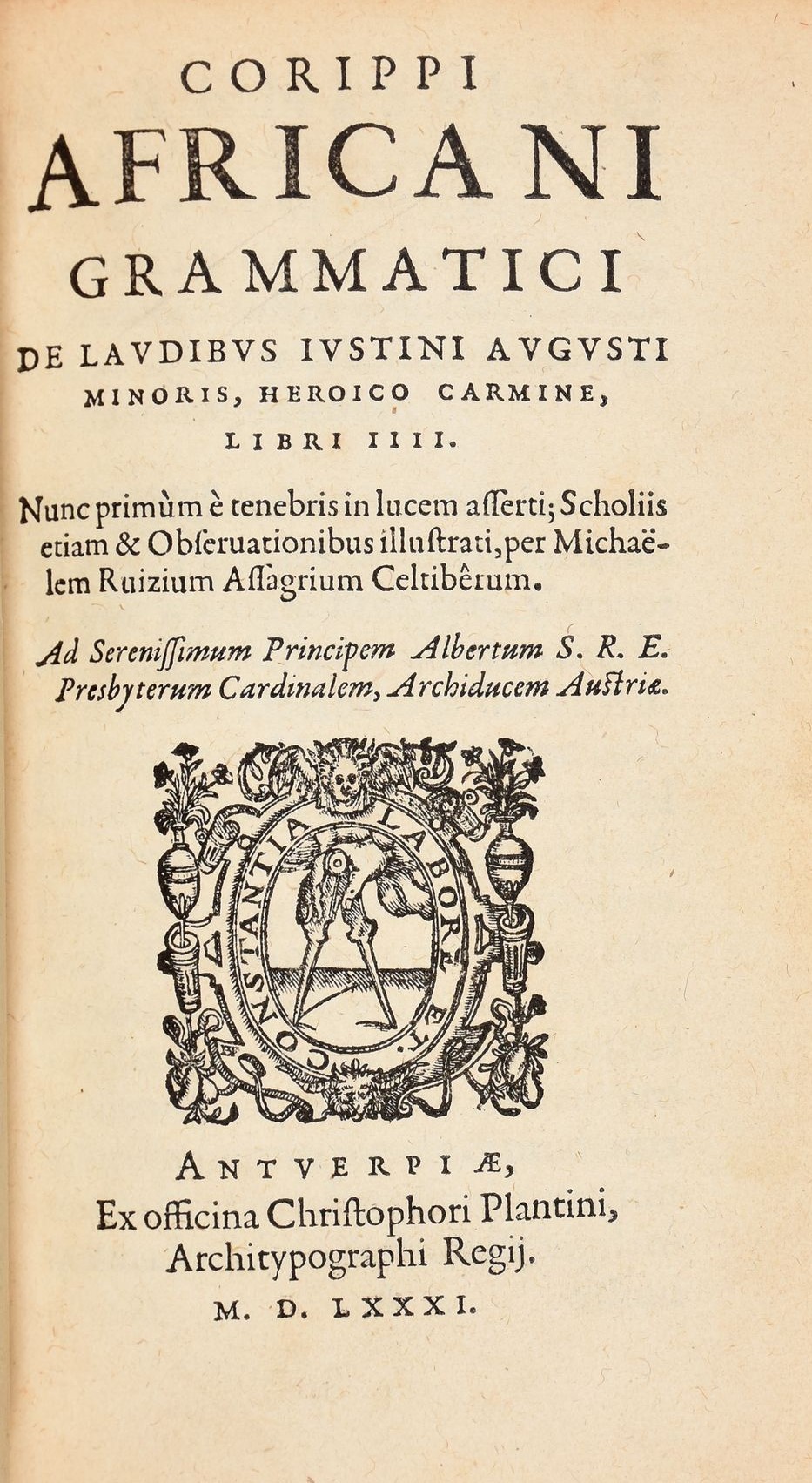
In laudem Iustini Augusti minoris
Flavius Cresconius Corippus · 566
A Latin panegyric poem praising Justinian's successor Justin II, which also describes Justinian's death, lying-in-state and funeral shroud.
This poem describes Justinian's death, lying-in-state and funeral shroud, shaping how his reign was remembered.
About this source
What it is
This Latin poem in four books was written by Flavius Cresconius Corippus, a Roman African poet who worked at the imperial court. Composed in 566, it praises the new emperor Justin II but opens by describing the death of Justinian and the ceremonies surrounding his funeral, including an embroidered shroud showing his victories.
Why it matters
The poem shows how Justinian's death and legacy were presented to the court shortly after he died, and it gives detailed descriptions of Byzantine court ceremony. It reveals how later writers used flattery and formal praise to shape the memory of an emperor.
Look closer
- Why would a poet praising a new emperor also spend time describing the funeral of the previous one?
- What does the description of the funeral shroud suggest about how Justinian wanted to be remembered?
- How might a poem written to please a ruler differ from a plain historical record?
This book is part of the curated material that grounds the AI version of Justinian I on Humy.ai — when students ask about related events, the AI can quote it and cite it.
More Justinian I sources
Meet the AI Justinian I →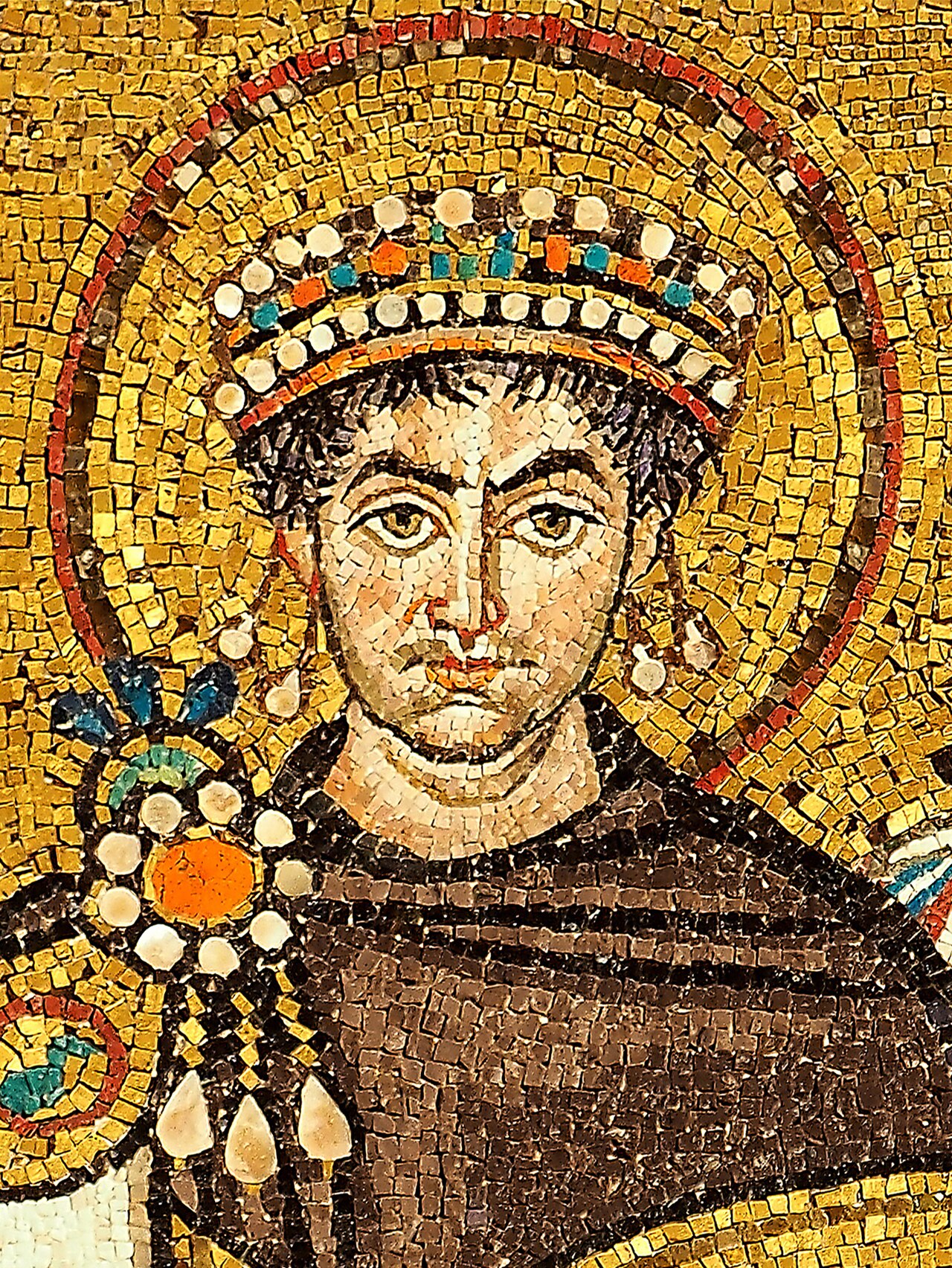 Artifact
Primary source
Portrait of Justinian I, San Vitale Mosaic
Byzantine mosaicists · c. 547
 Painting
Secondary source
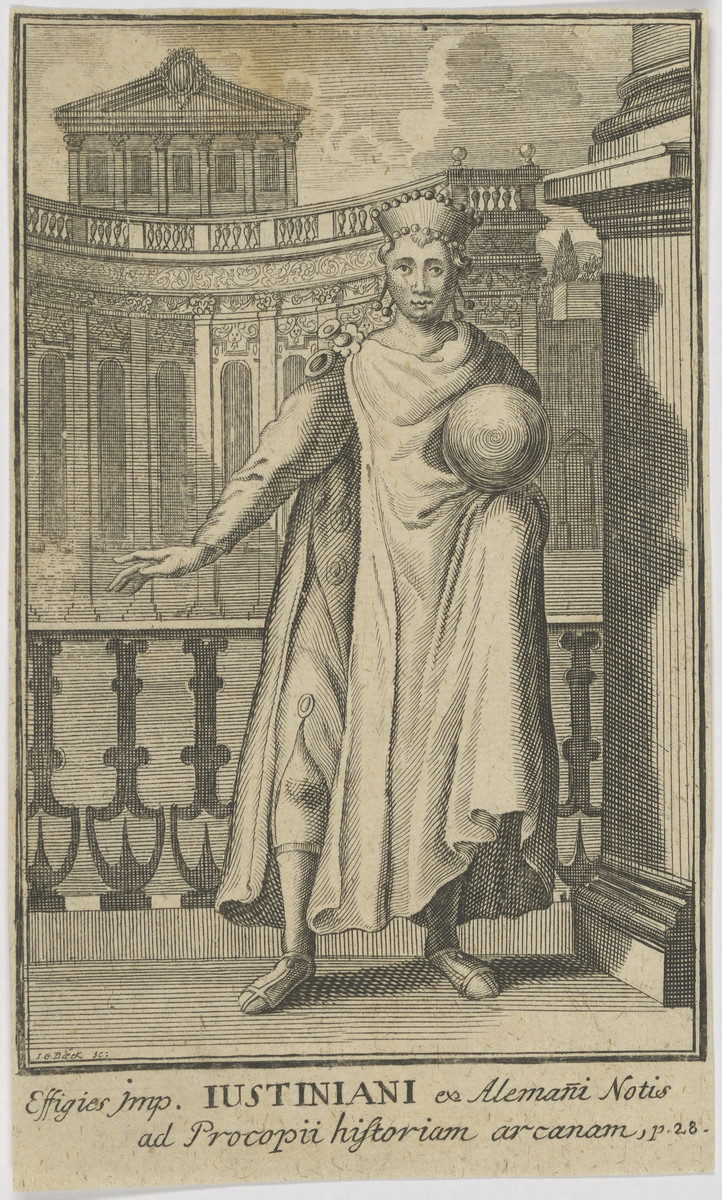
Portrait of Emperor Justinian
Johann Friedrich Böck
 Document
Primary source
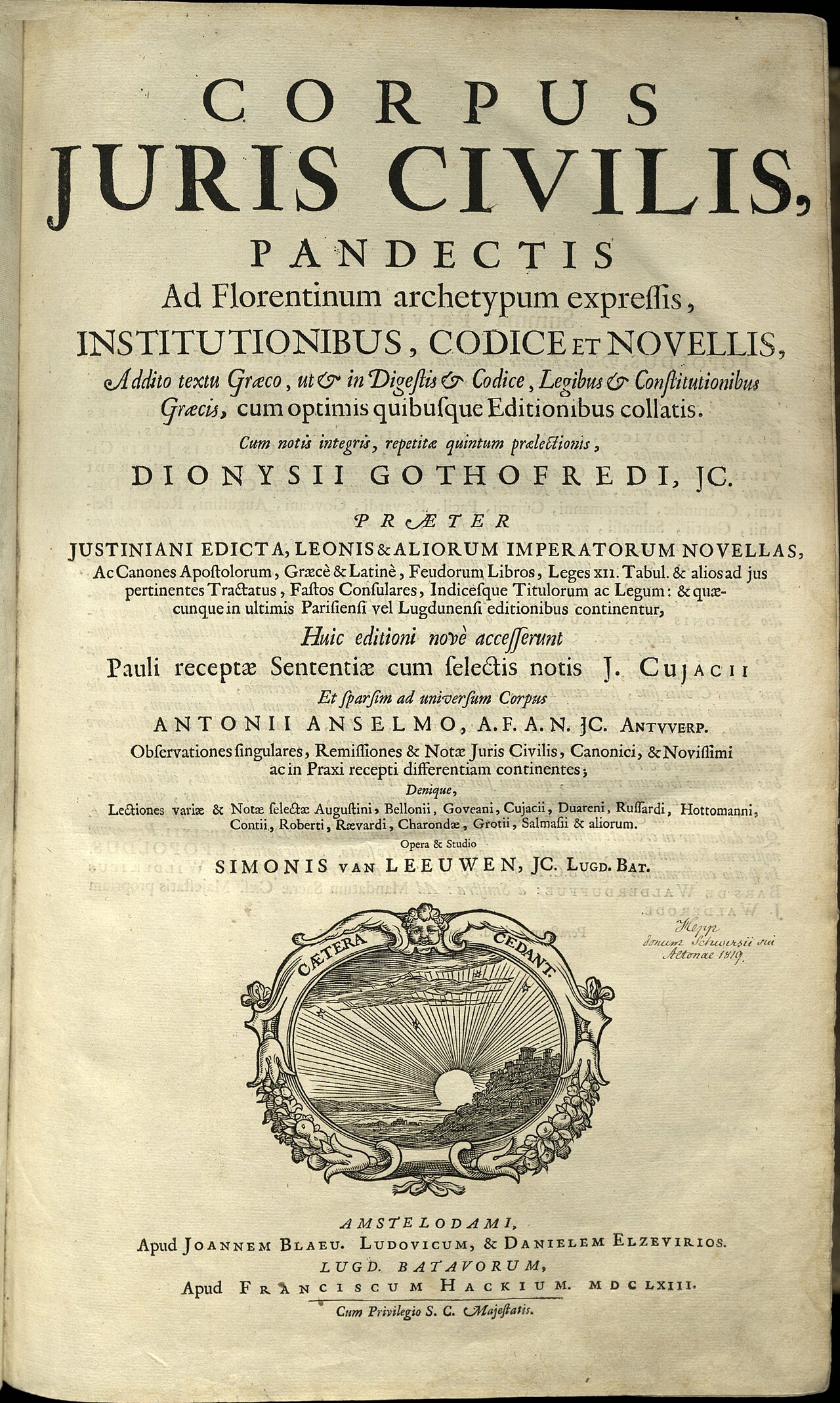
Corpus Juris Civilis
Tribonian · 528-534
 Artifact
Primary source
Bronze Follis of Justinian I with Globus Cruciger
 Artifact
Secondary source
Hagia Sophia
Isidore of Miletus and Anthemius of Tralles · 532-537 CE
Ready when you are
Start chatting with Justinian I now.
20 messages free · No credit card · Available in 50+ languages.