


Primary sourceArtifactcirca 1479-1458 BC
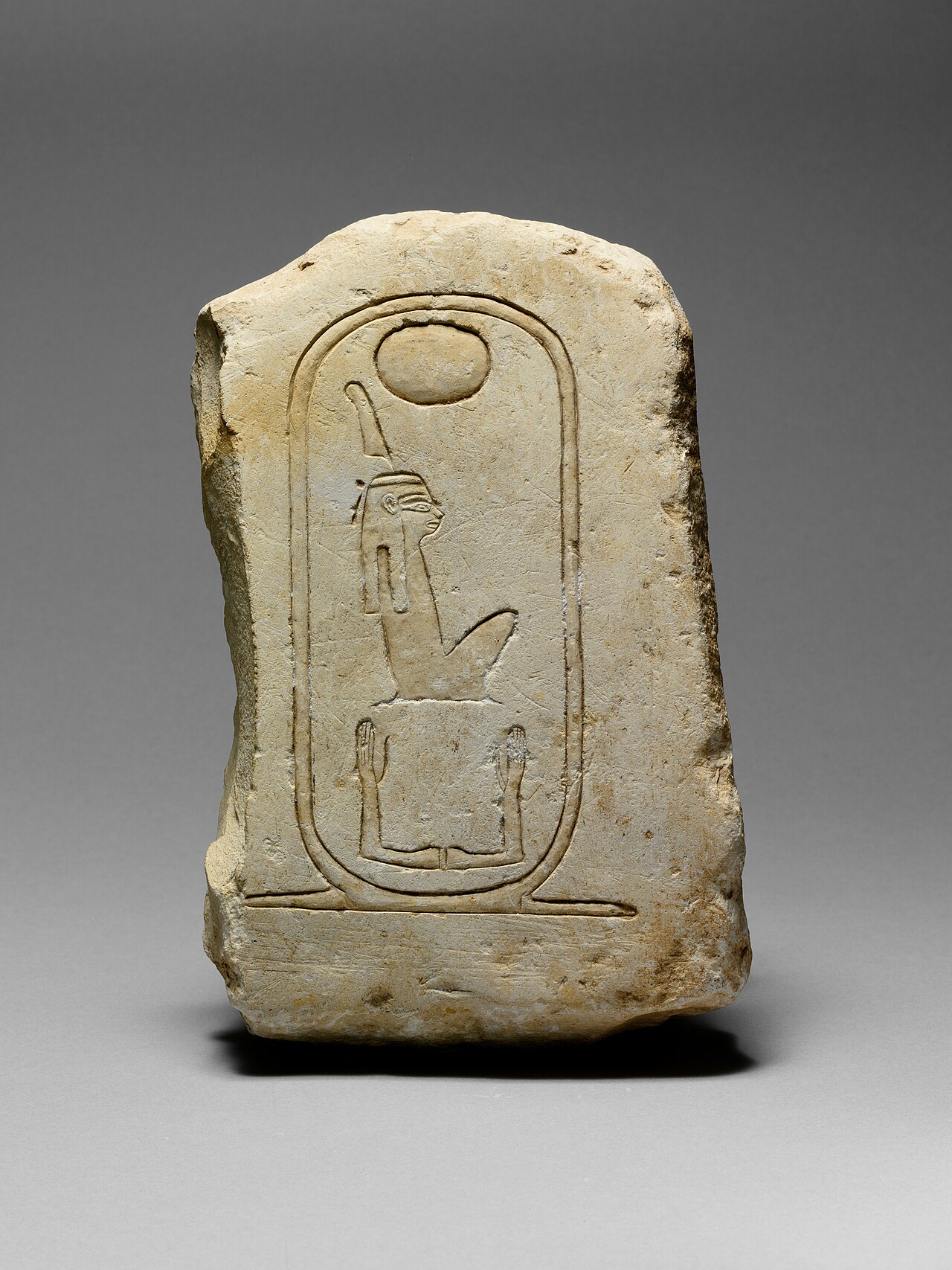
Inscribed Stone Bearing Hatshepsut's Name Maatkare
circa 1479-1458 BC
A limestone block carved with a cartouche containing Hatshepsut's throne name Maatkare, dating from her reign.
This stone carries Hatshepsut's throne name Maatkare, a direct trace of her reign and building projects.
About this source
What it is
This is a pale limestone block carved with a cartouche, an oval frame containing a sun disk and a seated figure wearing a headdress with a raised arm. It bears the name Maatkare, Hatshepsut's throne name, and dates to around 1479-1458 BC, during the New Kingdom's Eighteenth Dynasty.
Why it matters
This stone is a physical trace of how Hatshepsut's name and image were carved into monuments during her reign. Objects like this help historians confirm the buildings and structures associated with her and understand how she asserted her royal identity.
Look closer
- What symbols are used in the cartouche, and what might they represent about kingship?
- Why do you think rulers like Hatshepsut had their names carved onto building stones?
- What questions can't this stone answer about Hatshepsut's life or reign?
This artifact is part of the curated material that grounds the AI version of Hatshepsut on Humy.ai — when students ask about related events, the AI can quote it and cite it.
More Hatshepsut sources
Meet the AI Hatshepsut →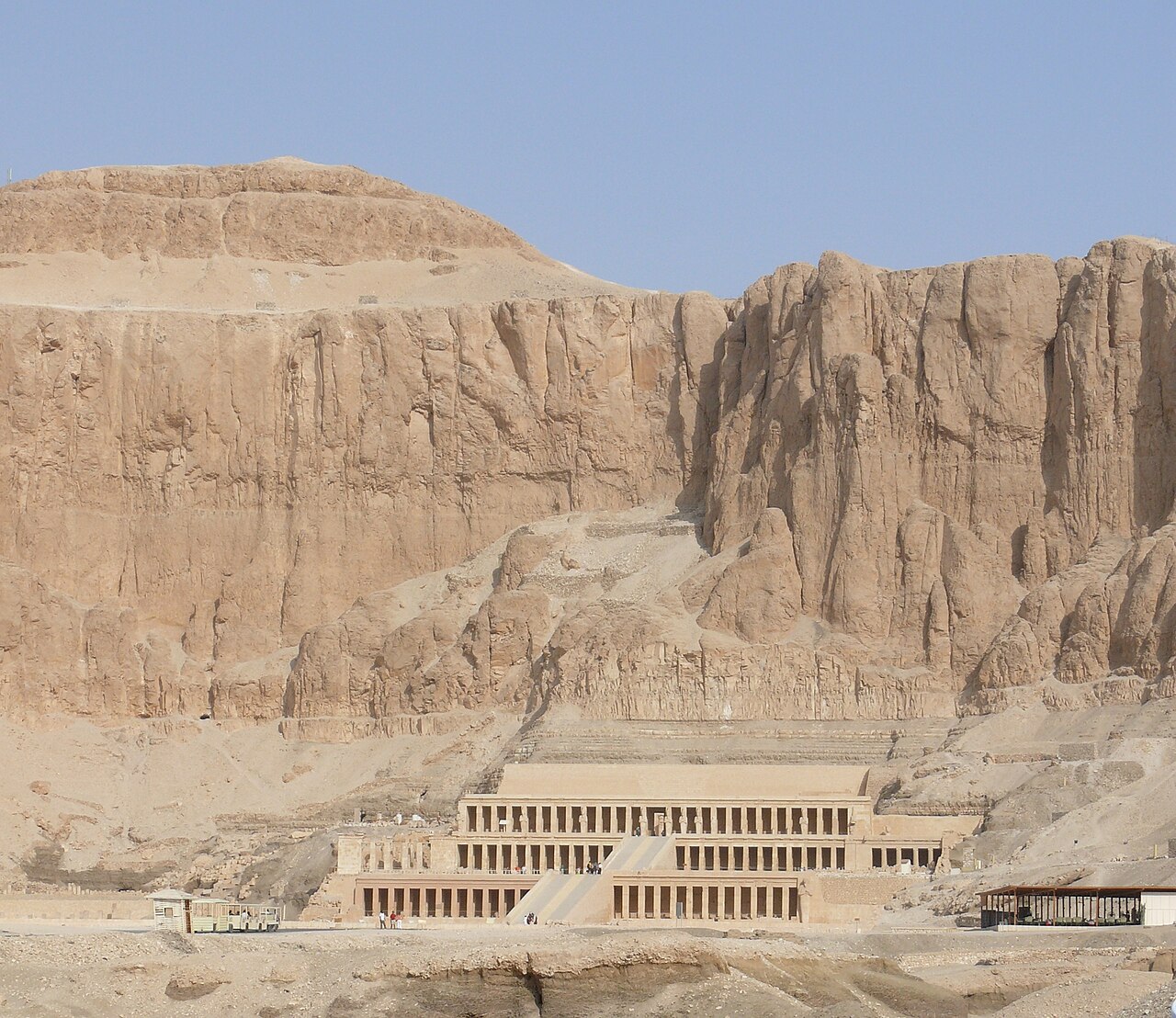 Artifact
Primary source
Mortuary Temple of Hatshepsut
Senenmut and/or Hapuseneb (attributed) · c. 1479–1458 BCE
 Photograph
Secondary source
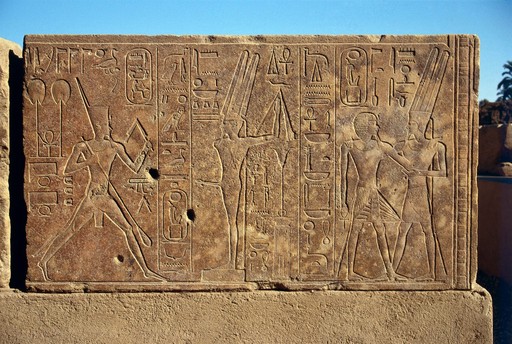
Hatshepsut Dancing Before Min, Karnak Relief
Carole Reeves · 1989
 Sculpture
Primary source
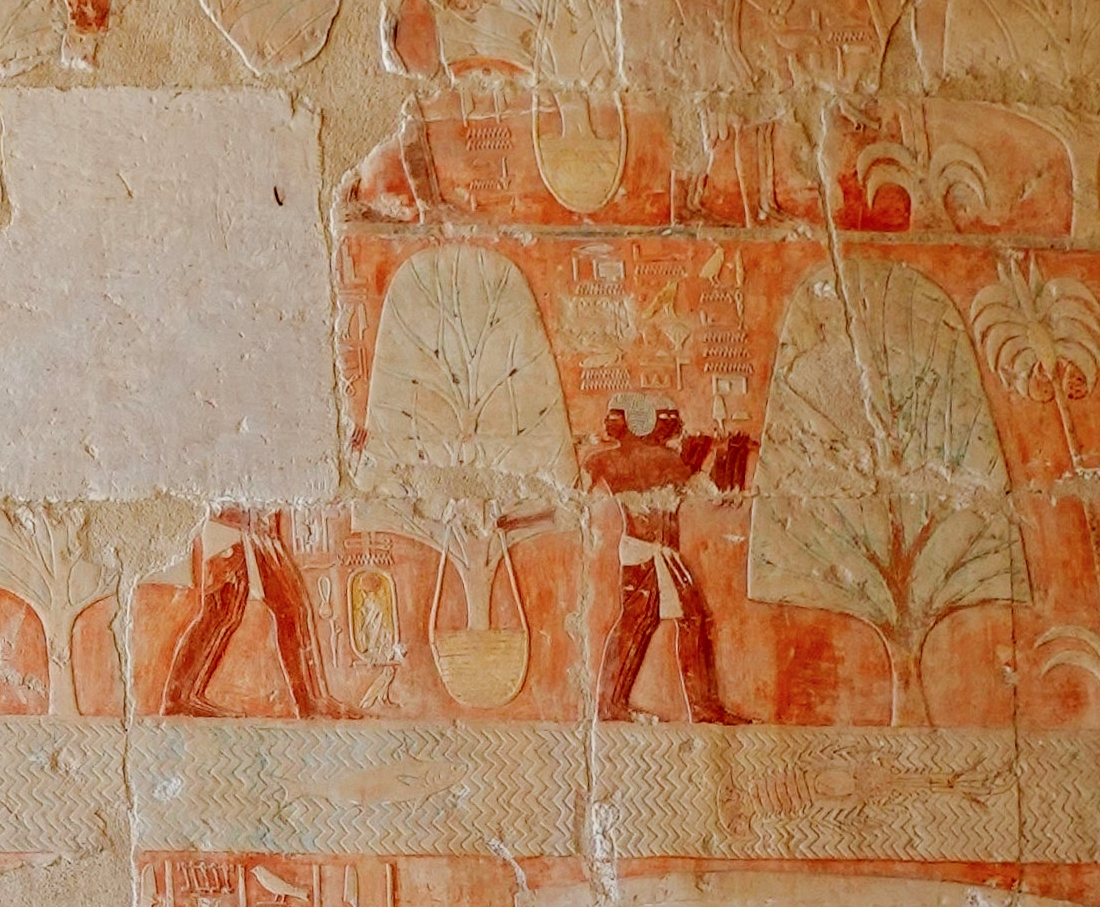
Punt Expedition Reliefs
Royal workshops of Hatshepsut · c. 1470 BCE
 Sculpture
Primary source
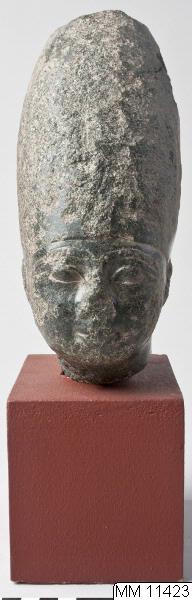
Sculpture Head Probably of Hatshepsut
 Sculpture
Primary source
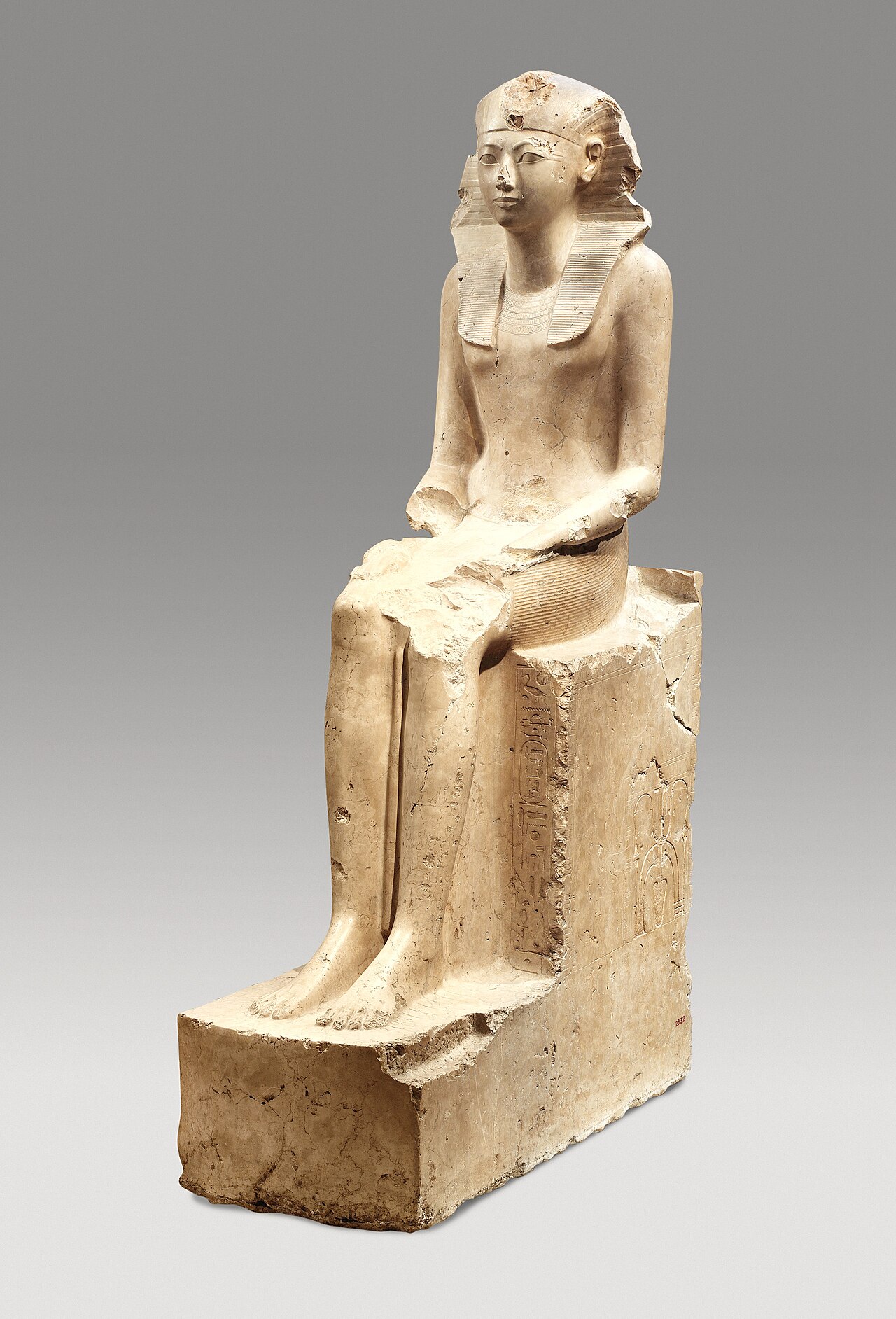
Seated Statue of Hatshepsut
c. 1466 BCE
Ready when you are
Start chatting with Hatshepsut now.
20 messages free · No credit card · Available in 50+ languages.