


Primary sourceArtifactcirca 1479-1458 BC
Inscribed Stone from Hatshepsut's Valley Temple
circa 1479-1458 BC
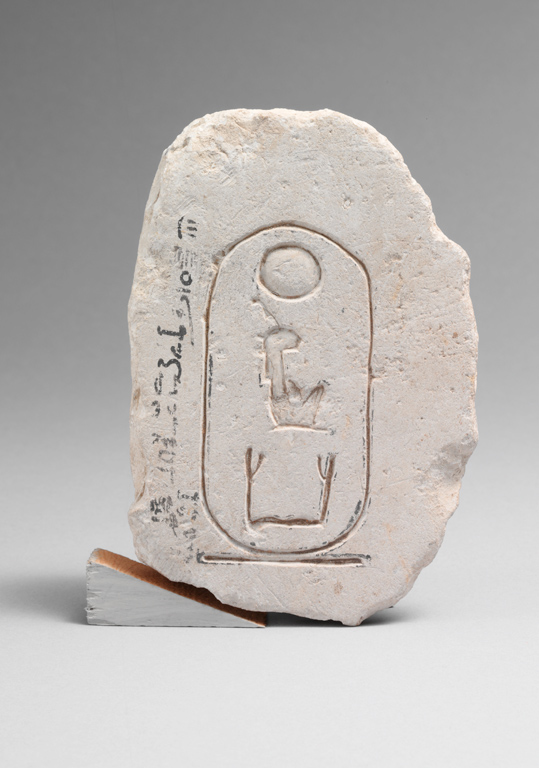
A limestone fragment carved with a cartouche containing Hatshepsut's throne name Maatkare, from her Valley Temple, with hieratic writing along the edge.
This stone, from her Valley Temple, carries Hatshepsut's own throne name and was part of a building she commissioned.
About this source
What it is
This is a pale limestone fragment carved with a cartouche enclosing hieroglyphic signs, including a sun disk, with hieratic writing in ink along one edge. It comes from Hatshepsut's Valley Temple, built during the New Kingdom's Eighteenth Dynasty, around 1479-1458 BC.
Why it matters
This stone was part of a building constructed under Hatshepsut's rule and bears her throne name, Maatkare. Fragments like this are physical evidence of the monuments she commissioned and help archaeologists reconstruct her building projects.
Look closer
- What can the cartouche and the sun disk symbol tell you about how Hatshepsut's name was written and honored?
- Why might both carved hieroglyphs and handwritten hieratic text appear on the same stone?
- What does a broken fragment like this leave out that a complete temple wall might show?
This artifact is part of the curated material that grounds the AI version of Hatshepsut on Humy.ai — when students ask about related events, the AI can quote it and cite it.
More Hatshepsut sources
Meet the AI Hatshepsut →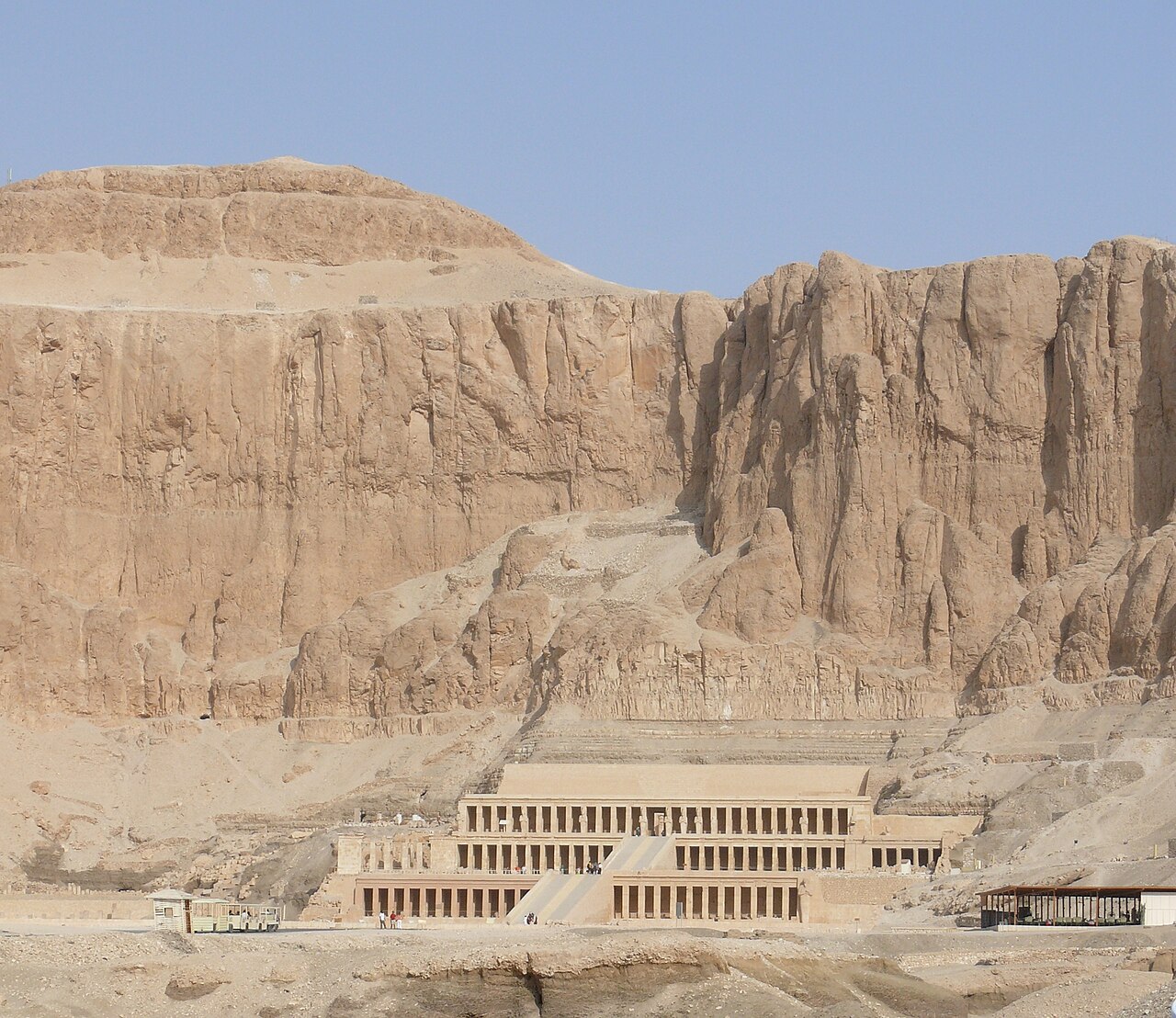 Artifact
Primary source
Mortuary Temple of Hatshepsut
Senenmut and/or Hapuseneb (attributed) · c. 1479–1458 BCE
 Photograph
Secondary source
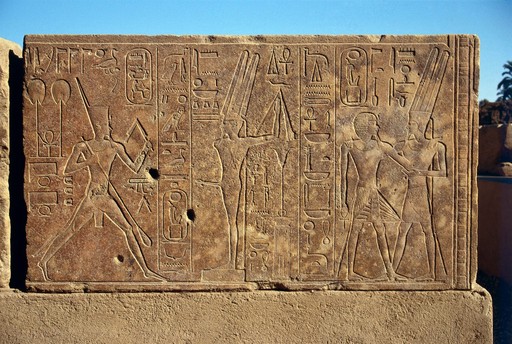
Hatshepsut Dancing Before Min, Karnak Relief
Carole Reeves · 1989
 Sculpture
Primary source
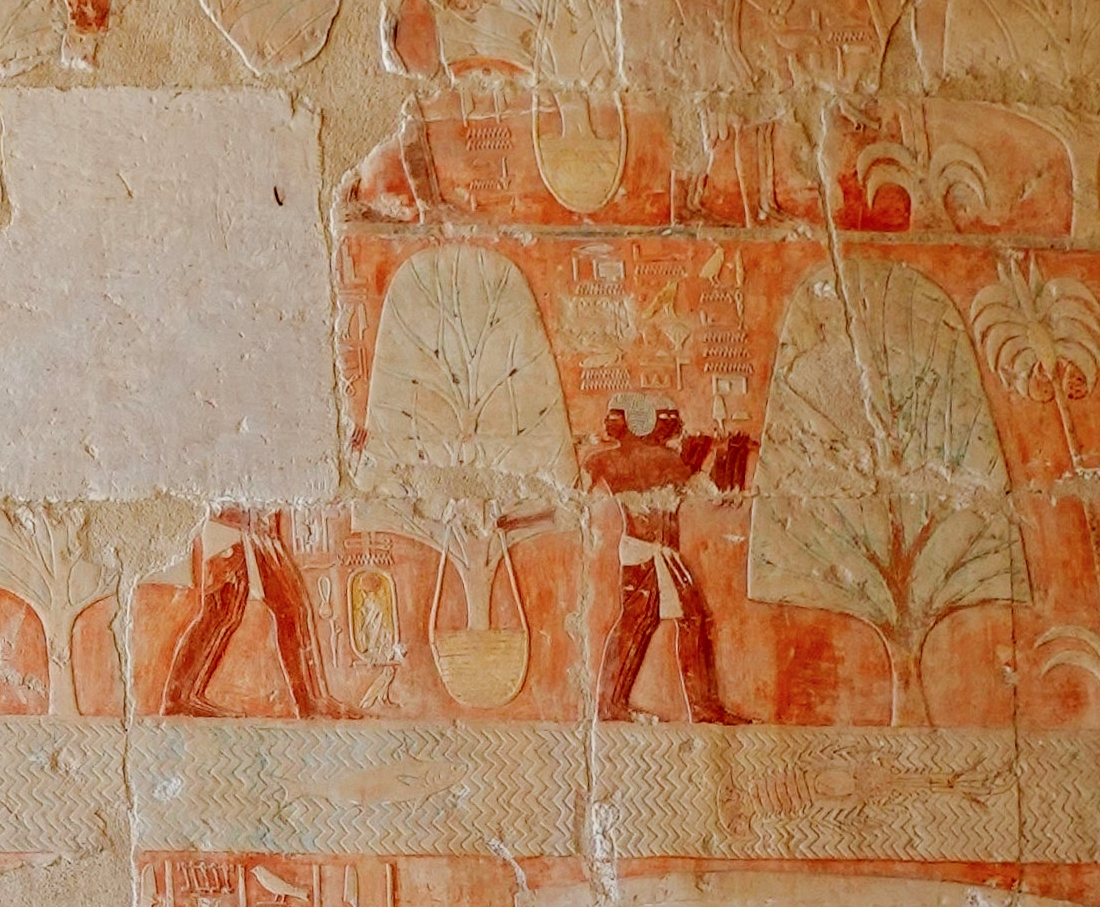
Punt Expedition Reliefs
Royal workshops of Hatshepsut · c. 1470 BCE
 Sculpture
Primary source
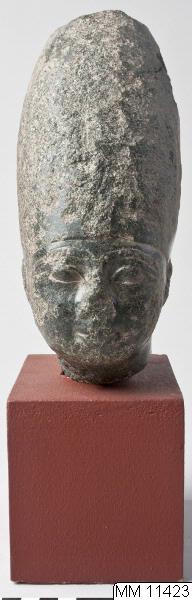
Sculpture Head Probably of Hatshepsut
 Sculpture
Primary source
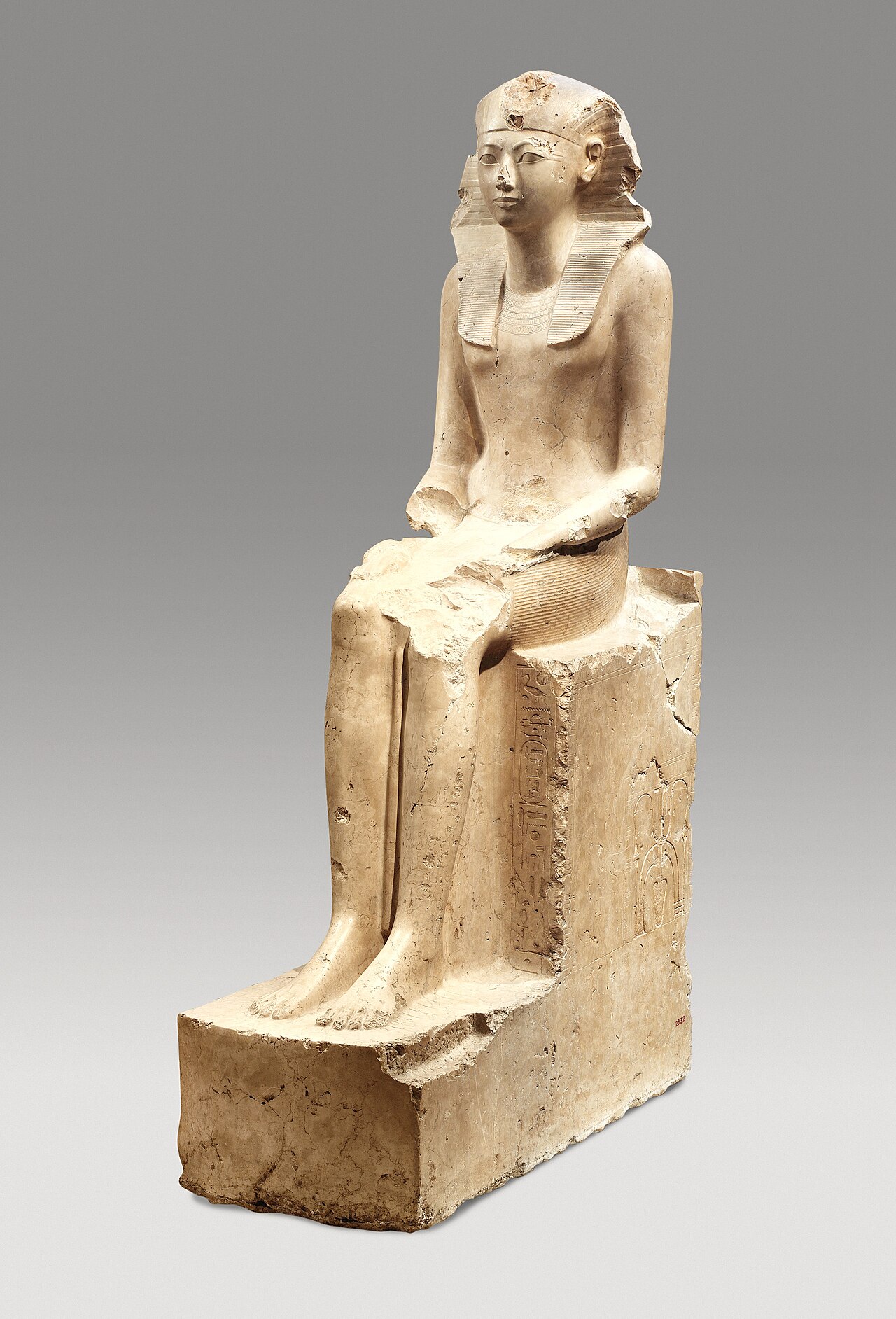
Seated Statue of Hatshepsut
c. 1466 BCE
Ready when you are
Start chatting with Hatshepsut now.
20 messages free · No credit card · Available in 50+ languages.