


Primary sourceDocument1613 (published; based on 1607 voyage)
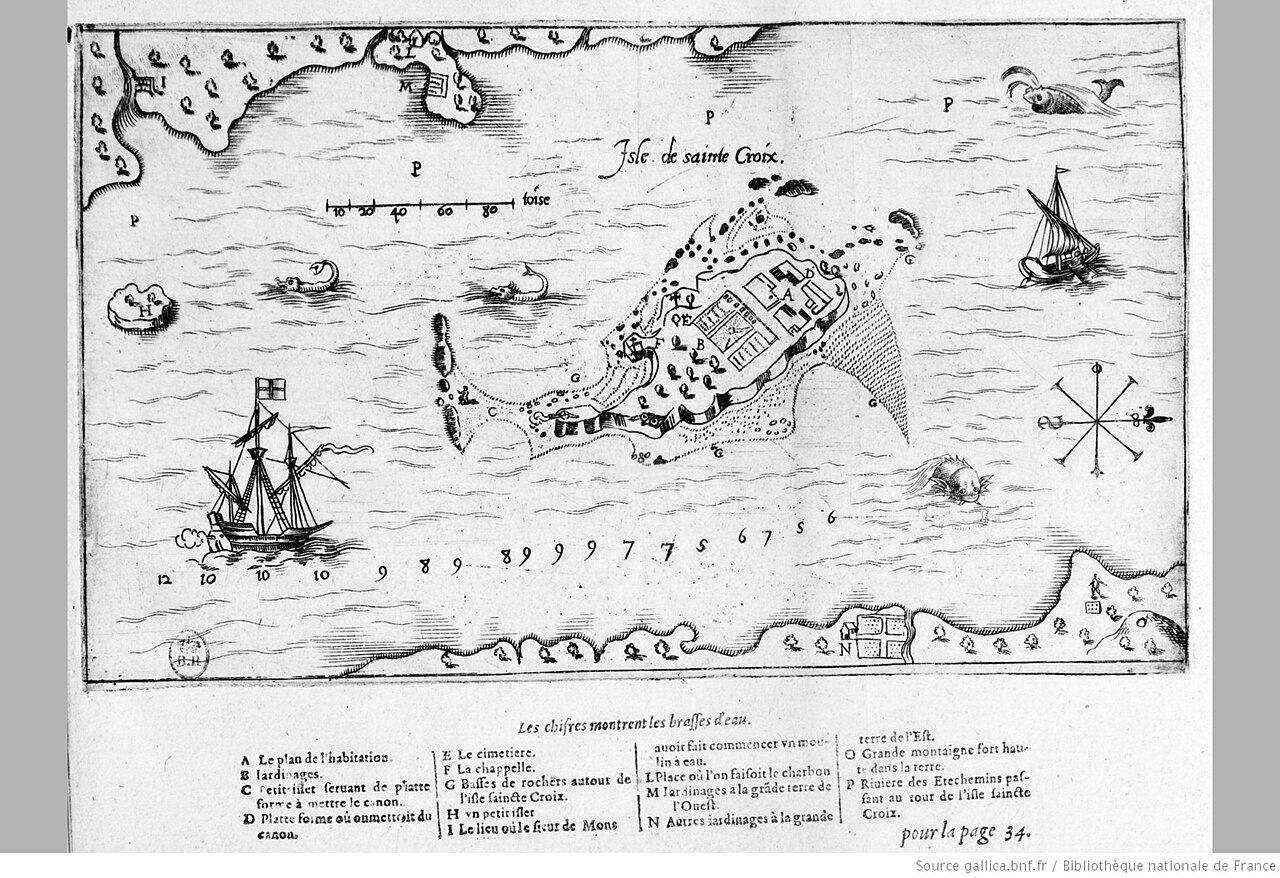
Isle Sainte-Croix, 1613 illustration
Samuel de Champlain · 1613 (published; based on 1607 voyage)
An engraved map of the Isle de Sainte-Croix, drawn by Champlain from his 1607 voyage and published in 1613. It records the island where the 1604-1605 settlement was built.
Shows Champlain's own map of the island of the 1604-1605 settlement, published in his Voyages.
About this source
What it is
This is an engraved map titled Isle de sainte Croix. It shows an island with buildings, surrounding reefs, ships at sea, a compass rose, a scale bar, sea monsters, and a key of lettered labels in French below the map. The record says it was drawn by Samuel de Champlain on his 1607 voyage and published in 1613, in his Voyages.
Why it matters
The island of Sainte-Croix was the site of a French settlement in 1604-1605. Champlain's map records the island as he saw it, with its buildings and reefs, and it shows how a European explorer turned a new place into a printed picture for readers in France. The sea monsters and ships also show the ideas and tastes of the time.
Look closer
- What does Champlain show about the island's buildings and its dangers to ships?
- Why would the mapmaker add sea monsters and a compass rose to a map of a real place?
- Who were the readers this printed map was meant for, and what did they need to know?
This document is part of the curated material that grounds the AI version of Samuel de Champlain on Humy.ai — when students ask about related events, the AI can quote it and cite it.
More Samuel de Champlain sources
Meet the AI Samuel de Champlain → Book
Primary source
Les Voyages du sieur de Champlain
Samuel de Champlain · 1613
 Document
Primary source
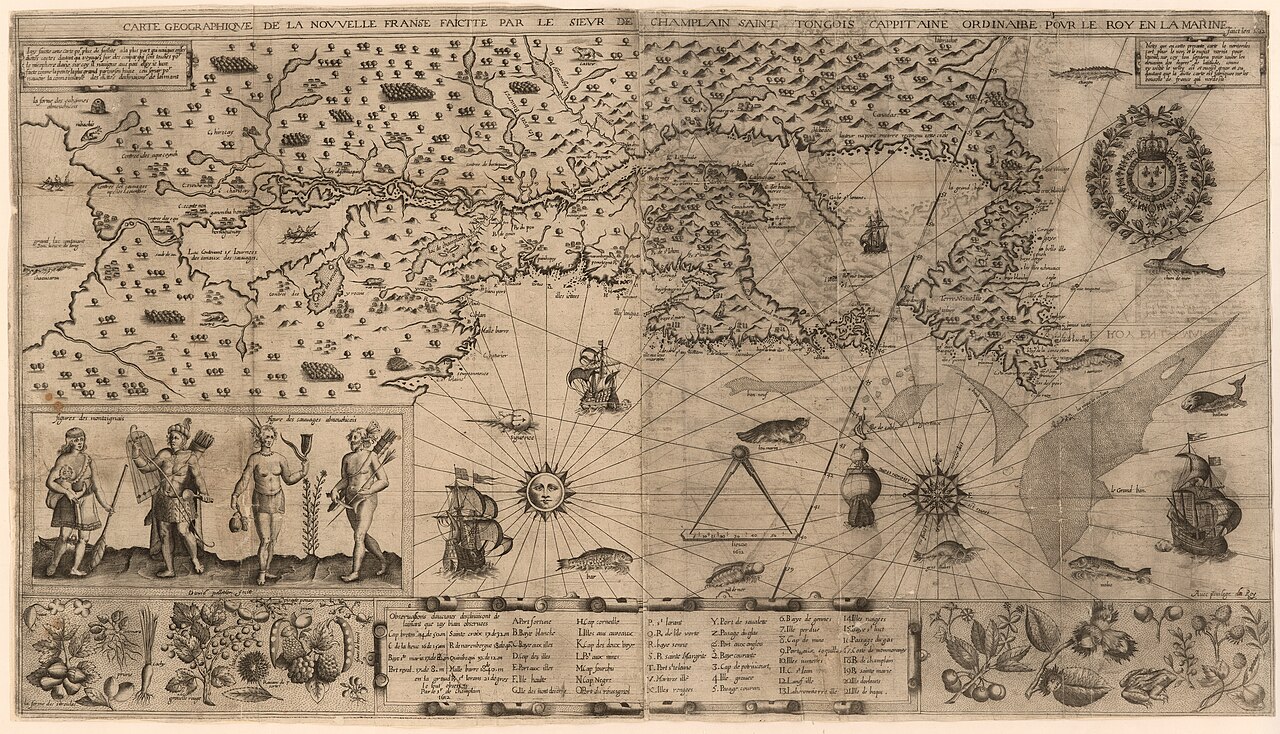
Carte geographique de la Nouvelle Franse
Samuel de Champlain · 1612
 Book
Primary source
Des Sauvages, ou voyage de Samuel Champlain
Samuel de Champlain · 1603
 Document
Primary source
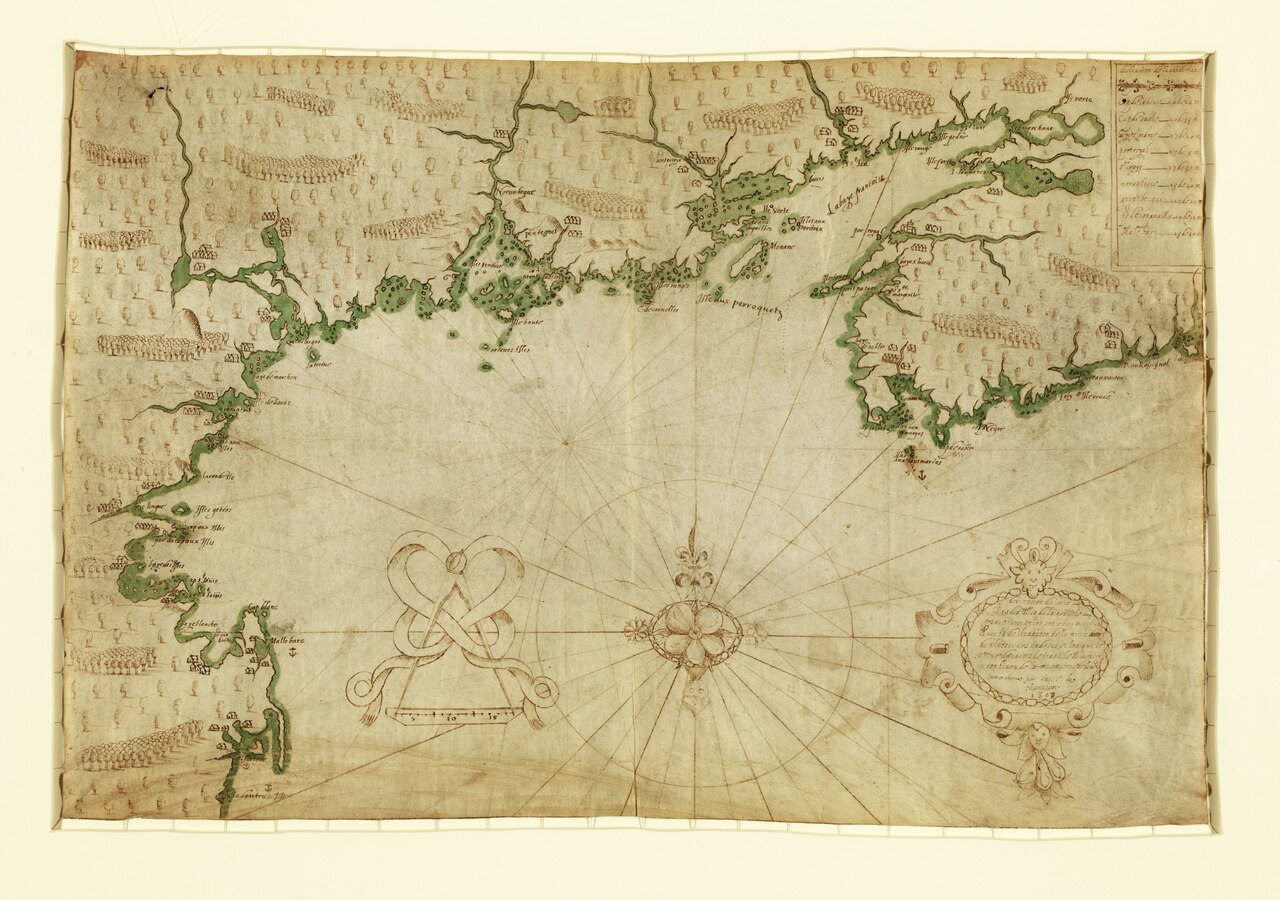
Descripsion des costs, pts., rades, Illes de la Nouuele France
Samuel de Champlain · 1607
 Document
Primary source
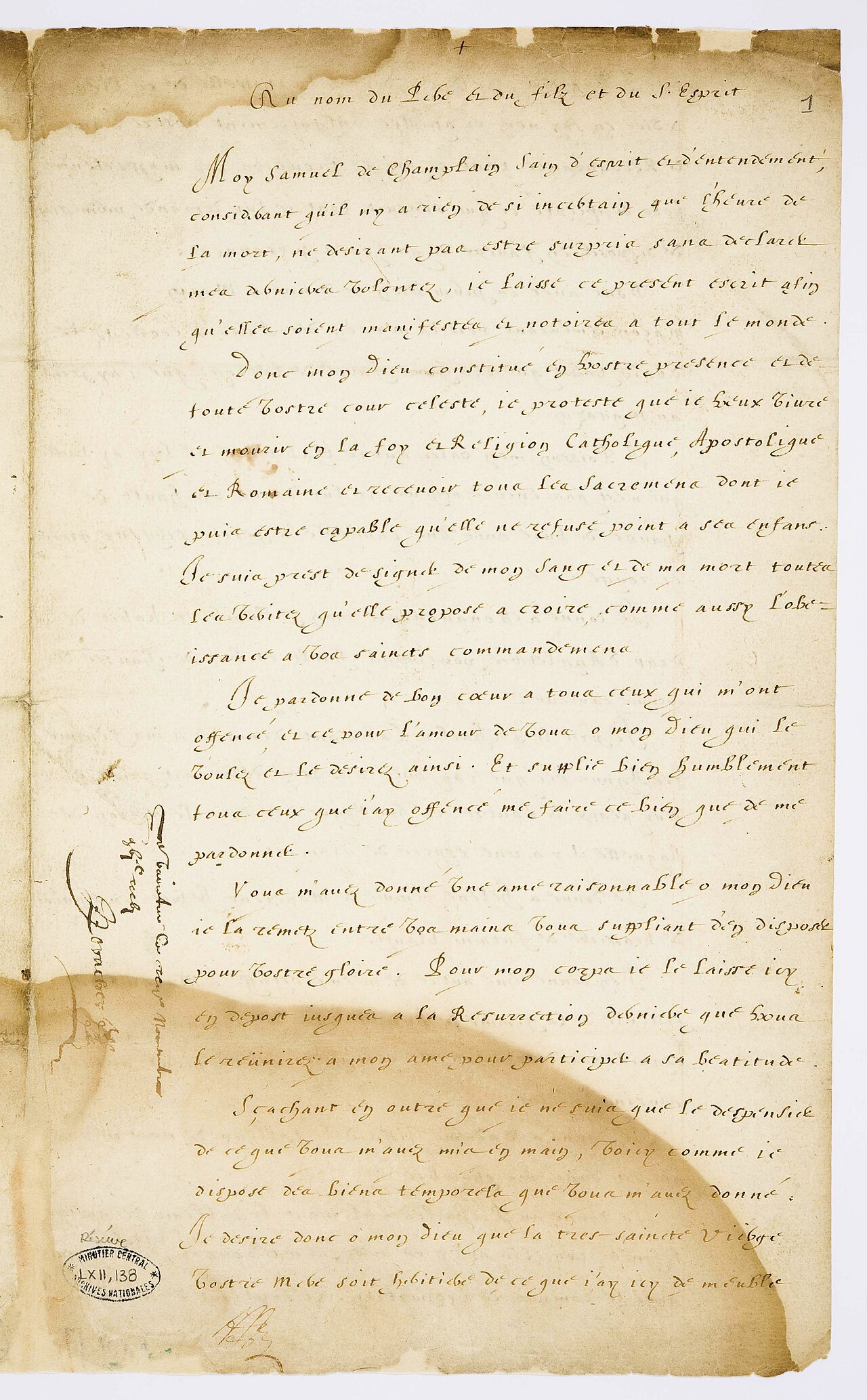
Testament de Samuel Champlain
Samuel de Champlain · 17 November 1635
Ready when you are
Start chatting with Samuel de Champlain now.
20 messages free · No credit card · Available in 50+ languages.