


Primary sourceArtifact10th century
Ivory Cylindrical Box (Pyxis)
10th century
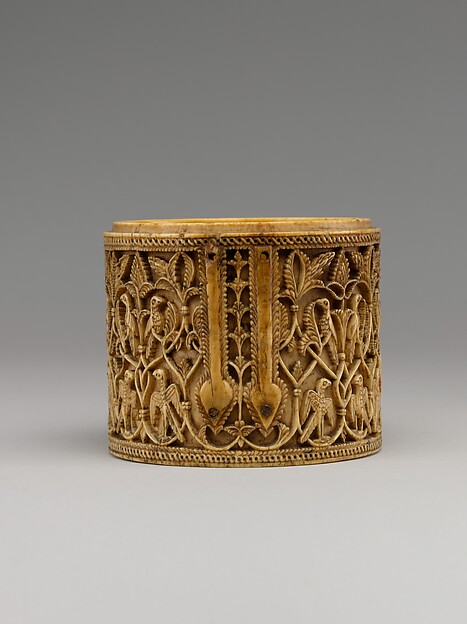
A tenth-century carved ivory pyxis from the caliphal workshops of Córdoba, showing the fine artistry produced under Abd-ar-Rahman III's rule.
This ivory box was produced in the caliphal workshops of Córdoba during the reign of Abd-ar-Rahman III, reflecting his court's artistry.
About this source
What it is
This is a small cylindrical ivory box, or pyxis, carved with openwork patterns. It dates from the tenth century and was made in the caliphal workshops of Córdoba. It is now held at The Metropolitan Museum of Art.
Why it matters
Objects like this show the high level of craftsmanship supported by the court of Abd-ar-Rahman III, who founded the Caliphate of Córdoba. Ivory carving flourished under caliphal patronage, and boxes like this were often made for the wealthy elite of the court, revealing the luxury and artistic sophistication of the period.
Look closer
- What patterns and creatures can you find carved into the ivory?
- Why might a ruler's court support the production of luxury objects like this?
- What does the fine detail suggest about the skill of the craftsmen?
This artifact is part of the curated material that grounds the AI version of Abd al-Rahman III on Humy.ai — when students ask about related events, the AI can quote it and cite it.
More Abd al-Rahman III sources
Meet the AI Abd al-Rahman III →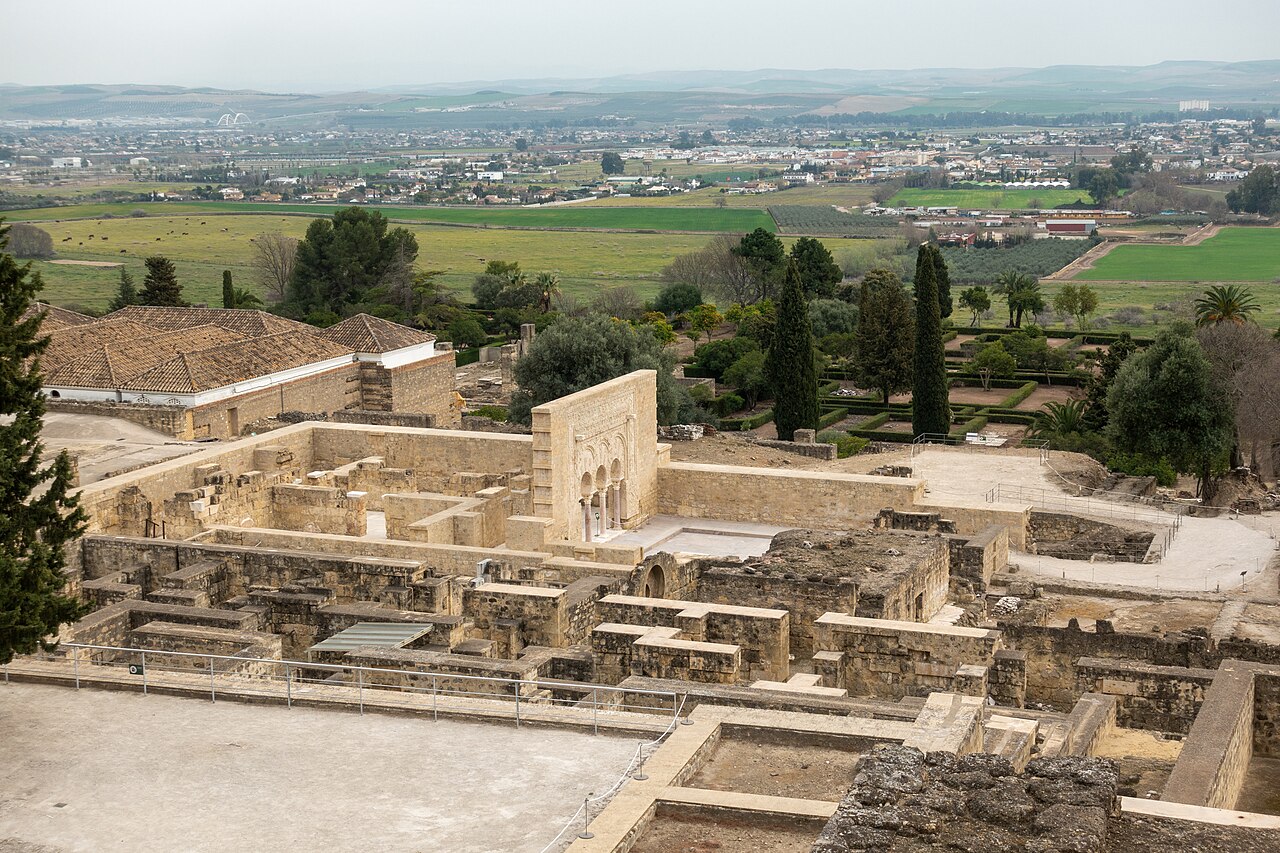 Artifact
Primary source
Madinat al-Zahra
c. 936-1000
 Artifact
Primary source
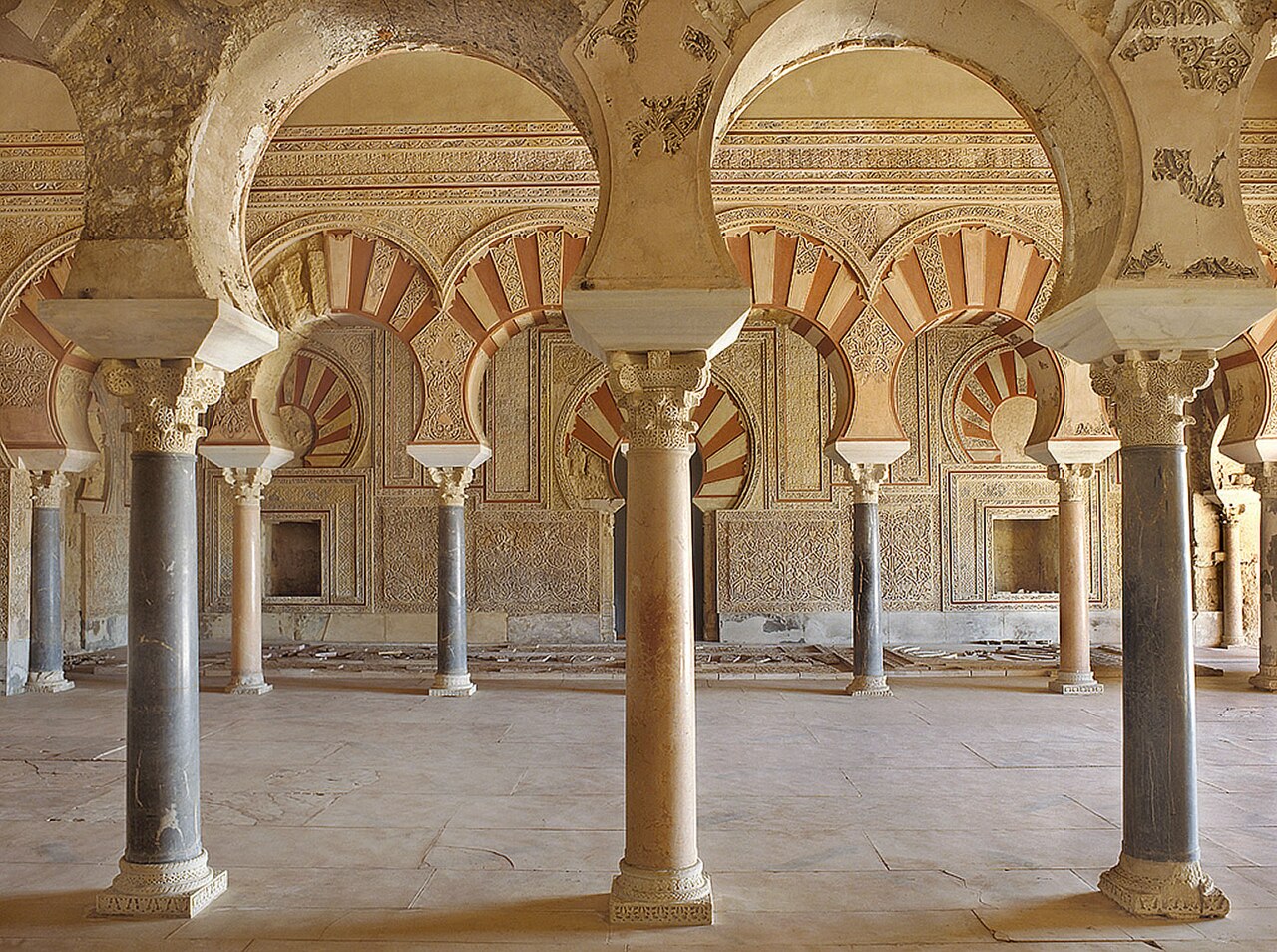
Salón Rico (Hall of Abd al-Rahman III)
953-957
Primary source
Letter of Hasdai ibn Shaprut to King Joseph of the Khazars
Hasdai ibn Shaprut · c. 950s
 Artifact
Primary source
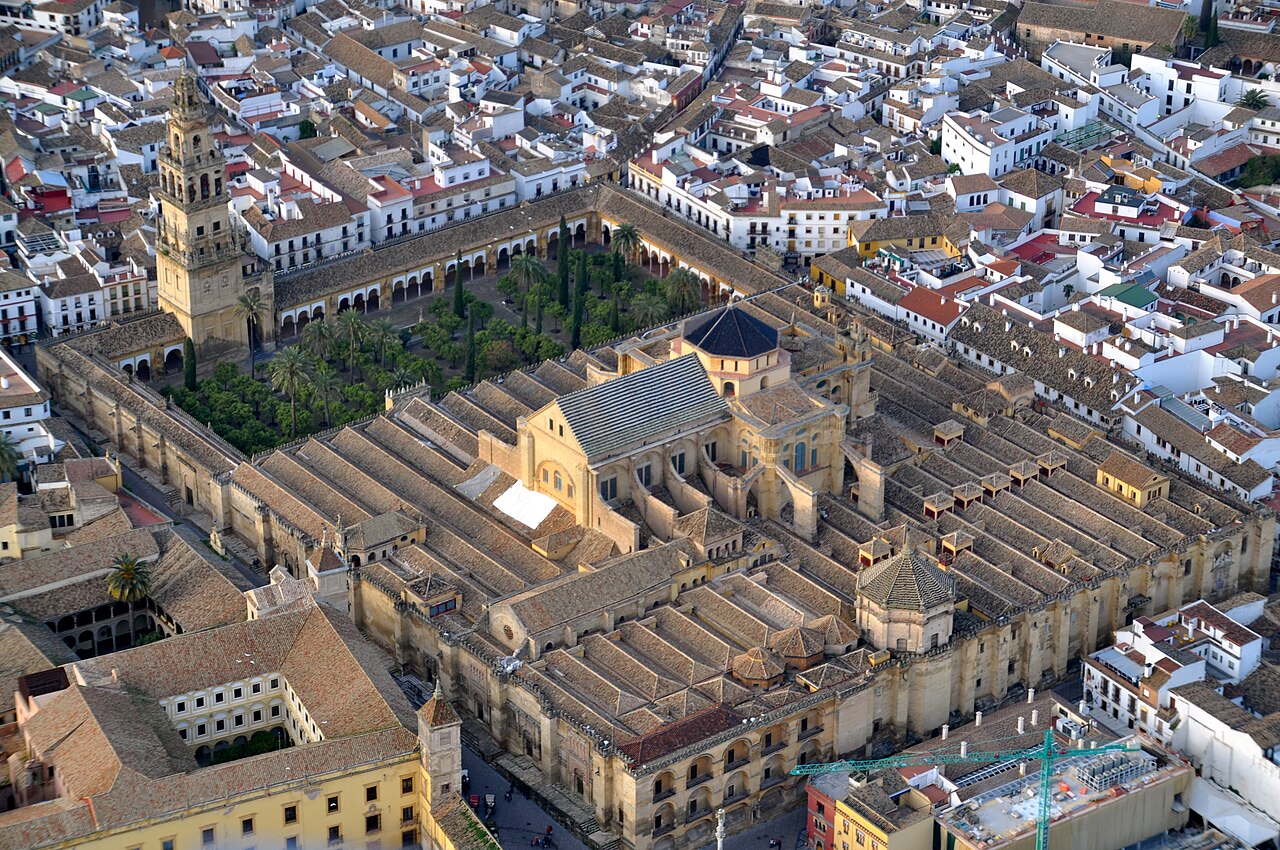
Mosque-Cathedral of Cordoba
786; minaret completed 958
 Artifact
Primary source
Alcazaba of Almería
955
Ready when you are
Start chatting with Abd al-Rahman III now.
20 messages free · No credit card · Available in 50+ languages.