


Primary sourceArtifactca. 950-975
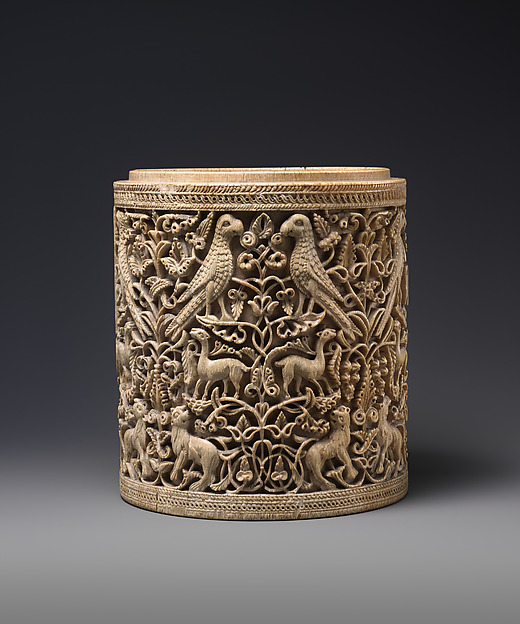
Ivory Pyxis from Spain
ca. 950-975
A carved ivory box from Spain decorated with birds, deer and lions, made during the reign of Abd-ar-Rahman III.
This caliphal ivory casket was made during Abd-ar-Rahman III's reign, showing the court luxury arts of his era.
About this source
What it is
This carved ivory pyxis was made in Spain around 950–975, during the reign of Abd-ar-Rahman III. Its surface is carved with openwork vegetal scrolls, pairs of birds, deer, and lions or big cats, framed by bands of geometric carving. It is held today at The Metropolitan Museum of Art, as part of The Cloisters Collection.
Why it matters
Pieces like this show the court luxury arts of the Caliphate of Córdoba. They reveal the skilled craftsmanship, access to imported materials, and artistic traditions that flourished under Abd-ar-Rahman III's rule, and how such objects later travelled far from where they were made, ending up in museum collections abroad.
Look closer
- What does the long journey of this object, from Córdoba to a museum in New York, tell us about how artifacts survive and move through history?
- Why do animals and plants appear so often in this kind of decorative carving?
- What questions would you ask a curator about how this object was originally used?
This artifact is part of the curated material that grounds the AI version of Abd al-Rahman III on Humy.ai — when students ask about related events, the AI can quote it and cite it.
More Abd al-Rahman III sources
Meet the AI Abd al-Rahman III →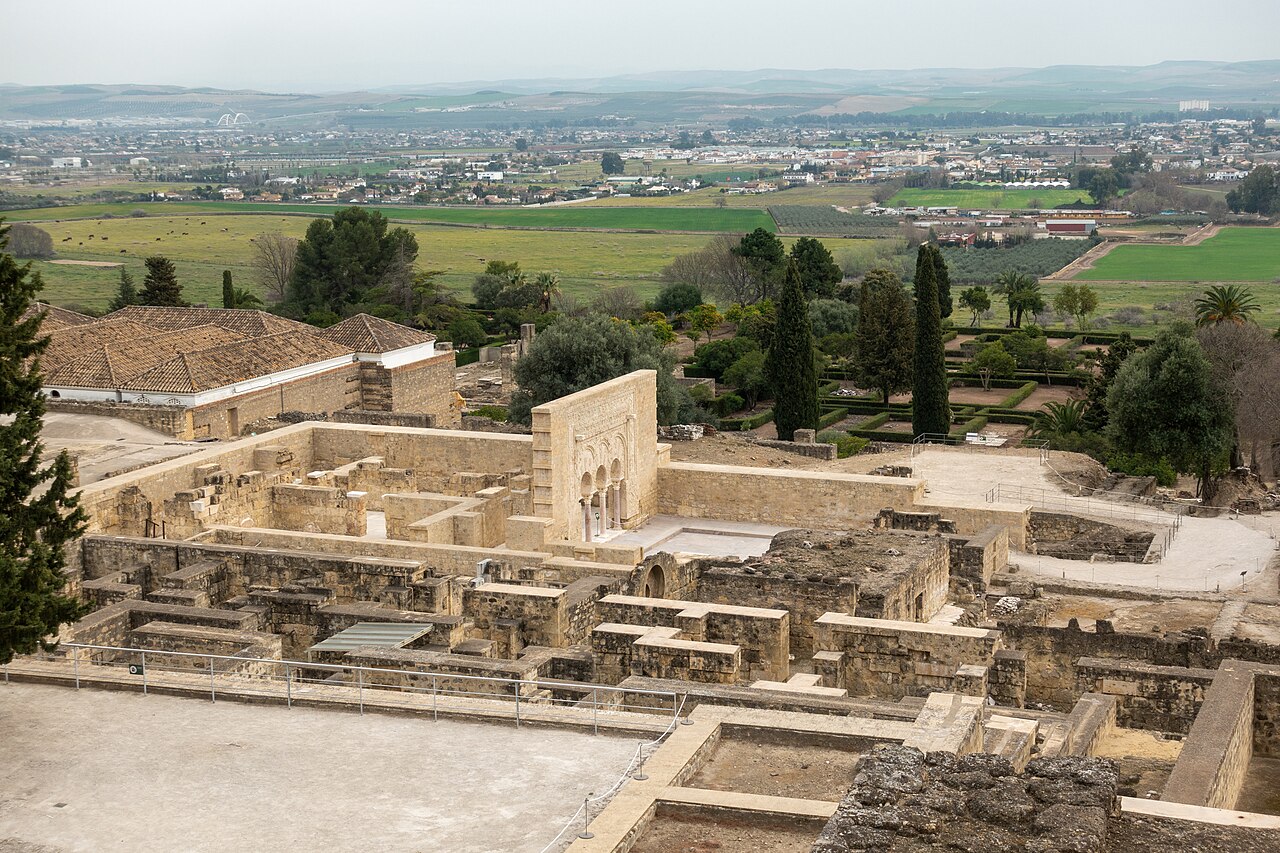 Artifact
Primary source
Madinat al-Zahra
c. 936-1000
 Artifact
Primary source
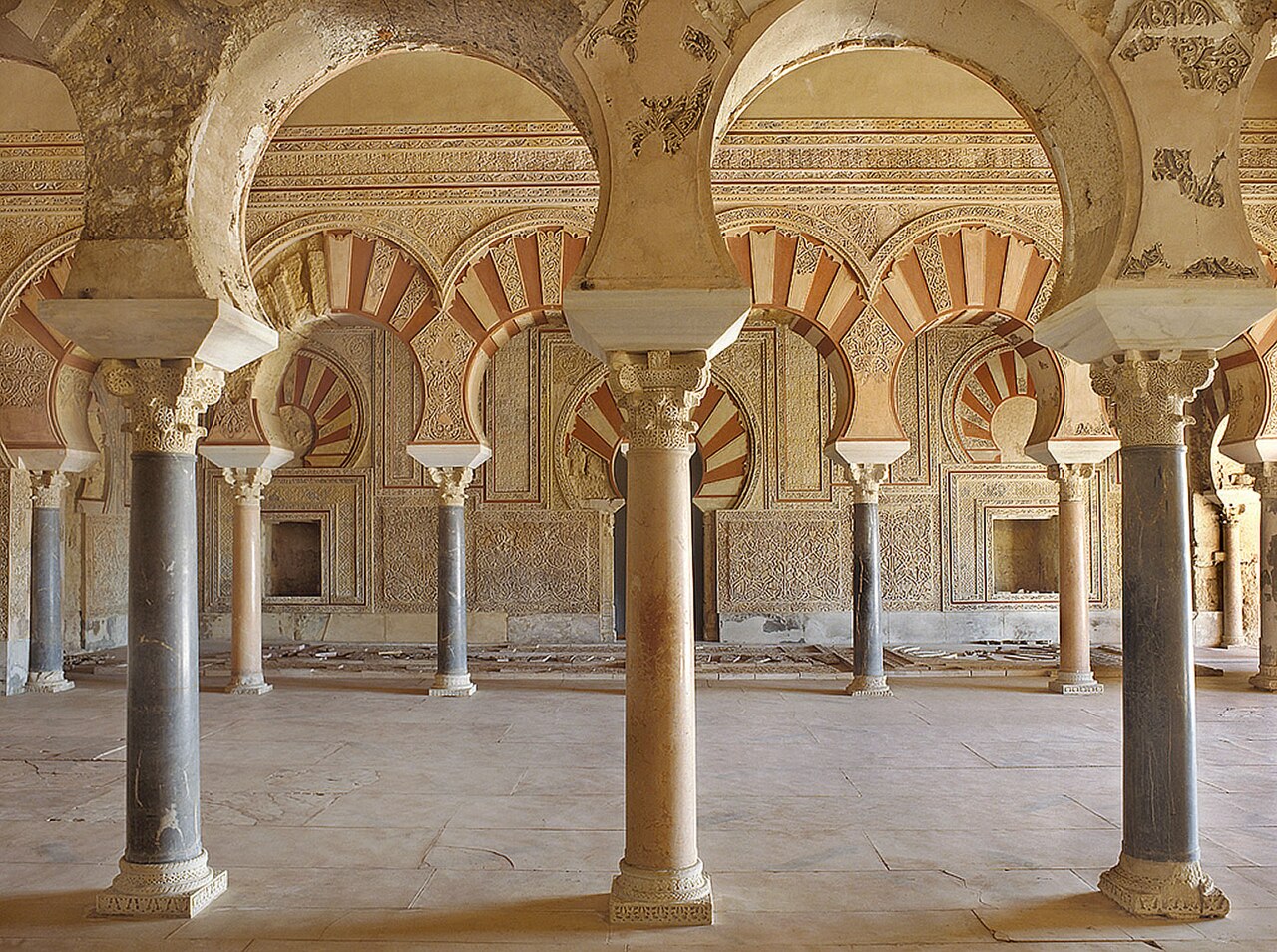
Salón Rico (Hall of Abd al-Rahman III)
953-957
Primary source
Letter of Hasdai ibn Shaprut to King Joseph of the Khazars
Hasdai ibn Shaprut · c. 950s
 Artifact
Primary source
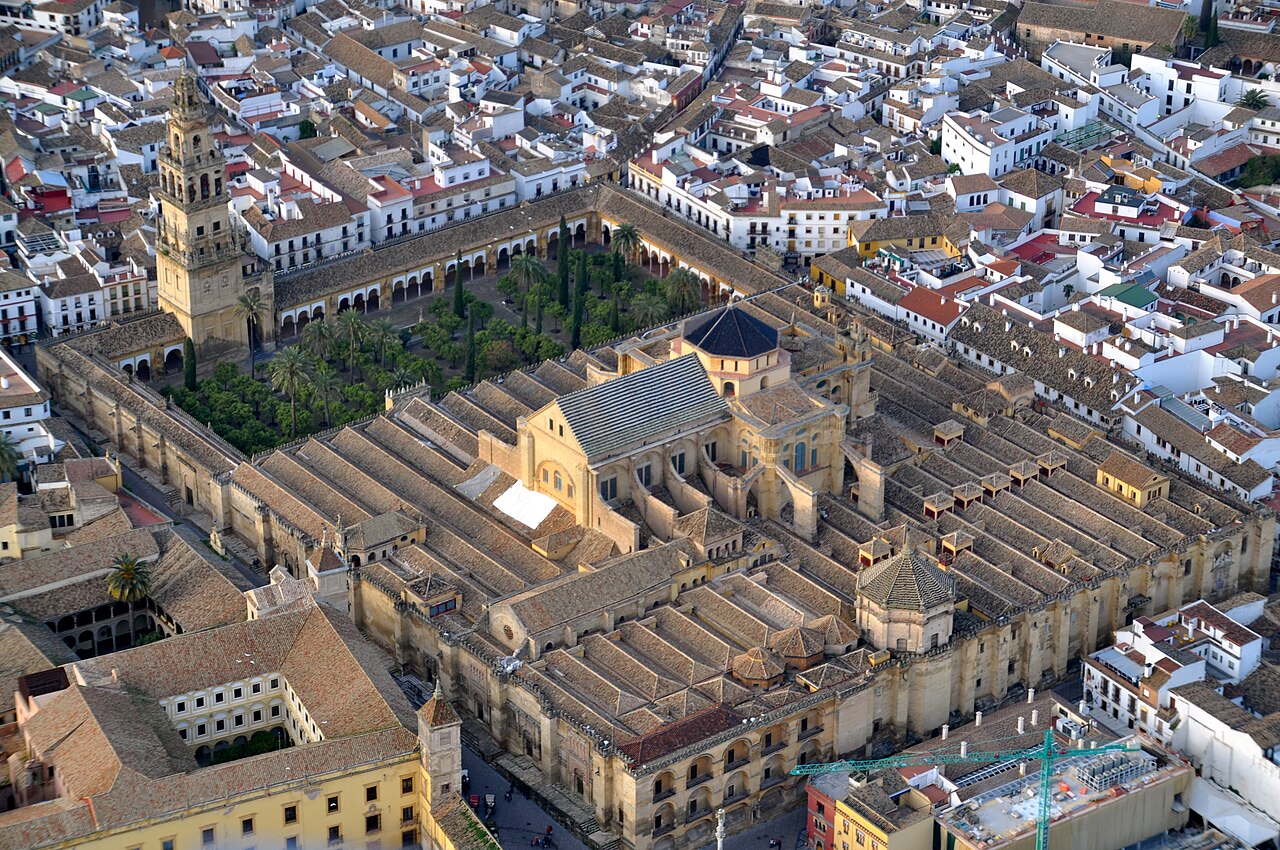
Mosque-Cathedral of Cordoba
786; minaret completed 958
 Artifact
Primary source
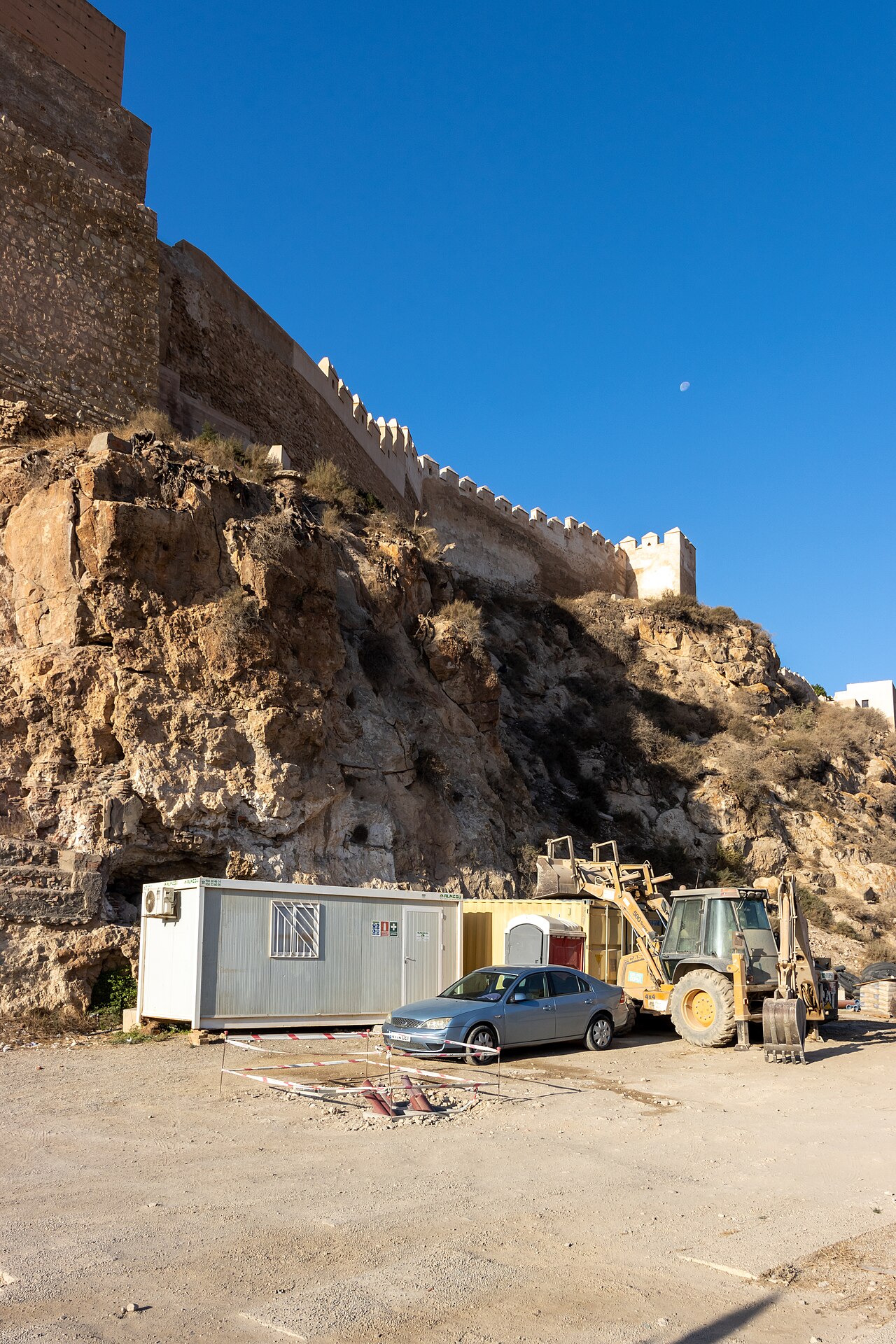
Alcazaba of Almería
955
Ready when you are
Start chatting with Abd al-Rahman III now.
20 messages free · No credit card · Available in 50+ languages.