


Primary sourcePaintingc. 1789
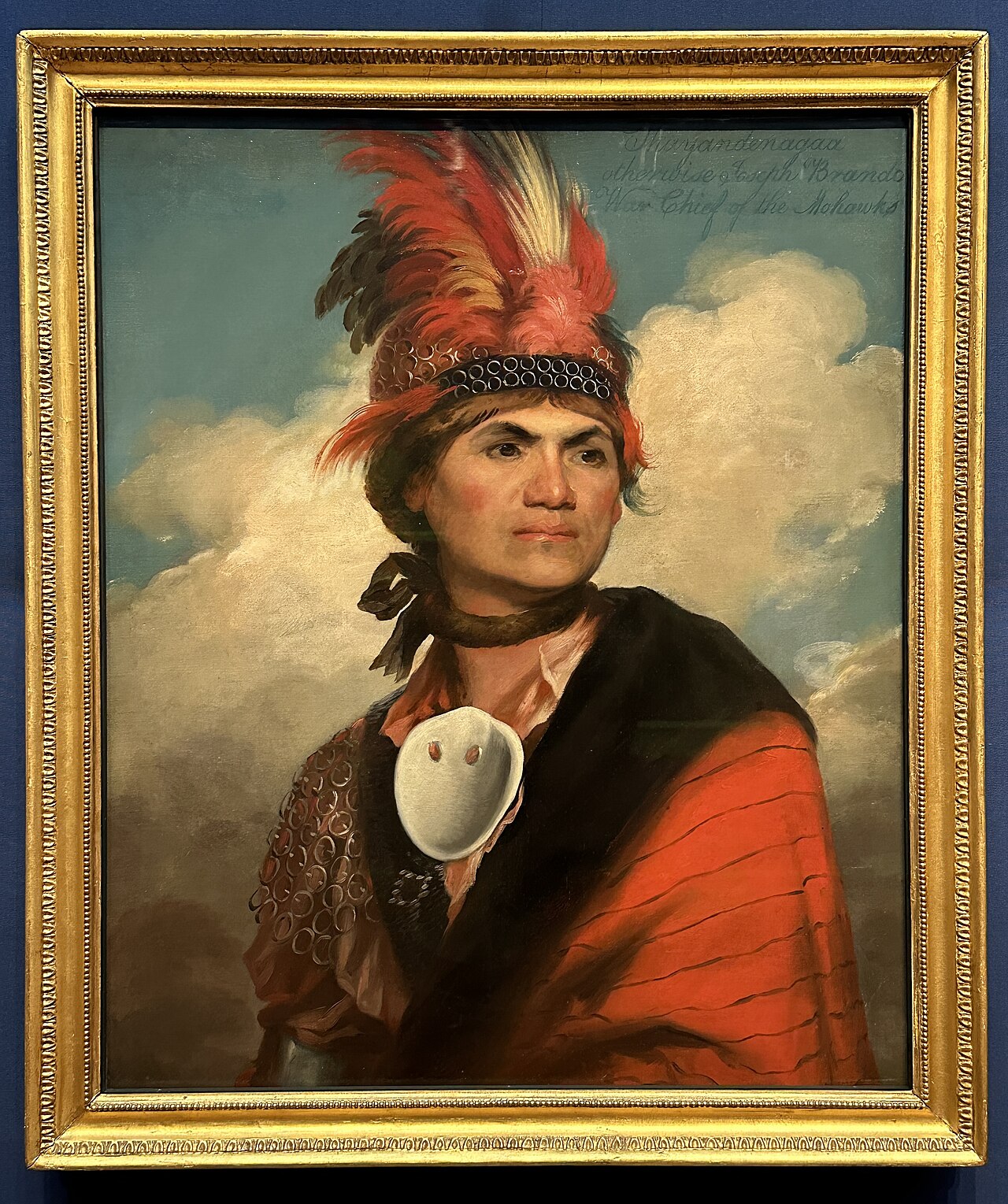
Joseph Brant Portrait, National Portrait Gallery London
Unknown artist (after Gilbert Stuart and John Francis Rigaud) · c. 1789
An oil painting of Joseph Brant from around 1789, based on earlier works by Gilbert Stuart and John Francis Rigaud, now in London's National Portrait Gallery.
A near-contemporary painted portrait of Brant as a Mohawk war chief, now held in a major national gallery.
About this source
What it is
This oil painting, made around 1789 by an unknown artist, depicts Joseph Brant (Thayendanegea) and draws on earlier portraits by Gilbert Stuart and John Francis Rigaud. It hangs in the National Portrait Gallery, London.
Why it matters
The painting reflects how Brant, as a Mohawk war chief who worked with the British, became a recognizable figure in British art and society. The connection to well-known painters Stuart and Rigaud shows the importance placed on his image at the time.
Look closer
- What symbols of leadership and identity can you spot in Brant's clothing and accessories?
- Why might an unknown artist copy the work of famous painters like Stuart and Rigaud?
- What might this portrait leave out about Brant's role among the Mohawk and in diplomacy?
This painting is part of the curated material that grounds the AI version of Joseph Brant (Thayendanegea) on Humy.ai — when students ask about related events, the AI can quote it and cite it.
More Joseph Brant (Thayendanegea) sources
Meet the AI Joseph Brant (Thayendanegea) →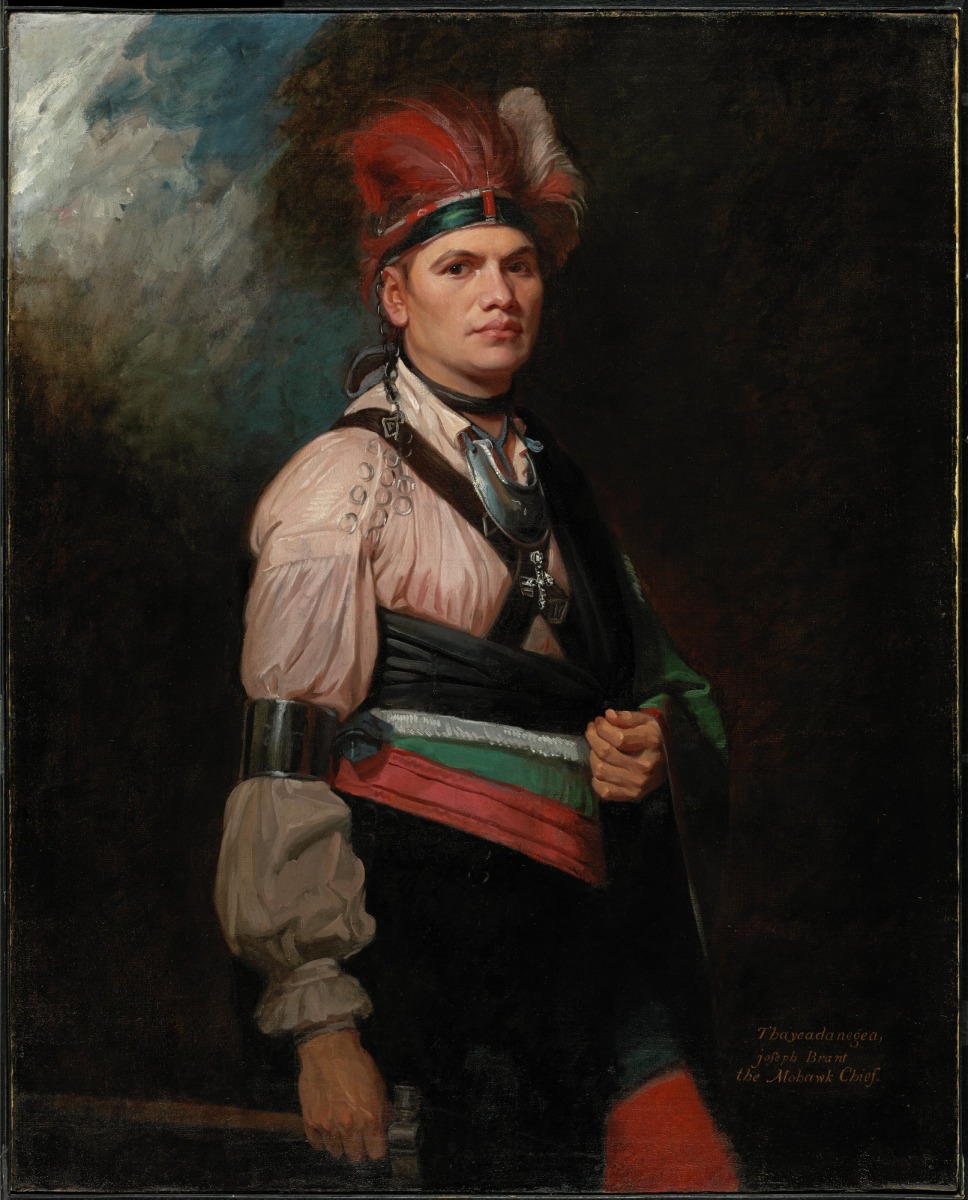 Painting
Primary source
Thayendanegea (Joseph Brant)
George Romney · 1776
 Painting
Primary source
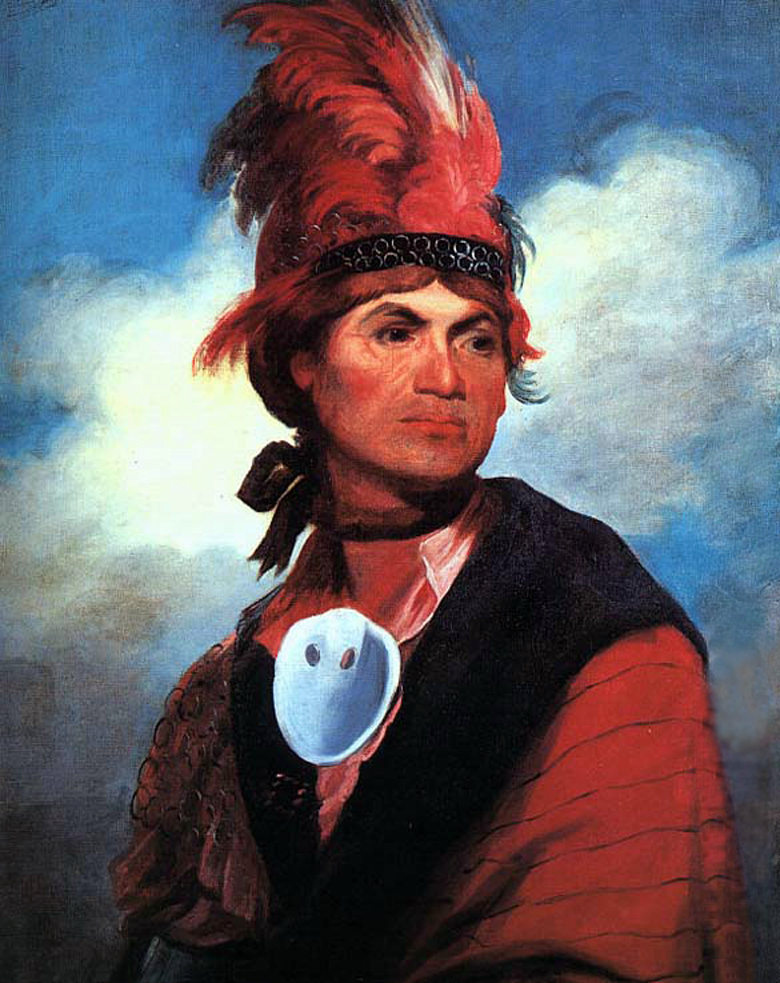
Joseph Brant by Gilbert Stuart
Gilbert Stuart · 1786
 Painting
Primary source
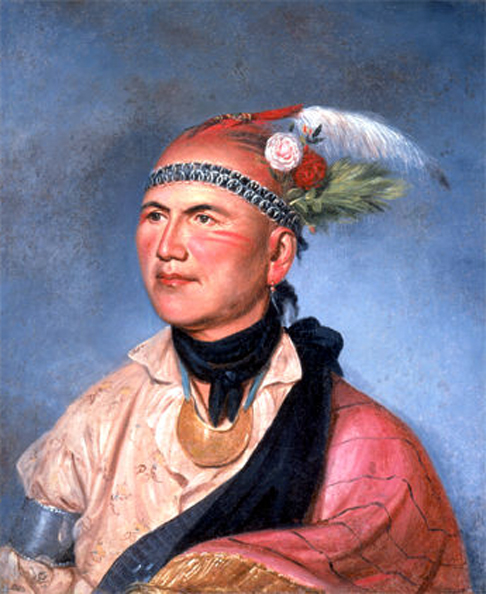
Joseph Brant by Charles Willson Peale
Charles Willson Peale · 1797
 Painting
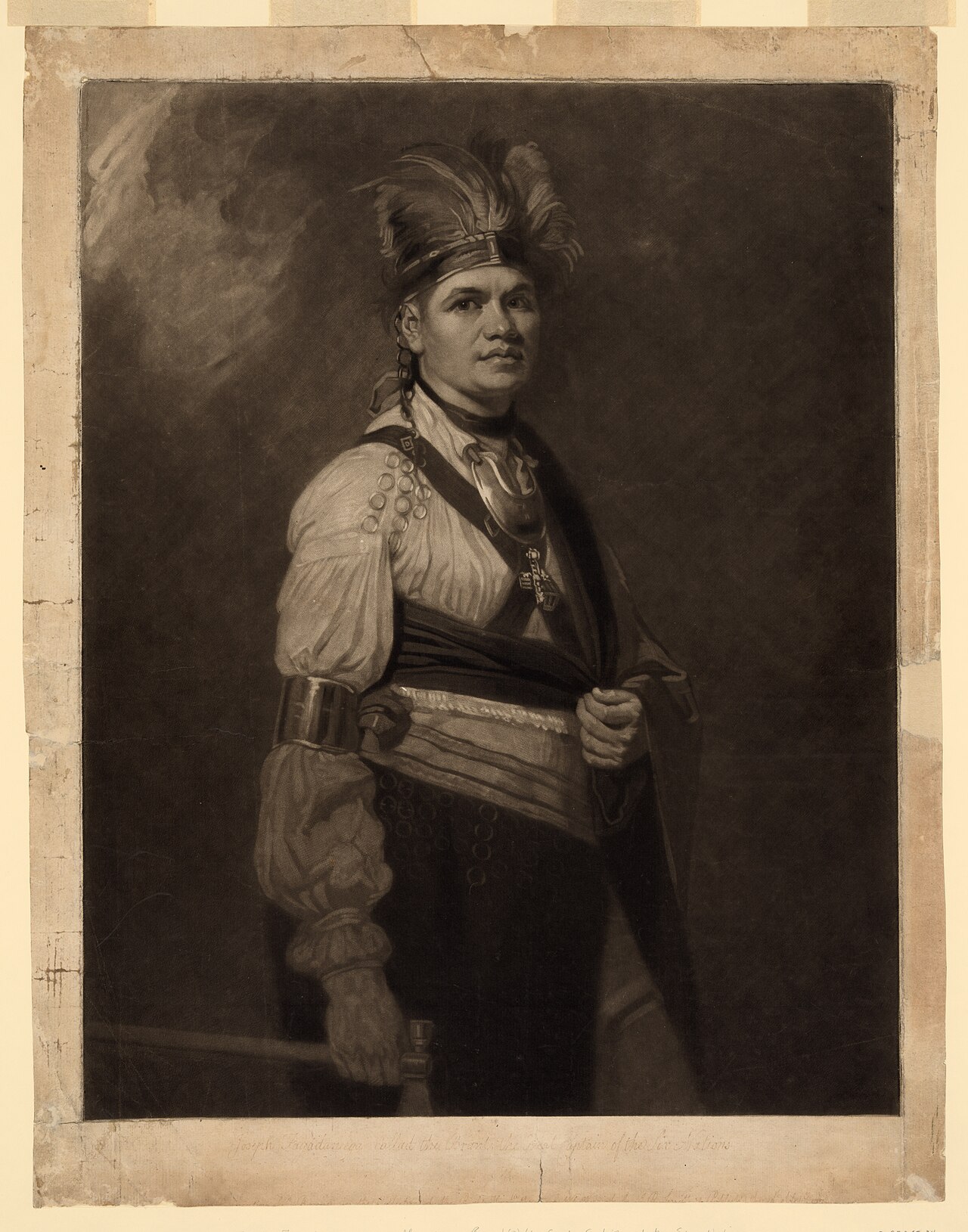
Secondary source
Joseph Fayadaneega, called the Brant, the Great Captain of the Six Nations
John Raphael Smith, after George Romney · 1779
 Painting
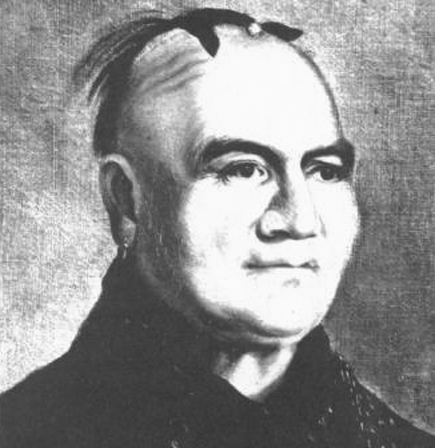
Primary source
Joseph Brant by Ezra Ames
Ezra Ames · 1806
Ready when you are
Start chatting with Joseph Brant (Thayendanegea) now.
20 messages free · No credit card · Available in 50+ languages.