


Primary sourceArtifact17th century
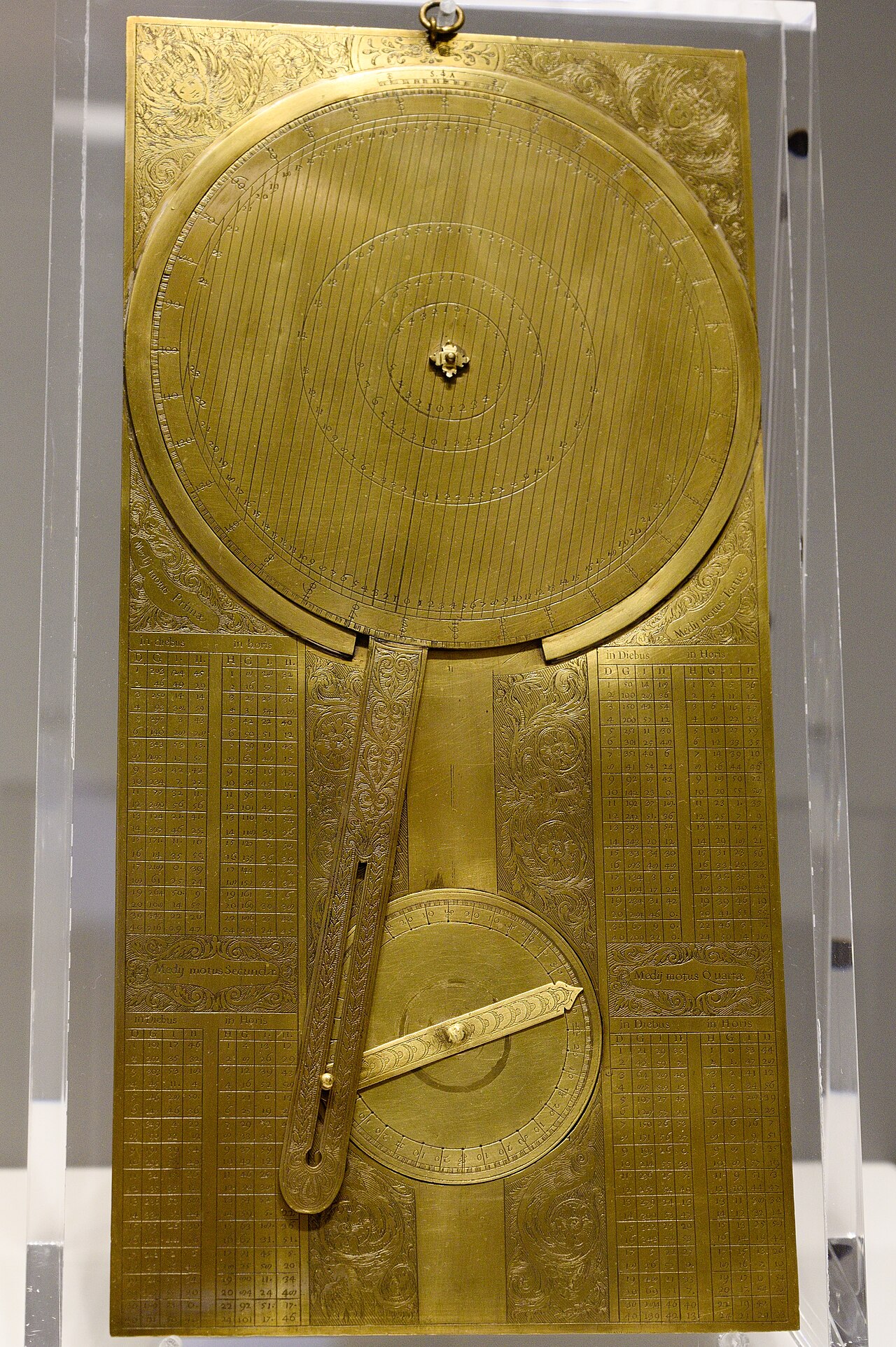
Jovilabe
Galileo Galilei (design) · 17th century
A brass instrument designed by Galileo to predict the positions of Jupiter's moons, used to help solve the problem of finding longitude at sea.
Galileo designed this instrument to track Jupiter's moons, part of his plan to use them for solving the longitude problem.
About this source
What it is
The jovilabe is a brass scientific instrument designed by Galileo Galilei, made by an unknown craftsman in the 17th century. It is held at the Museo Galileo in Florence.
Why it matters
Galileo discovered Jupiter's moons and announced them in his 1610 treatise Sidereus Nuncius. He then studied their orbital periods so their eclipses could be predicted and used as a kind of clock visible from anywhere, a possible solution to the longstanding problem of finding longitude at sea. This instrument, with its engraved tables and rotating disks, put that calculation into a usable tool.
Look closer
- Why would predicting the moons of Jupiter help sailors figure out their location?
- What do the engraved tables and rotating disks suggest about how the instrument was used?
- Why might an instrument like this matter as much to trade and navigation as to astronomy?
This artifact is part of the curated material that grounds the AI version of Galileo Galilei on Humy.ai — when students ask about related events, the AI can quote it and cite it.
More Galileo Galilei sources
Meet the AI Galileo Galilei →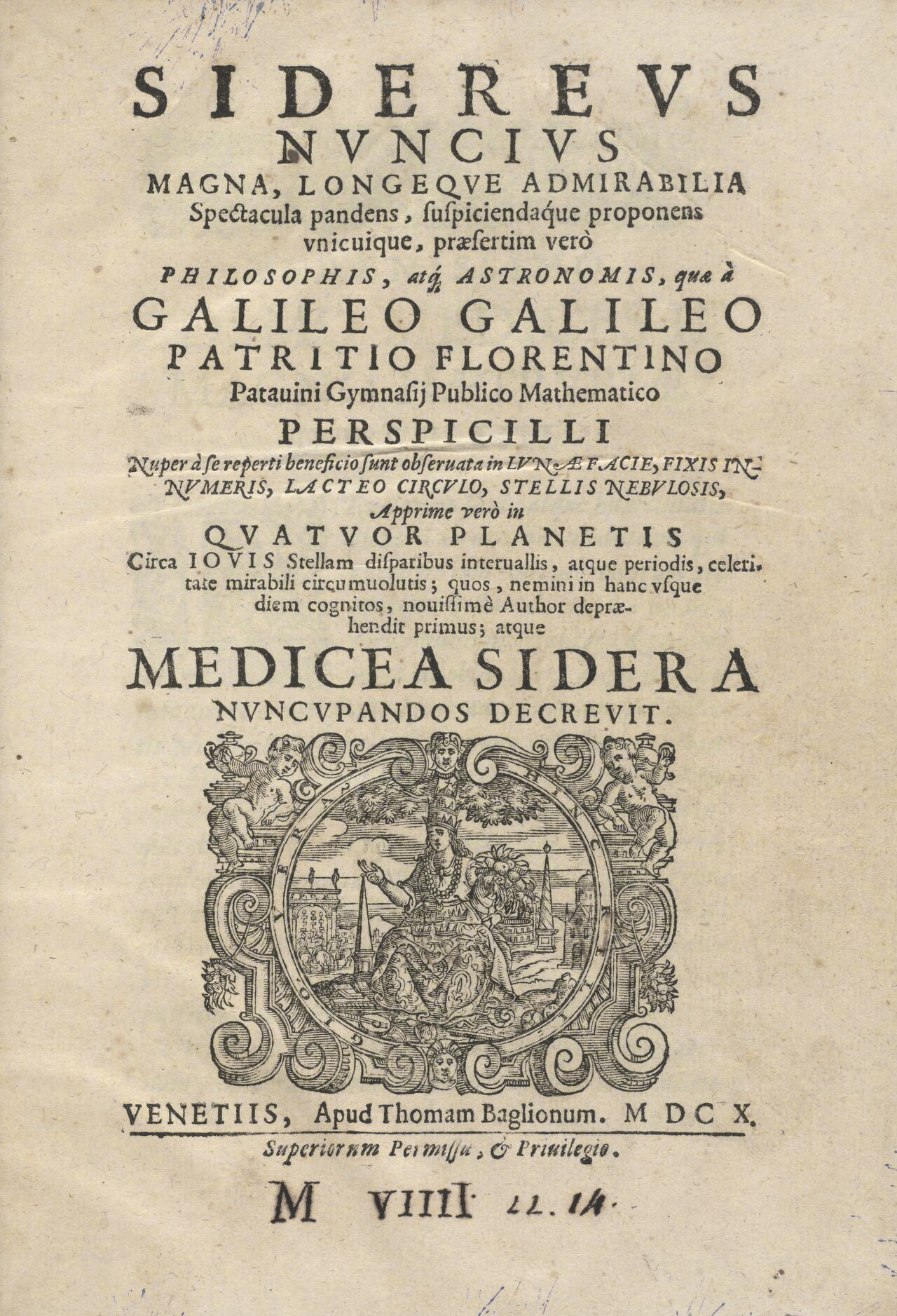 Book
Primary source
Sidereus Nuncius
Galileo Galilei · 1610
 Painting
Primary source
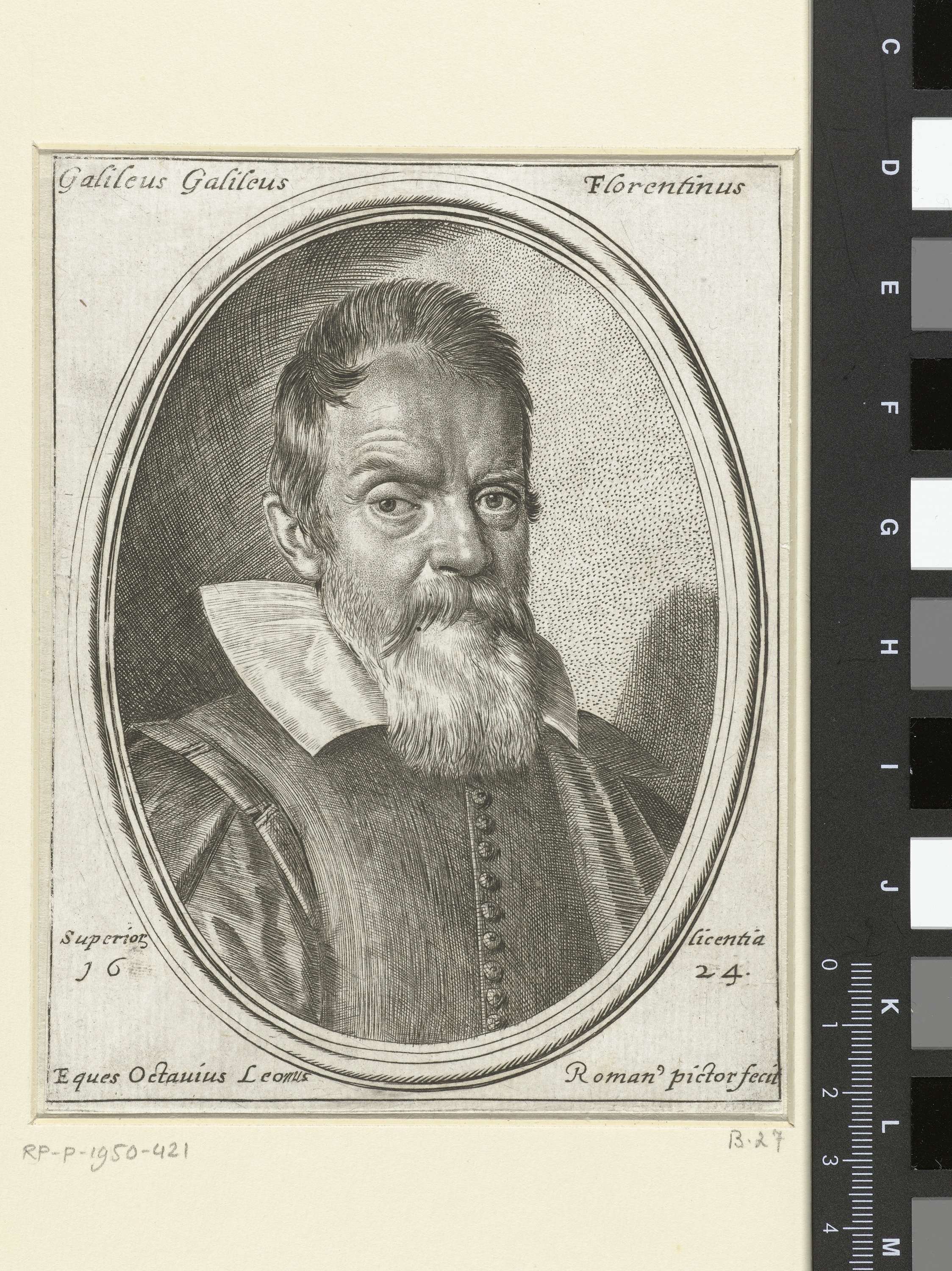
Portrait of Galileo Galilei (1624 print)
1624
 Painting
Primary source
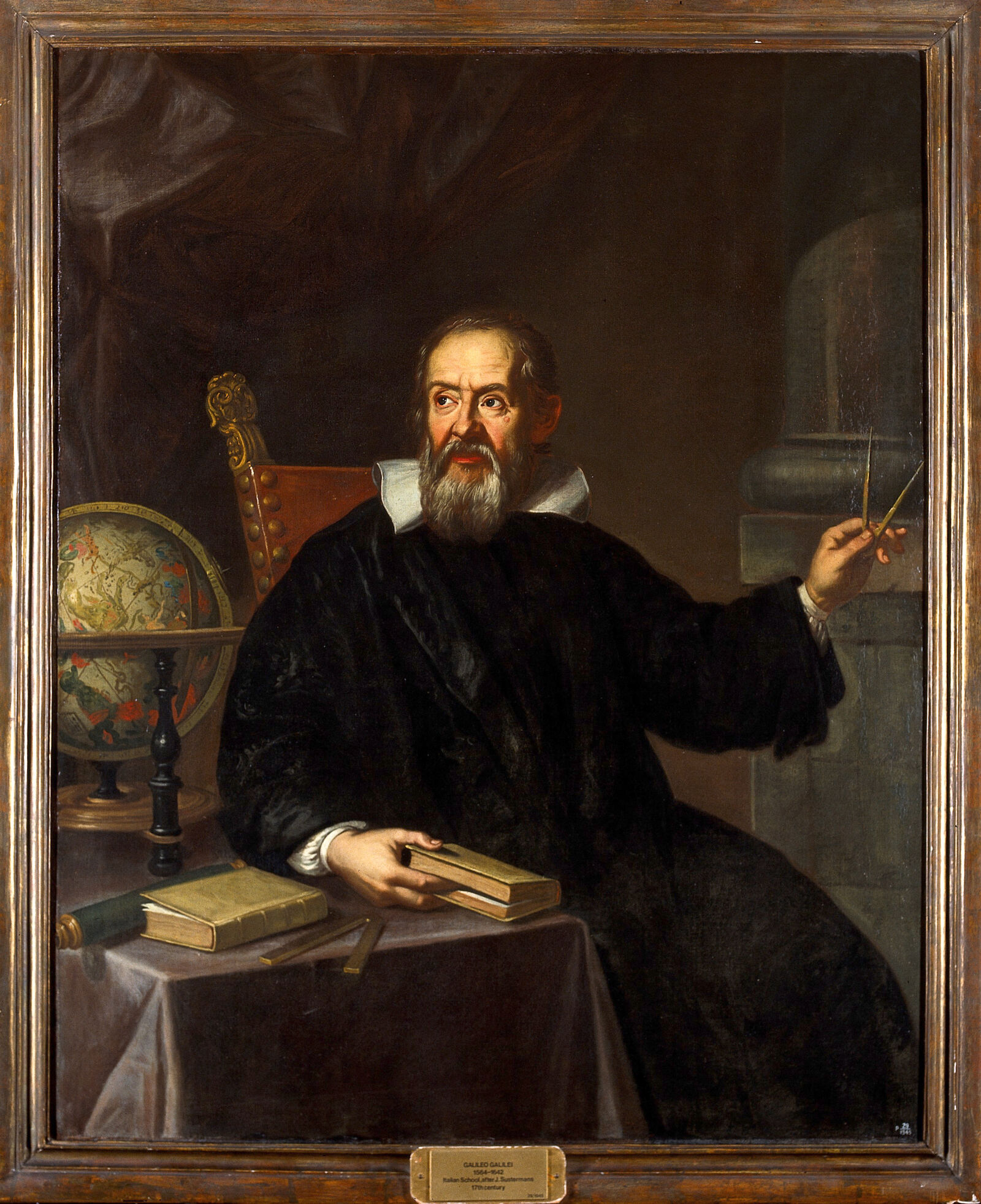
Oil Portrait of Galileo in His Study
Unknown Italian painter · 18th century (?)
 Painting
Primary source
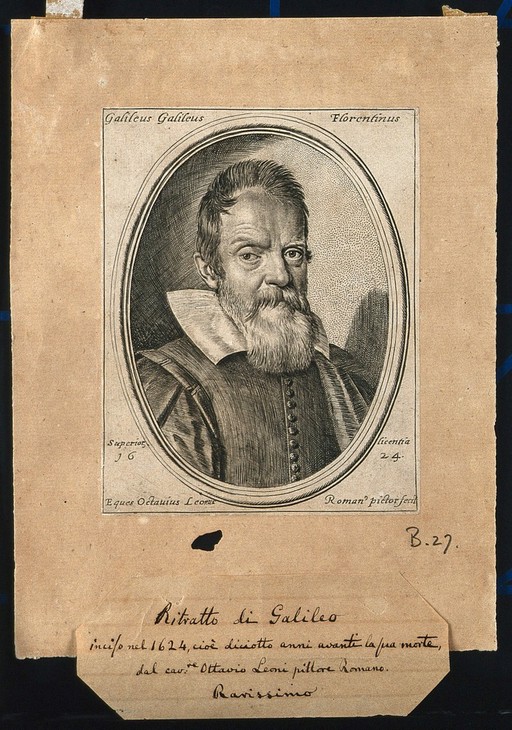
Galileo Galilei, line engraving by Ottavio Leoni
Ottavio Leoni · 1624
 Book
Primary source
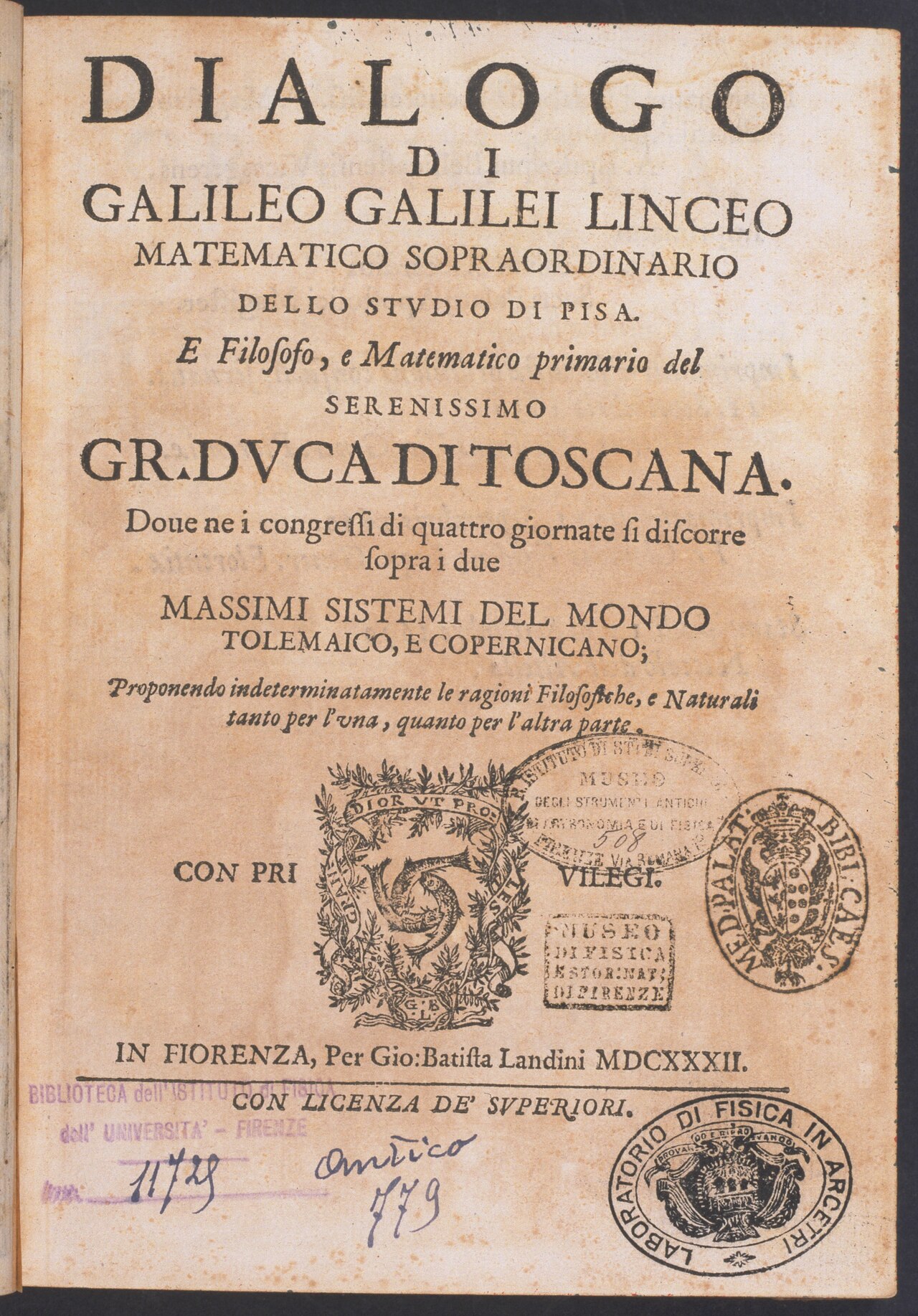
Dialogue Concerning the Two Chief World Systems
Galileo Galilei · 1632
Ready when you are
Start chatting with Galileo Galilei now.
20 messages free · No credit card · Available in 50+ languages.