


Secondary sourceArtifact1810
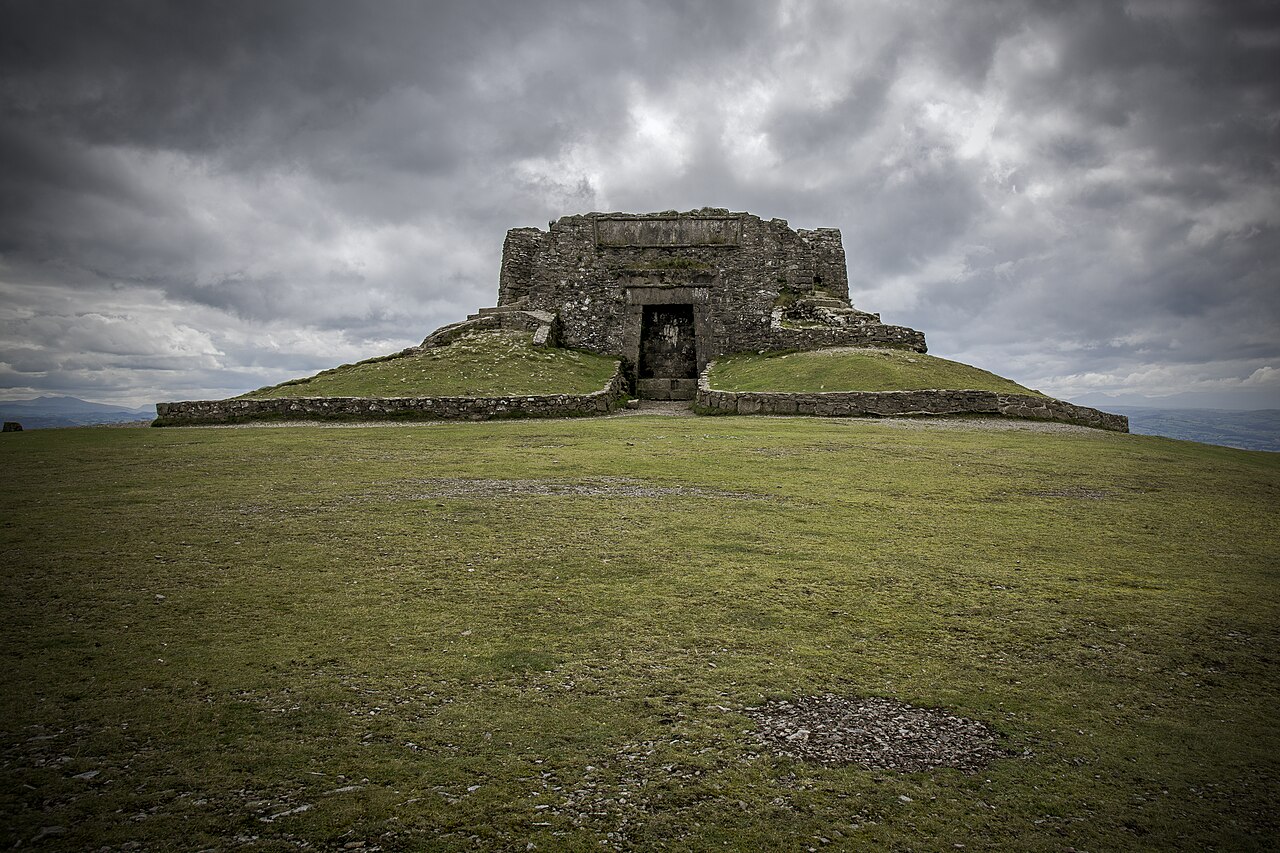
Jubilee Monument, Moel Fammau
1810
A hilltop tower in Wales begun around 1810 to celebrate the golden jubilee of King George III's reign.
Built to mark George III's golden jubilee, showing celebration of his reign across Britain, including Wales.
About this source
What it is
This is a stone tower built on the summit of Moel Famau, a hill in Flintshire/Denbighshire, Wales. It was begun around 1810 to mark the golden jubilee of King George III, who had by then reigned for fifty years. It is now a listed structure.
Why it matters
The monument shows how the King's long reign was celebrated not just in London but across Britain, including in Wales, reflecting widespread public recognition of his fifty years on the throne. Such jubilee monuments reveal how communities used grand public structures to express loyalty to the Crown.
Look closer
- Why might people in Wales, far from London, have wanted to build a monument to the King?
- What does the tower's hilltop location suggest about how it was meant to be seen or used?
- What has happened to the structure over time, and what might that tell us about how it was maintained?
This artifact is part of the curated material that grounds the AI version of George III on Humy.ai — when students ask about related events, the AI can quote it and cite it.
More George III sources
Meet the AI George III →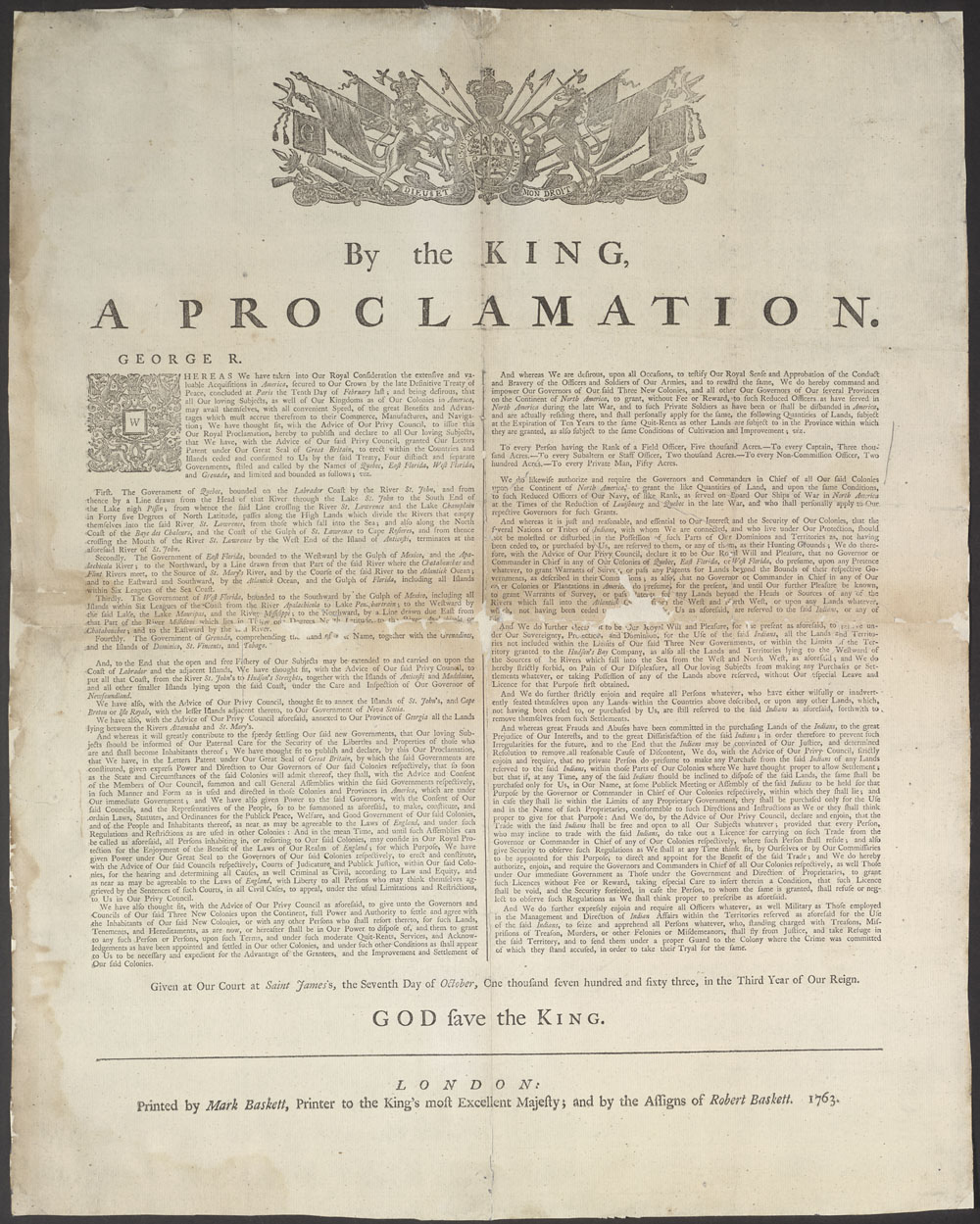 Document
Primary source
Royal Proclamation of 1763
7 October 1763
 Painting
Primary source
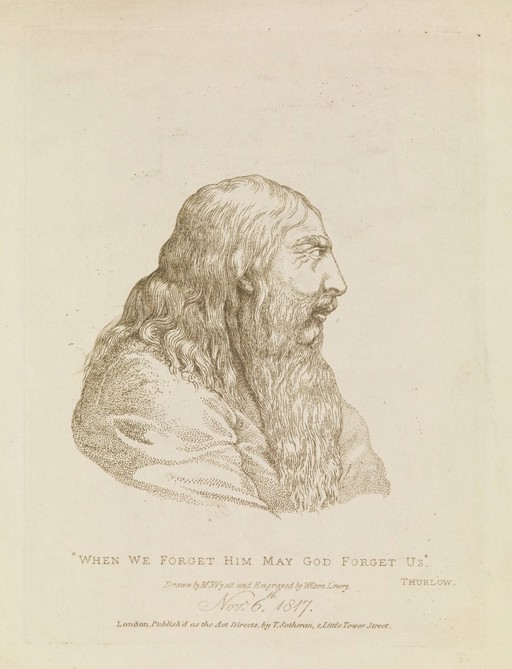
King George III, Etching by Wilson Lowry after M. C. Wyatt
Matthew Coates Wyatt · 6 November 1817
 Painting
Primary source
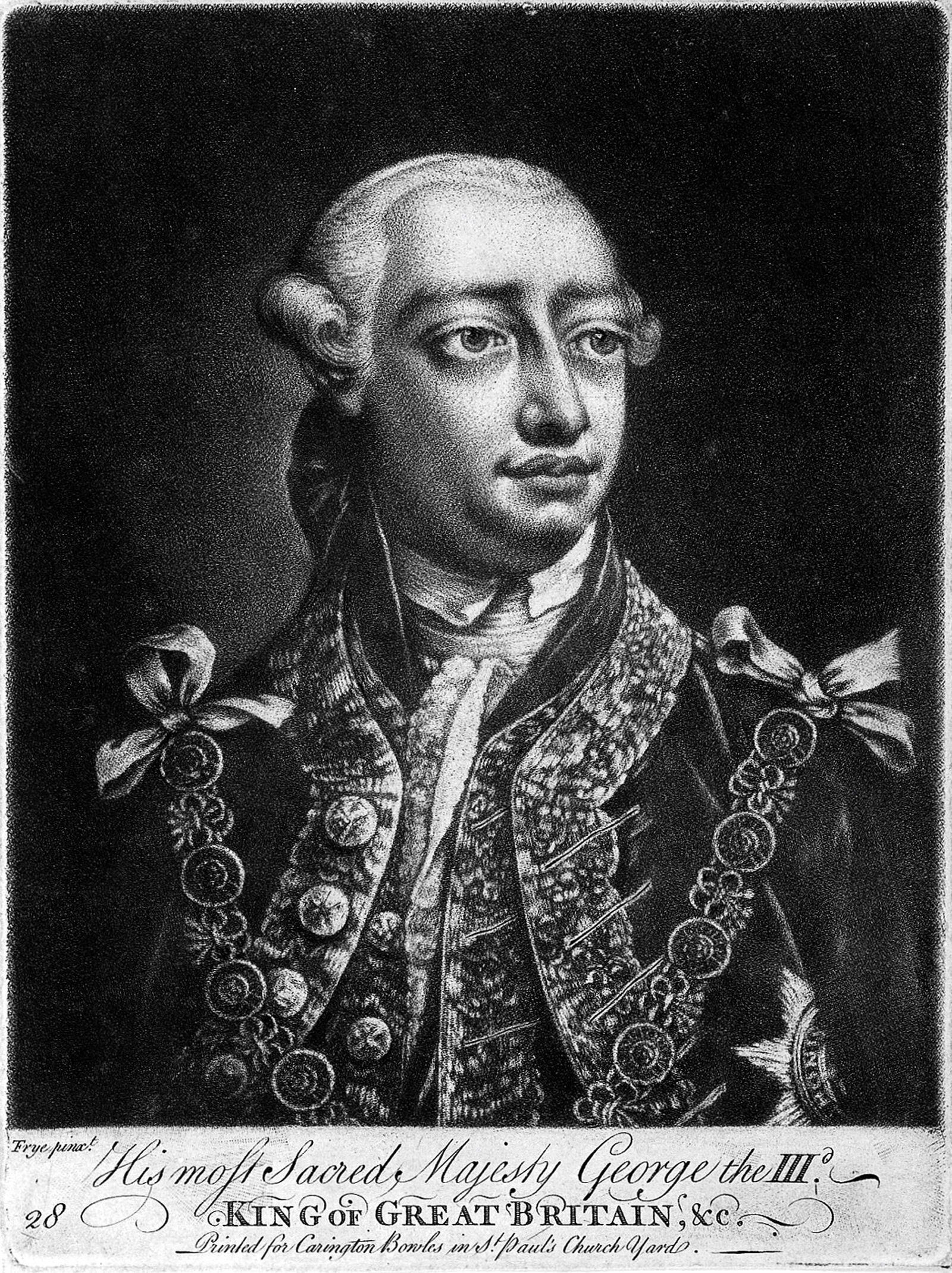
King George III, Mezzotint after Thomas Frye
Thomas Frye · not later than 1762
 Document
Primary source
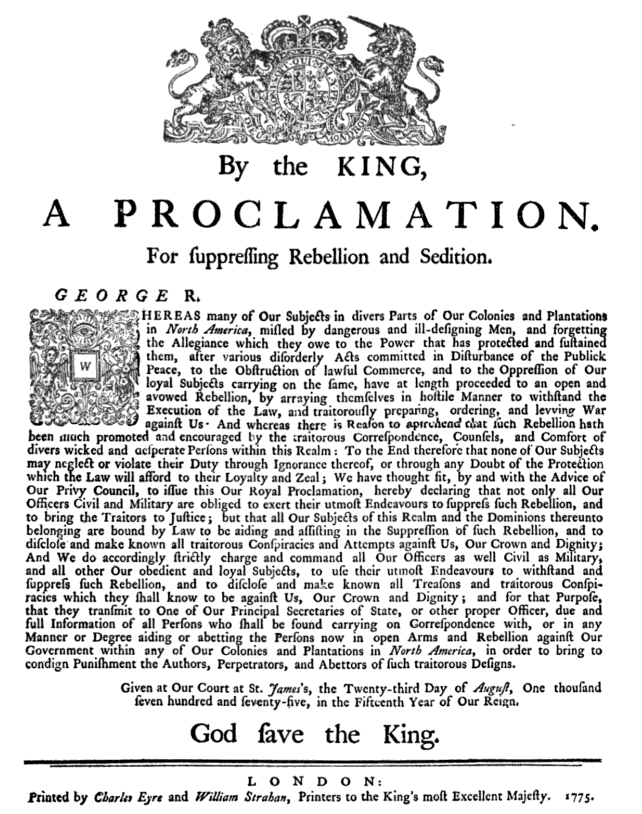
Proclamation of Rebellion
George III of Great Britain · 23 August 1775
 Document
Primary source
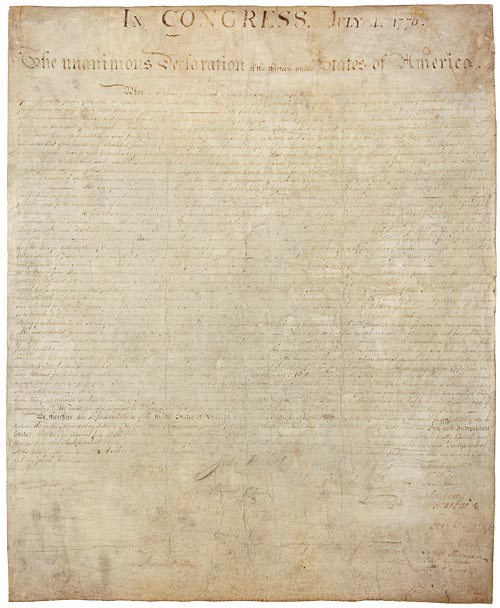
Declaration of Independence
Continental Congress (drafted by Thomas Jefferson) · 1776
Ready when you are
Start chatting with George III now.
20 messages free · No credit card · Available in 50+ languages.