


Secondary sourceSculpturec. 1455-1460
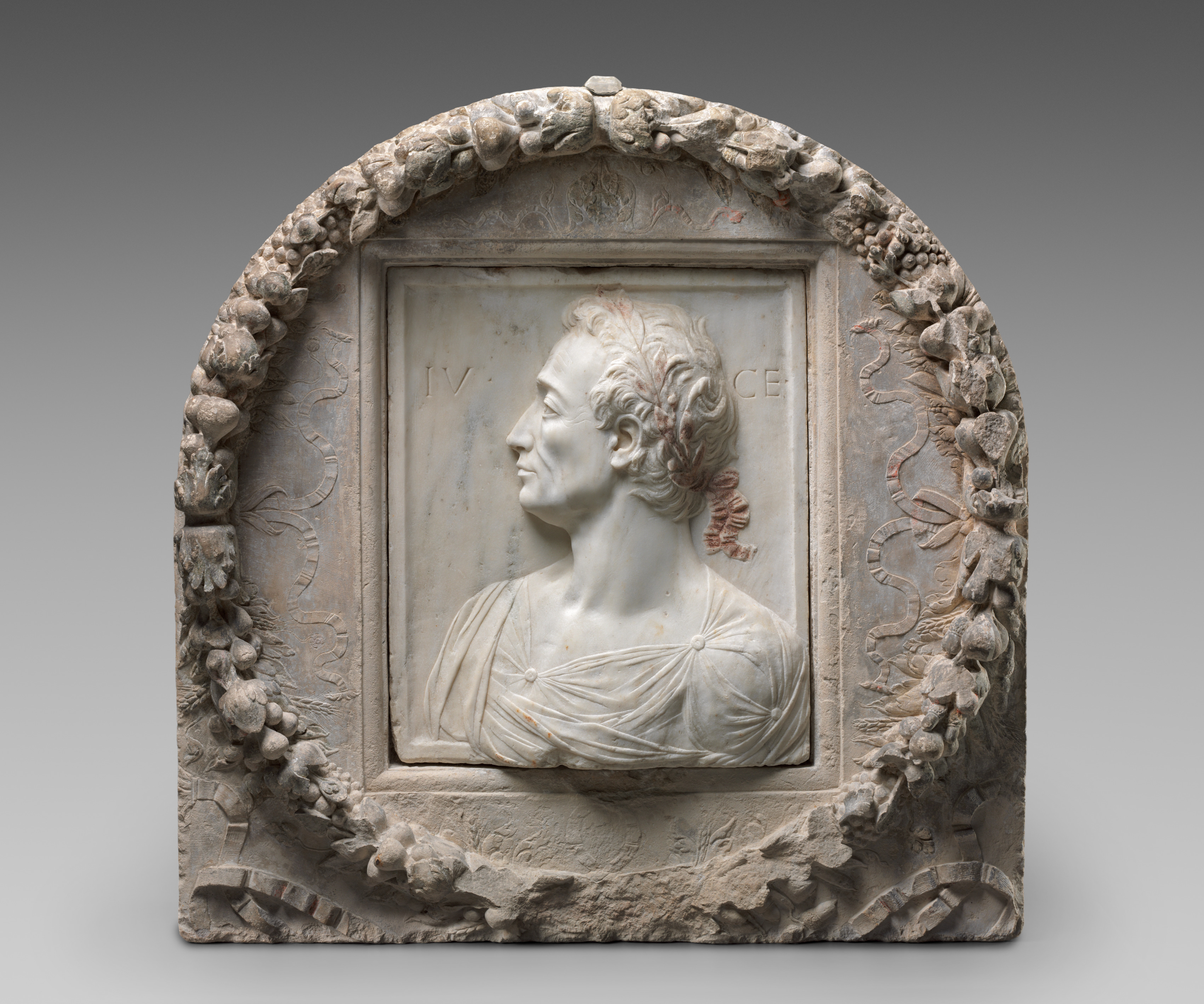
Julius Caesar bust
Mino da Fiesole · c. 1455-1460
A Renaissance marble relief bust imagining Caesar as an aged statesman, based on ancient coin portraits.
A later Renaissance sculpture imagining Caesar as an aged statesman, based on ancient coin portraits rather than life.
About this source
What it is
This marble bust was carved by the Italian sculptor Mino da Fiesole around 1455-1460. It shows Caesar in profile, wearing a laurel wreath, set within a carved frame of fruit garlands. It is now held by the Cleveland Museum of Art.
Why it matters
Mino likely based this portrait on ancient Roman coins, possibly from the collection of the Medici family who ruled Florence. Rather than showing Caesar as a military conqueror, the sculptor presents him as a worn, aging politician, using careful signs of age to suggest wisdom and burden of office. For Renaissance artists and patrons, Caesar's image became a model for leadership and composure, showing how later generations reused ancient figures to express their own ideas.
Look closer
- What details in the face suggest age or the weight of responsibility?
- Why might a 15th-century artist choose coins, rather than statues, as a model?
- What does this bust tell us about how the Renaissance imagined ancient Rome?
This sculpture is part of the curated material that grounds the AI version of Julius Caesar on Humy.ai — when students ask about related events, the AI can quote it and cite it.
More Julius Caesar sources
Meet the AI Julius Caesar →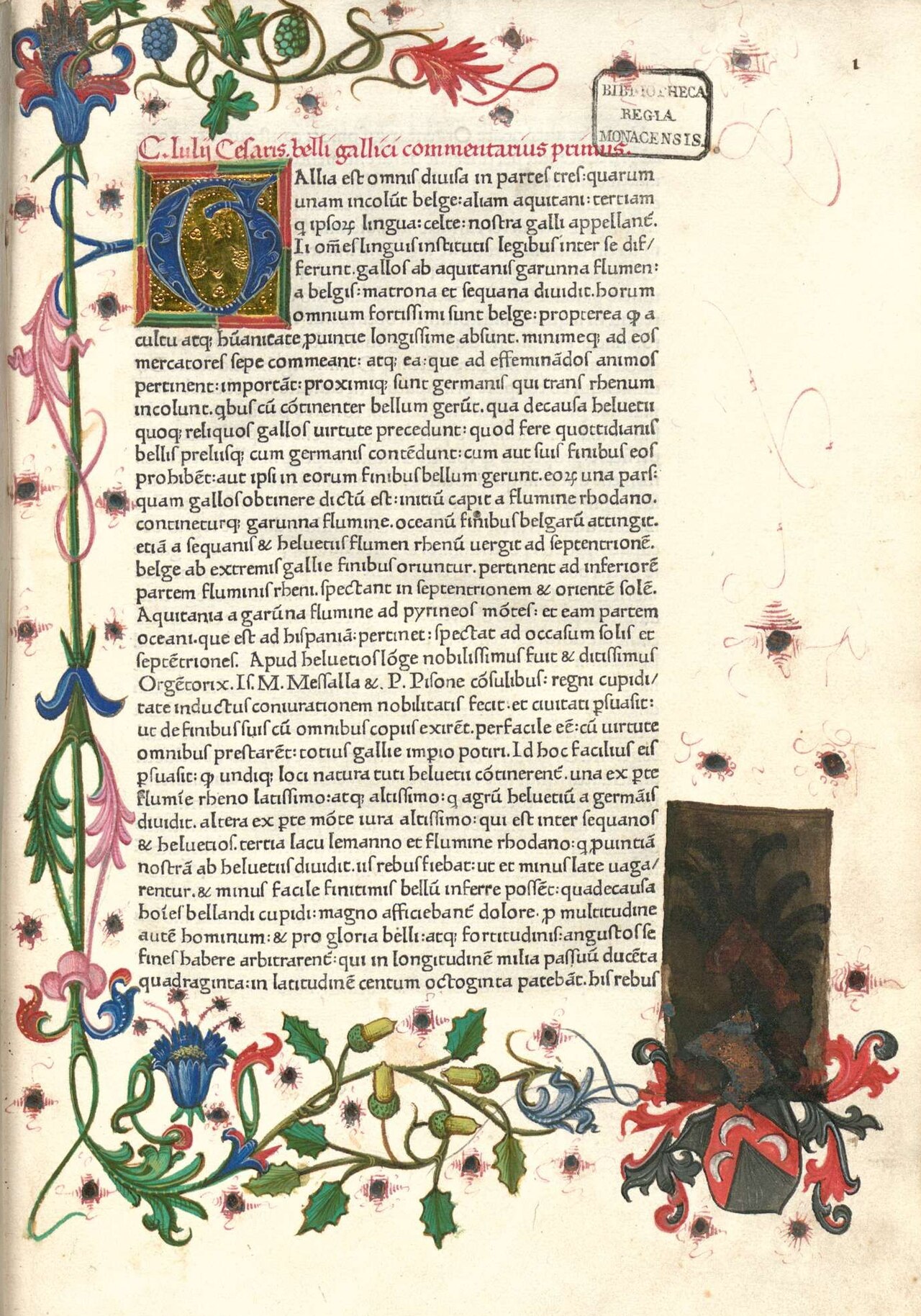 Book
Primary source
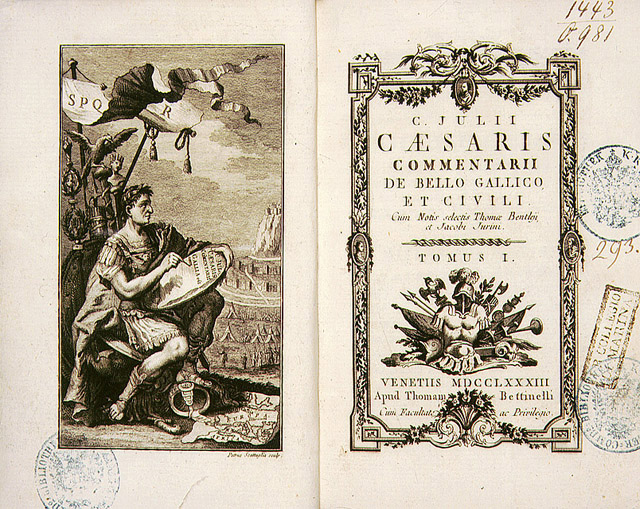
Commentarii de Bello Gallico
Julius Caesar · c. 58-50 BCE (this copy 1469)
 Painting
Secondary source
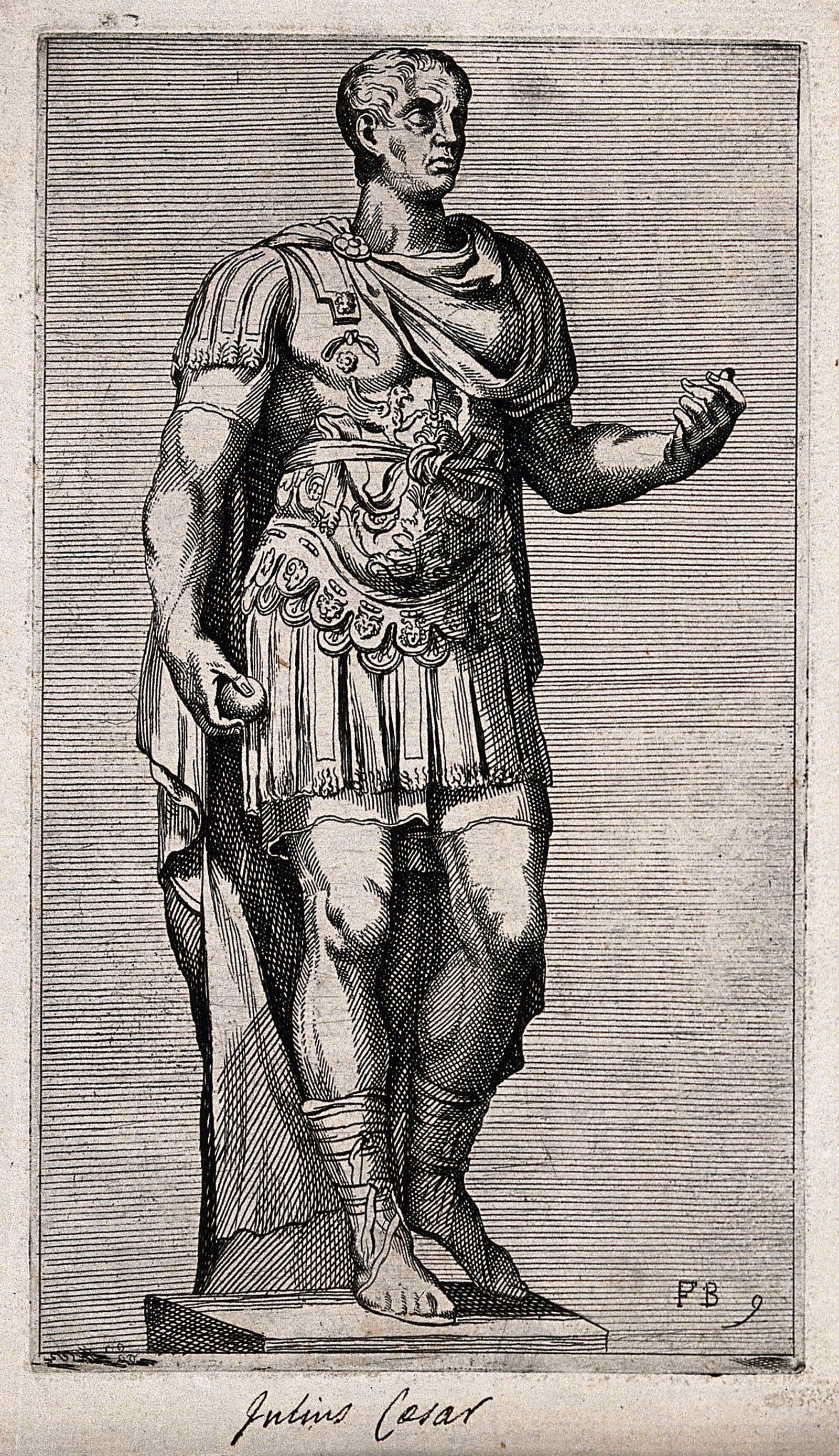
Etched Portrait of Julius Caesar
F. Perrier
 Painting
Secondary source
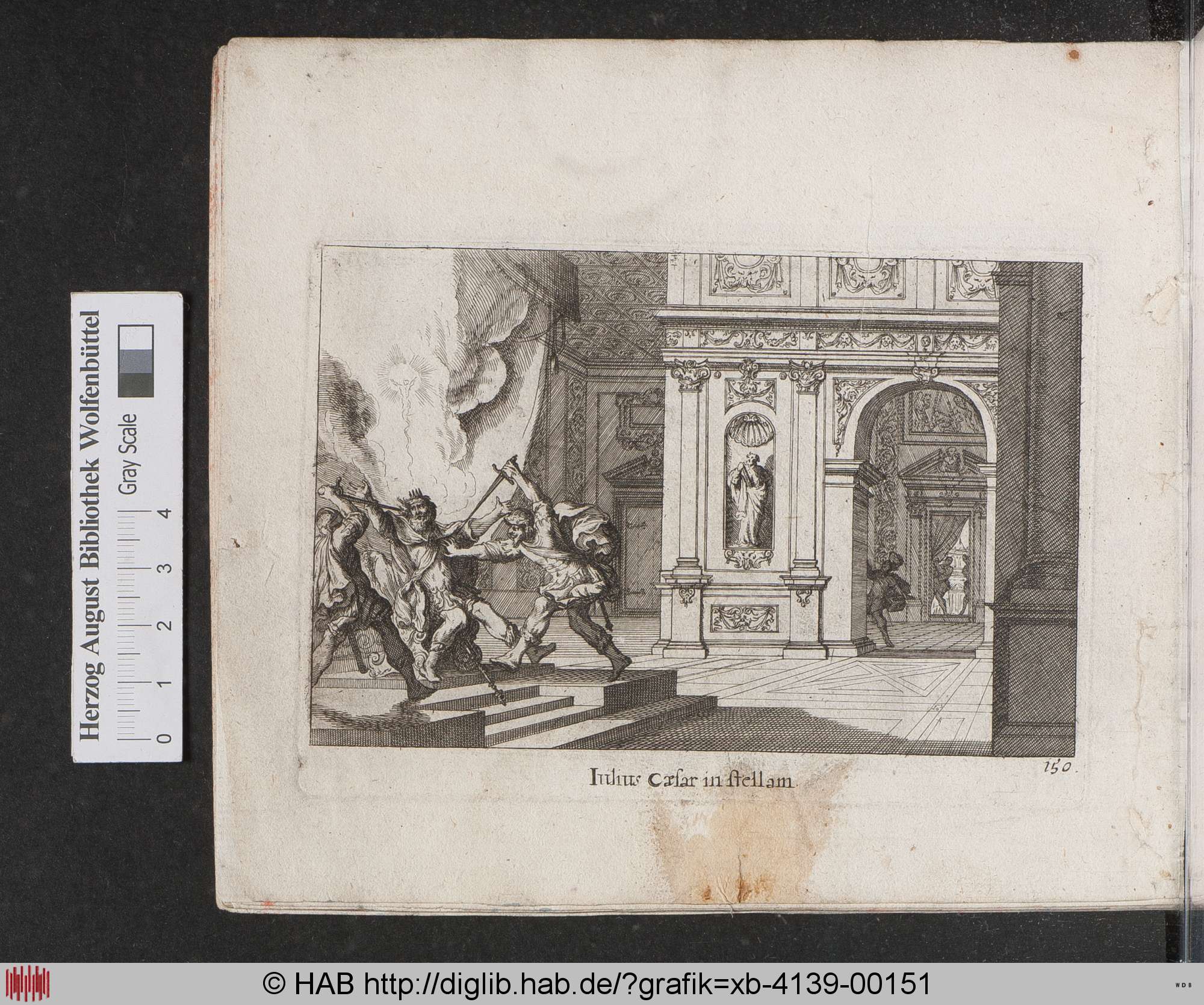
Murder of Julius Caesar in the Senate
 Book
Primary source
Commentarii de Bello Civili
Julius Caesar · 49-48 BCE
 Painting
Secondary source
The Murder of Julius Caesar
1606
Ready when you are
Start chatting with Julius Caesar now.
20 messages free · No credit card · Available in 50+ languages.