


Secondary sourceSculpture1674
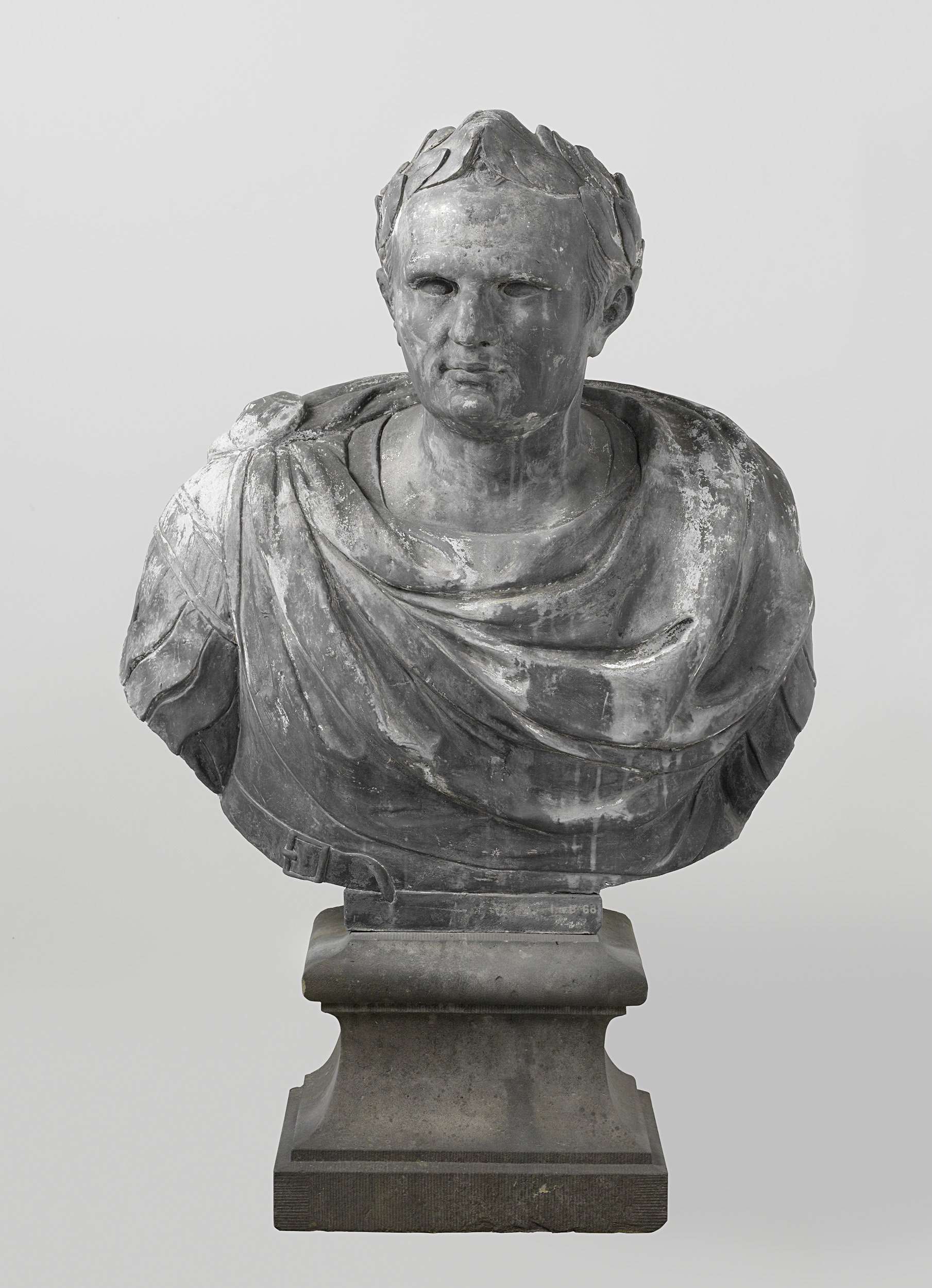
Julius Caesar Lead Bust from the Twelve Caesars Series
1674
A 1674 lead bust of Julius Caesar, cast from a marble series depicting the first twelve rulers of Rome.
This 1674 bust shows Caesar grouped with Roman emperors, even though he never held that title himself.
About this source
What it is
This lead bust of Julius Caesar dates from 1674 and was cast from a series of twelve marble busts representing the first twelve rulers of Rome. It is held by the Rijksmuseum in the Netherlands.
Why it matters
According to the museum's own description, although the word for 'emperor' comes from Caesar's name, he himself was never emperor—that title went to his adopted son Augustus. Caesar was still included in this series because of his leadership qualities. This bust shows how, over 1,700 years after his death, Caesar was remembered and honored as a founding figure of Roman power, even though his actual title and role were different from how later generations imagined him.
Look closer
- Why might Caesar be included in a series about emperors even though he wasn't one?
- What does the laurel wreath and toga suggest about how the sculptor wanted Caesar to be seen?
- What does this say about how later rulers used Caesar's image to claim authority?
This sculpture is part of the curated material that grounds the AI version of Julius Caesar on Humy.ai — when students ask about related events, the AI can quote it and cite it.
More Julius Caesar sources
Meet the AI Julius Caesar →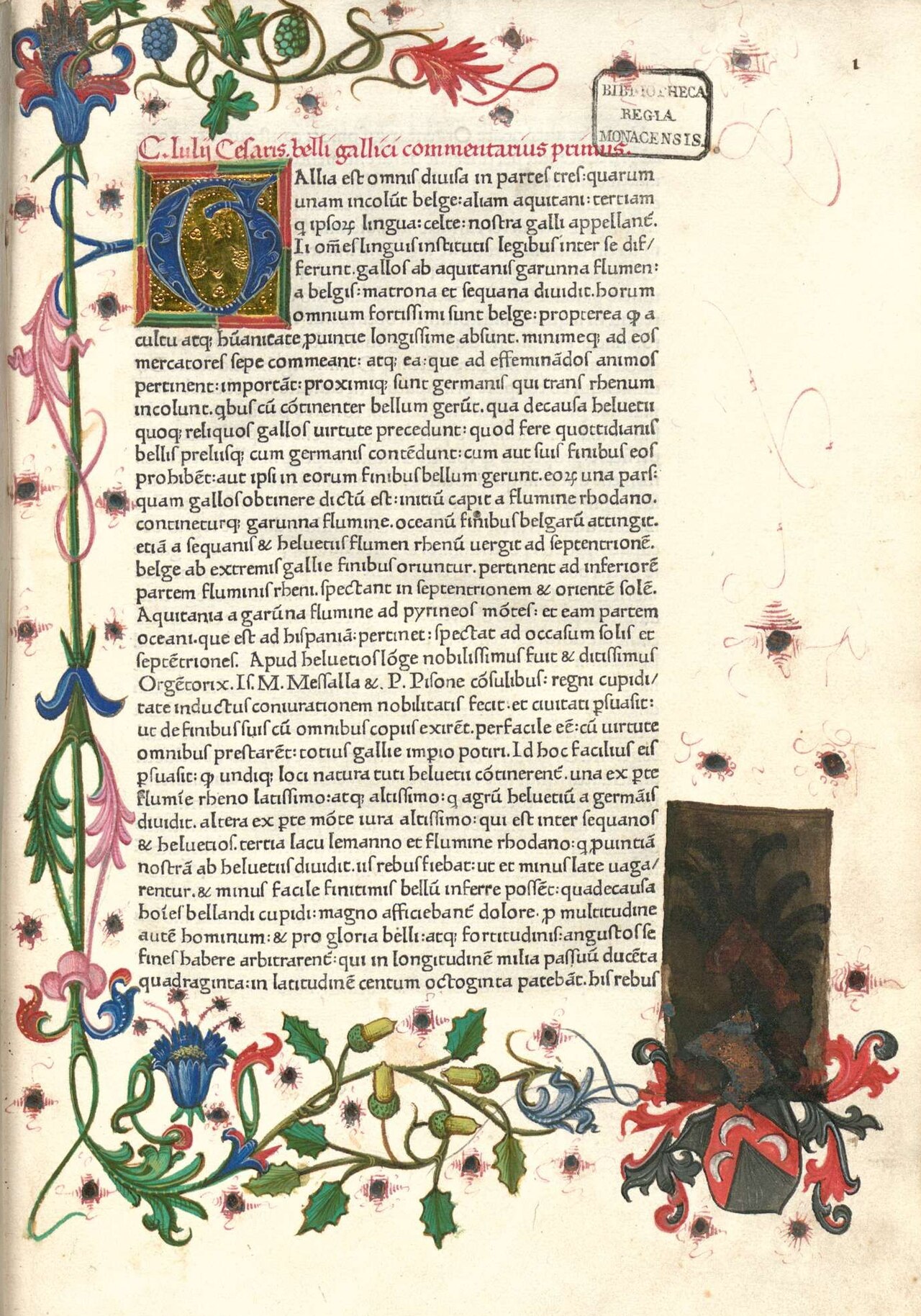 Book
Primary source
Commentarii de Bello Gallico
Julius Caesar · c. 58-50 BCE (this copy 1469)
 Painting
Secondary source
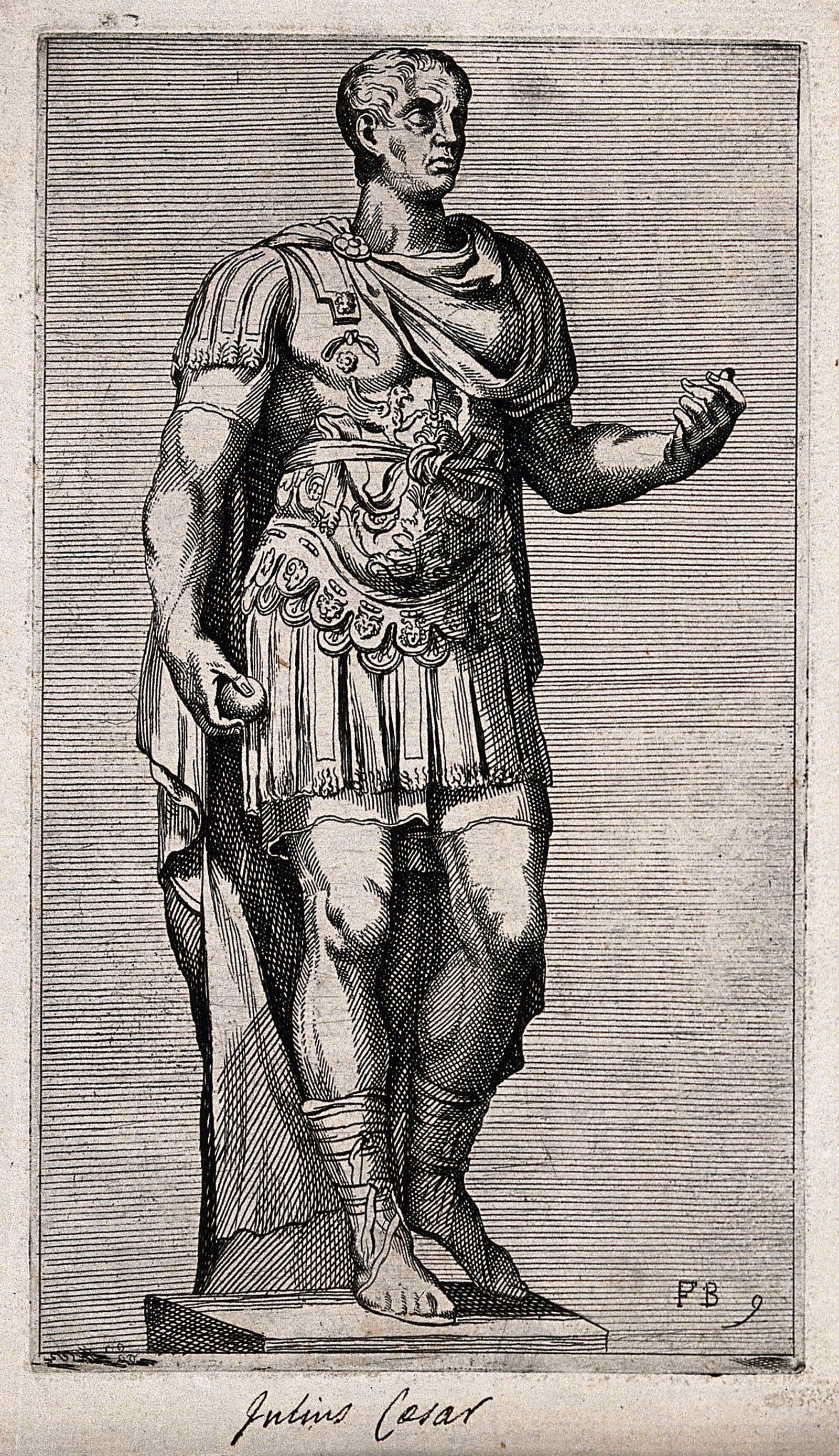
Etched Portrait of Julius Caesar
F. Perrier
 Painting
Secondary source
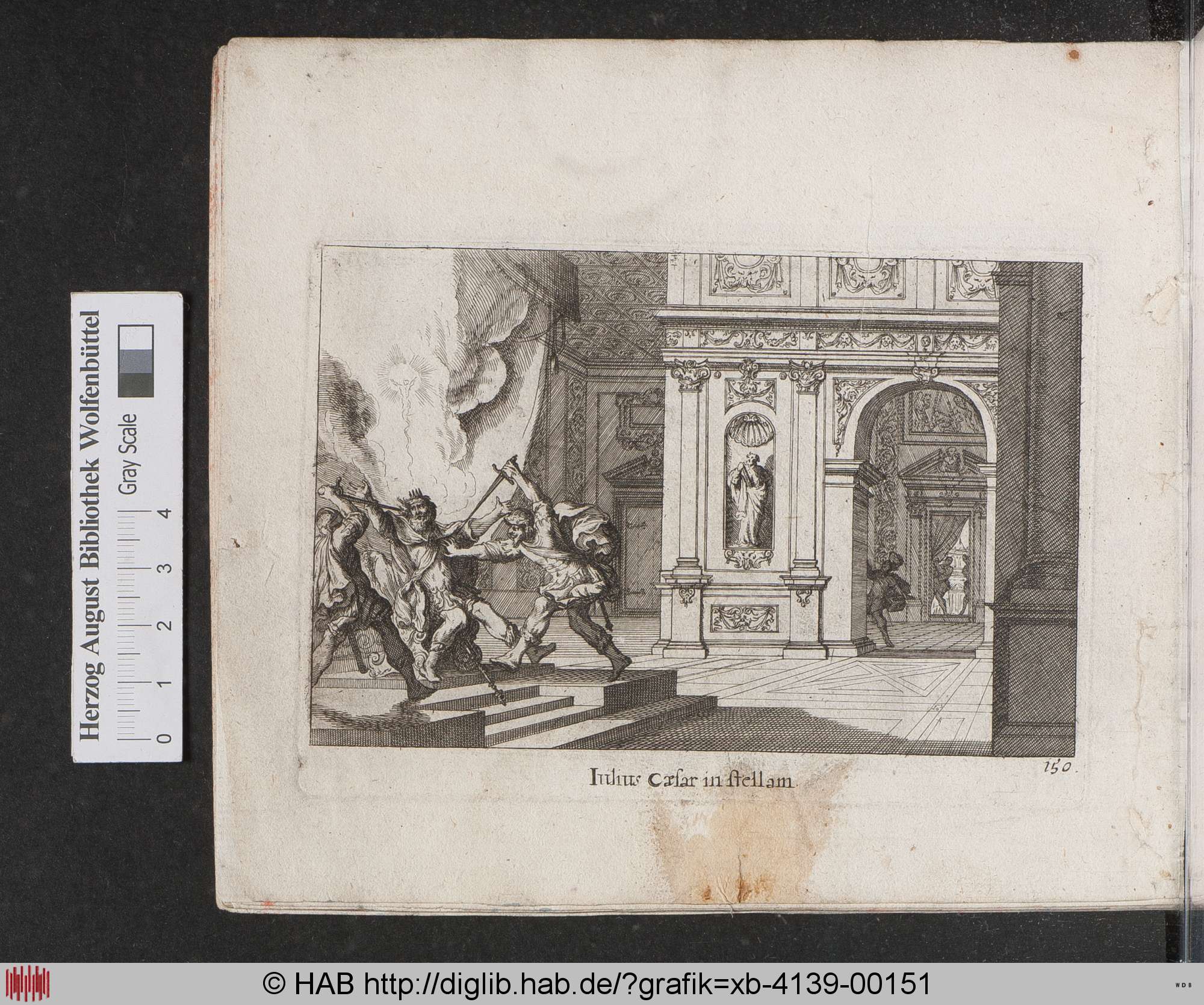
Murder of Julius Caesar in the Senate
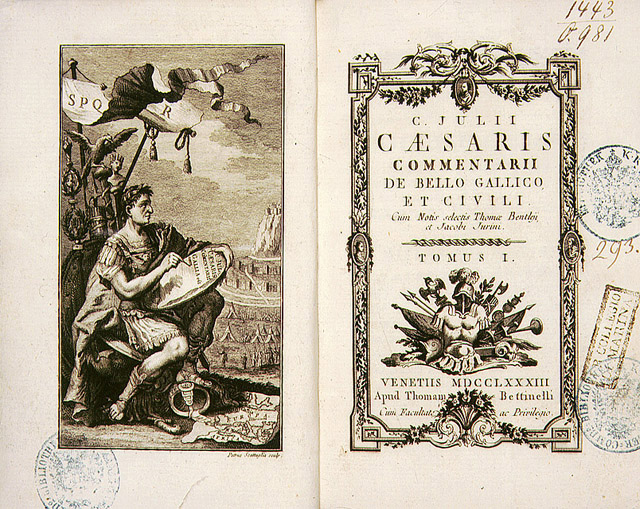 Book
Primary source
Commentarii de Bello Civili
Julius Caesar · 49-48 BCE
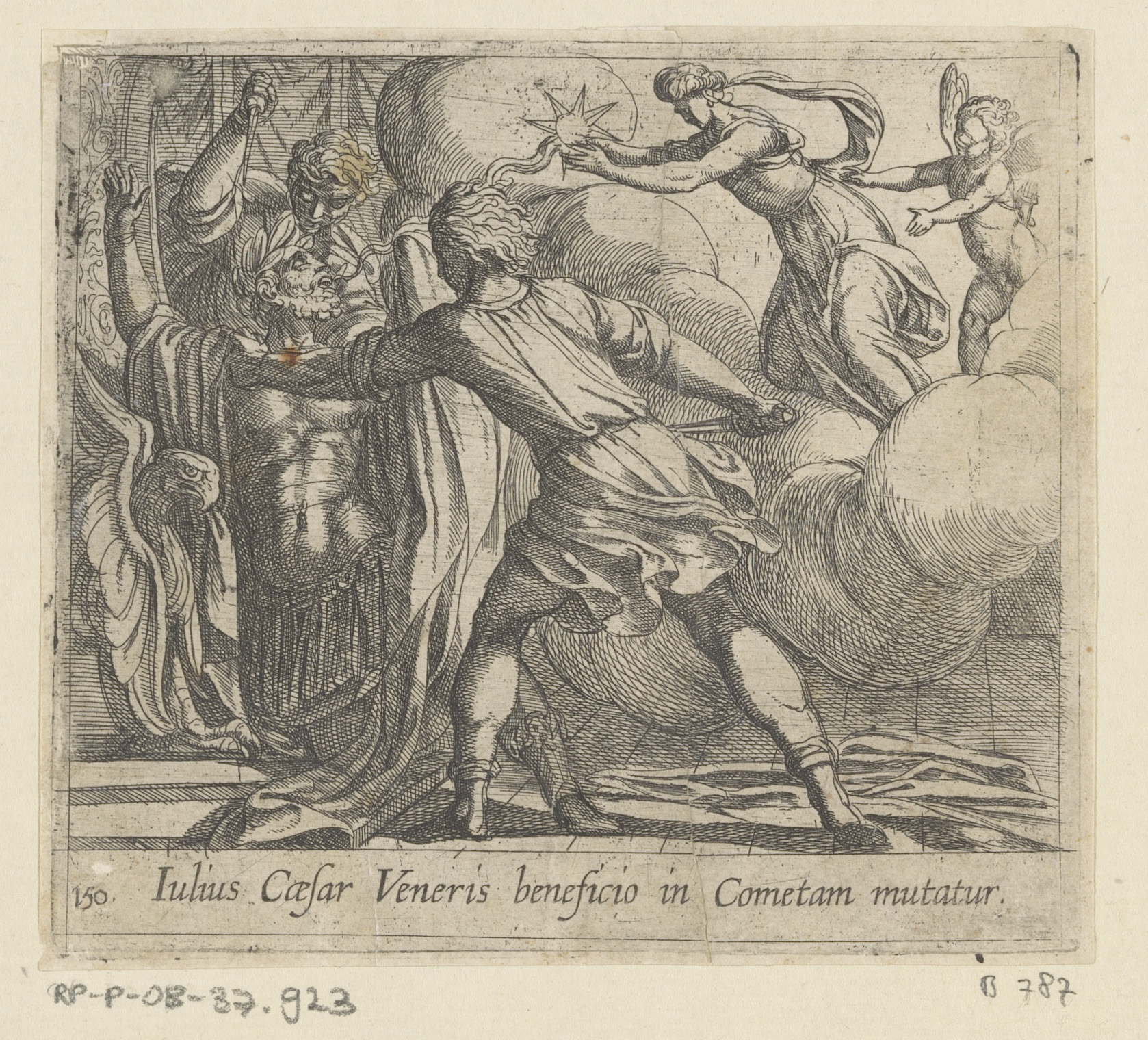 Painting
Secondary source
The Murder of Julius Caesar
1606
Ready when you are
Start chatting with Julius Caesar now.
20 messages free · No credit card · Available in 50+ languages.