


Secondary sourceBook1920
Kamari'a, Daughter of the Sun, Hatshepsut
Terence Gray · 1920
A 1920 dramatic pageant imagining the court life and reign of Hatshepsut, written as a creative reconstruction rather than a historical account.
This 1920 pageant dramatizes the life and reign of Hatshepsut as imagined by a later author.
About this source
What it is
This is a printed play, published in 1920 by Terence Gray, presented as a pageant of court life in ancient Egypt during the early Eighteenth Dynasty. The author describes it as reconstructed from the monuments, telling the life of Hatshepsut.
Why it matters
Written long after Hatshepsut's reign, this work shows how later writers imagined and dramatized her life and rule as a female pharaoh, reflecting the interests and attitudes of the author's own time rather than being a direct historical record.
Look closer
- Why does the author call Hatshepsut a 'very great queen' — what does this suggest about his purpose in writing?
- How might a play differ from the ancient inscriptions and reliefs as a source about Hatshepsut?
- What does the dedication tell us about the ideas the author wanted readers to take from Hatshepsut's story?
This book is part of the curated material that grounds the AI version of Hatshepsut on Humy.ai — when students ask about related events, the AI can quote it and cite it.
More Hatshepsut sources
Meet the AI Hatshepsut →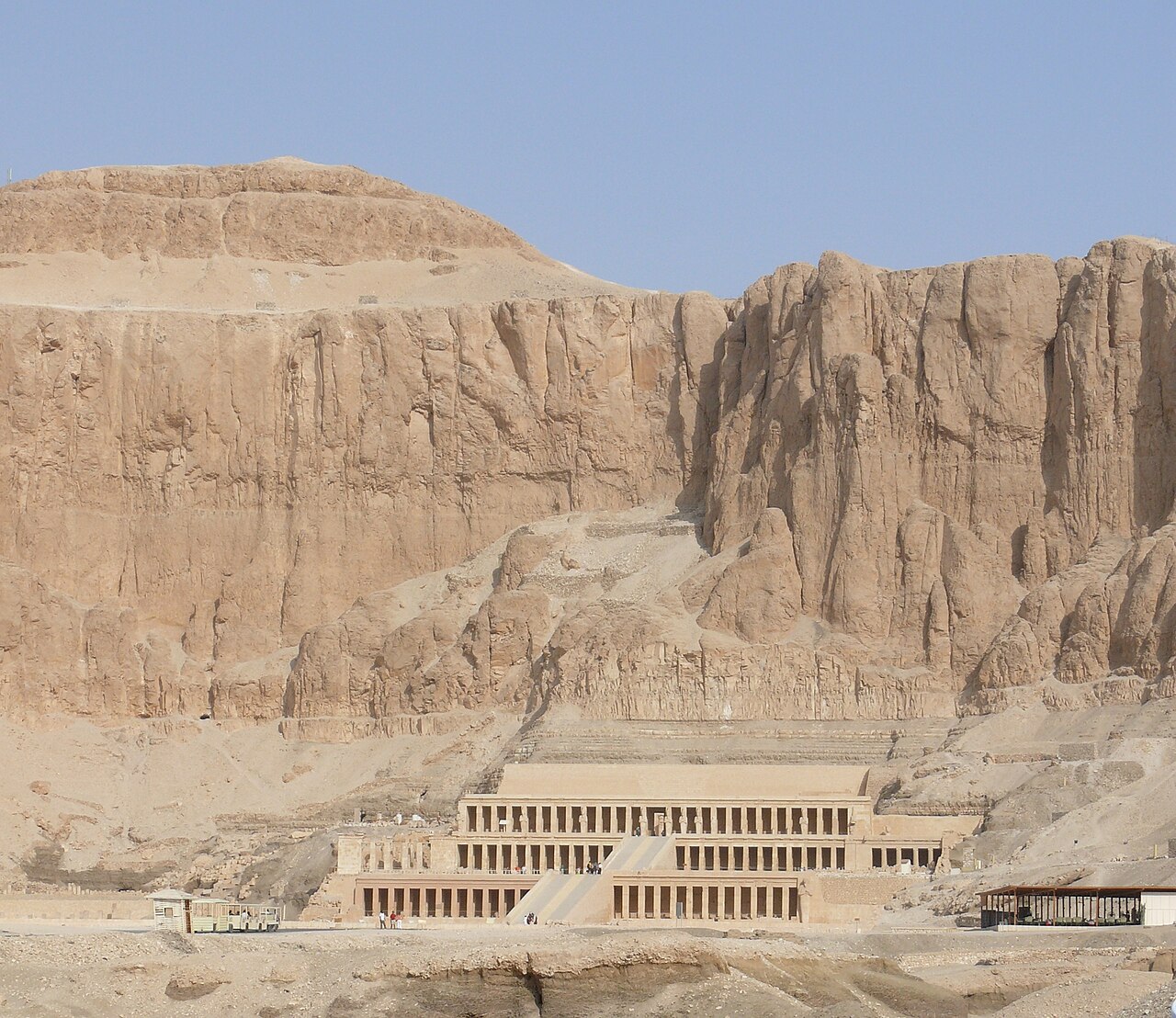 Artifact
Primary source
Mortuary Temple of Hatshepsut
Senenmut and/or Hapuseneb (attributed) · c. 1479–1458 BCE
 Photograph
Secondary source
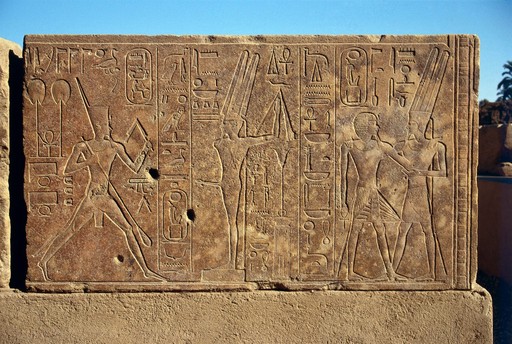
Hatshepsut Dancing Before Min, Karnak Relief
Carole Reeves · 1989
 Sculpture
Primary source
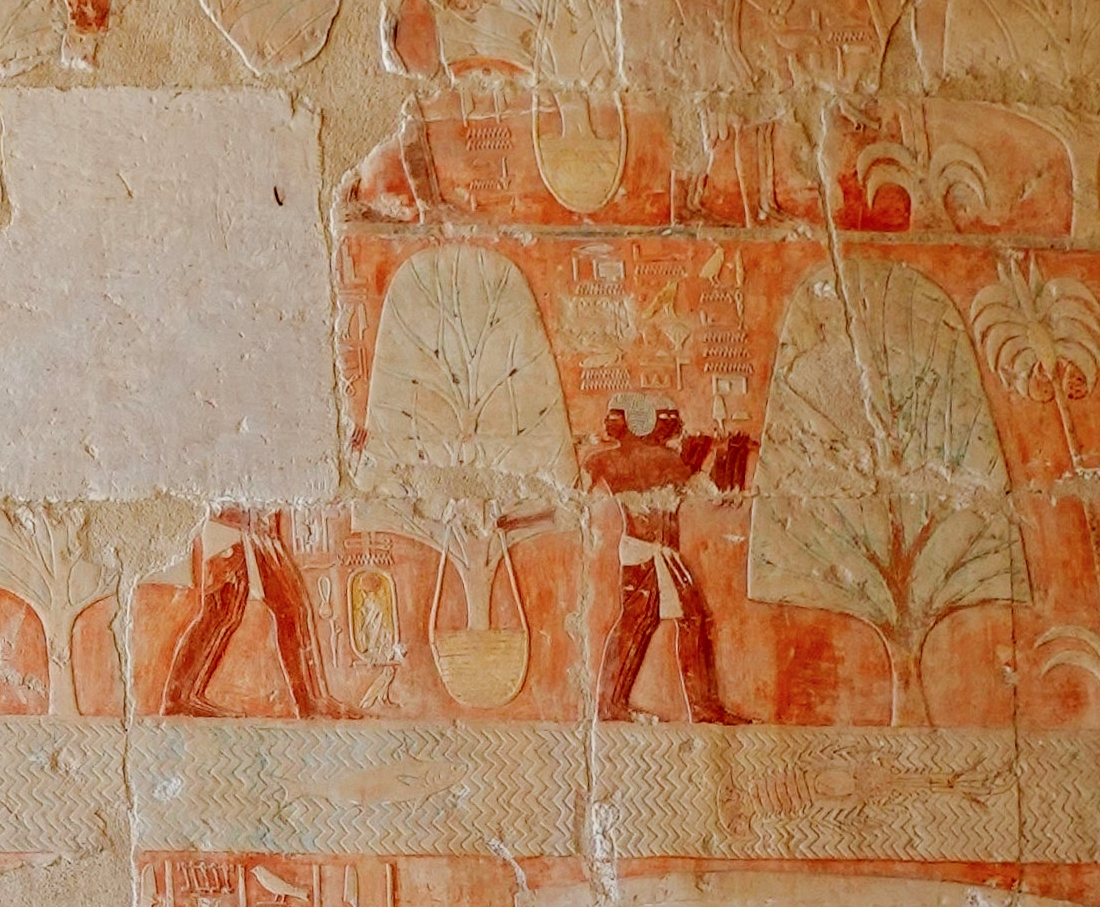
Punt Expedition Reliefs
Royal workshops of Hatshepsut · c. 1470 BCE
 Sculpture
Primary source
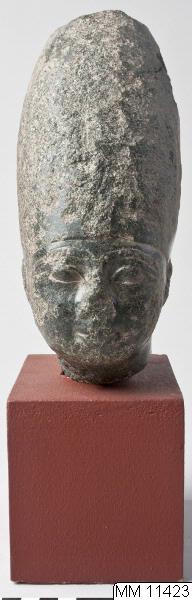
Sculpture Head Probably of Hatshepsut
 Sculpture
Primary source
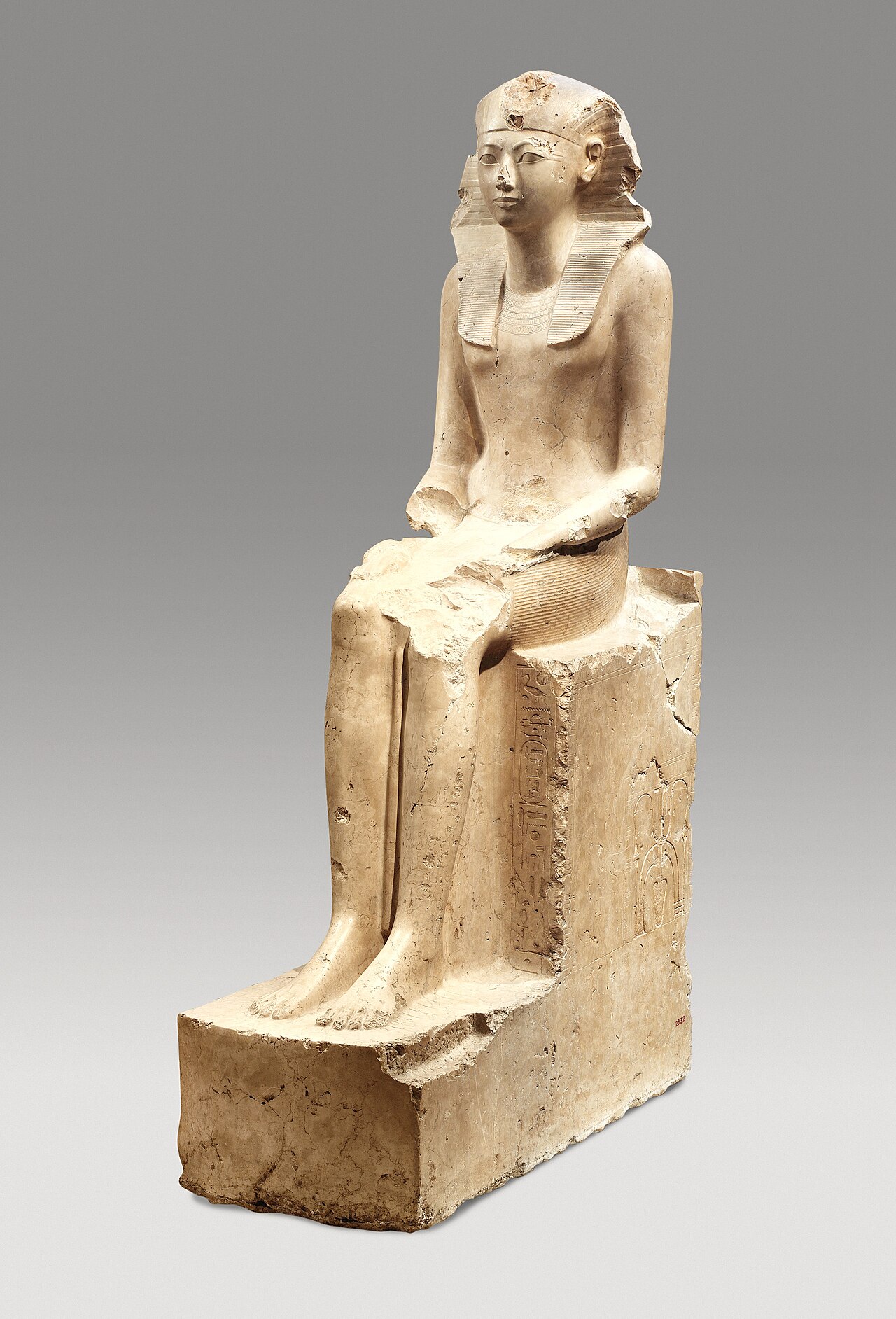
Seated Statue of Hatshepsut
c. 1466 BCE
Ready when you are
Start chatting with Hatshepsut now.
20 messages free · No credit card · Available in 50+ languages.