


Primary sourceArtifact1544
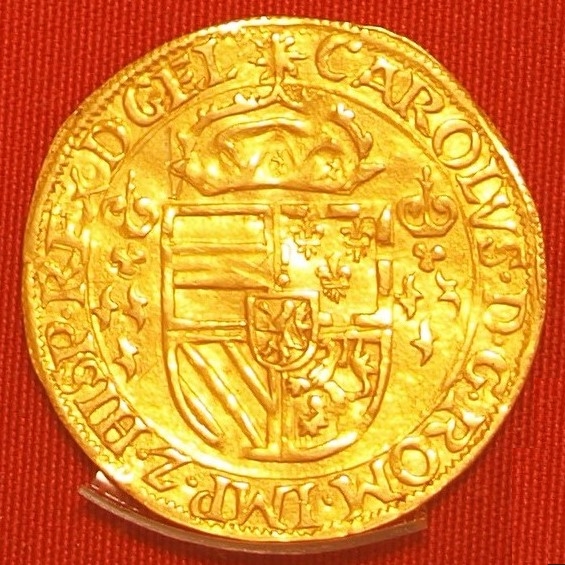
Karel V Gelre Coin with Sun Crown, Nijmegen, 1544
1544
A gold coin issued under Charles V in Nijmegen in 1544. This modern photograph shows the coin, which carries the emperor's titles and a crowned coat of arms.
A coin of the emperor Las Casas petitioned, showing how Charles V's titles were displayed on money in his territories.
About this source
What it is
This is a gold coin of the type called a zonnekroon, issued under Charles V in 1544 at Nijmegen in the Duchy of Guelders. The image is a modern photograph of the coin, uploaded in 2011, not the coin itself. It shows a crowned coat of arms with a shield and a lion, and the inscription CAROLVS V D G ROM IMP around the rim. The coin is shown on a red background.
Why it matters
Charles V ruled a vast territory, including the Low Countries, Spain, and the Spanish colonies in the Americas. Las Casas petitioned this emperor for new laws to protect Indigenous people. The coin reminds students that the same ruler's authority was stamped on money used in many regions. Coins of this kind show how a monarch's image and titles reached people who never met him.
Look closer
- Which symbols and words on the coin tell you who held power?
- Why might a modern photograph be used to show a historical object, and what does it leave out?
- What might people in Nijmegen have thought when they used a coin bearing the emperor's titles?
This artifact is part of the curated material that grounds the AI version of Bartolomé de las Casas on Humy.ai — when students ask about related events, the AI can quote it and cite it.
More Bartolomé de las Casas sources
Meet the AI Bartolomé de las Casas →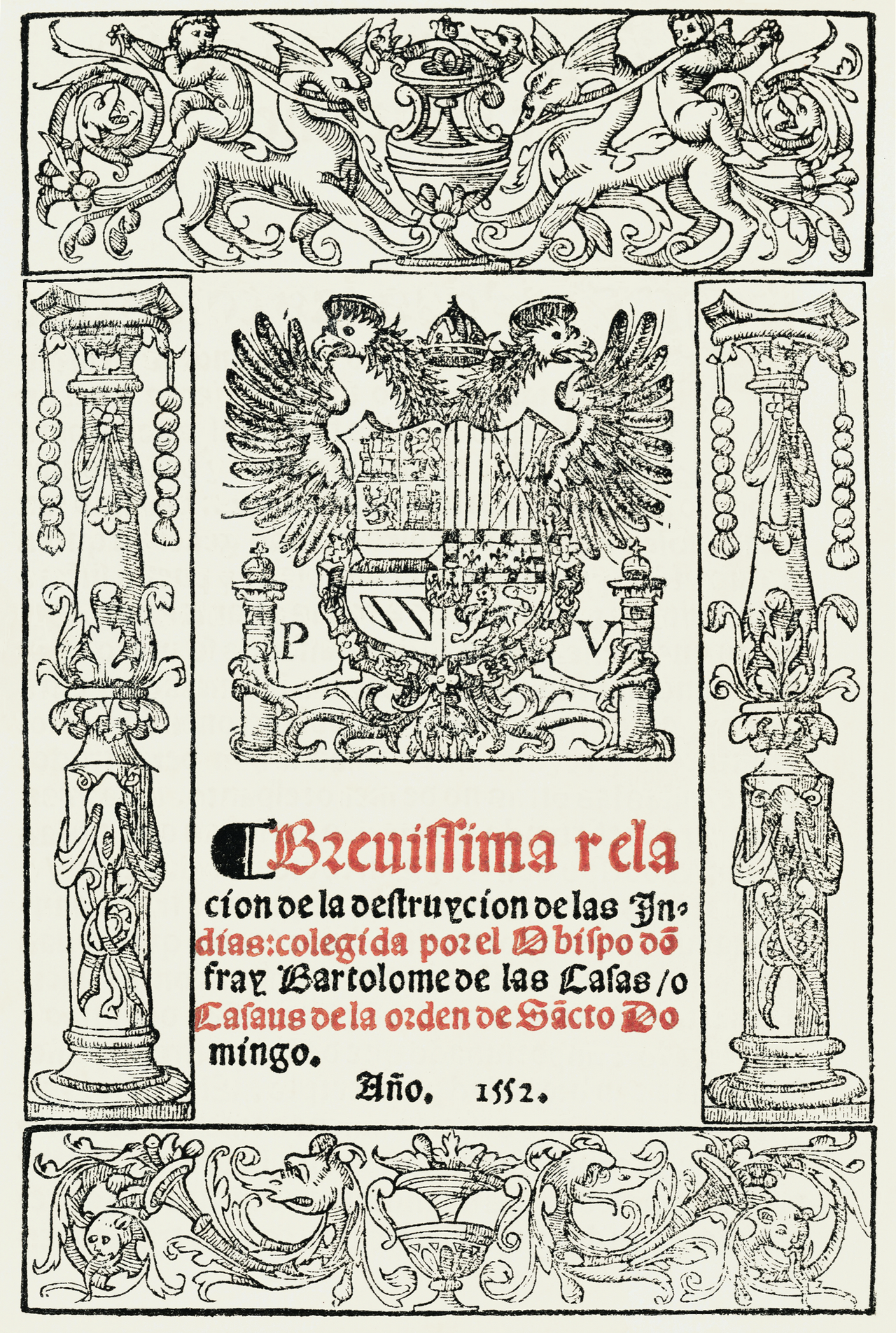 Book
Secondary source
A Short Account of the Destruction of the Indies
Bartolomé de las Casas · 1552
 Document
Primary source
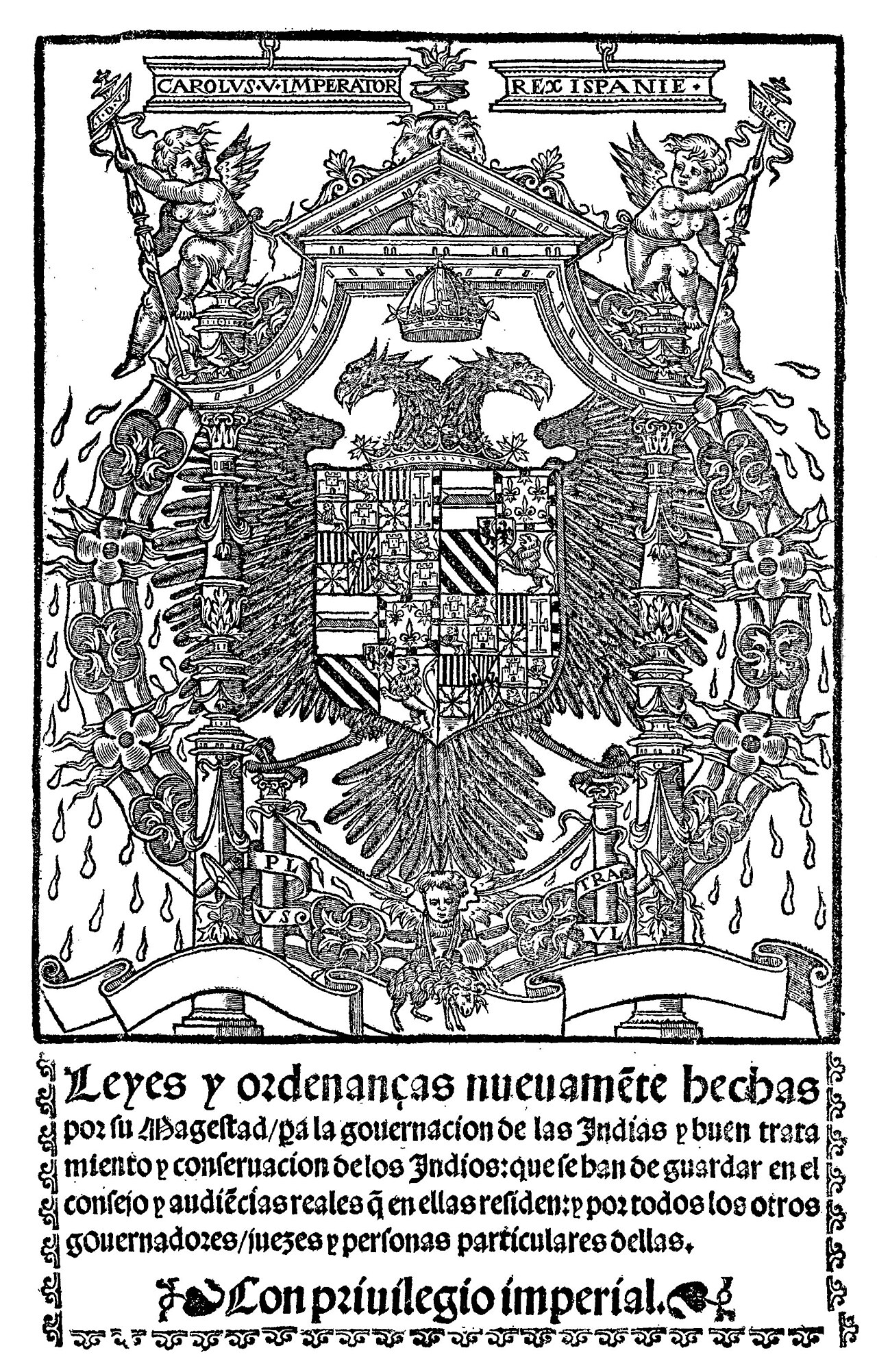
New Laws of 1542
Charles V, Holy Roman Emperor · 20 November 1542
 Painting
Secondary source
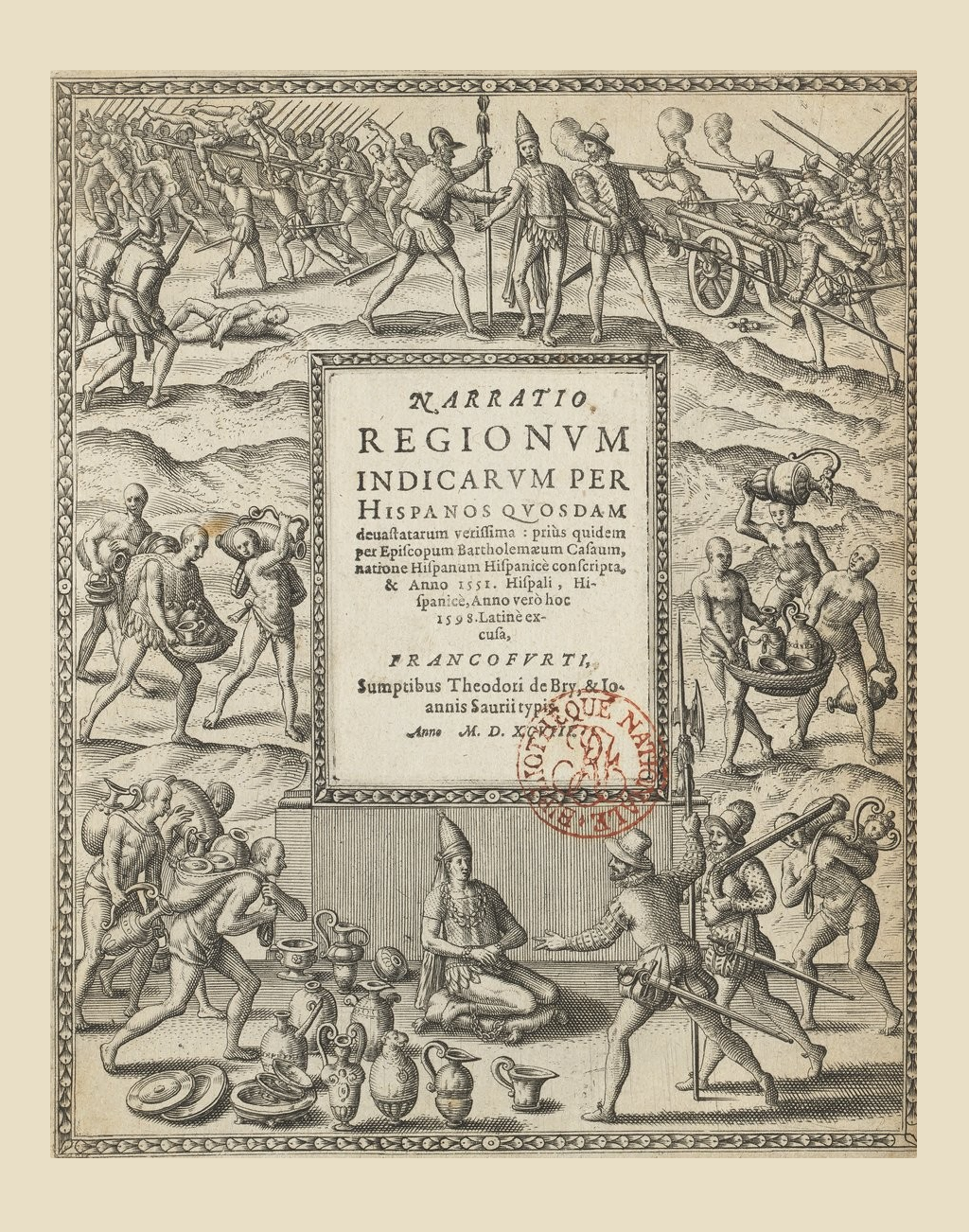
Narratio regionum Indicarum per Hispanos quosdam devastatarum verissima
Bartolomé de las Casas · 1598
 Book
Primary source
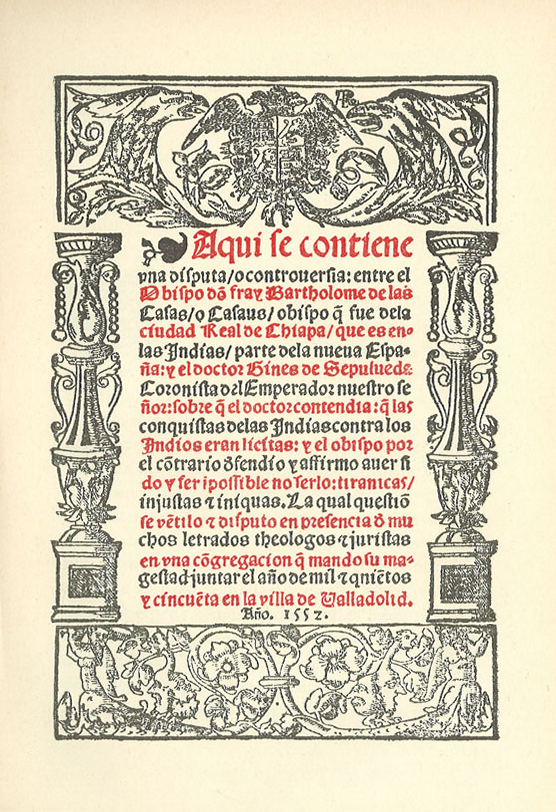
Disputa o controversia con Ginés de Sepúlveda
Bartolomé de las Casas · 1552
 Document
Primary source
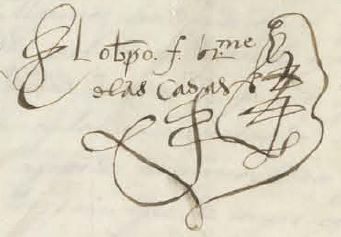
Signature of Bartolomé de las Casas
Bartolomé de las Casas · November 1559
Ready when you are
Start chatting with Bartolomé de las Casas now.
20 messages free · No credit card · Available in 50+ languages.