



Dr. Michael Calvert
Assistant Superintendent, South Allegheny School District, Pennsylvania
Been using Humy in his district since 2024
“We enjoyed the program last year and used it frequently.”

AI Historical Figure
Spanish historian and Dominican friar known for his defense of indigenous peoples in the Americas.
Chat with Bartolomé de las Casas via text or voice — in 42 languages, drawing on a curated biography and 80 historical sources. Available 24/7.

Bartolomé de las Casas
Online · responds in seconds
Hello — I'm Bartolomé de las Casas. Spanish historian and Dominican friar known for his defense of indigenous peoples in the Americas. What would you like to ask me?
20 messages free · No credit card · Powered by Humy.ai
Live preview · Switch between 42 languages above · Send a message to continue in the app
Multilingual
Ask Bartolomé de las Casas questions in any language below, and the rest of Humy's app speaks it too. Pick yours to open the chat in that language.
Also in German (Austria), German (Switzerland), English (UK), English (Australia), English (Canada).
80 sources · 31 paintings · 26 books · 8 documents · 6 sculptures · 5 artifacts · 3 photographs · 1 speech
Bartolomé de las Casas doesn’t improvise from thin air. The AI is grounded in 80 curated historical sources students can inspect. Open any of them to see what informs the conversation.
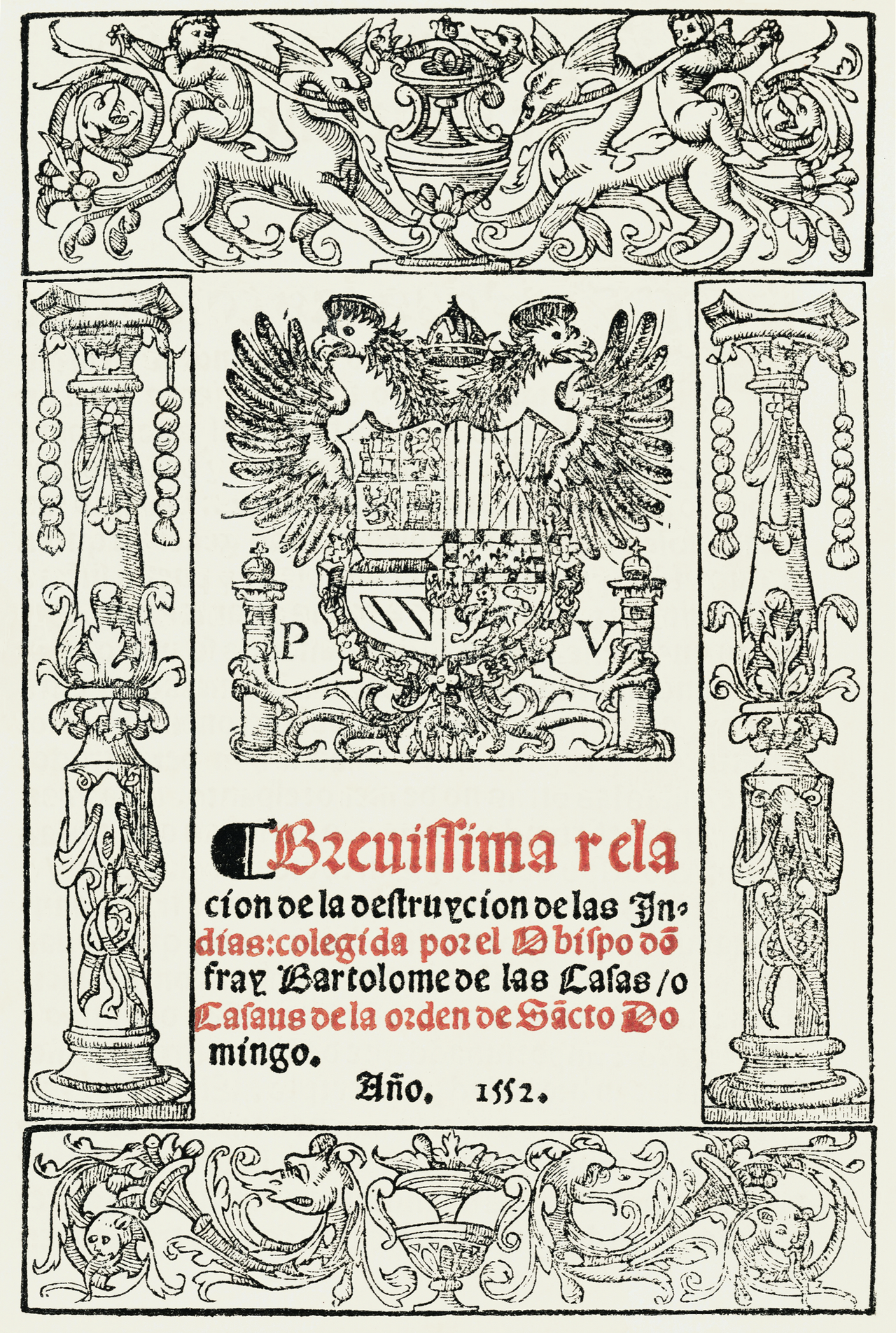 Book
Secondary source
Bartolomé de las Casas · 1552
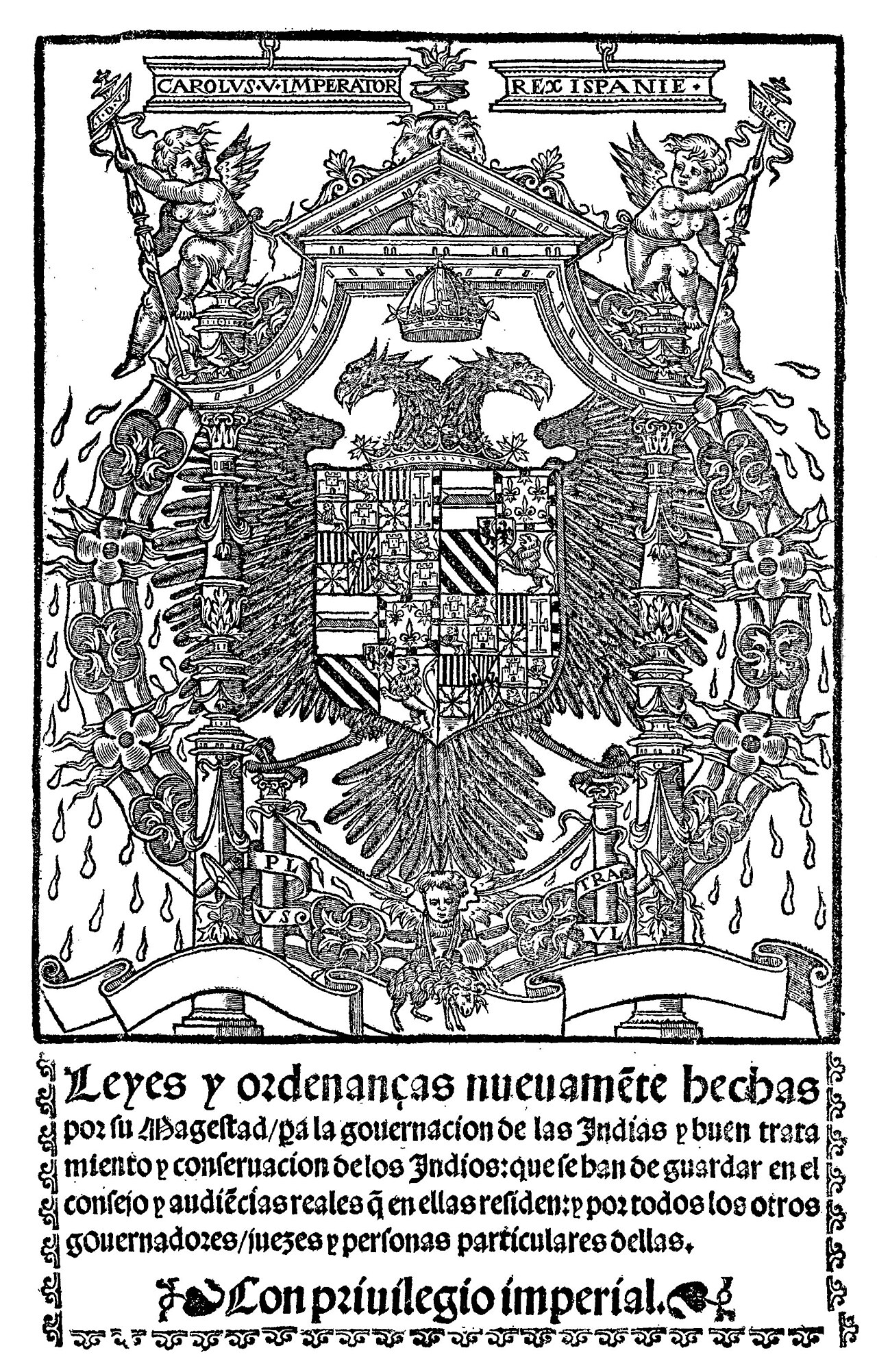 Document
Primary source
Charles V, Holy Roman Emperor · 20 November 1542
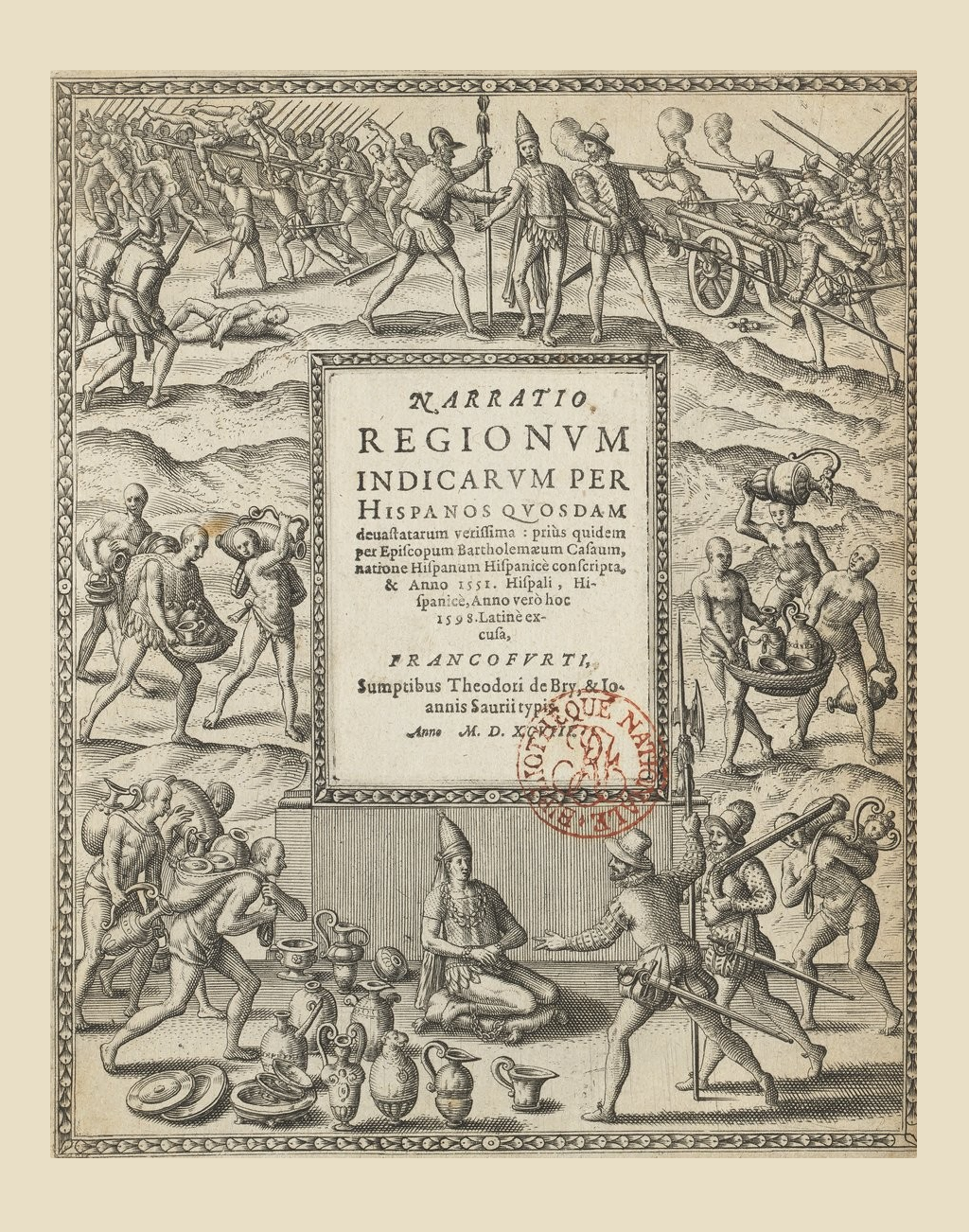 Painting
Secondary source
Bartolomé de las Casas · 1598
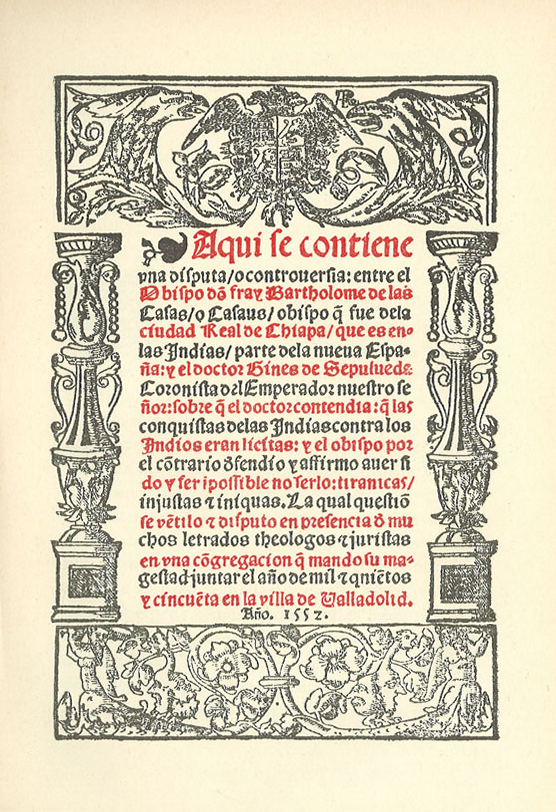 Book
Primary source
Bartolomé de las Casas · 1552
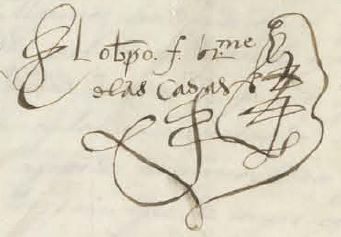 Document
Primary source
Bartolomé de las Casas · November 1559
Primary source
Paul III · 2 June 1537
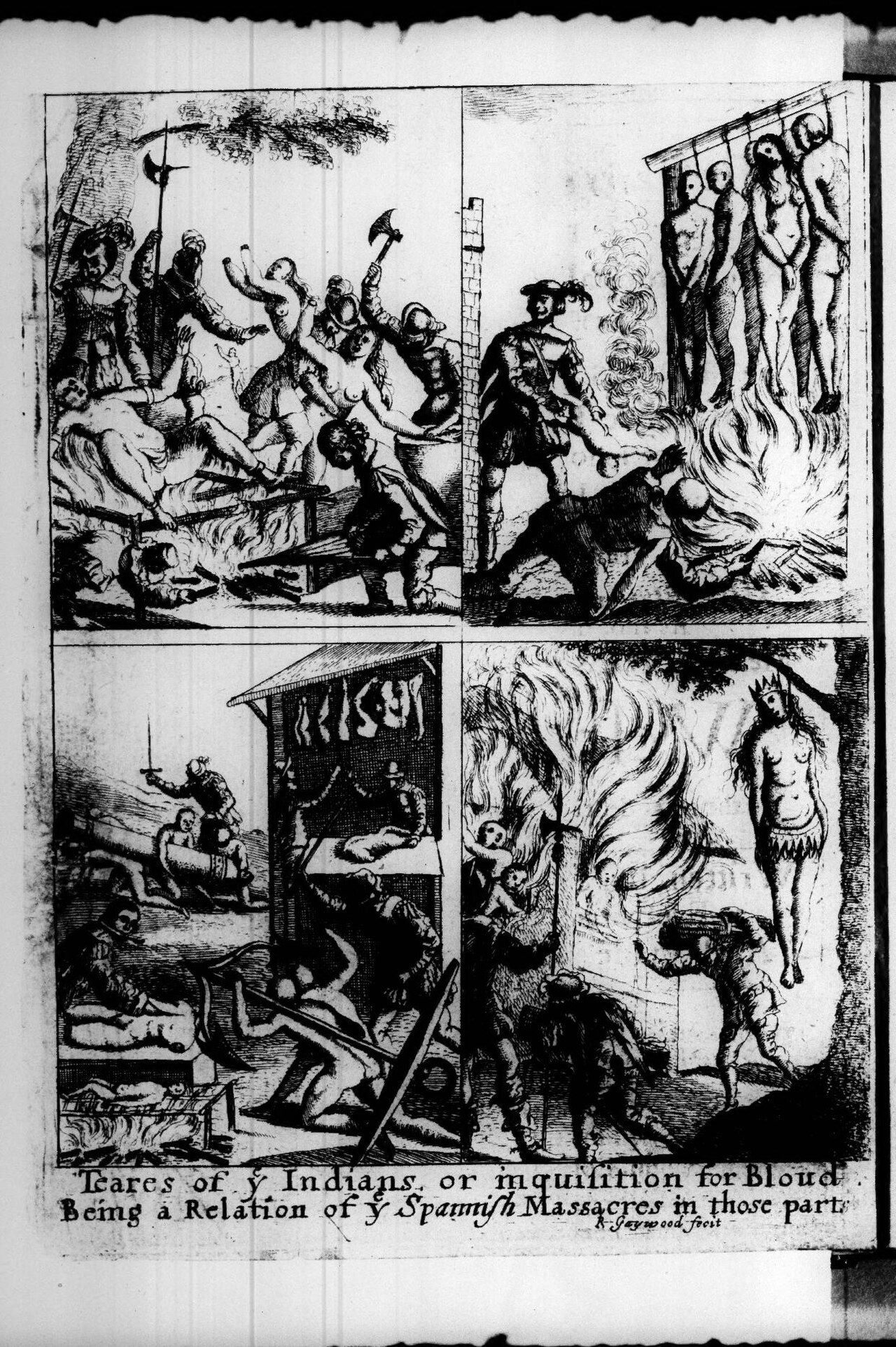 Book
Secondary source
Bartolomé de las Casas; translated by John Phillips · 1656
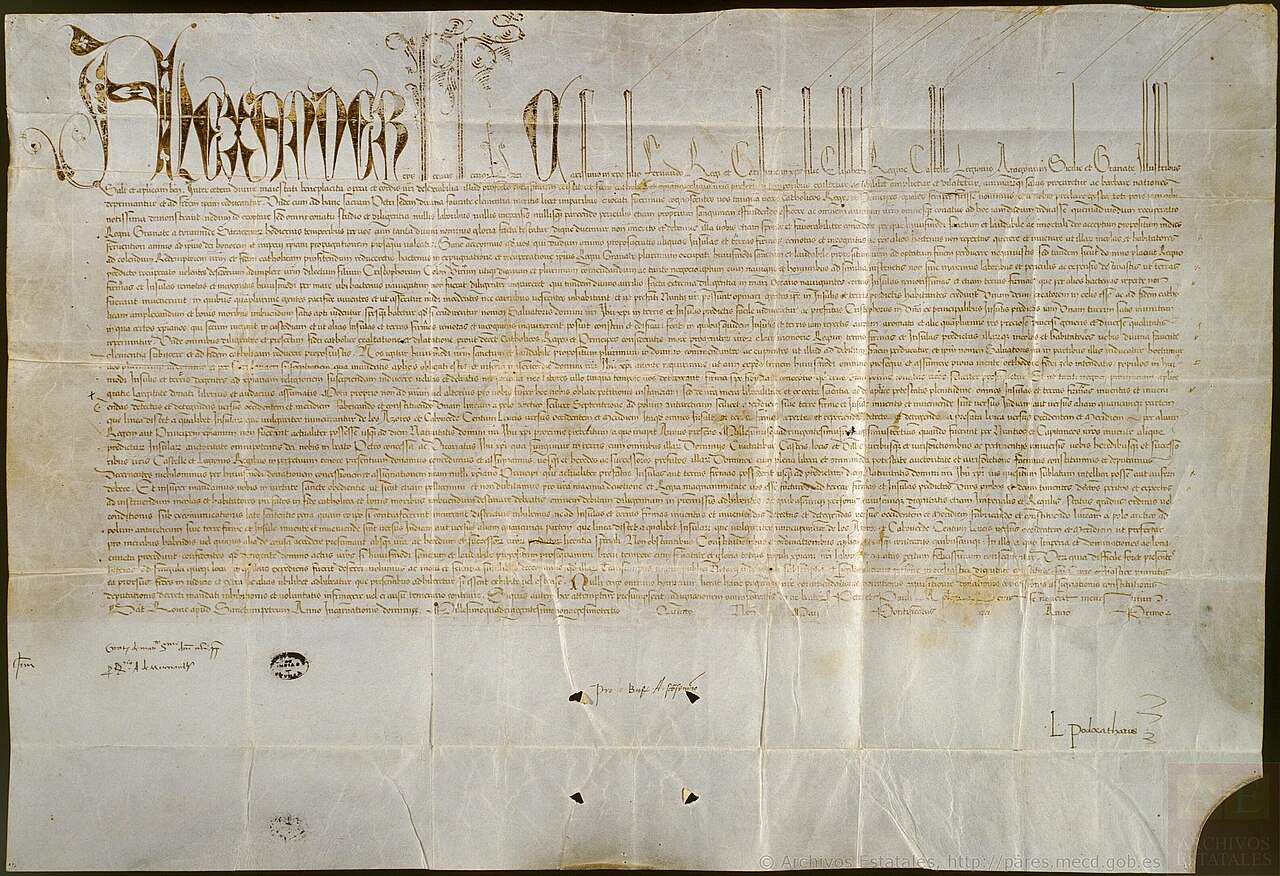 Document
Primary source
Pope Alexander VI · 4 May 1493
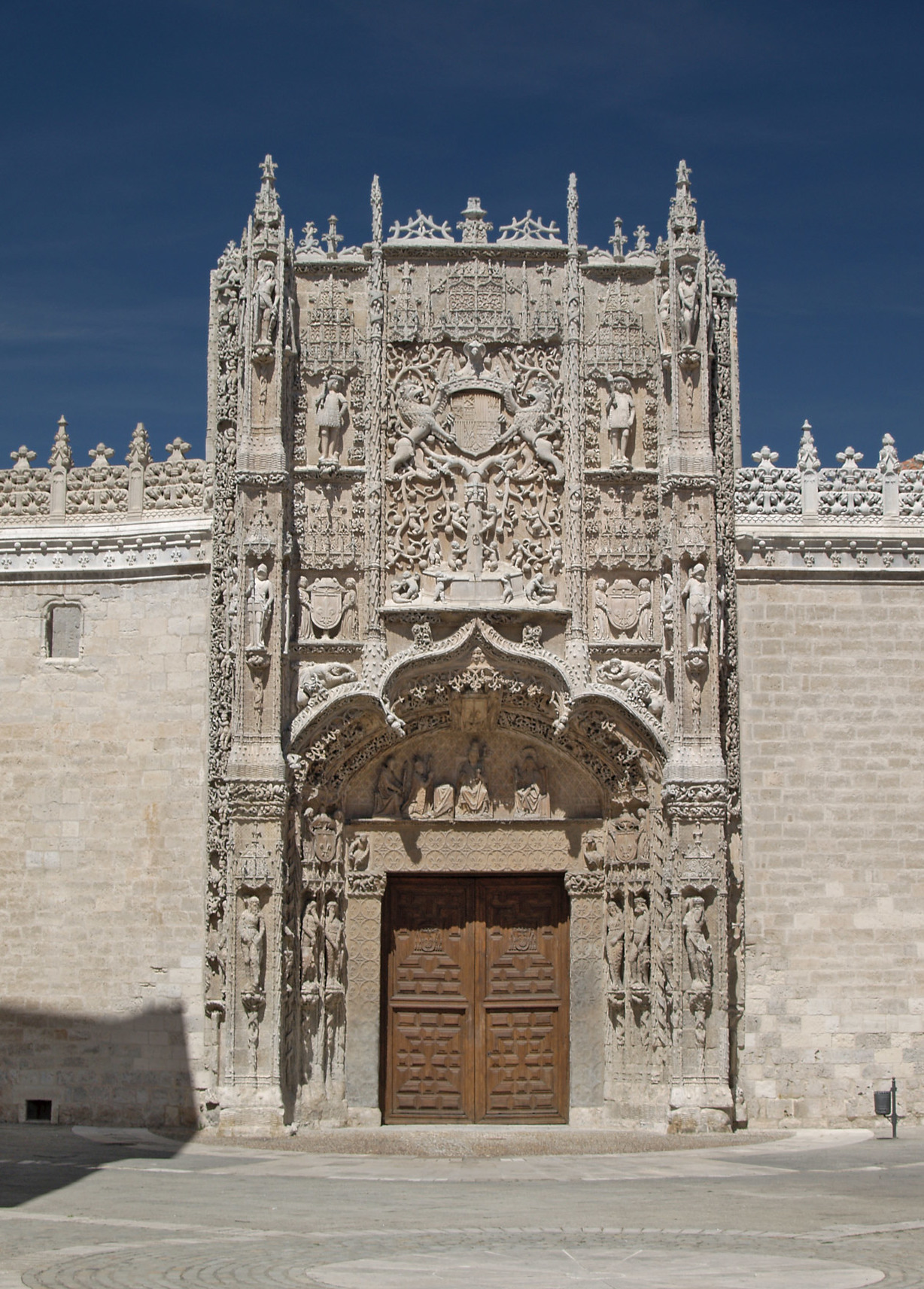 Artifact
Primary source
1488
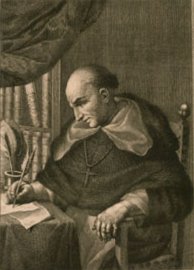 Painting
Secondary source
José y Vicente López de Eguídanos
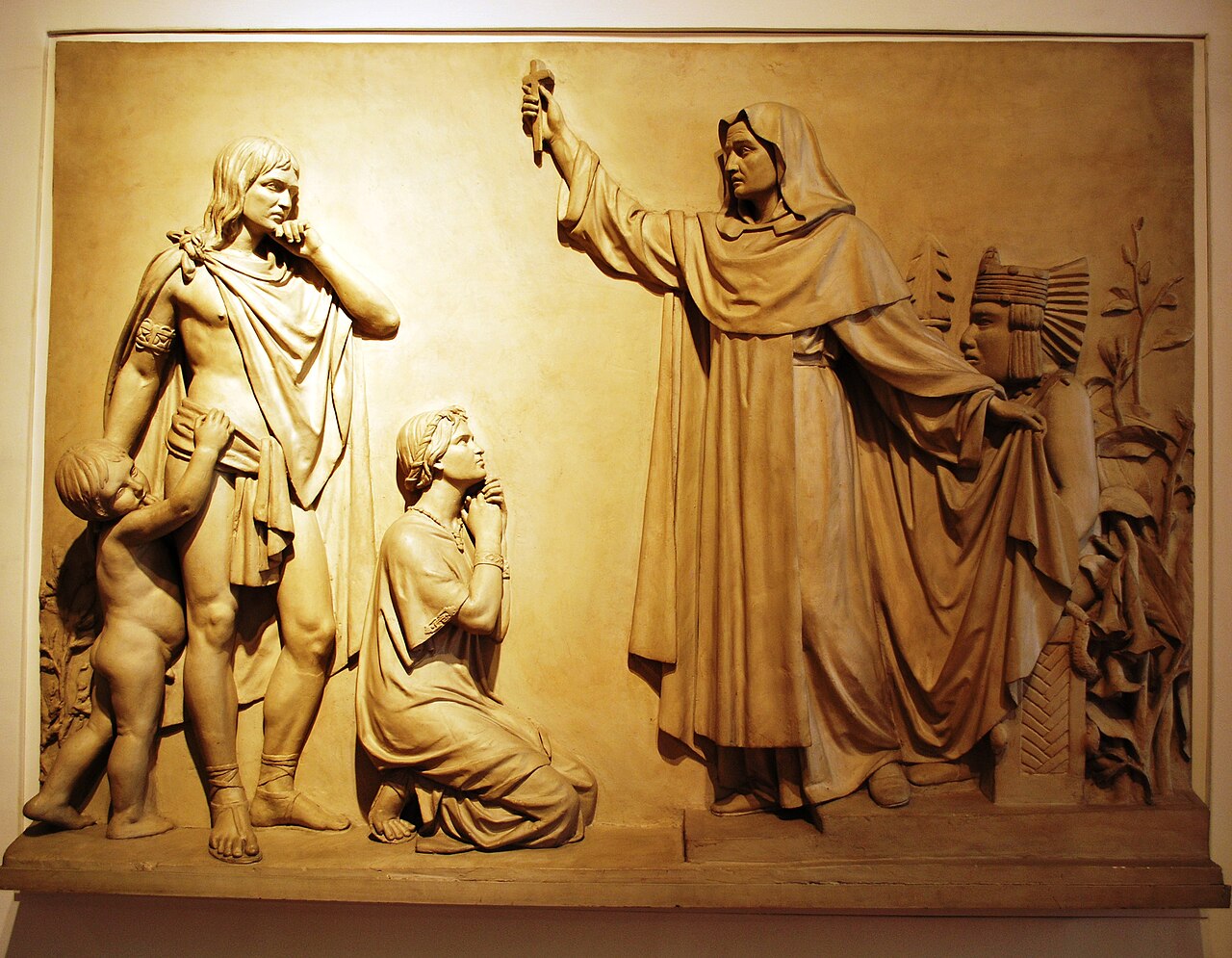 Sculpture
Secondary source
Miguel Noreña · 1865
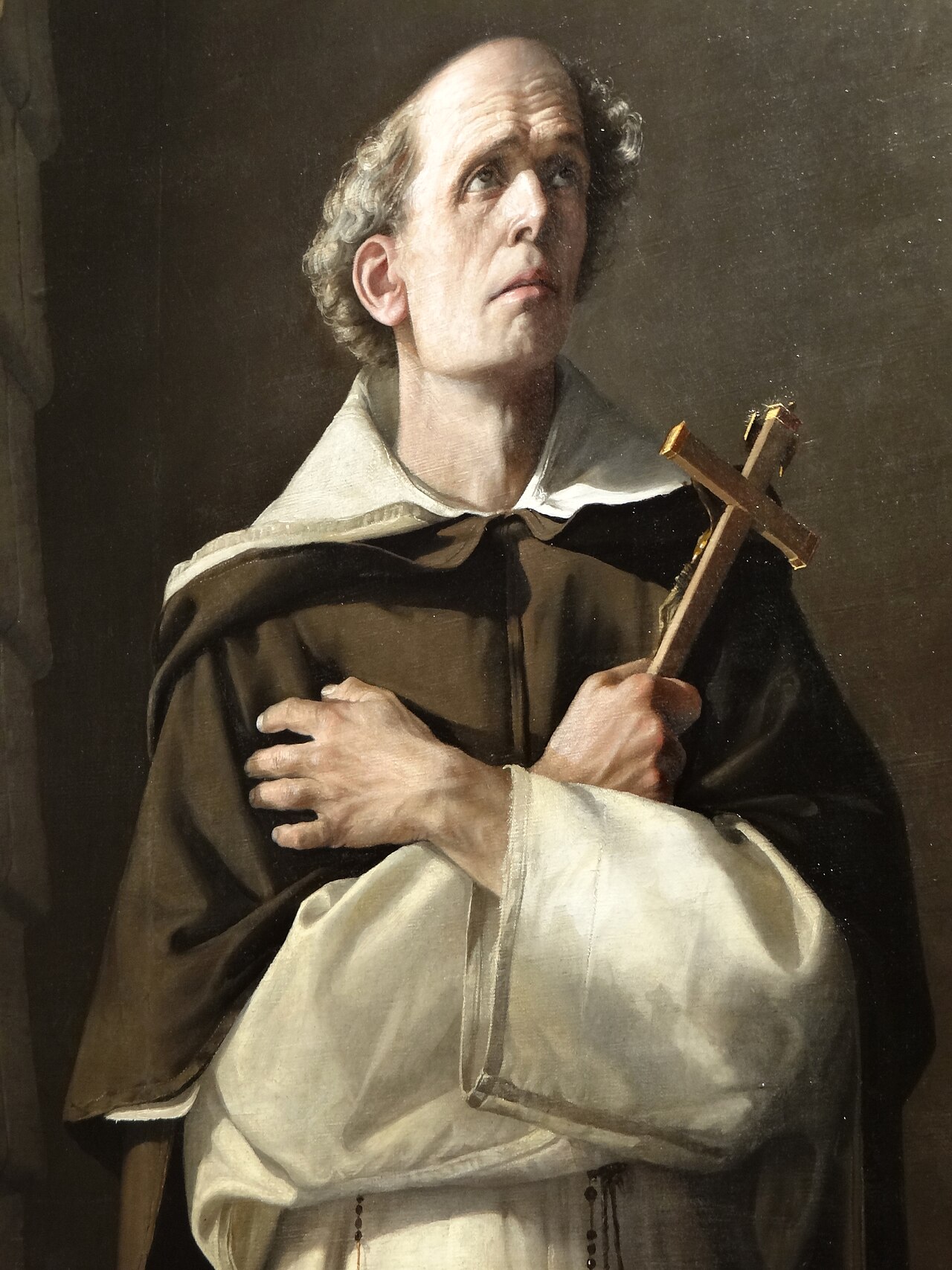 Painting
Secondary source
Félix Parra · 1877
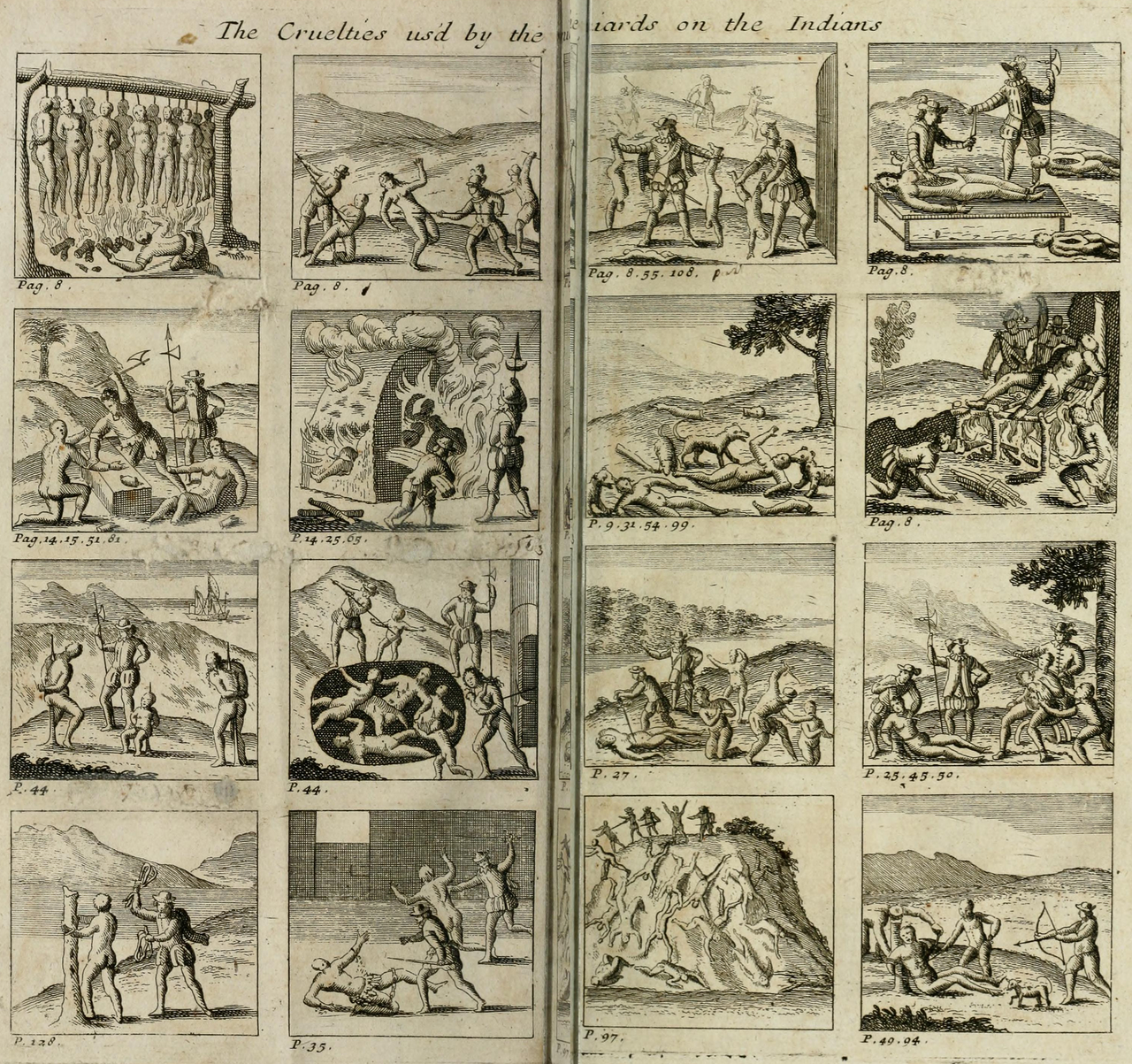 Painting
Secondary source
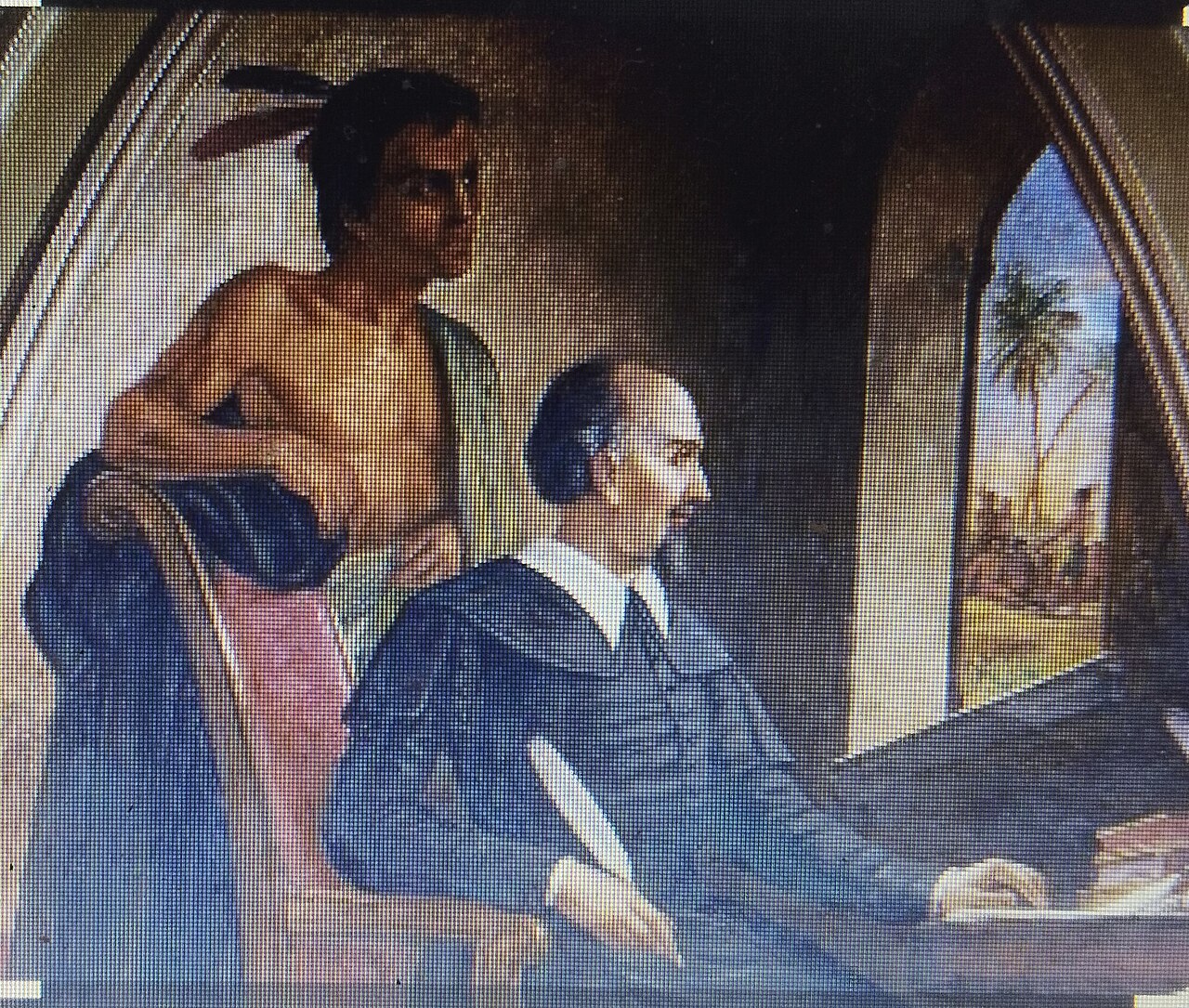 Painting
Primary source
Anónimo del siglo XVI · 16th century
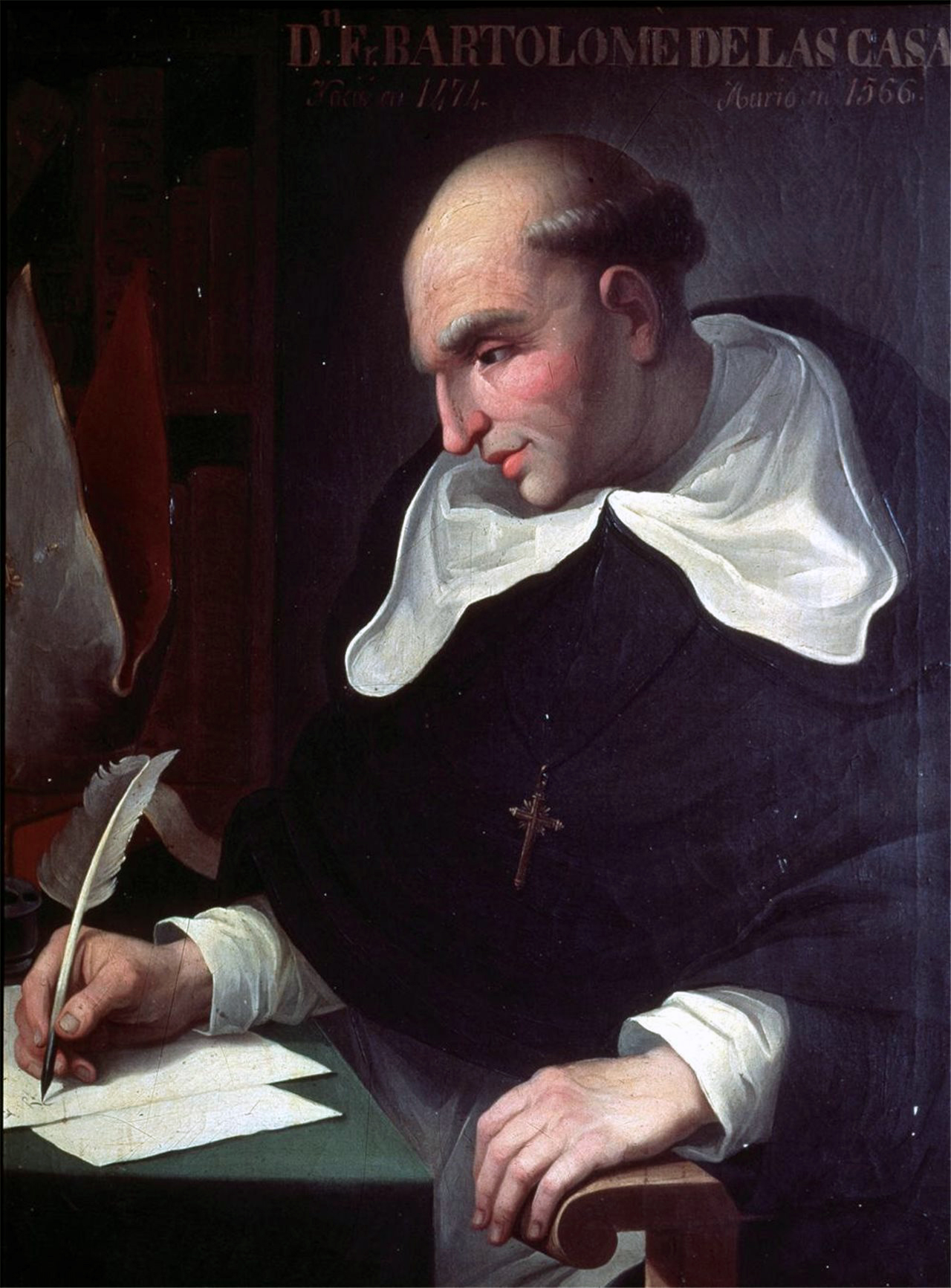 Painting
Secondary source
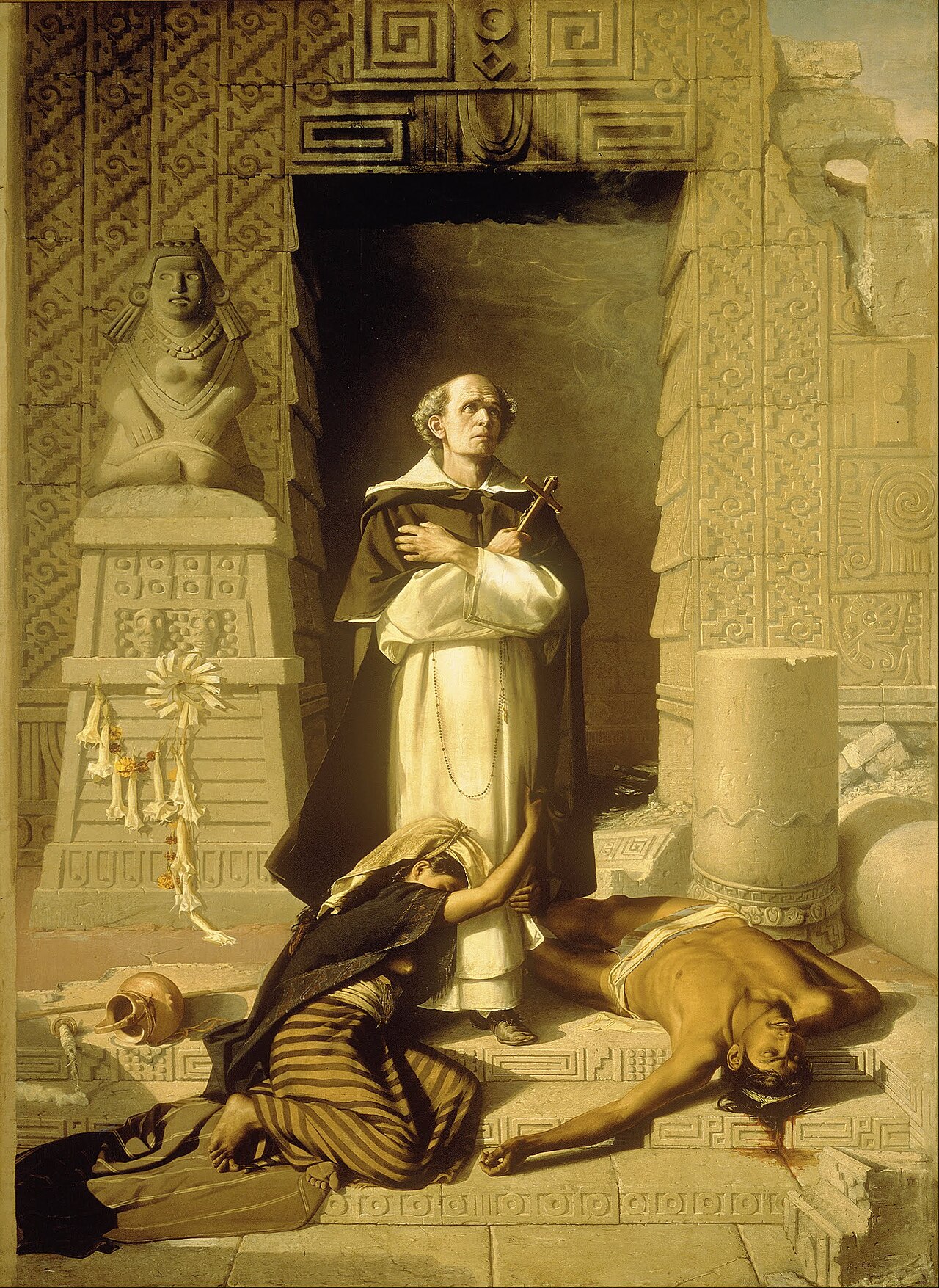 Painting
Secondary source
Félix Parra · 1875
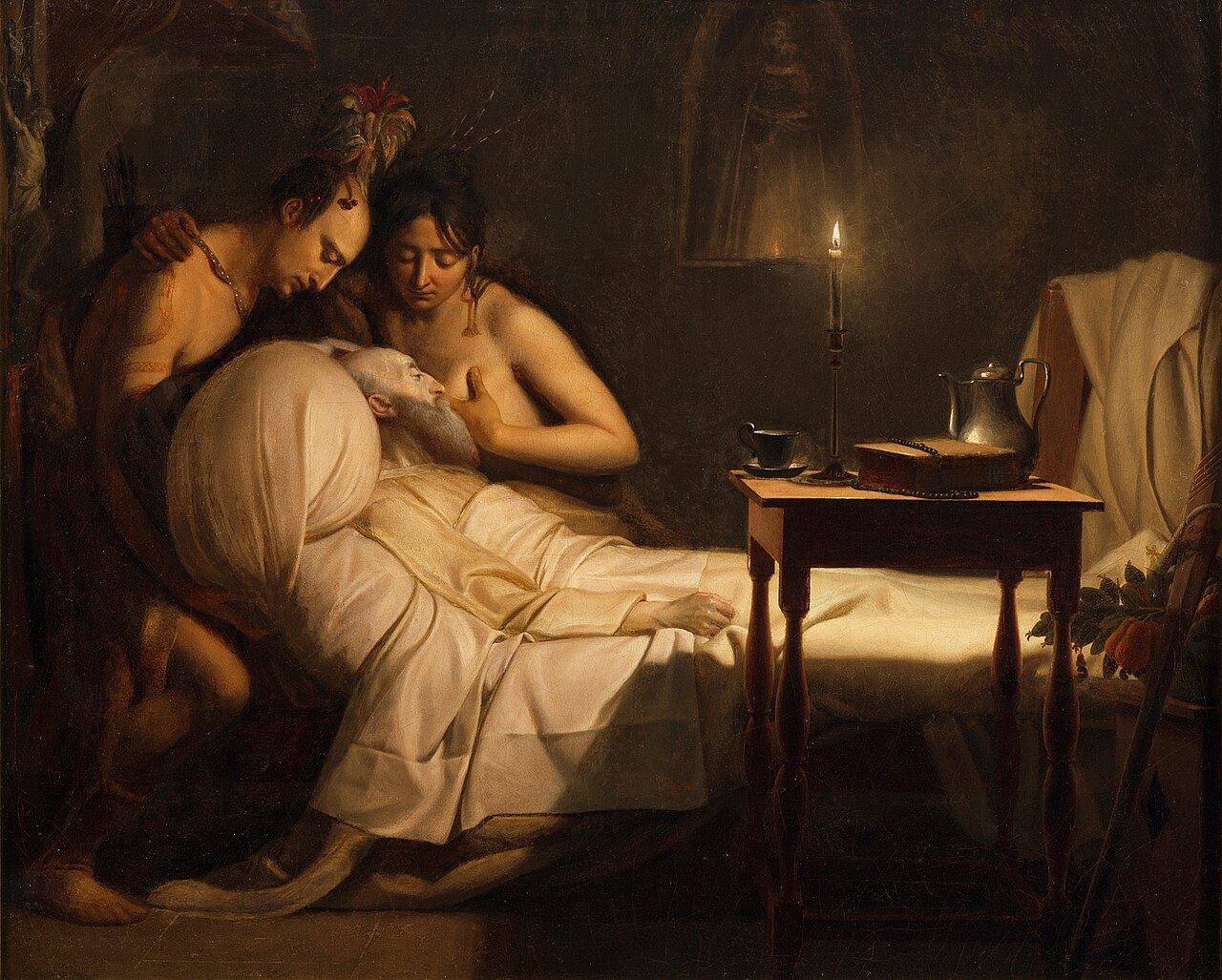 Painting
Secondary source
Louis Hersent · 1808
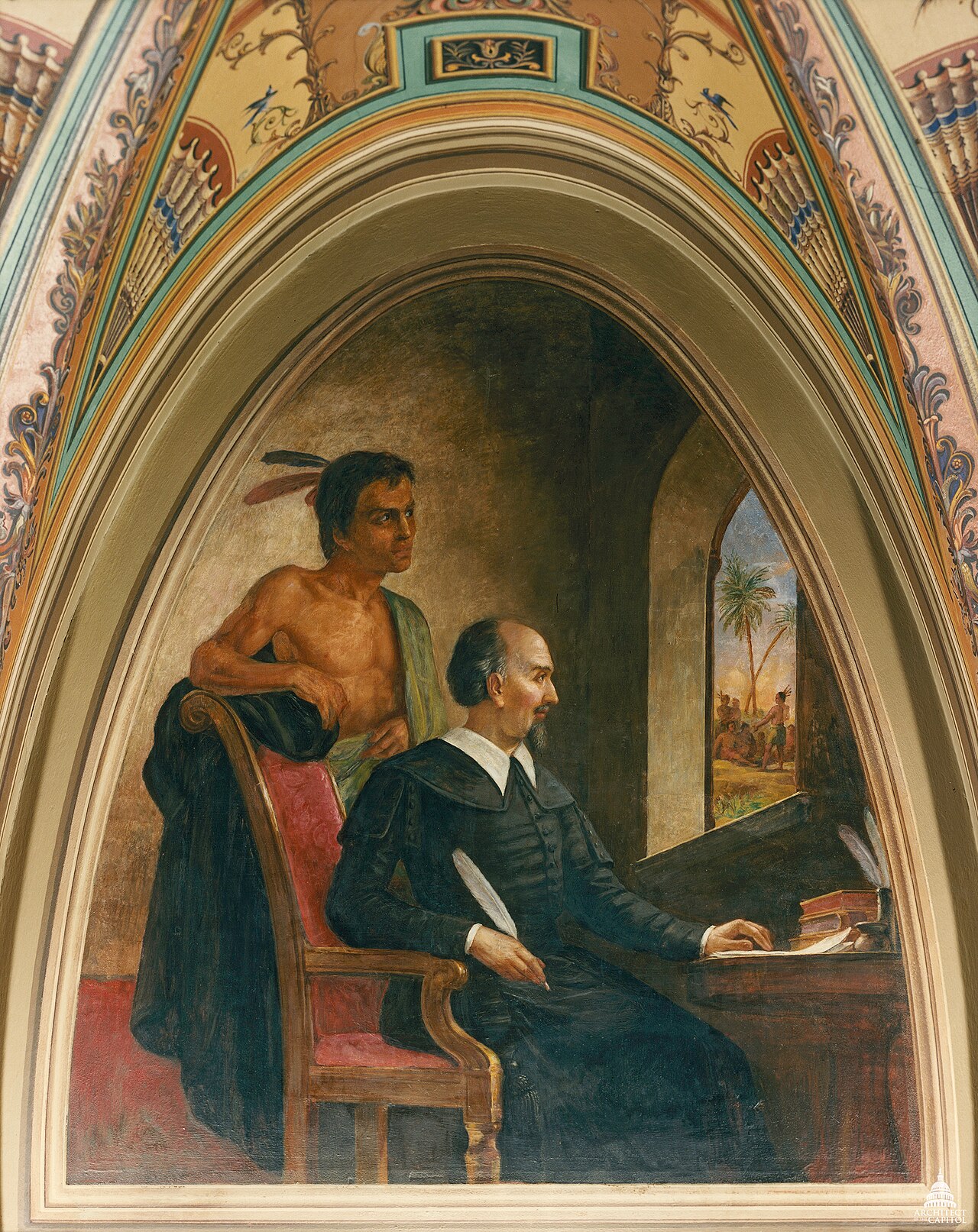 Painting
Secondary source
Constantino Brumidi · 1876
Secondary source
José Martí · 1889
 Book
Secondary source
Bartolomé de las Casas; translated by Jacques de Miggrode · 1579
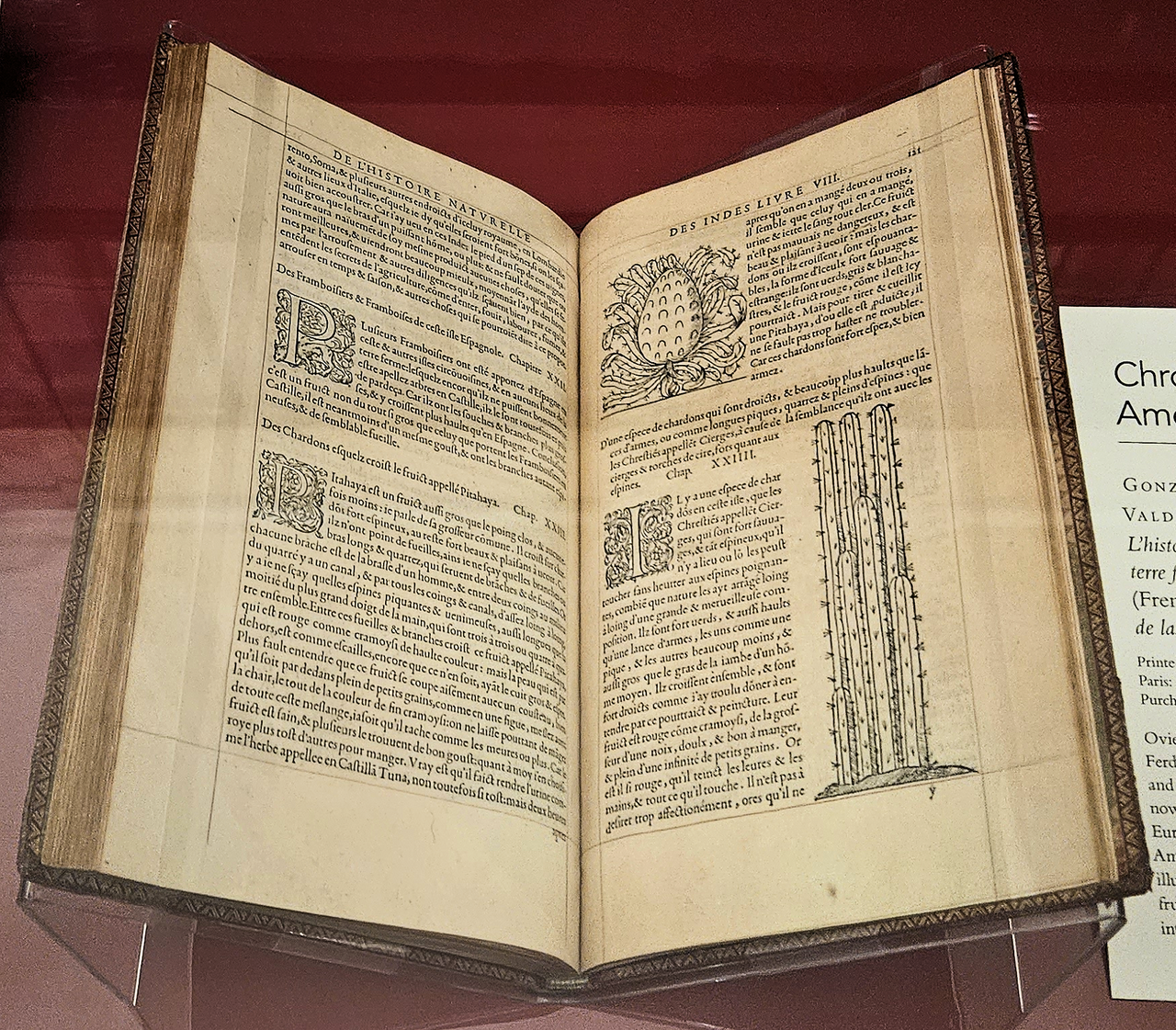 Book
Secondary source
Gonzalo Fernández de Oviedo y Valdés · 1556 (French edition); original work 16th century
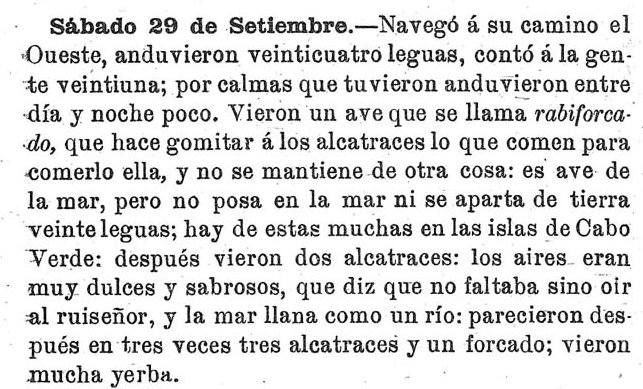 Document
Primary source
Christopher Columbus, transcribed by Bartolomé de las Casas · 29 September (year uncertain, from Columbus's voyage)
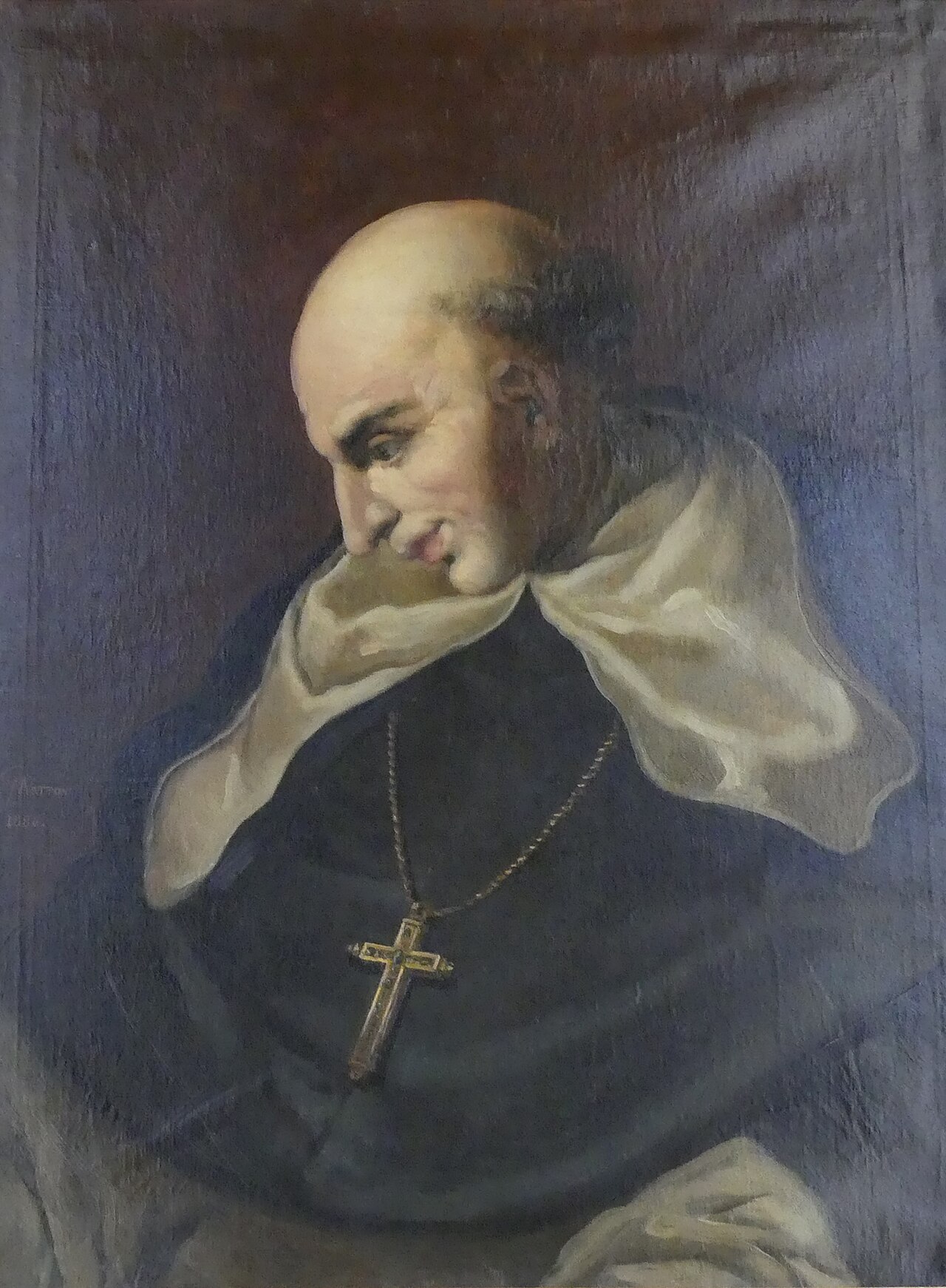 Painting
Secondary source
Virgilio Mattoni · 1886
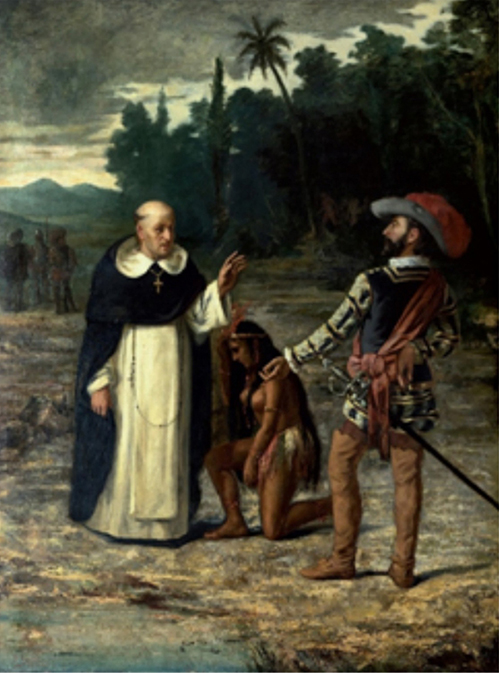 Painting
Secondary source
Sebastián Gelabert · 1889
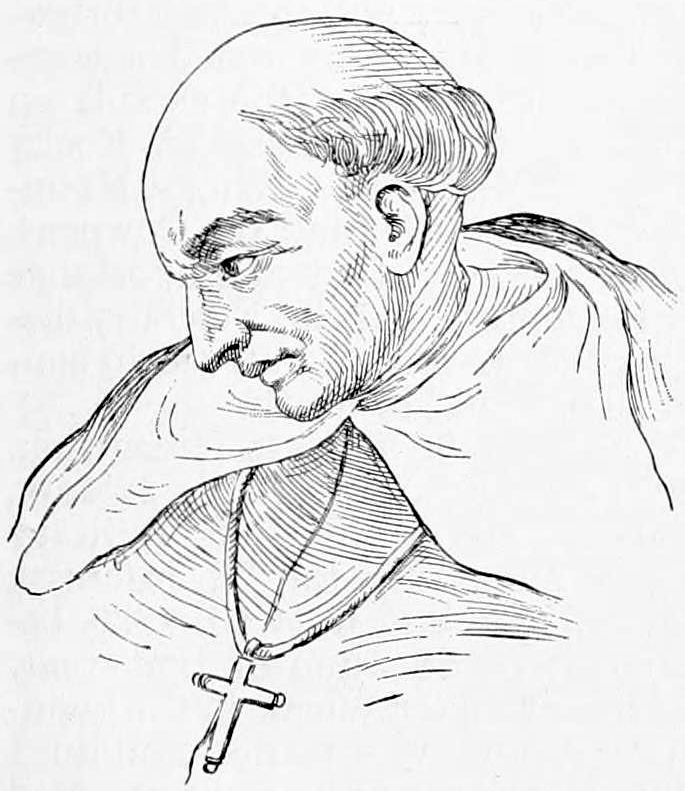 Painting
Secondary source
Jacques Reich
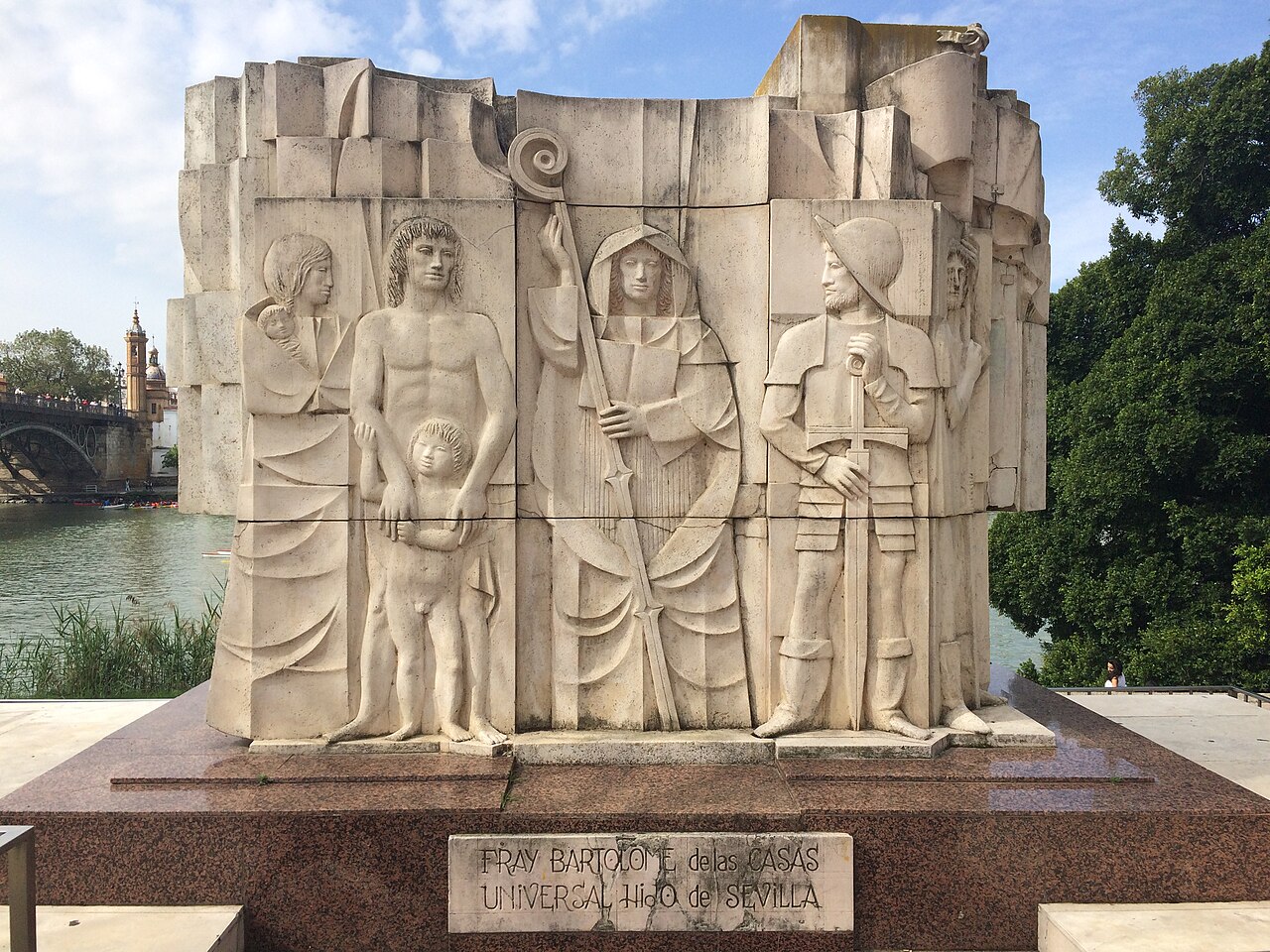 Sculpture
Secondary source
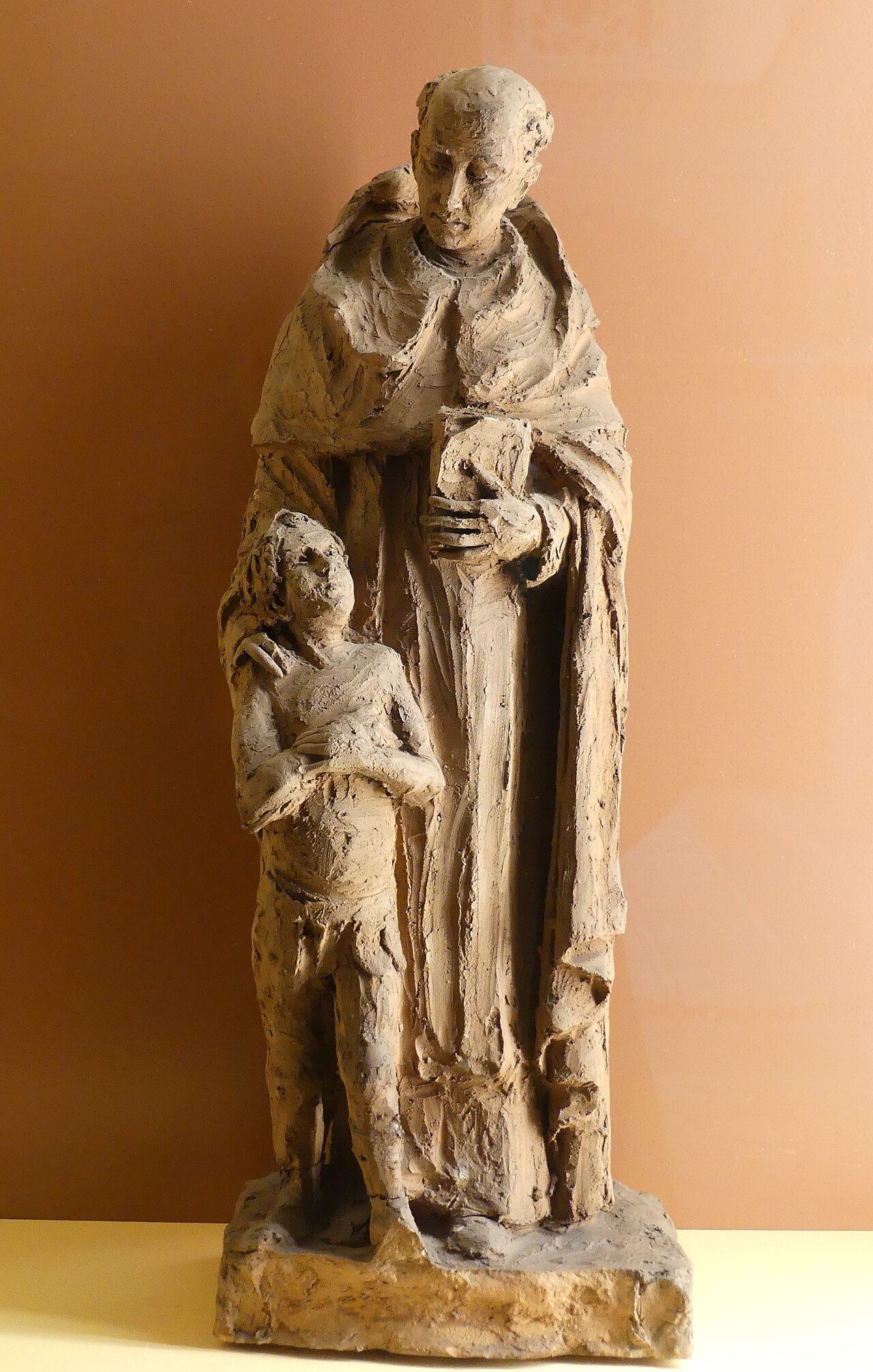 Sculpture
Secondary source
Antonio Susillo
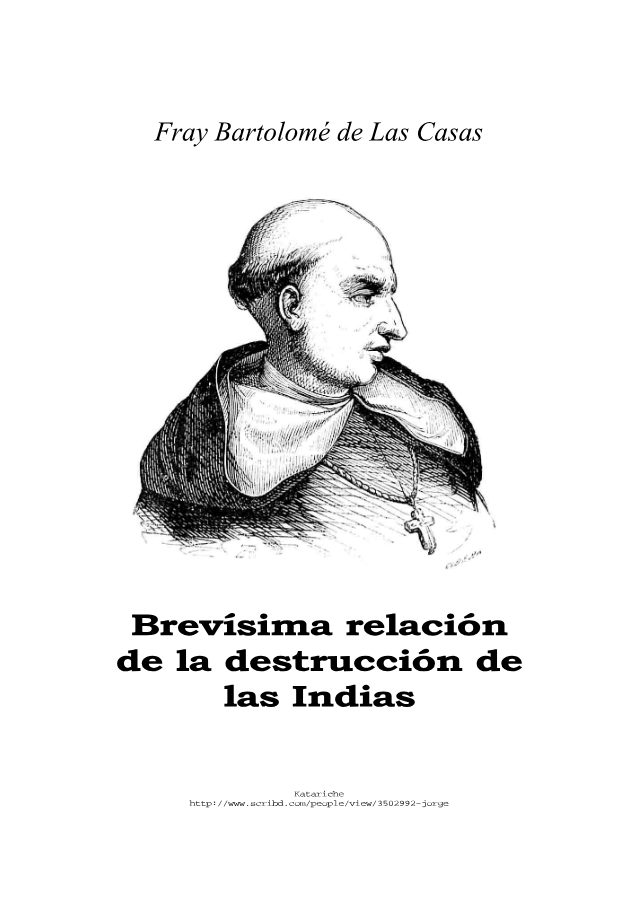 Book
Primary source
Bartolomé de las Casas · 1552
 Book
Primary source
Christopher Columbus · 1827 (translation of 1530s abridgement)
Secondary source
Antonio Maria Fabié · 1879
 Book
Secondary source
Francis Augustus MacNutt · 1909
Secondary source
Carlos Gutiérrez · 1878
 Book
Primary source
Bartolomé de las Casas · 1699
 Book
Secondary source
Francisco Javier de Ortueta · 1920
Secondary source
Louis Anthony Dutto · 1902
 Book
Secondary source
Otto Waltz · 1905
 Book
Secondary source
Arthur Helps · 1896
 Book
Secondary source
Nicolás León · 1886
 Book
Primary source
Bartolomé de las Casas · after July 1566
Secondary source
Antonio María Fabié · 25 April 1892
 Book
Secondary source
Antoine Touron · 1870
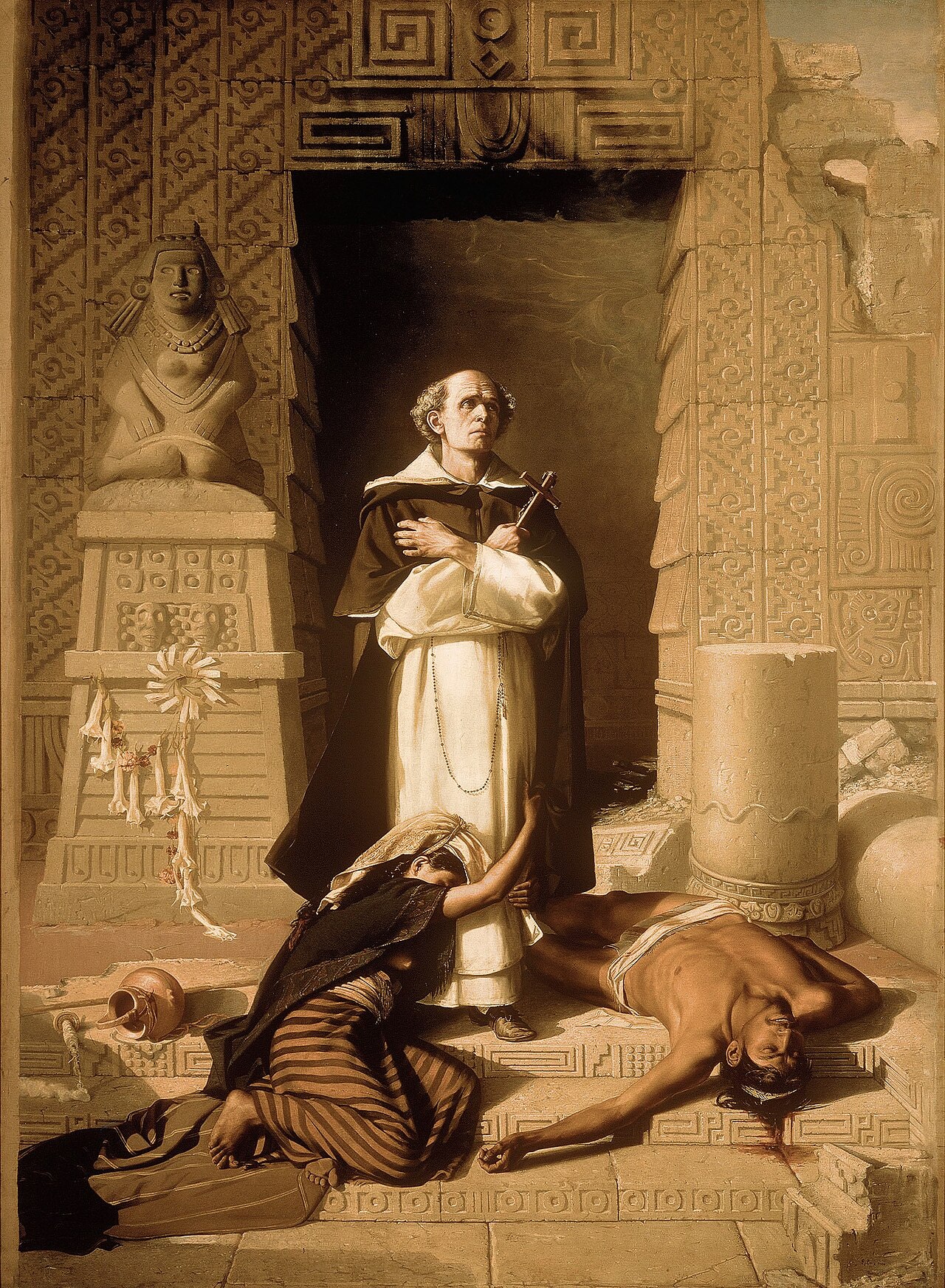 Painting
Secondary source
Felix Parra · 1875
Secondary source
1791
Tertiary source
Adolph Francis Alphonse Bandelier · 1913
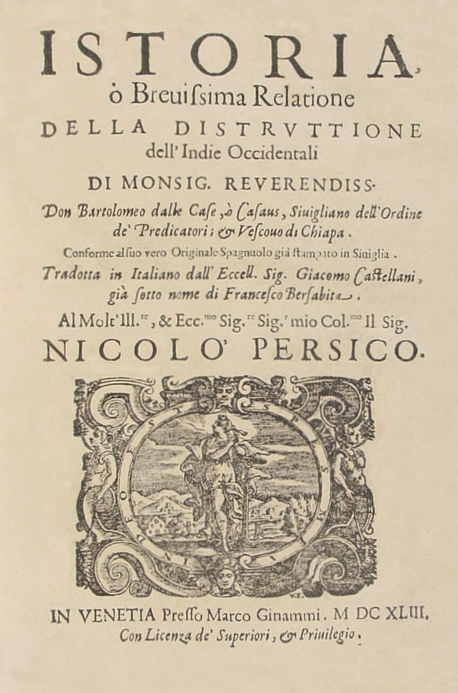 Book
Primary source
Bartolomé de las Casas · 1643
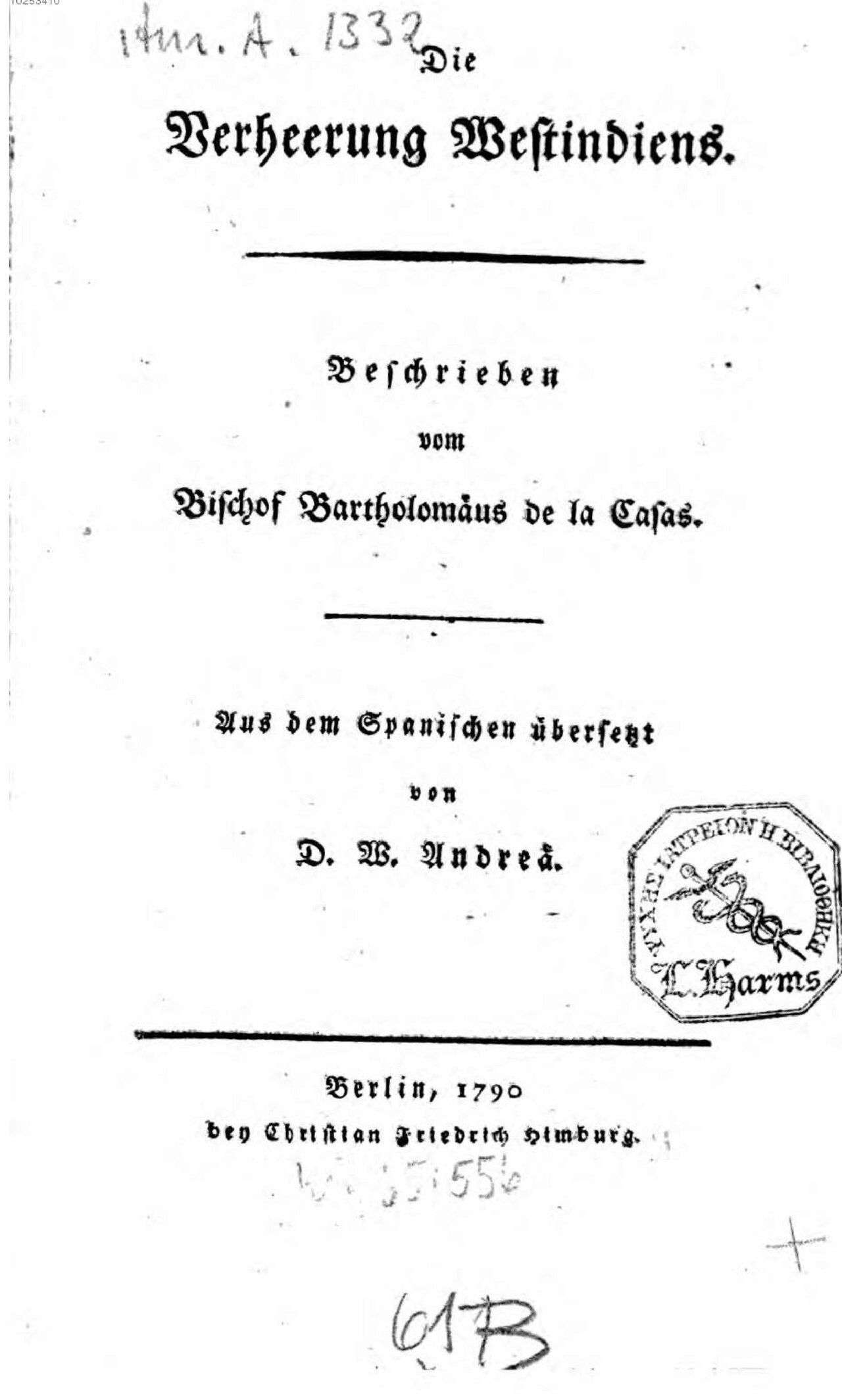 Book
Secondary source
Dietrich Wilhelm Andreae · 1790
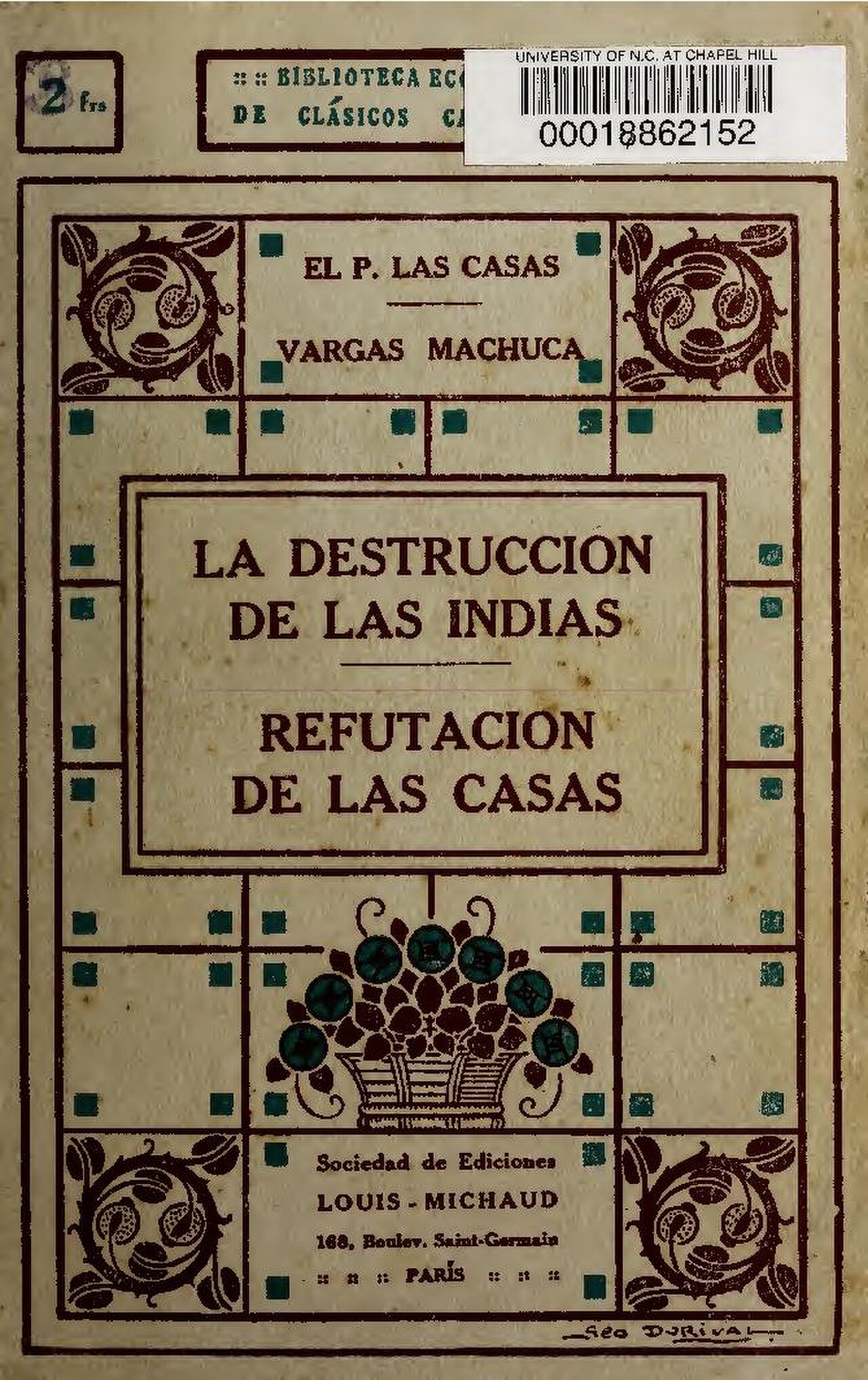 Book
Primary source
Bartolomé de las Casas; Bernardo de Vargas Machuca · 1920s
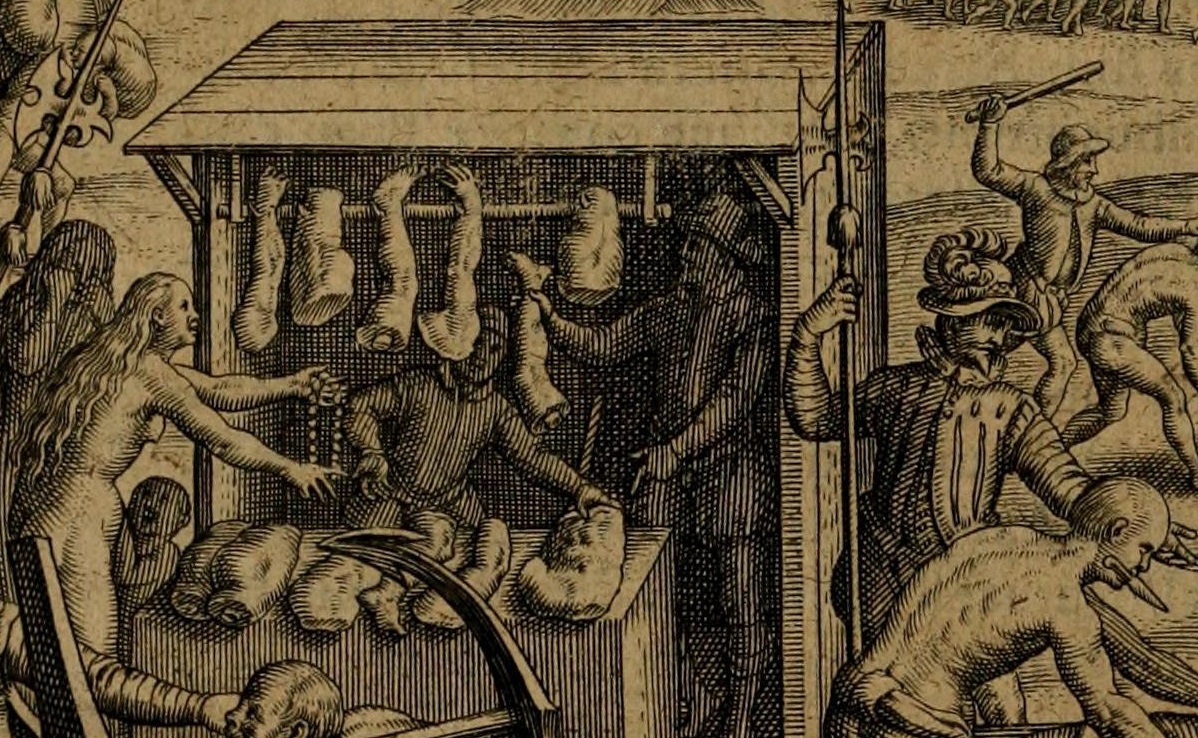 Painting
Secondary source
Jodocus van Winghe · 1614
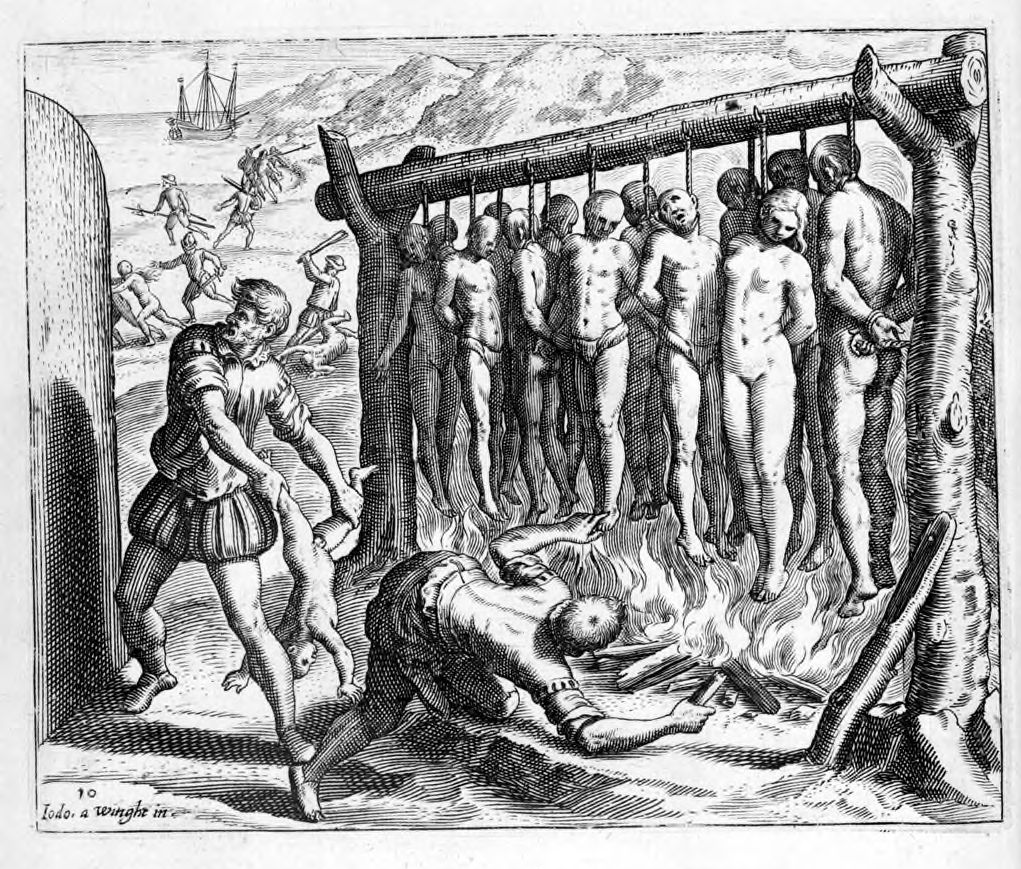 Painting
Primary source
Theodor de Bry, after Joos van Winghe · 1598
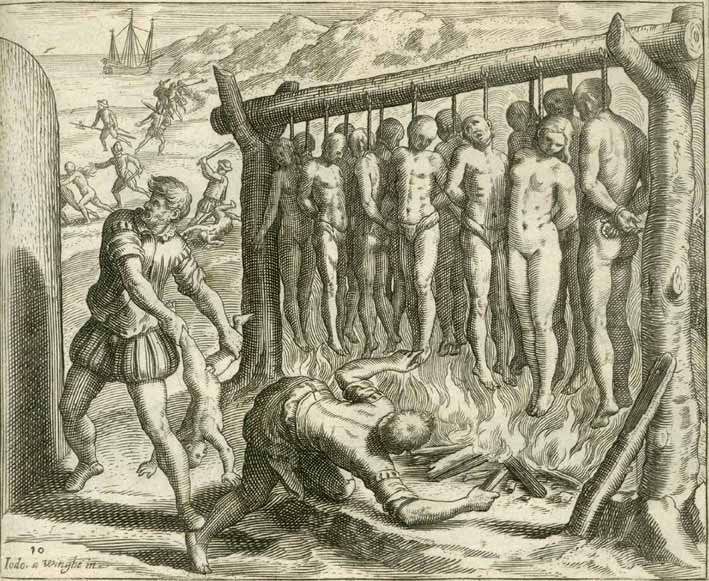 Painting
Secondary source
Theodor de Bry, after Joos van Winghe · 1552
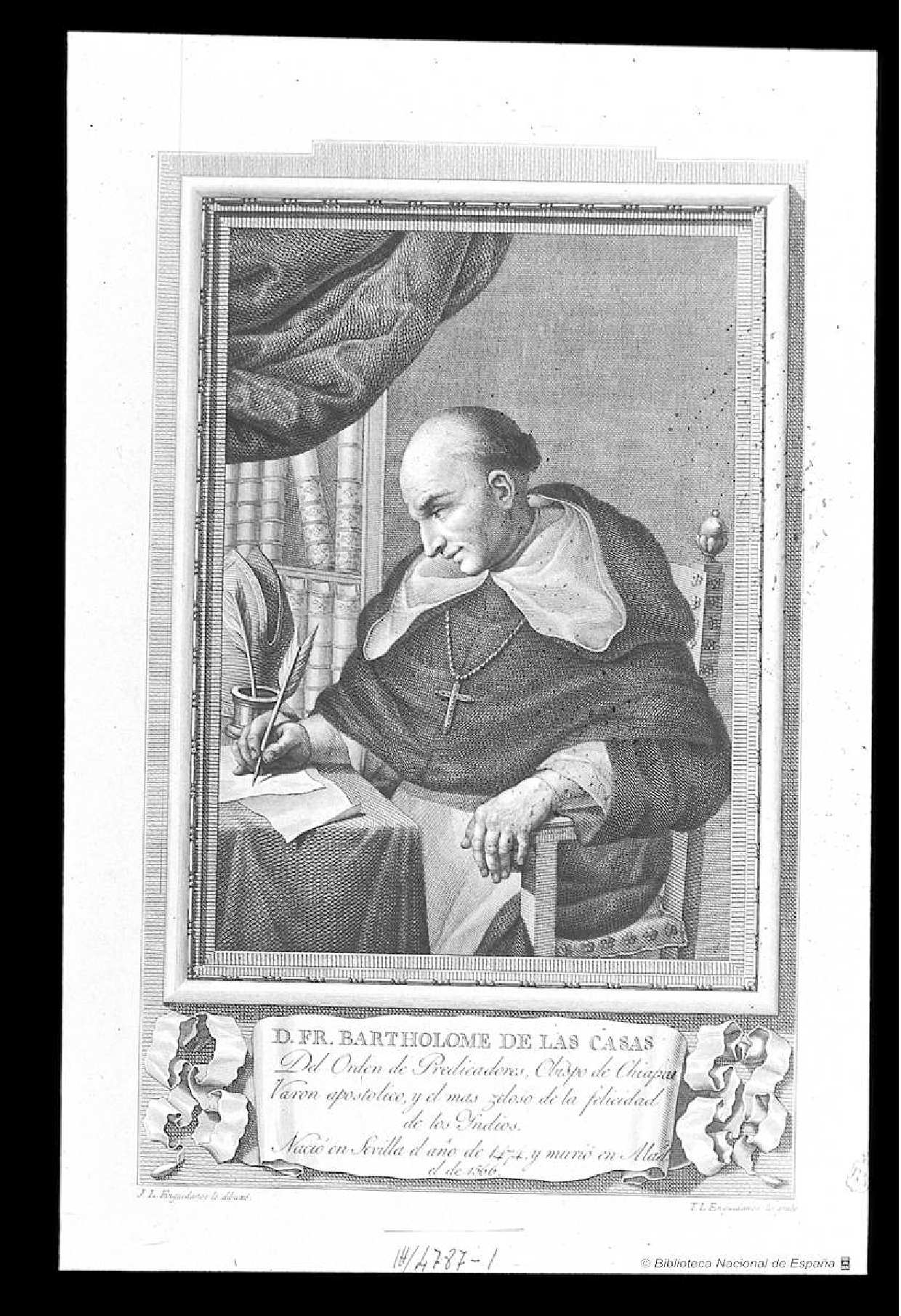 Painting
Secondary source
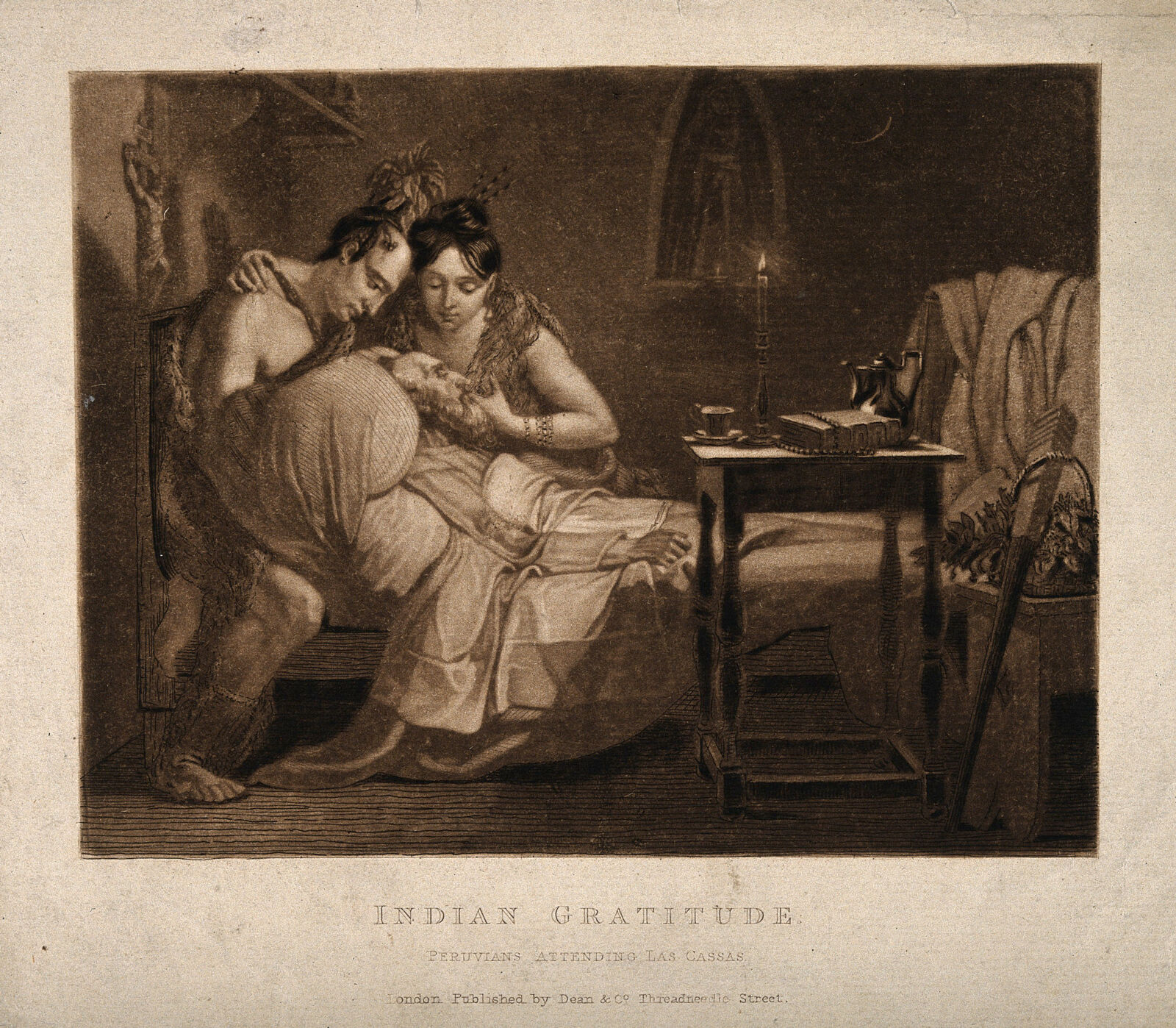 Painting
Secondary source
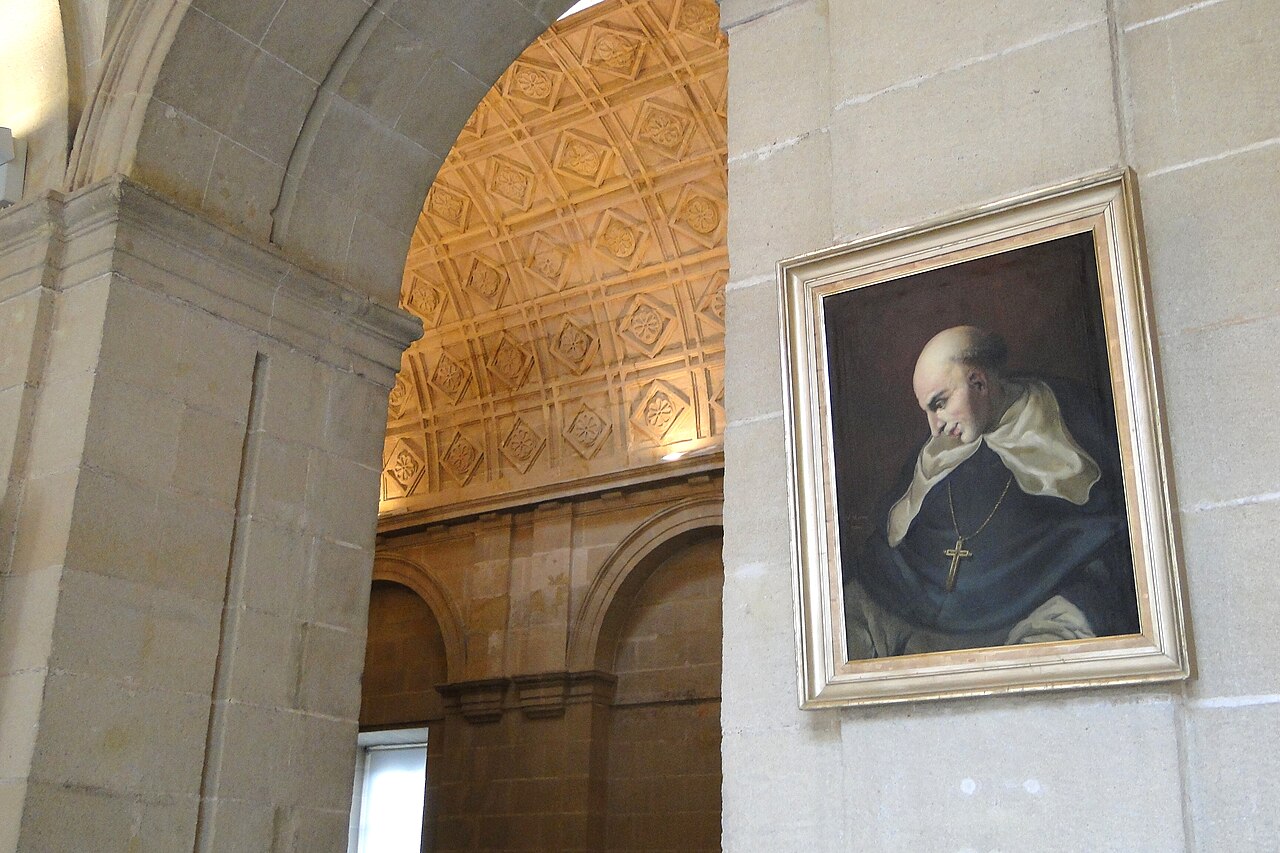 Painting
Secondary source
Adam Jones · 2010-05-14
 Book
Secondary source
Otto Waltz
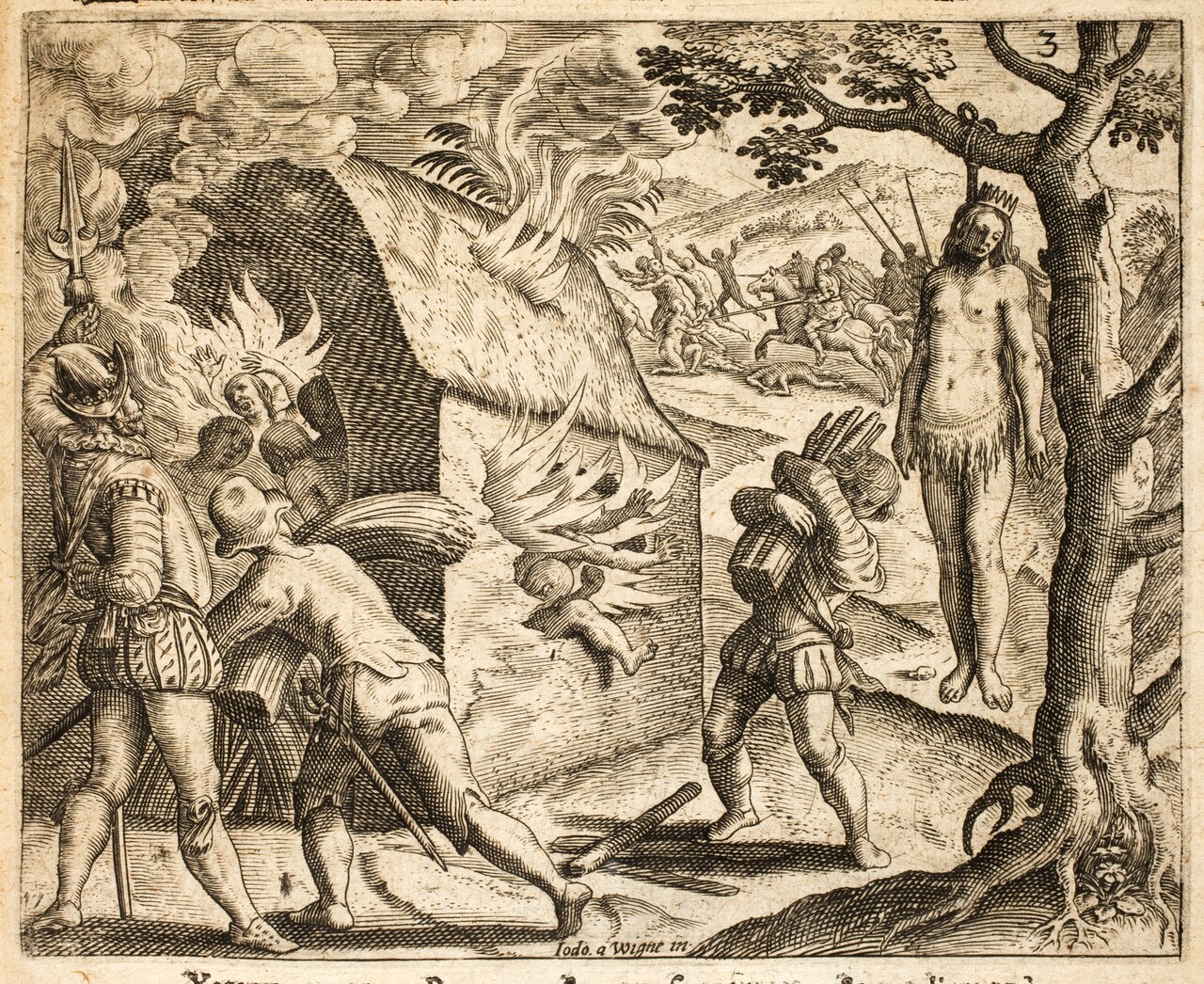 Painting
Secondary source
Joos van Winghe · 1664
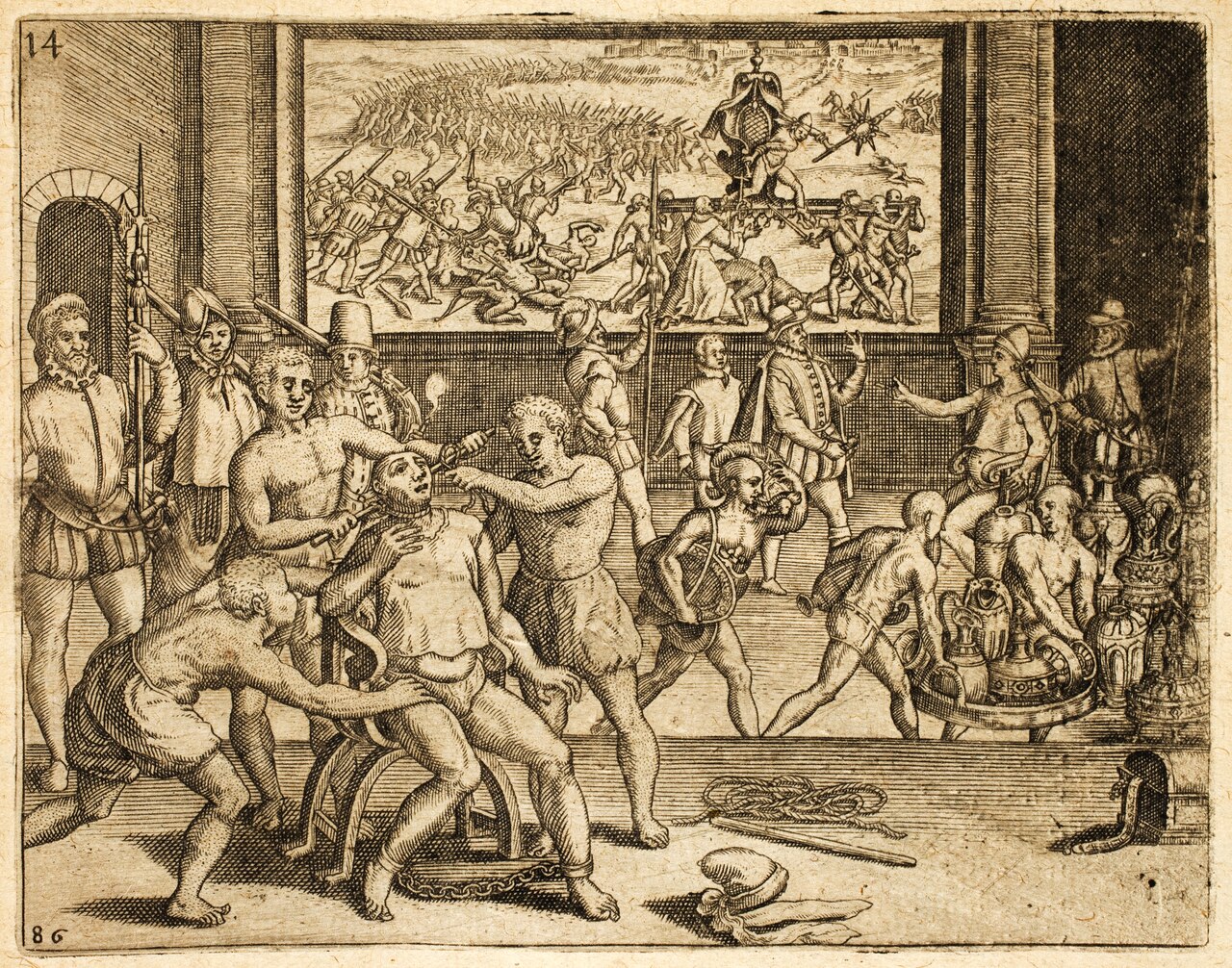 Painting
Secondary source
Unknown engraver, after Bartolomé de las Casas's text · 1664
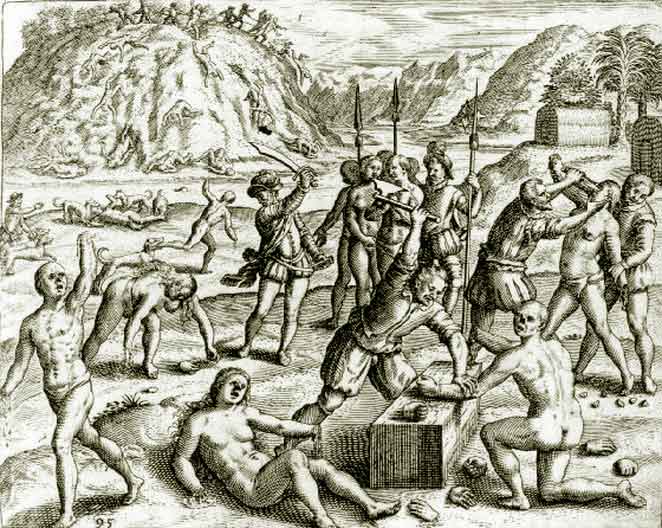 Painting
Secondary source
Theodor de Bry · 1590s
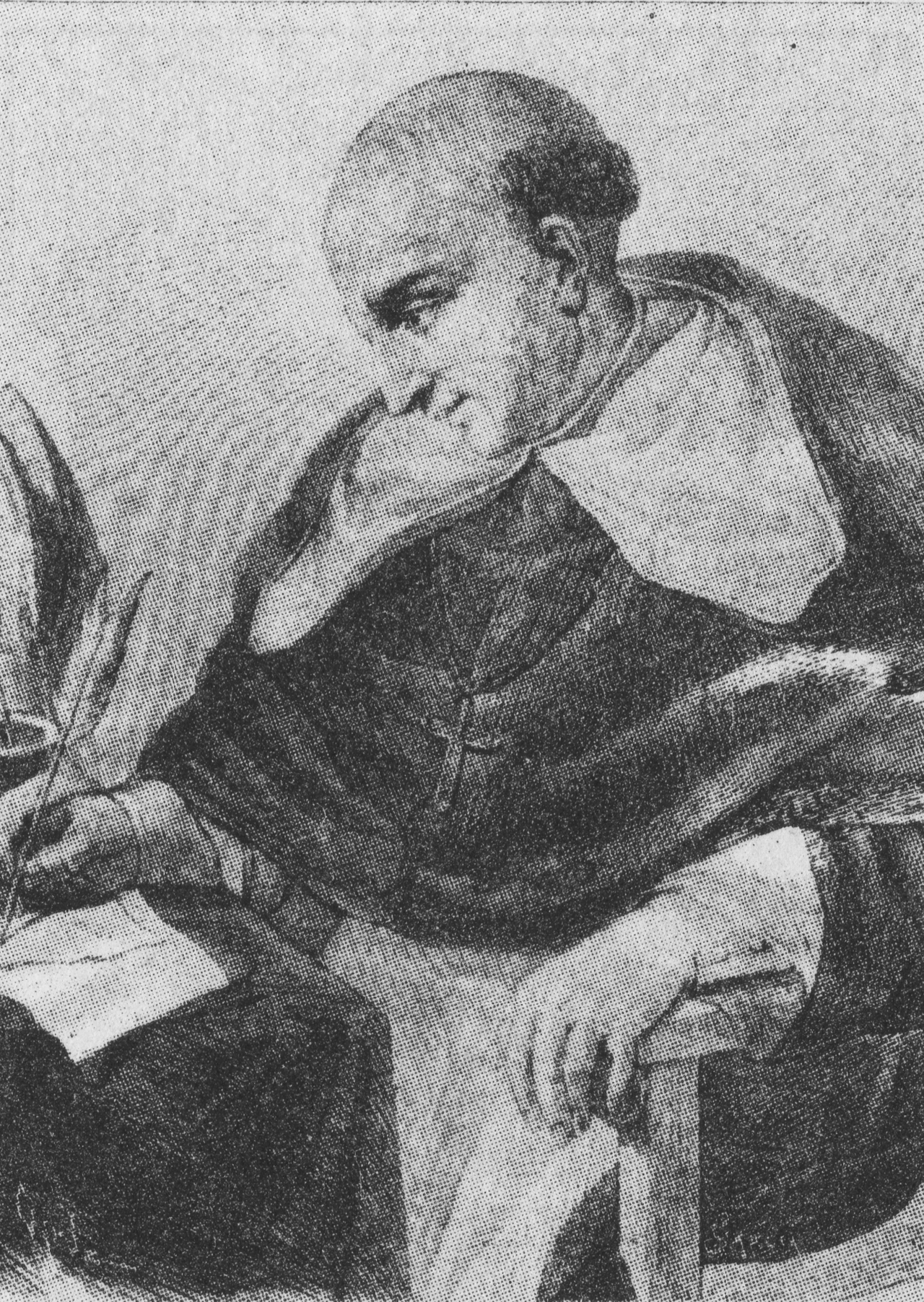 Painting
Secondary source
Uncredited
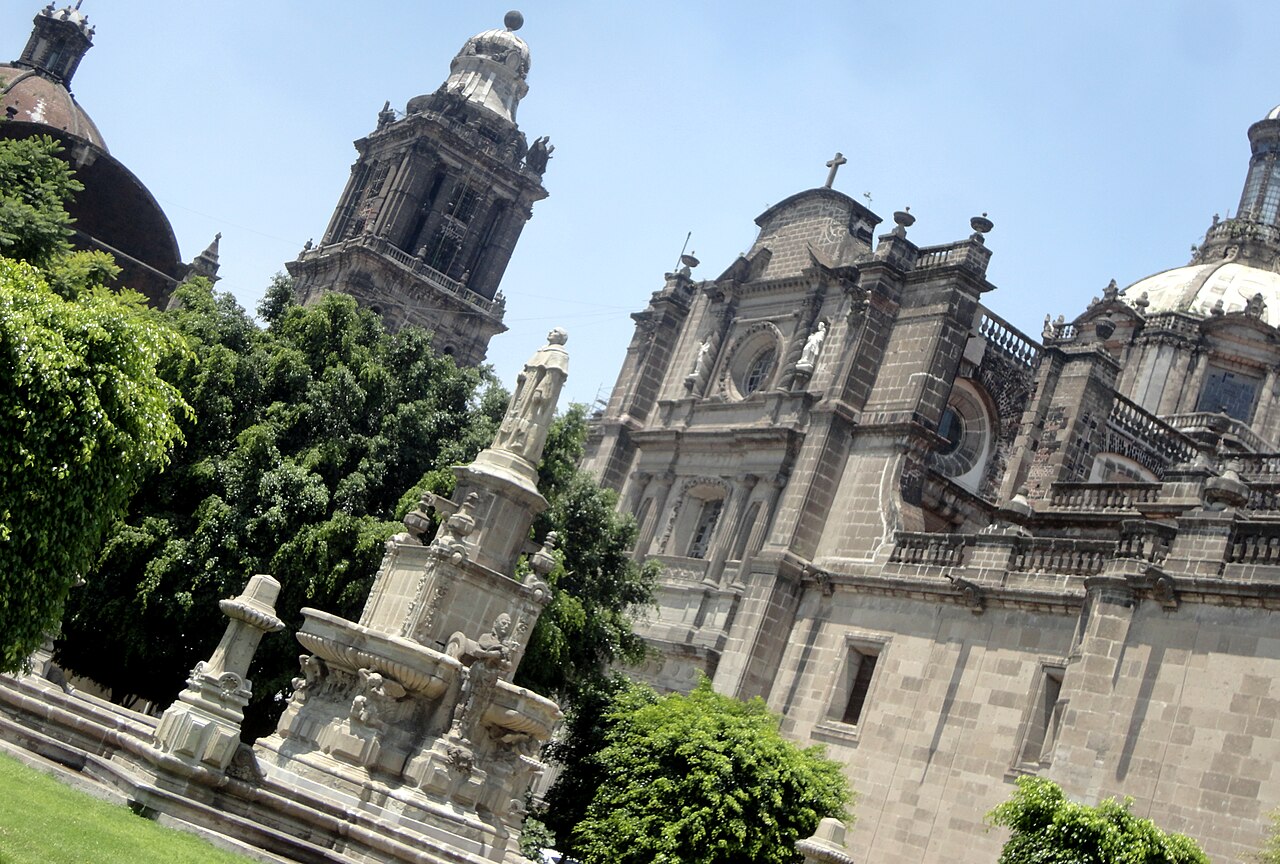 Sculpture
Secondary source
Juan Carlos Fonseca Mata · 23 September 2019 (photograph)
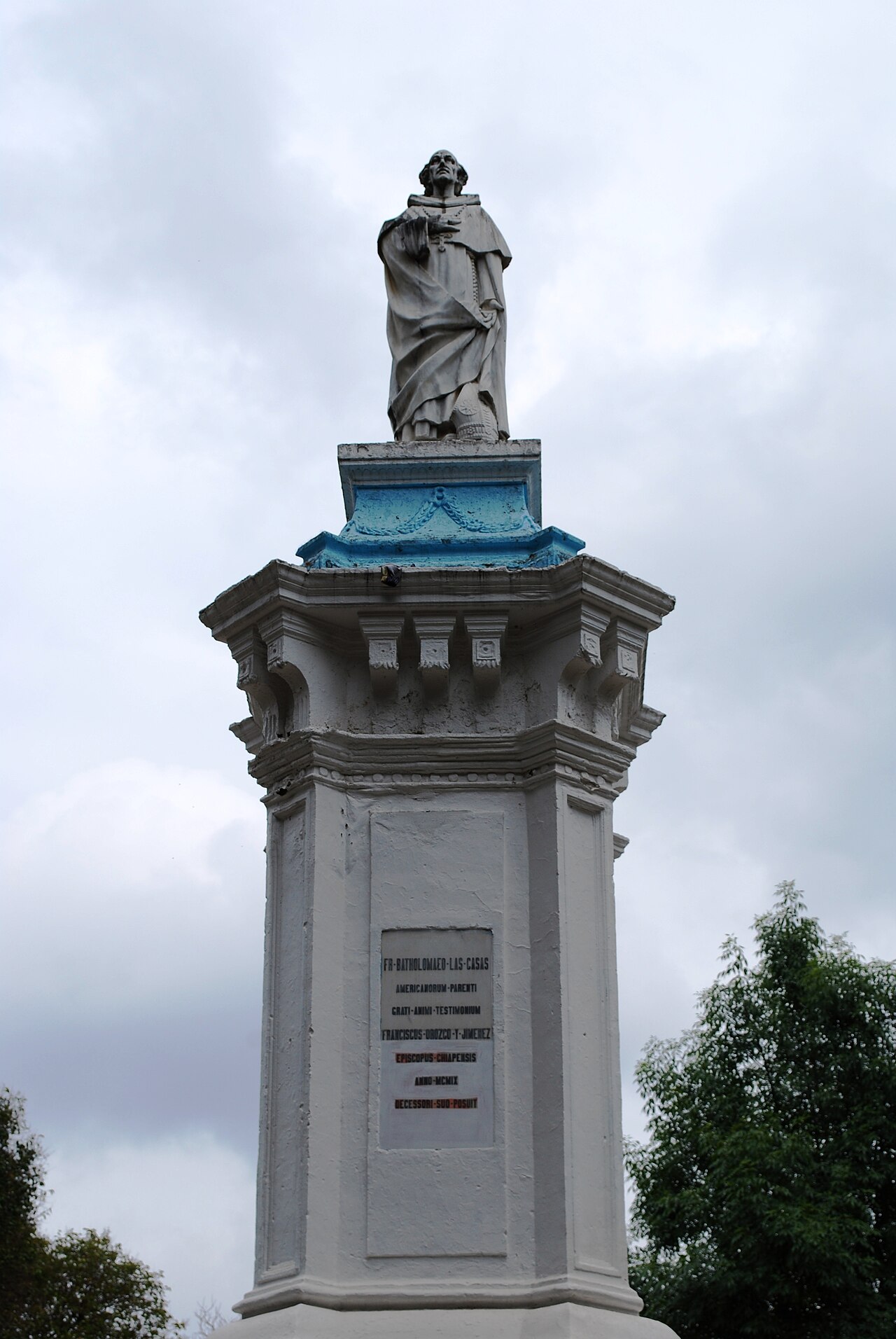 Sculpture
Secondary source
19 April 2011 (photograph); statue date not given in the facts
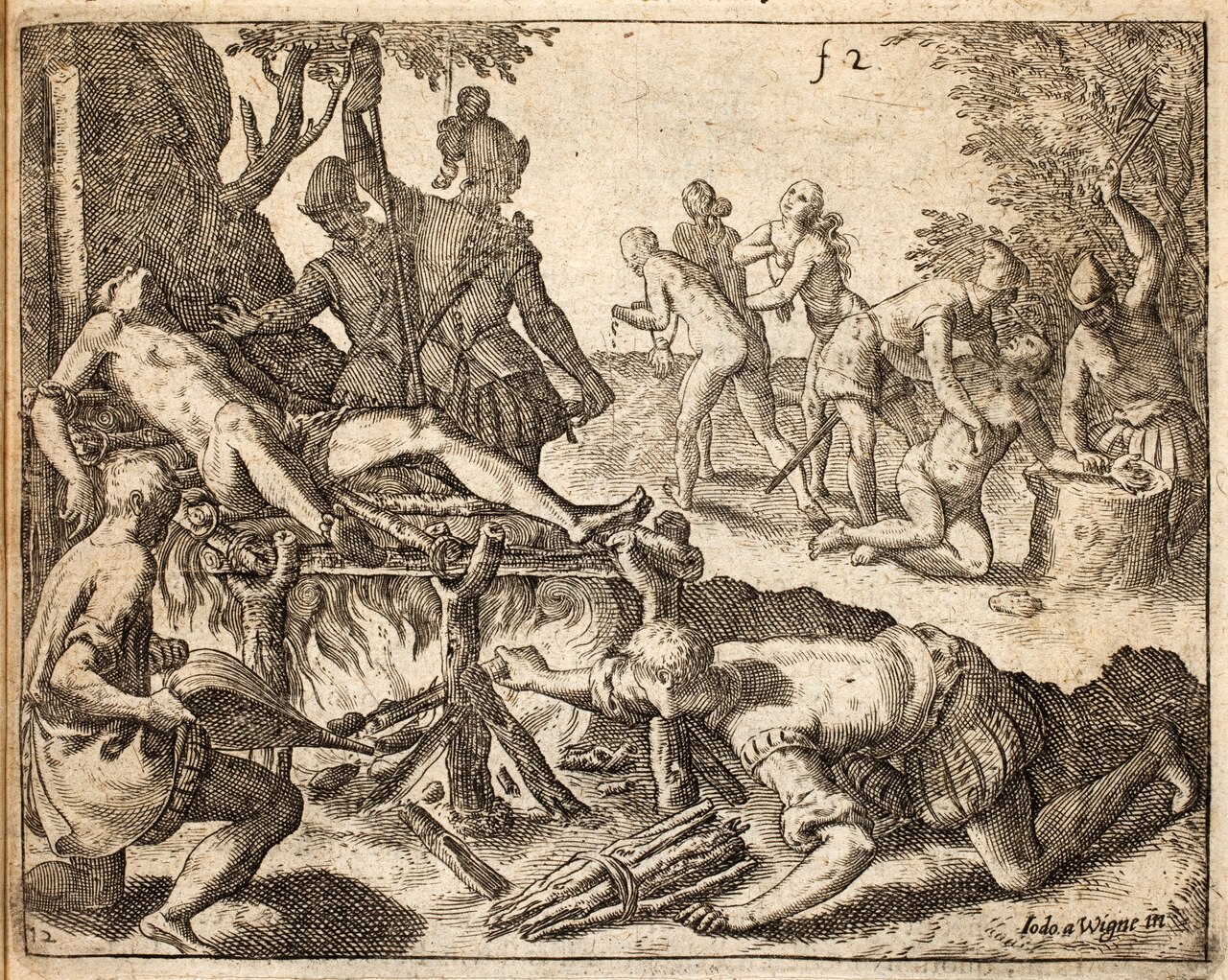 Artifact
Secondary source
Joos van Winghe · 1664
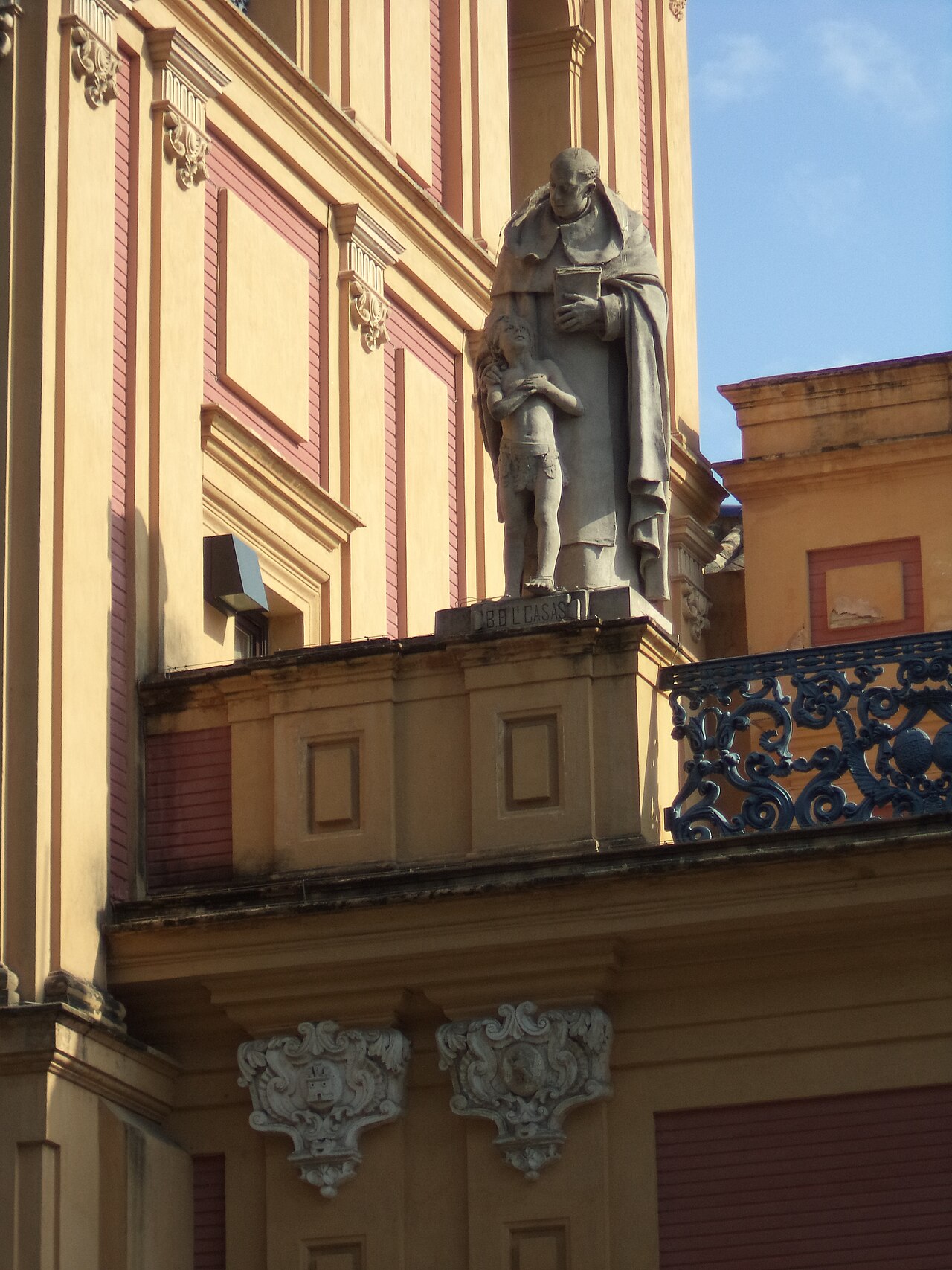 Sculpture
Secondary source
18 June 2014 (photograph); statue date not given in the facts
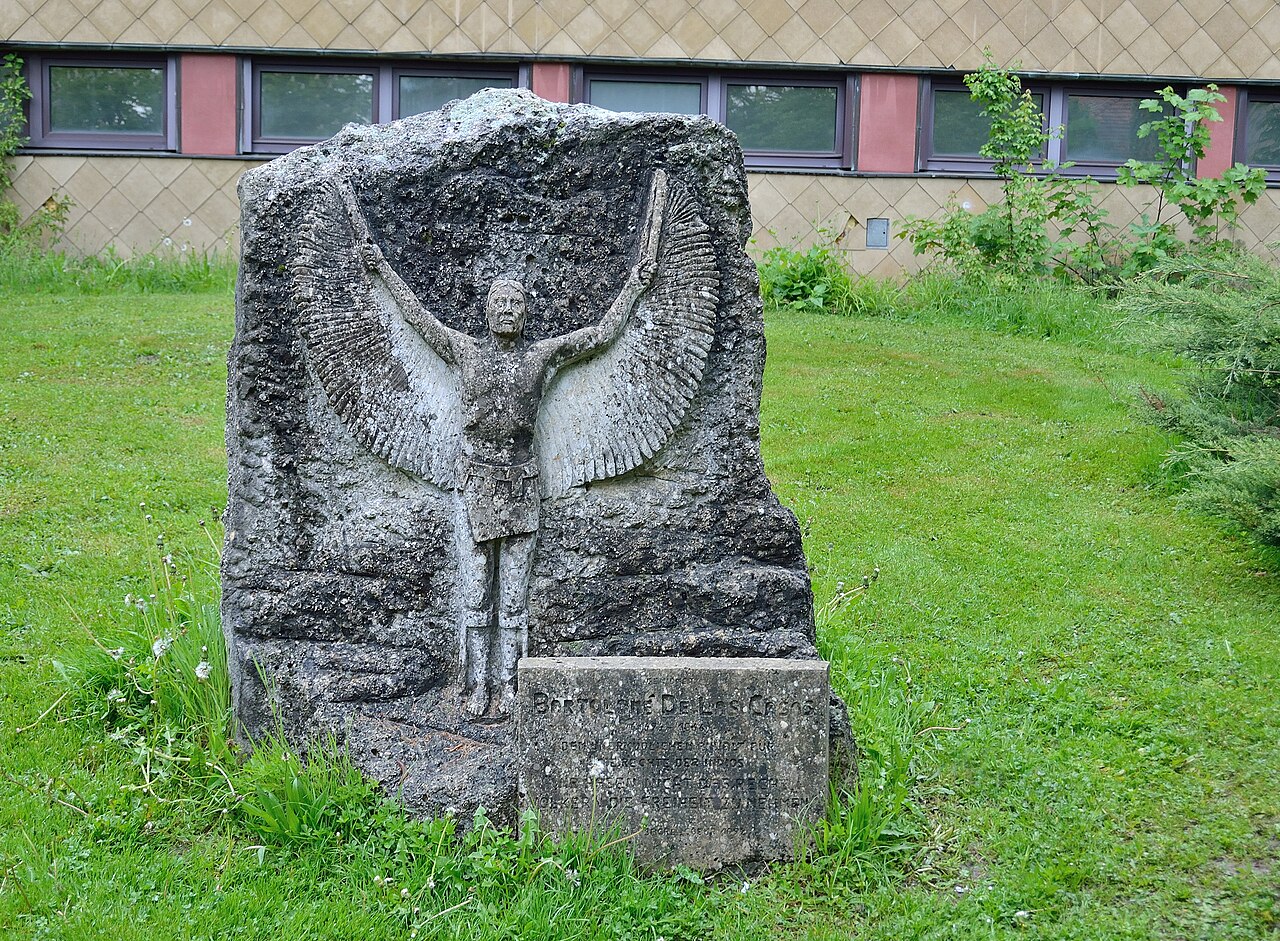 Photograph
Secondary source
Herzi Pinki · 13 May 2017 (photograph); memorial date not given in the facts
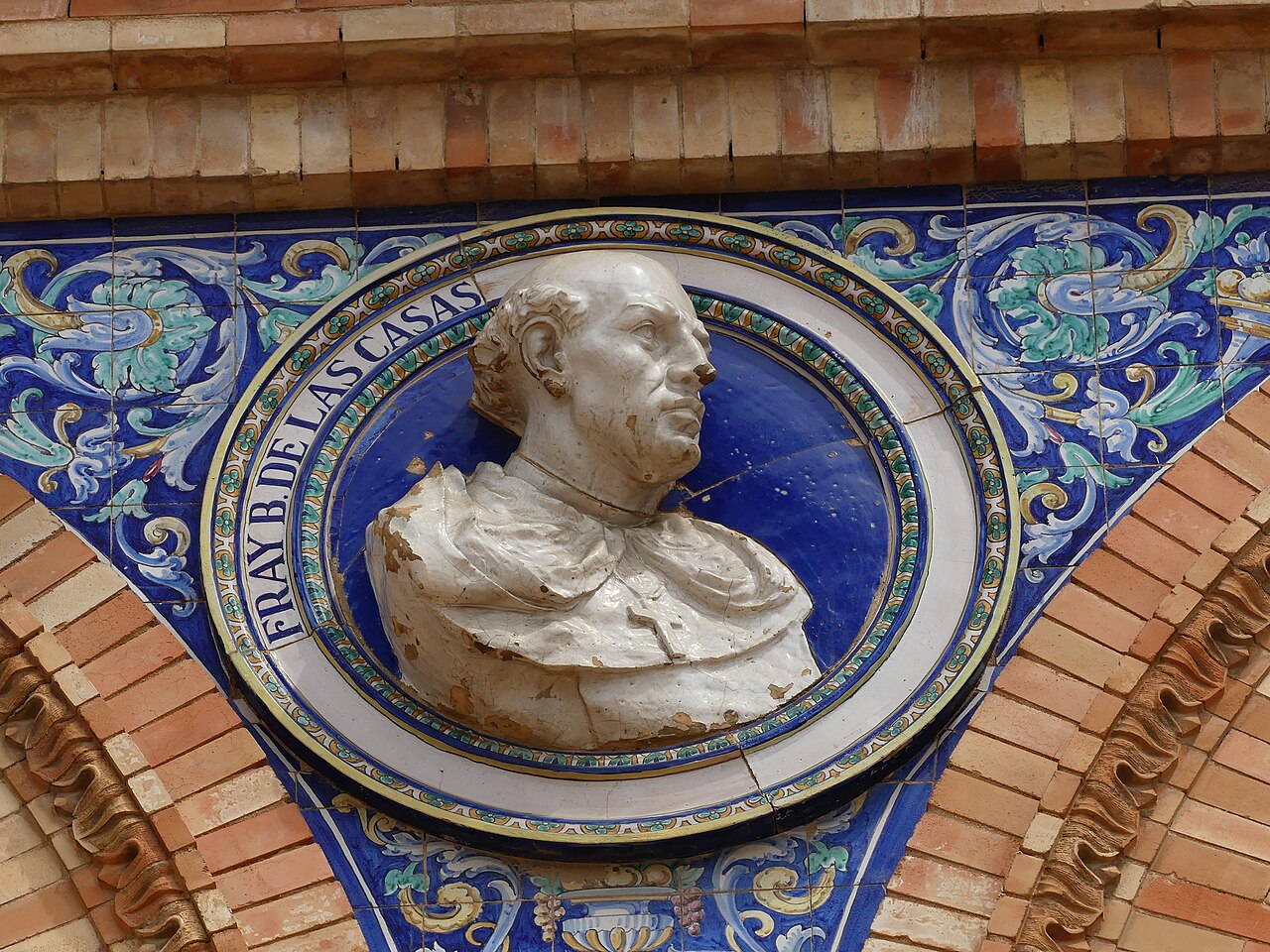 Photograph
Secondary source
Carlos V de Habsburgo · 6 September 2023 (photograph); medallion date not given in the facts
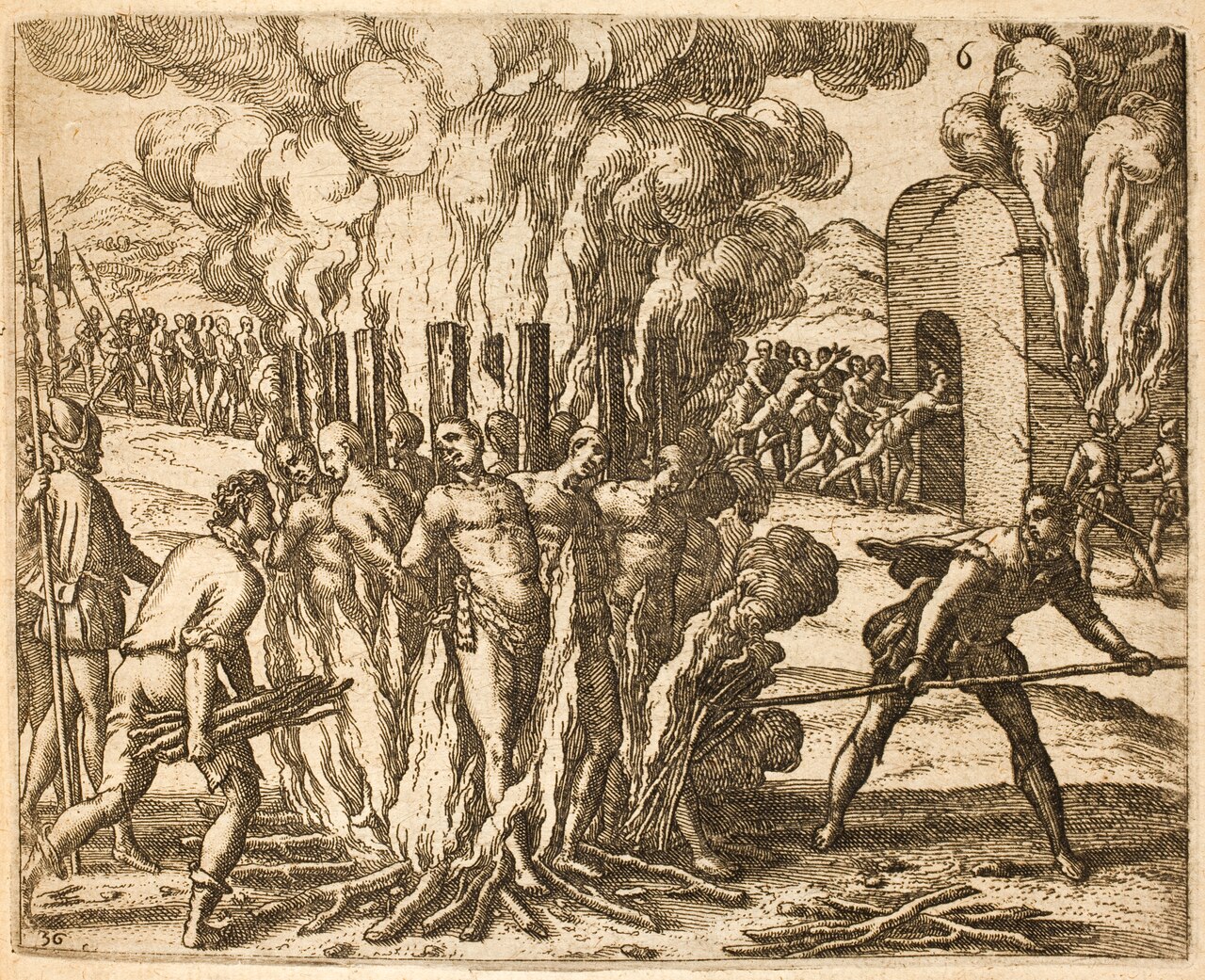 Painting
Secondary source
Bartolomé de las Casas (text); engraver not named in the facts · 1664
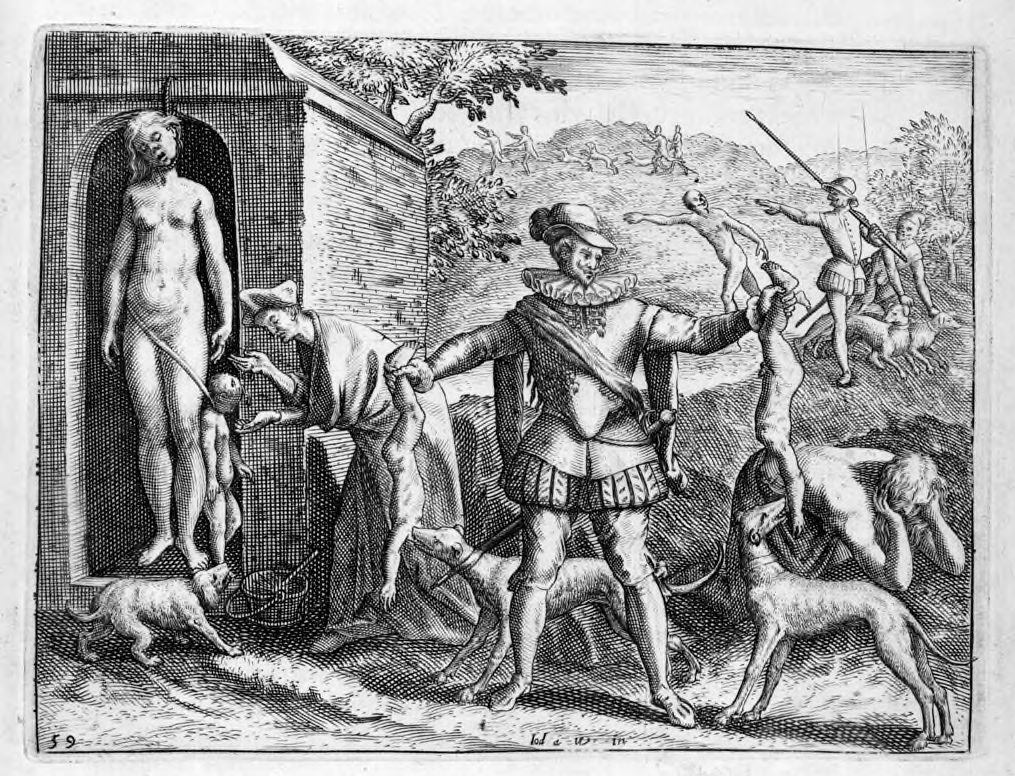 Painting
Secondary source
Joos van Winghe; Theodor de Bry · 1598
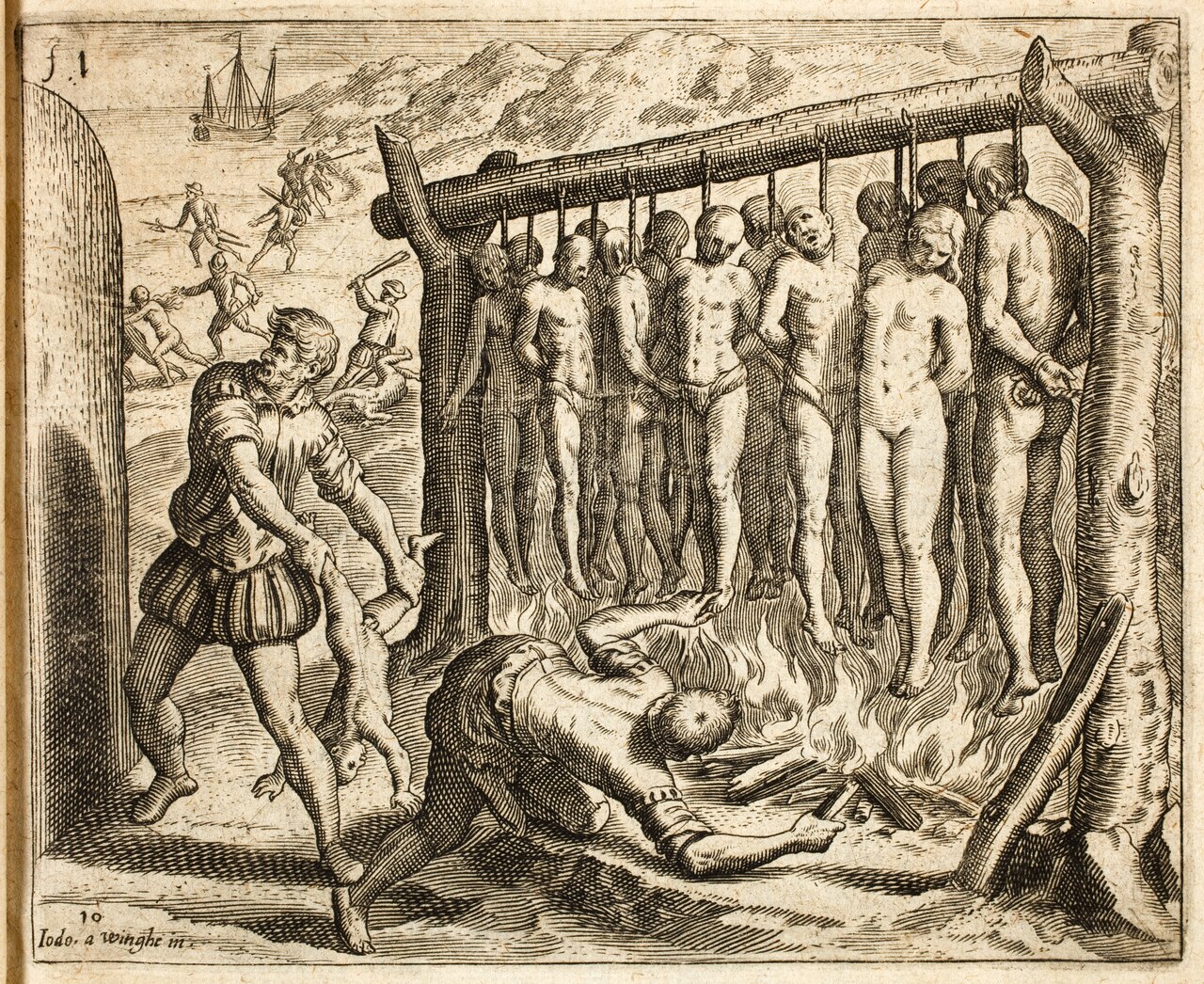 Painting
Secondary source
Joos van Winghe; Theodor de Bry; Johann Theodor de Bry · 1664
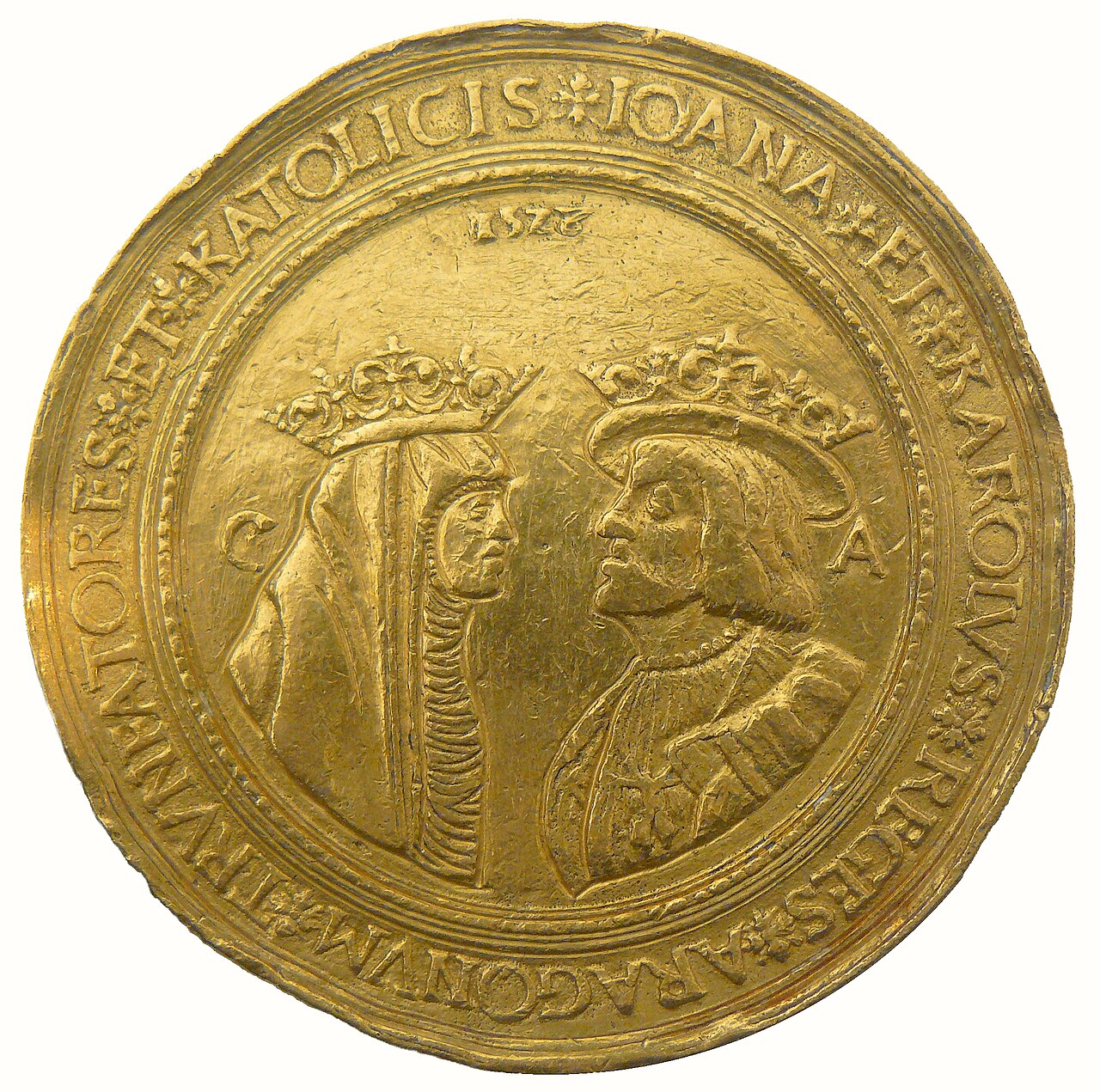 Artifact
Primary source
1528
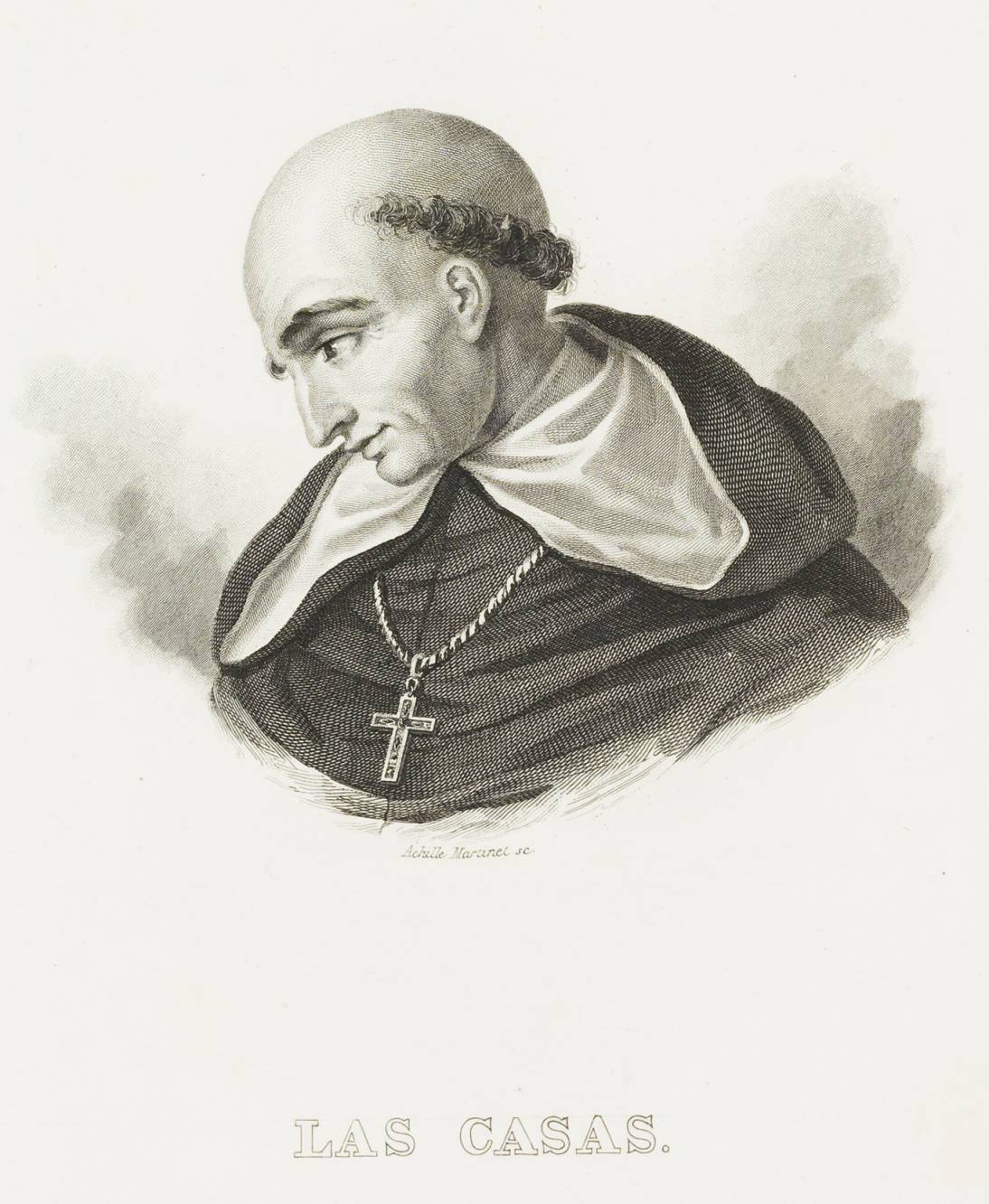 Painting
Secondary source
Achille Louis Martinet
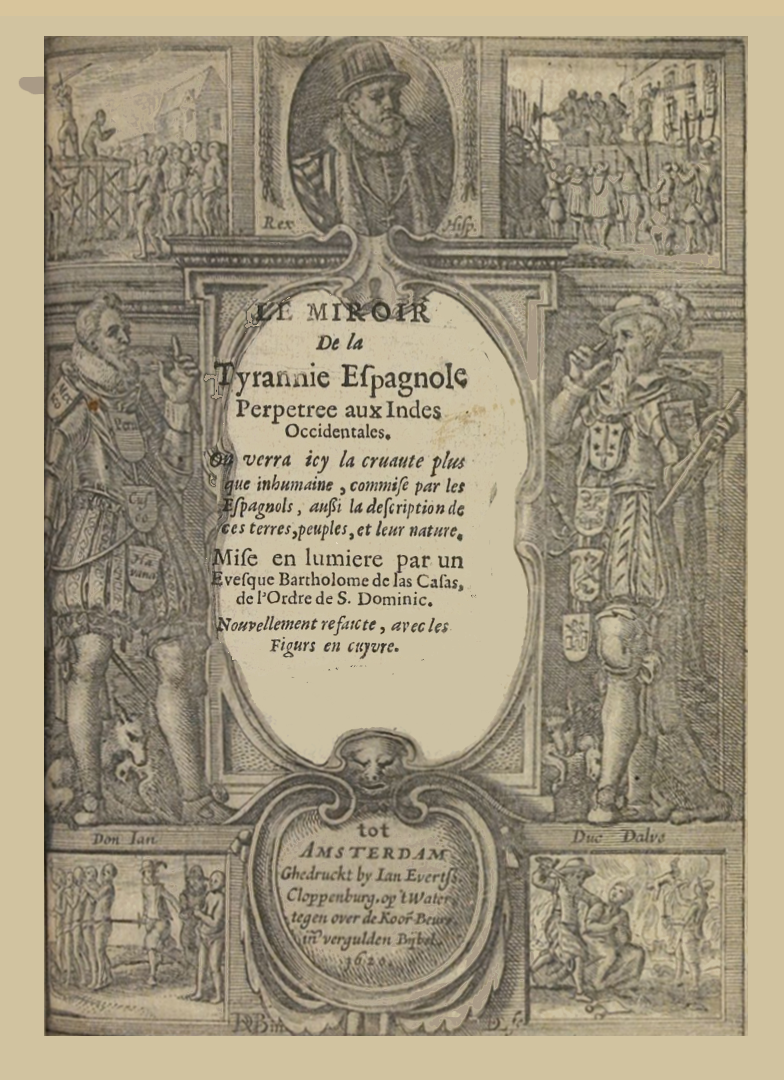 Book
Secondary source
Attributed to Bartolomé de las Casas (authorship disputed) · 1620
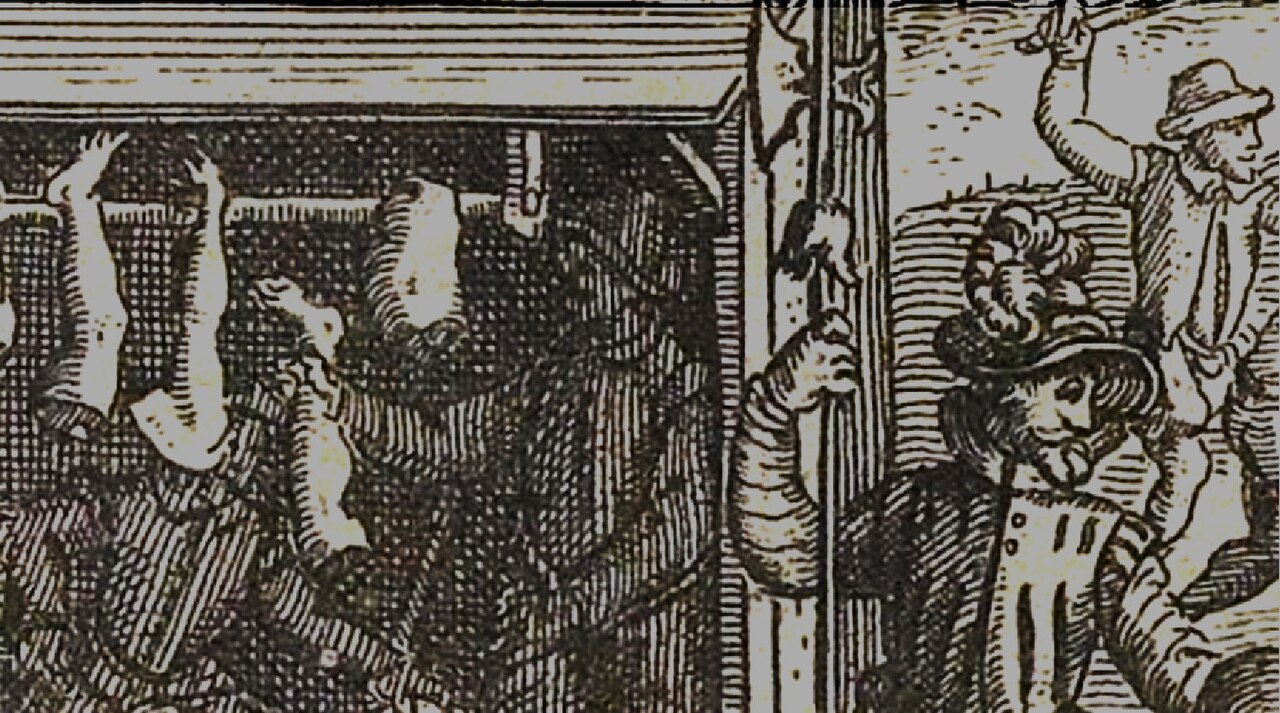 Painting
Secondary source
Johannes Gysius · 1620
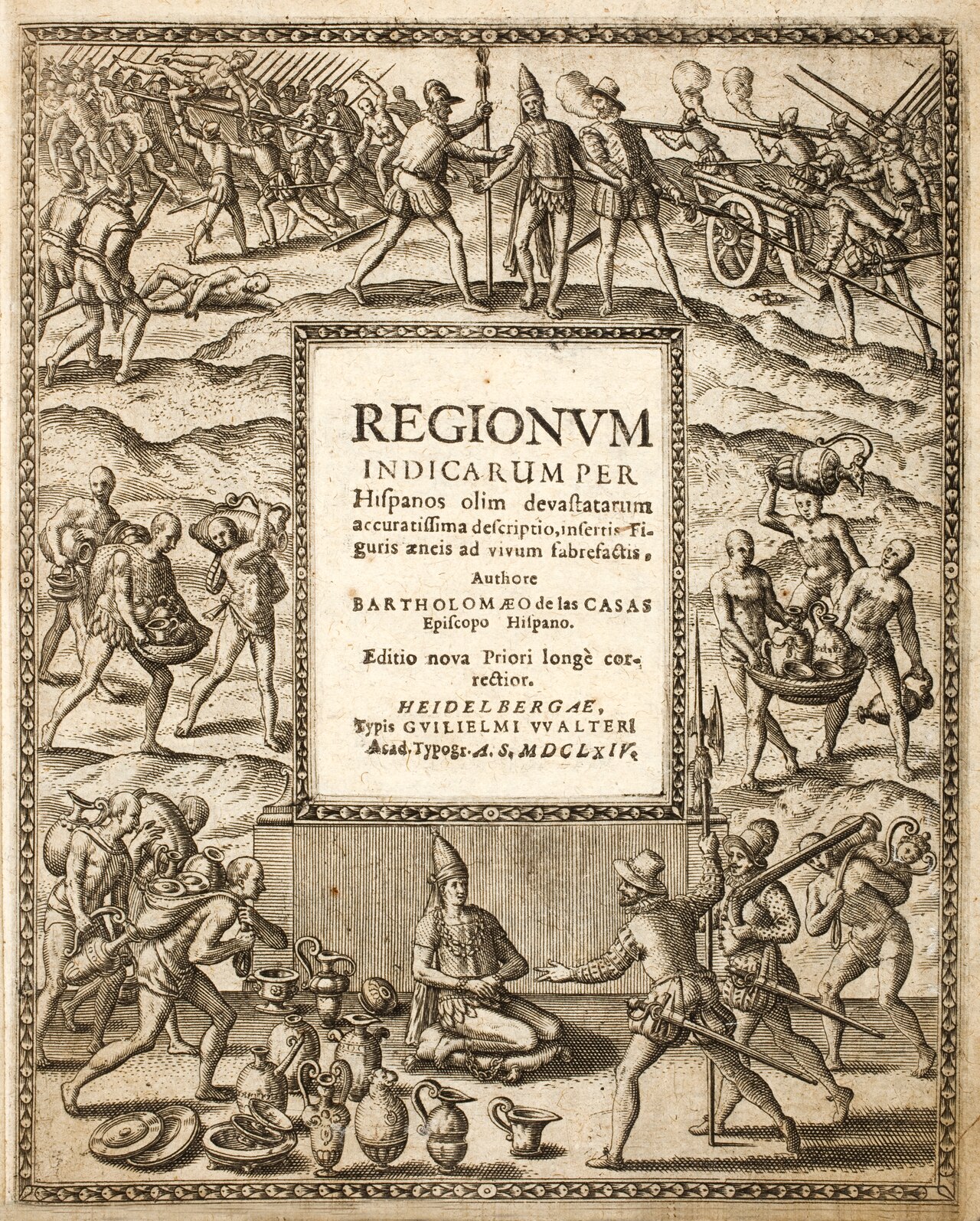 Book
Secondary source
Joos van Winghe · 1664
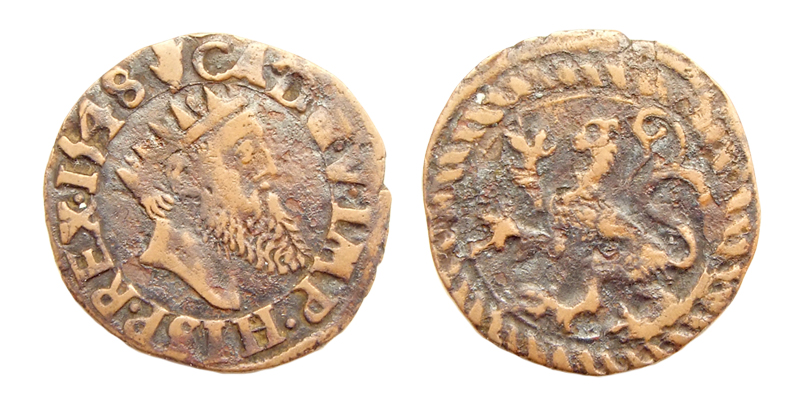 Artifact
Primary source
1548
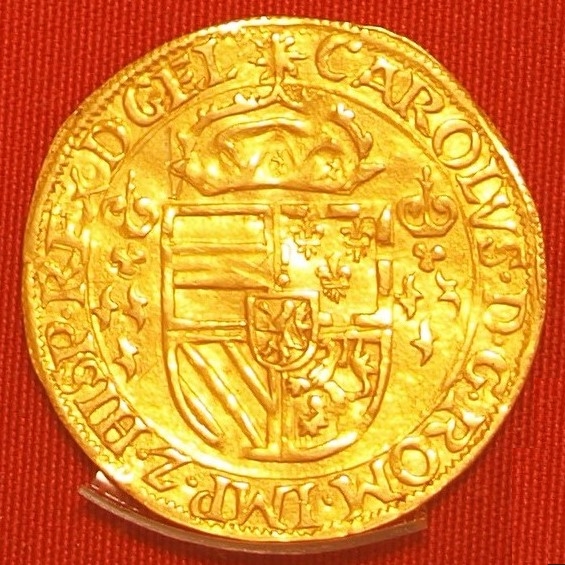 Artifact
Primary source
1544
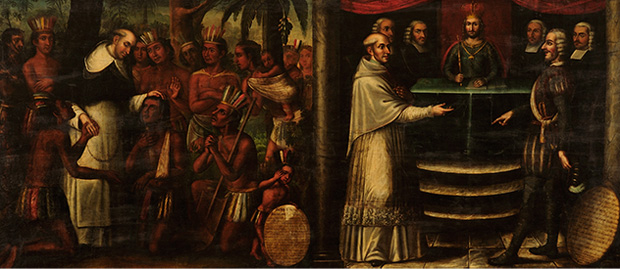 Painting
Secondary source
16th century (uncertain; later illustration)
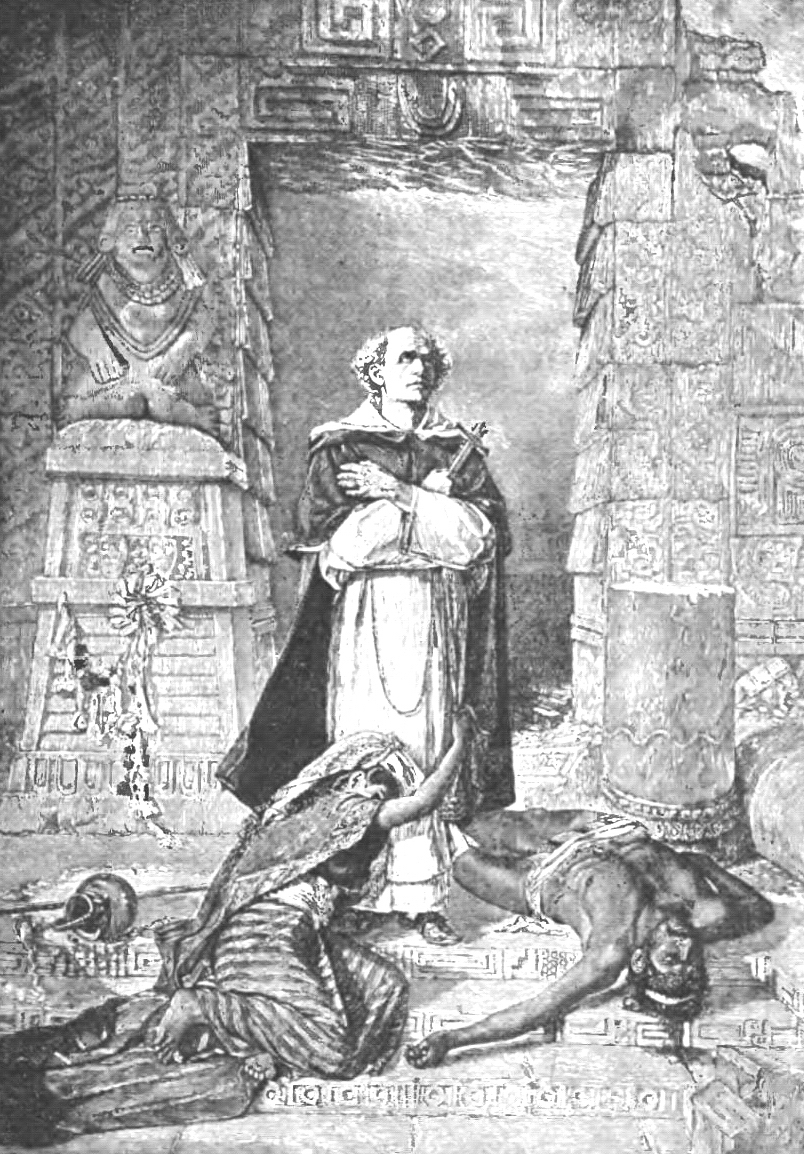 Painting
Secondary source
William Henry Bishop · 1900
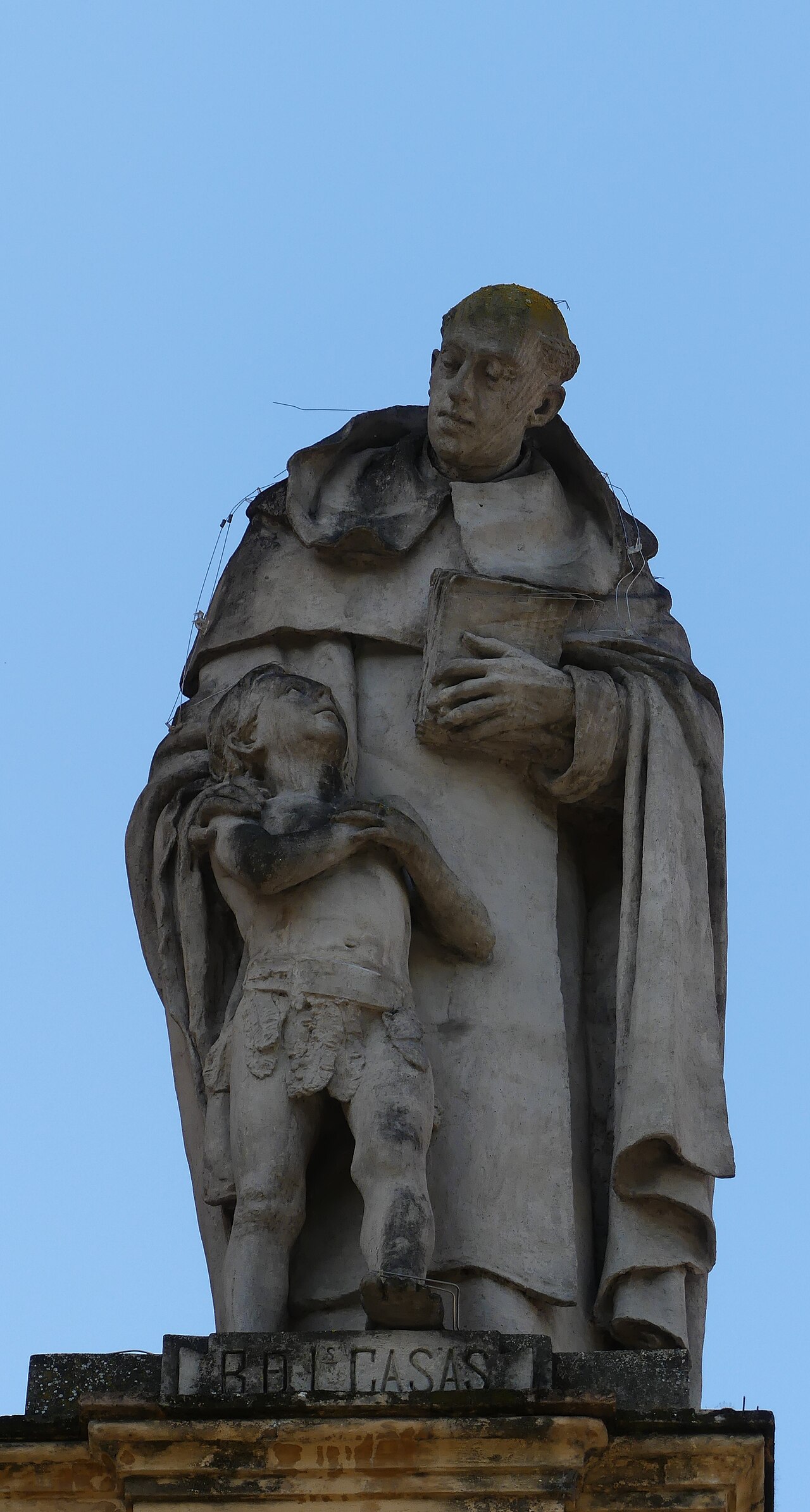 Photograph
Secondary source
CarlosVdeHabsburgo · 29 May 2023 (photograph)
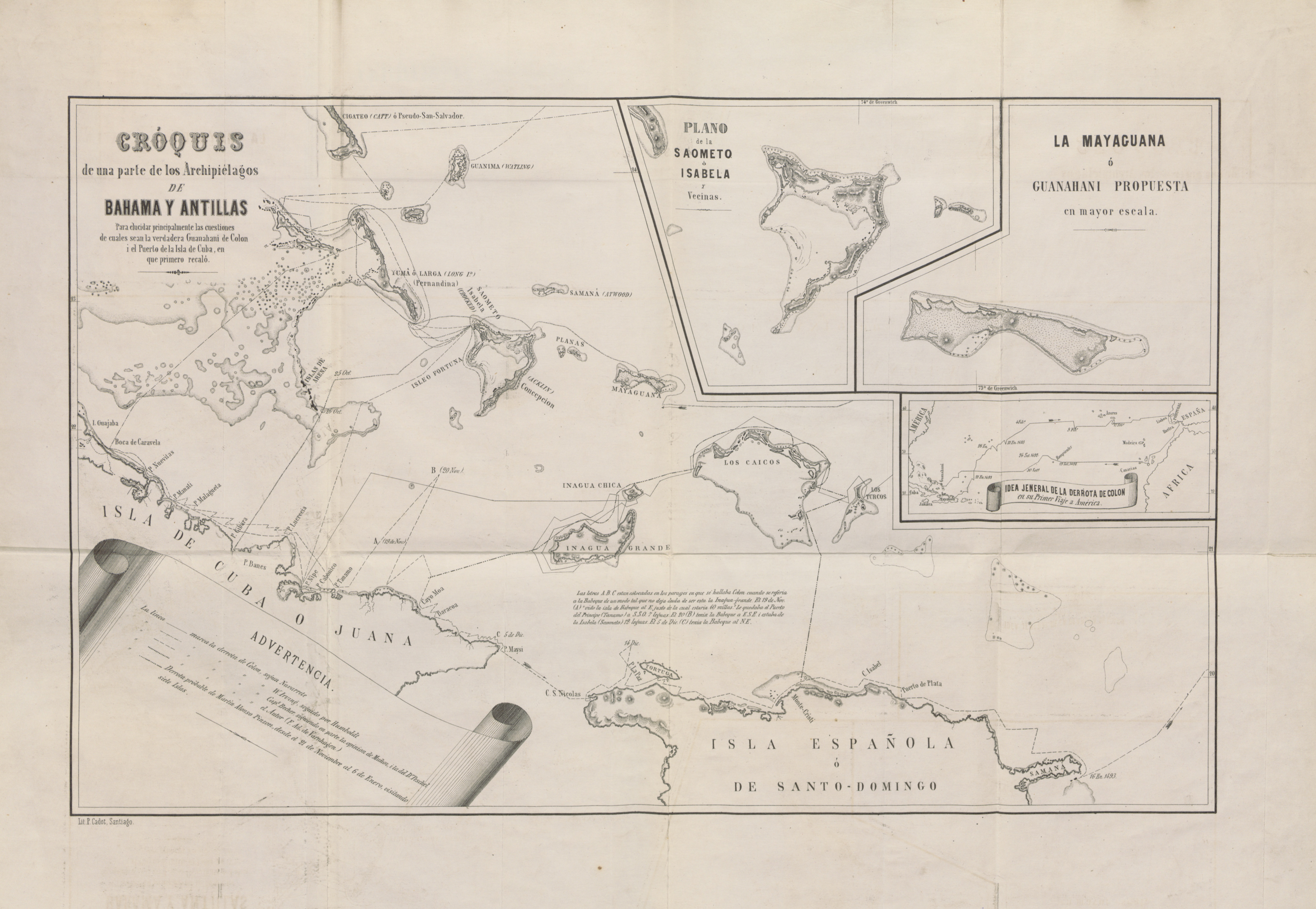 Document
Secondary source
1864
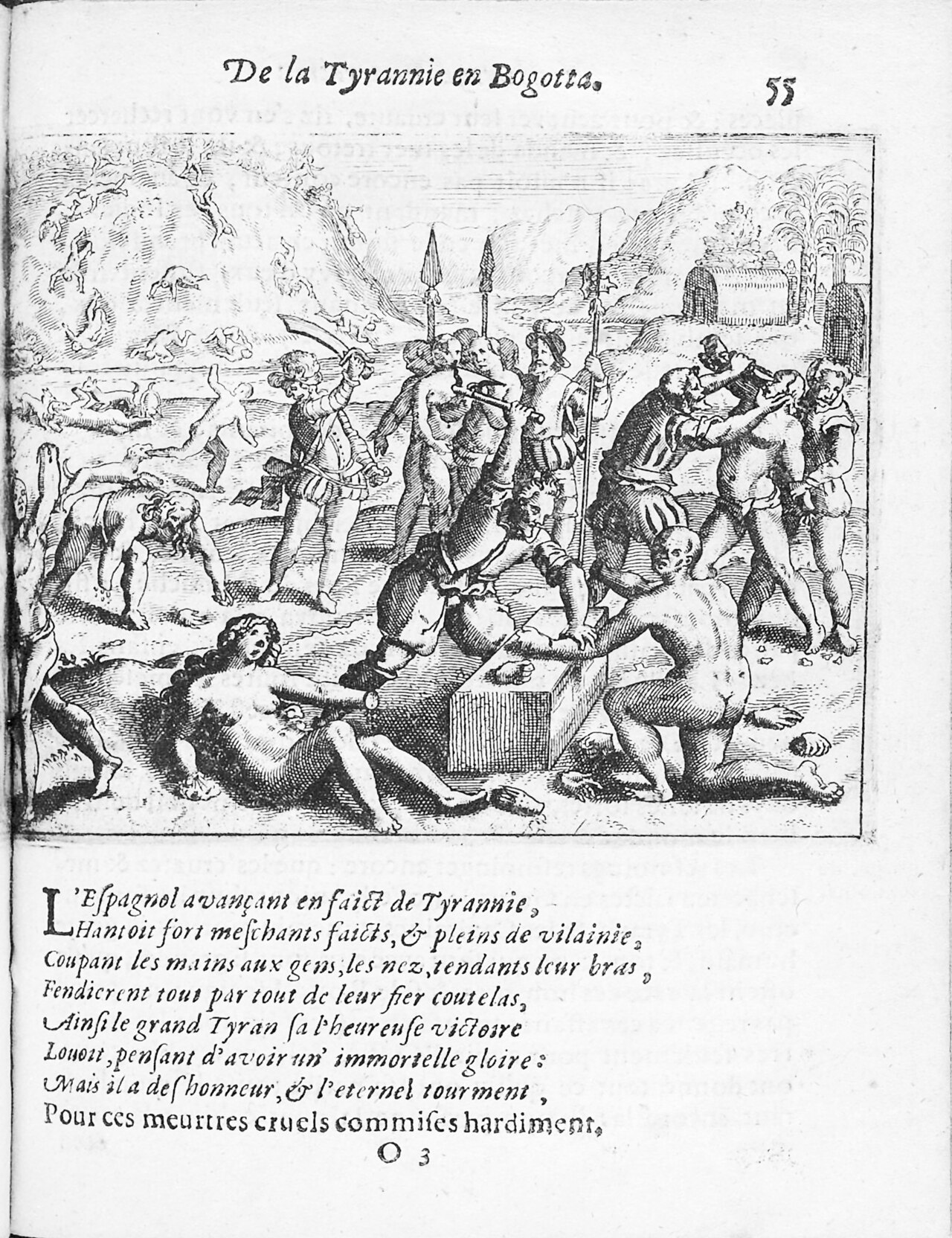 Book
Secondary source
Johannes Gysius (attributed to Bartolomé de las Casas) · 1620
 Document
Tertiary source
Ignasi · 2 March 2017
Want the full shelf? Chat with Bartolomé de las Casas in the app and open the Sources panel — every quote links back to the original.
1 collection
A ready-made collection from the Humy team that features Bartolomé de las Casas. Preview it, then try it free.
Paying customers



























Dr. Michael Calvert
Assistant Superintendent, South Allegheny School District, Pennsylvania
Been using Humy in his district since 2024
“We enjoyed the program last year and used it frequently.”

Jacob Chisom
World and American History, Monticello High School, Arkansas
Been using Humy in his classroom since 2024
“My students say it’s a welcome change of pace. I’m not a fan of the “sage on the stage” model, so I try to incorporate research-oriented and self-paced activities. With Humy, students have to take charge of their learning. They’ve become more adept at critical thinking, forming better questions, and improving their reading comprehension. The interview feature has been my go-to tool. I create assignments where students must ask historical figures a set number of questions, then summarize the responses to ensure they’re truly absorbing the material. This approach lets them actively explore the past rather than passively consuming information.”
Roger Campbell
7th-grade World History, Lancaster County, Pennsylvania
Been using Humy in his classroom since 2024
“Humy has helped me bring historical figures, sometimes long past, to life. When my students interact with these figures in real-time, it eliminates some of the perceived “ancient” characteristics of my curriculum. This has shifted my students’ thinking away from viewing history as abstract or irrelevant. Real-time interactions make historical figures relatable, even allowing students to ask off-topic questions that help put historical lives in a more relevant context for 13-year-olds. The feature I use the most is the interview feature. After teaching a topic, most recently Gandhi and Joan of Arc, I have the students ask pointed, focused questions. We practice good conversation techniques beforehand, teaching them to listen (or read) carefully and formulate thoughtful follow-up questions rather than just interrogating. It helps students practice effective conversation skills.”
Dr. Michael Calvert
Assistant Superintendent, South Allegheny School District, Pennsylvania
Been using Humy in his district since 2024
“We enjoyed the program last year and used it frequently.”
Jacob Chisom
World and American History, Monticello High School, Arkansas
Been using Humy in his classroom since 2024
“My students say it’s a welcome change of pace. I’m not a fan of the “sage on the stage” model, so I try to incorporate research-oriented and self-paced activities. With Humy, students have to take charge of their learning. They’ve become more adept at critical thinking, forming better questions, and improving their reading comprehension. The interview feature has been my go-to tool. I create assignments where students must ask historical figures a set number of questions, then summarize the responses to ensure they’re truly absorbing the material. This approach lets them actively explore the past rather than passively consuming information.”
Roger Campbell
7th-grade World History, Lancaster County, Pennsylvania
Been using Humy in his classroom since 2024
“Humy has helped me bring historical figures, sometimes long past, to life. When my students interact with these figures in real-time, it eliminates some of the perceived “ancient” characteristics of my curriculum. This has shifted my students’ thinking away from viewing history as abstract or irrelevant. Real-time interactions make historical figures relatable, even allowing students to ask off-topic questions that help put historical lives in a more relevant context for 13-year-olds. The feature I use the most is the interview feature. After teaching a topic, most recently Gandhi and Joan of Arc, I have the students ask pointed, focused questions. We practice good conversation techniques beforehand, teaching them to listen (or read) carefully and formulate thoughtful follow-up questions rather than just interrogating. It helps students practice effective conversation skills.”
FAQ
Like any LLM, the AI version of Bartolomé de las Casas can get details wrong. Open one of these sources in a new tab to verify what you’ve read.

Puritan religious dissident in colonial America.

Renowned Mexican nun, writer, and philosopher.

French explorer and cartographer, known as the "Father of New France.

Pilgrim leader and second governor of the Plymouth Colony.

Paramount chief of Tsenacommacah, father of Pocahontas.

Explorer who completed four voyages across the Atlantic Ocean, opening the way for widespread European exploration and the eventual conquest of the Americas.
Ready when you are
20 messages free · No credit card · Available in 50+ languages.