


Primary sourceDocument2 June 1537
Sublimis Deus
Paul III · 2 June 1537
Pope Paul III's 1537 bull declaring Indigenous peoples rational and free, a text Las Casas cited in his campaigns against enslavement.
Las Casas's writings helped prompt this bull, which he later cited in his campaigns for Indigenous rights.
About this source
What it is
Sublimis Deus is a papal bull issued by Pope Paul III on 2 June 1537. It declares that Indigenous peoples of the Americas are fully rational human beings with rights to freedom and property, and forbids their enslavement.
Why it matters
The bull grew out of a council of missionaries in Mexico, including Bartolomé de las Casas, Archbishop Juan de Zumárraga, and Bishop Julián Garcés, who sent a recommendation to Rome based partly on Las Casas's own writings on converting Indigenous peoples. Its principles influenced Spain's New Laws and the Valladolid debate, though colonists often ignored them. It shows how churchmen like Las Casas tried to use religious authority to challenge the treatment of Indigenous peoples.
Look closer
- Why might a religious argument be used to oppose slavery rather than a political or economic one?
- Who had the power to enforce (or ignore) a document like this?
- What does it tell us that Las Casas's writings helped shape an official Church statement?
This document is part of the curated material that grounds the AI version of Bartolomé de las Casas on Humy.ai — when students ask about related events, the AI can quote it and cite it.
More Bartolomé de las Casas sources
Meet the AI Bartolomé de las Casas →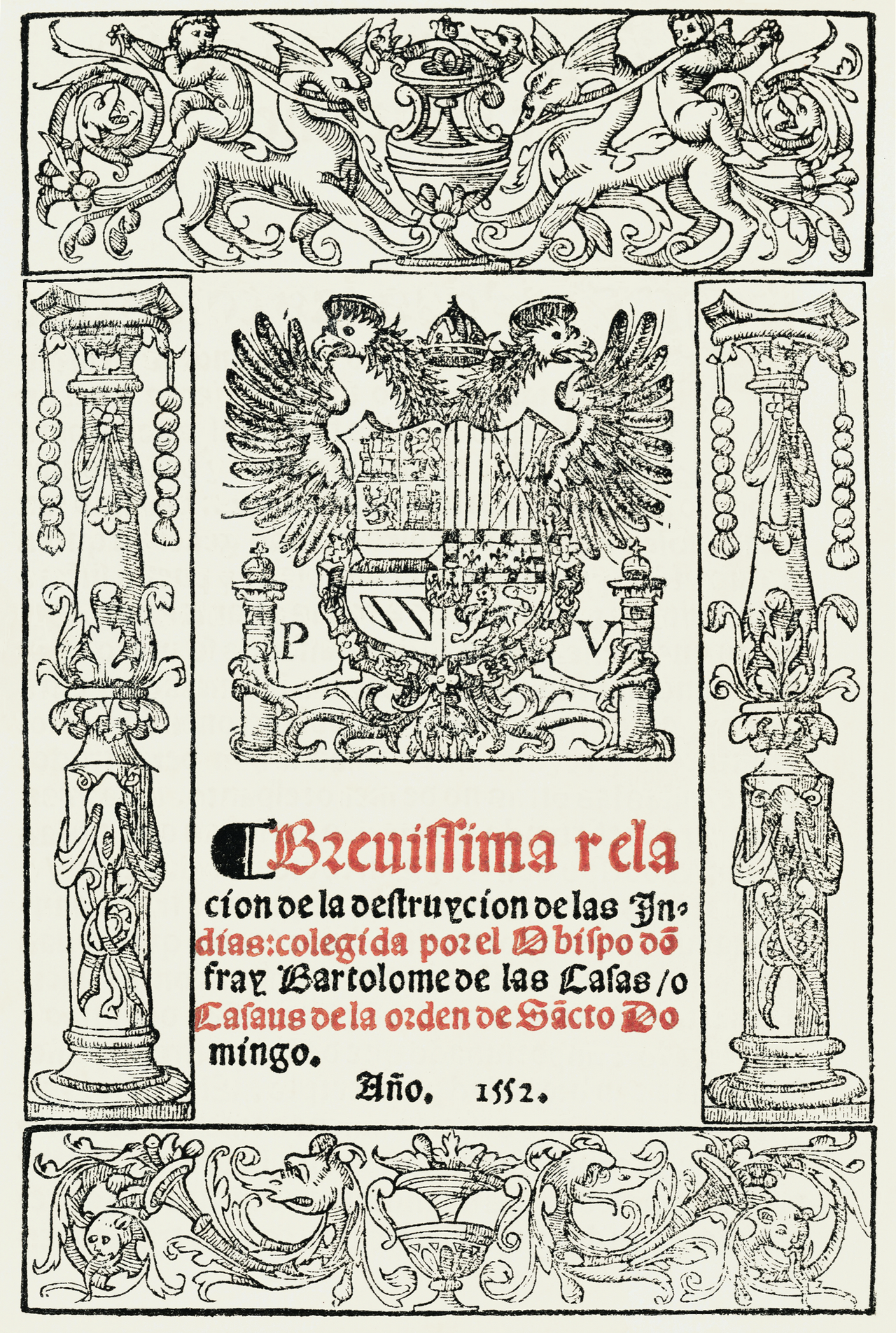 Book
Secondary source
A Short Account of the Destruction of the Indies
Bartolomé de las Casas · 1552
 Document
Primary source
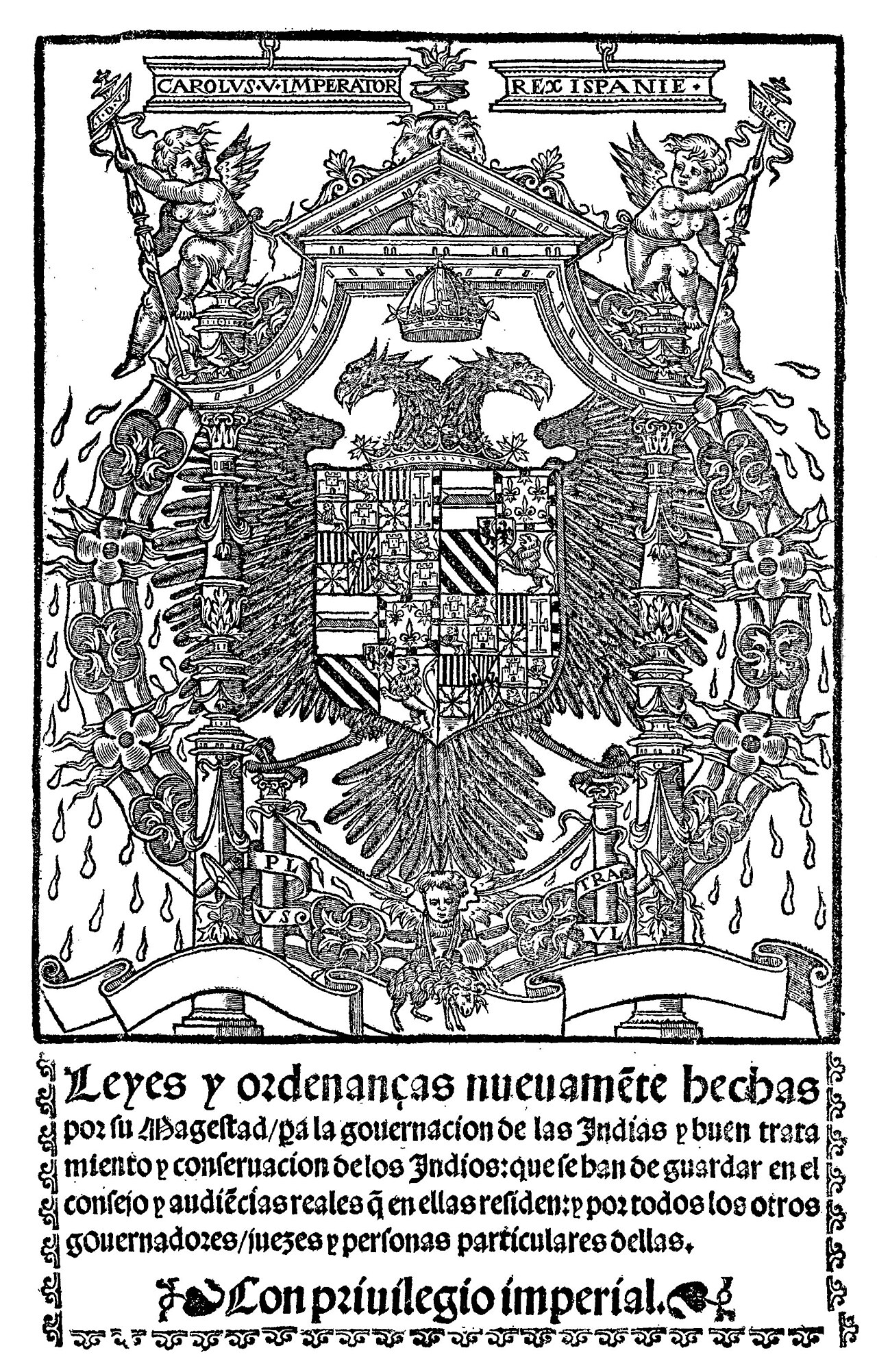
New Laws of 1542
Charles V, Holy Roman Emperor · 20 November 1542
 Painting
Secondary source
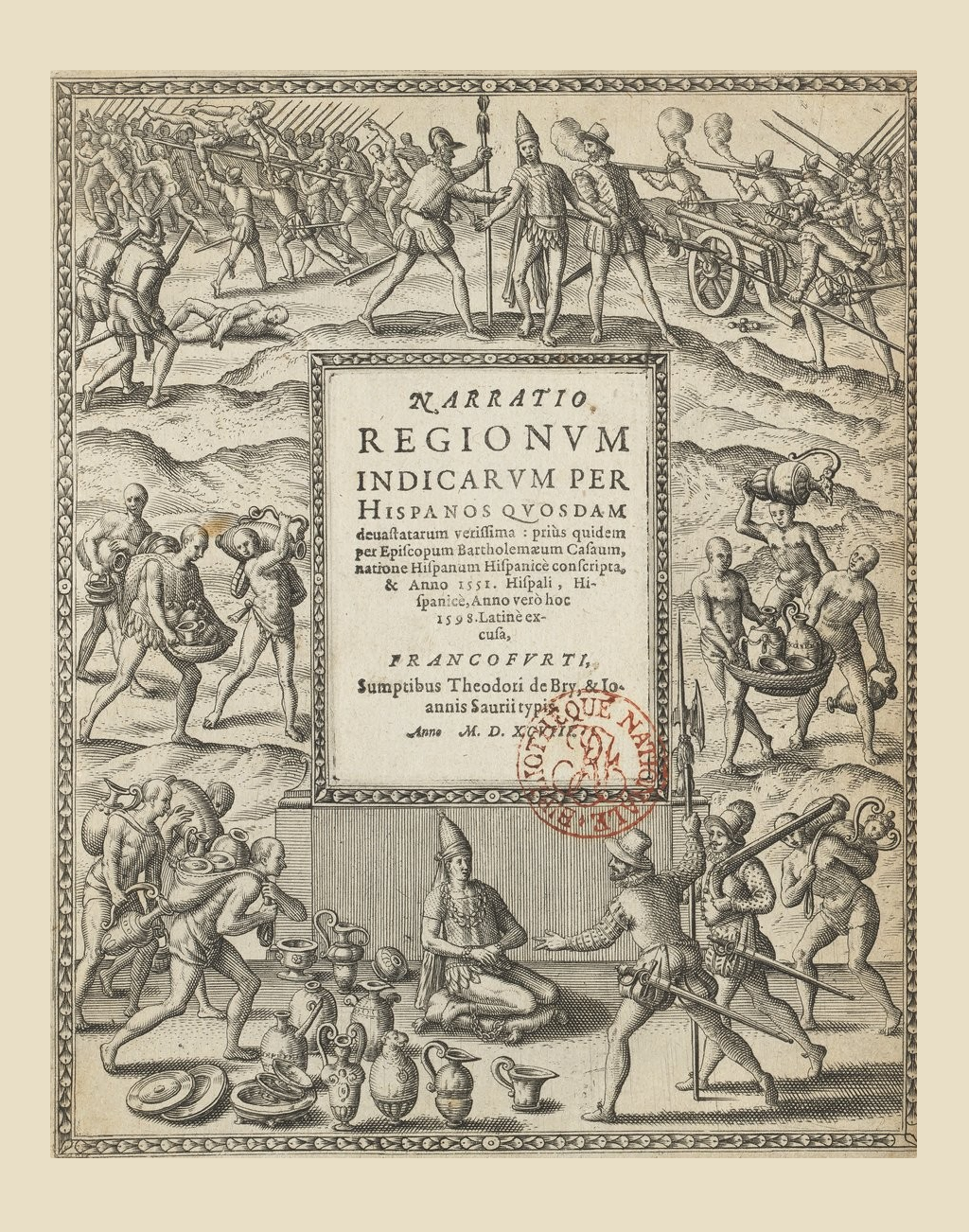
Narratio regionum Indicarum per Hispanos quosdam devastatarum verissima
Bartolomé de las Casas · 1598
 Book
Primary source
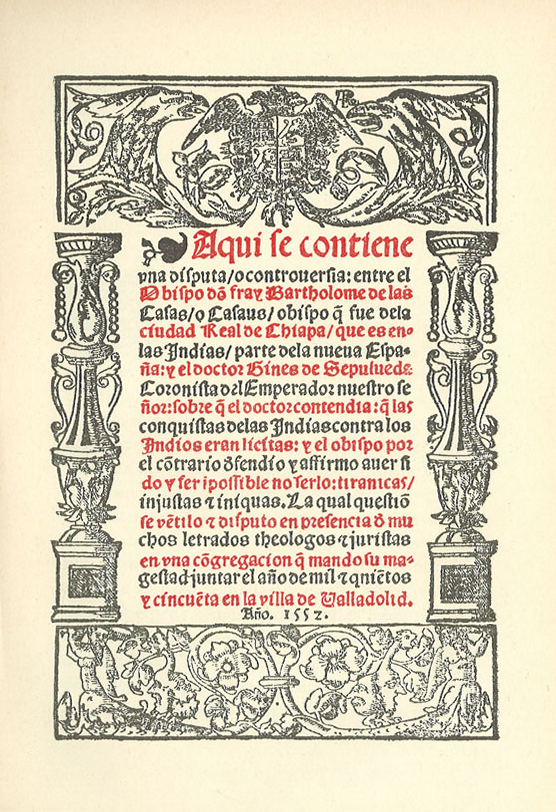
Disputa o controversia con Ginés de Sepúlveda
Bartolomé de las Casas · 1552
 Document
Primary source
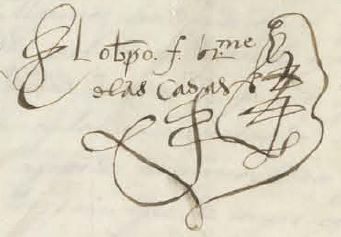
Signature of Bartolomé de las Casas
Bartolomé de las Casas · November 1559
Ready when you are
Start chatting with Bartolomé de las Casas now.
20 messages free · No credit card · Available in 50+ languages.