


Secondary sourcePainting1620
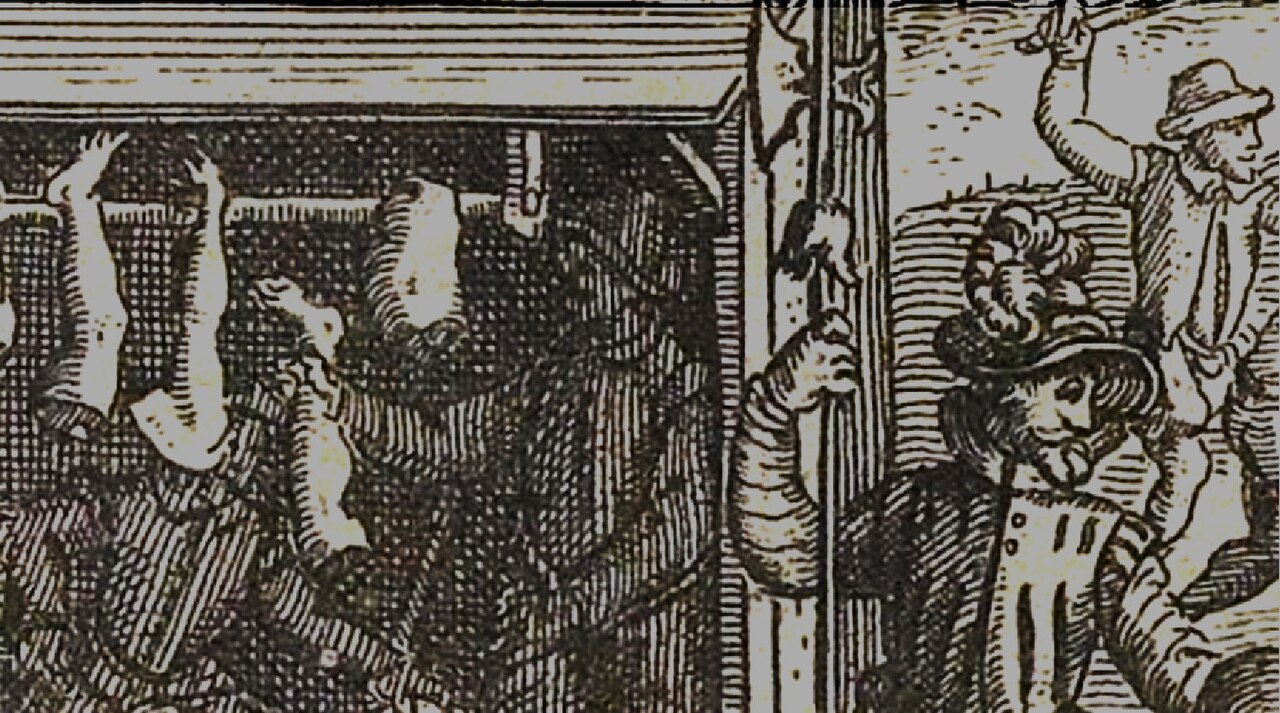
Spaniards Forcing Natives to Eat Human Flesh
Johannes Gysius · 1620
A 1620 engraving, shown as a detail, from the book Le miroir de la cruelle, which is attributed to Las Casas. It depicts Spanish cruelty toward Indigenous people in Guatemala.
Shows how Las Casas's criticism of Spanish cruelty was packaged for European readers after his death, in a book attributed to him.
About this source
What it is
This is a detail of a black-and-white engraving by Johannes Gysius, dated 1620 and published in Holland. It illustrates the book Le miroir de la cruelle, & horrible tyrannie espagnole, which is attributed to Bartolomé de las Casas. The catalogue describes the scene as Spanish conquistadors forcing Indigenous people to eat human flesh in Guatemala in the 1500s. The image shows pale hanging limbs and figures in a crowded, dark scene.
Why it matters
Las Casas wrote about Spanish violence against Indigenous peoples in the Americas, and his reports were used to argue against it. The book was published more than fifty years after his death, however, and it tells its story through strong images made for a European audience. The engraving shows how the Spanish empire's cruelty, and the rivalry with Spain's enemies in the Netherlands, were presented to readers of the time. It reveals as much about how Europeans chose to see the conquest as about the events themselves.
Look closer
- What details in the engraving show violence, and which people are shown as victims and which as attackers?
- Who published this image, and why might a Dutch publisher in 1620 want to show Spanish cruelty?
- What does the picture leave out, such as the voices of the Indigenous people themselves?
This painting is part of the curated material that grounds the AI version of Bartolomé de las Casas on Humy.ai — when students ask about related events, the AI can quote it and cite it.
More Bartolomé de las Casas sources
Meet the AI Bartolomé de las Casas →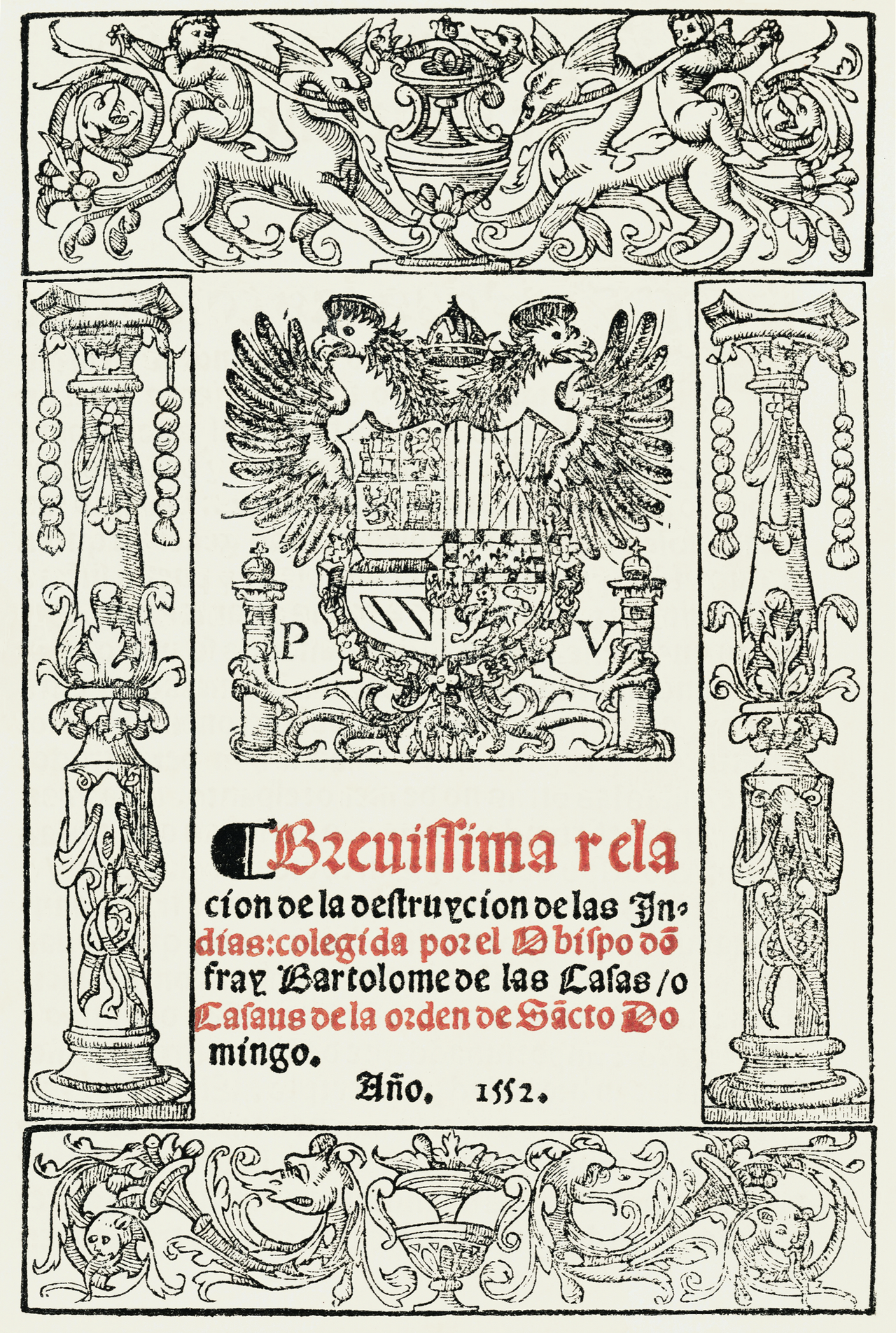 Book
Secondary source
A Short Account of the Destruction of the Indies
Bartolomé de las Casas · 1552
 Document
Primary source
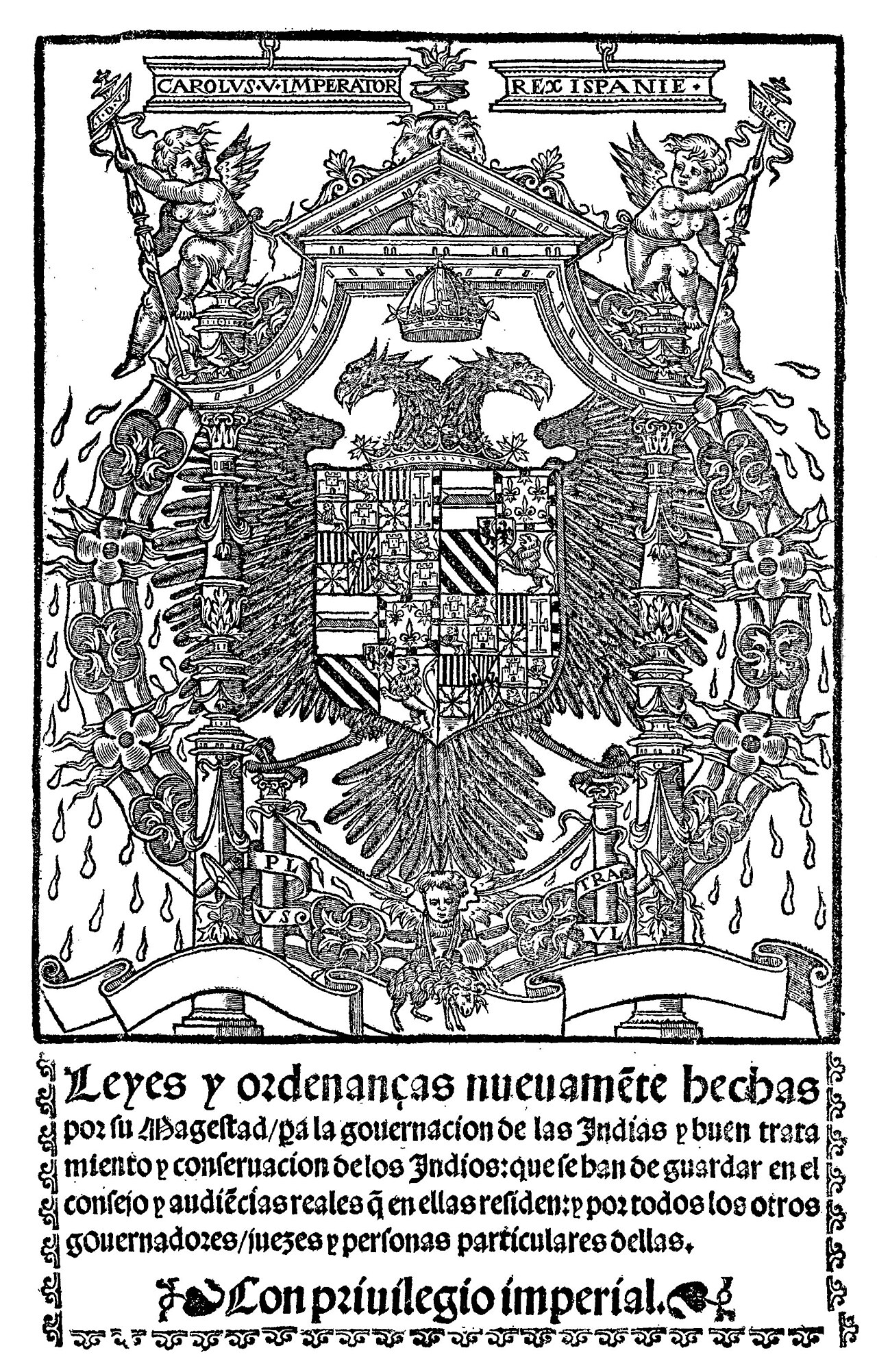
New Laws of 1542
Charles V, Holy Roman Emperor · 20 November 1542
 Painting
Secondary source
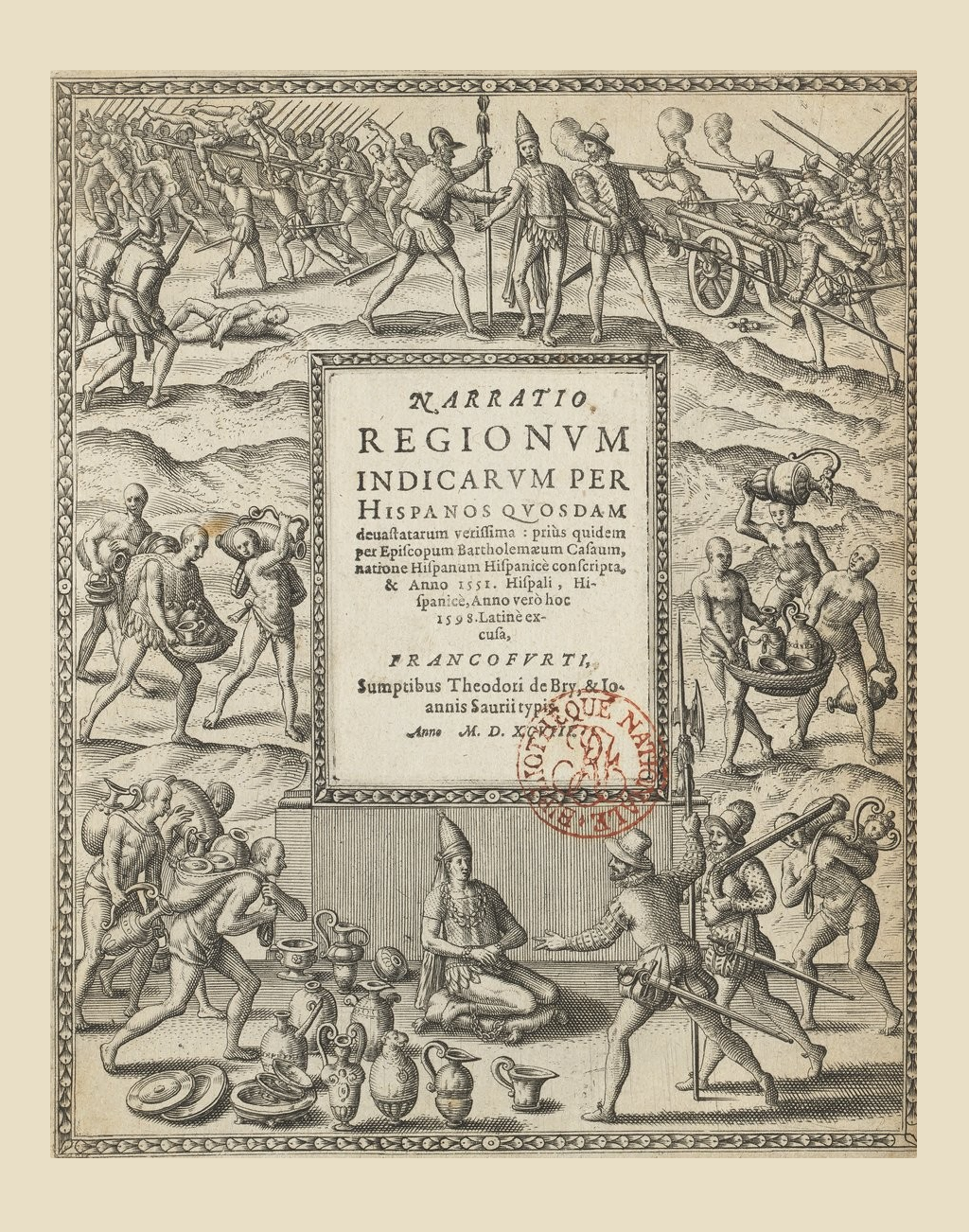
Narratio regionum Indicarum per Hispanos quosdam devastatarum verissima
Bartolomé de las Casas · 1598
 Book
Primary source
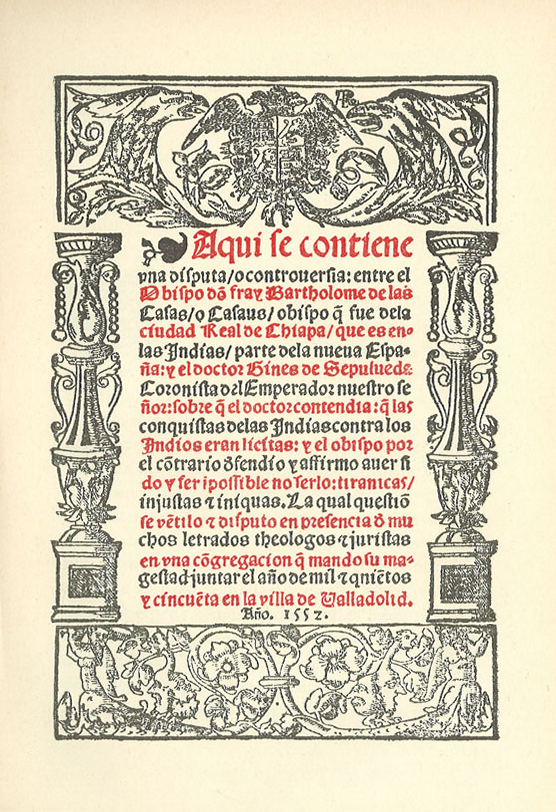
Disputa o controversia con Ginés de Sepúlveda
Bartolomé de las Casas · 1552
 Document
Primary source
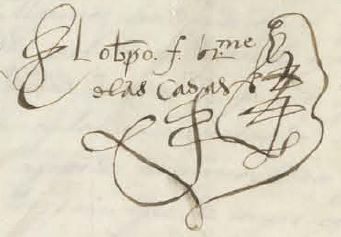
Signature of Bartolomé de las Casas
Bartolomé de las Casas · November 1559
Ready when you are
Start chatting with Bartolomé de las Casas now.
20 messages free · No credit card · Available in 50+ languages.