


Secondary sourcePainting1590s
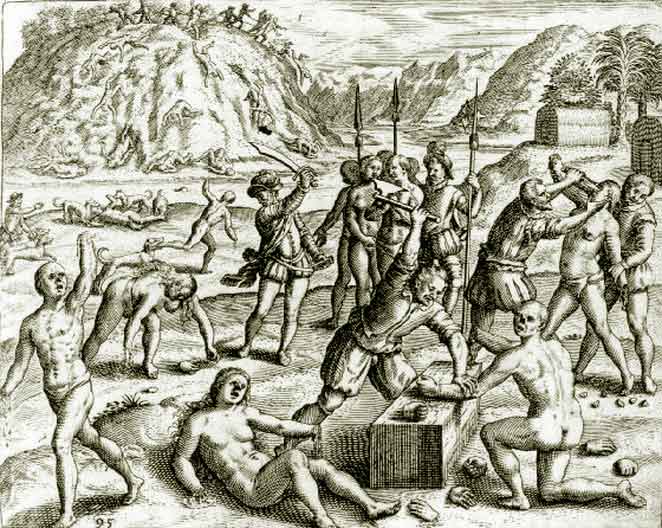
Soldiers Chop Off Arawak Hands
Theodor de Bry · 1590s
A late 16th-century de Bry engraving of a massacre, often linked to the atrocities Las Casas described in his writings.
This engraving depicts the kind of atrocities against Indigenous people that Las Casas documented and denounced.
About this source
What it is
This engraving was made by Theodor de Bry in the 1590s. It illustrates a quotation describing Spanish soldiers mutilating and killing Indigenous people who refused to surrender gold, an event from the 1539 conquest of South America.
Why it matters
Though its popular title connects it to Columbus, the record clarifies the image actually depicts a later massacre during Spanish conquest, the kind of violence Las Casas documented and condemned in his writings such as the Destruction of the Indies. Images like this spread his descriptions of cruelty across Europe, shaping opinions about Spanish colonization.
Look closer
- Why might this image's title be misleading about what it actually shows?
- What does the engraver choose to depict, and why might such scenes have been popular in print?
- How does this image relate to Las Casas's written testimony about similar events?
This painting is part of the curated material that grounds the AI version of Bartolomé de las Casas on Humy.ai — when students ask about related events, the AI can quote it and cite it.
More Bartolomé de las Casas sources
Meet the AI Bartolomé de las Casas →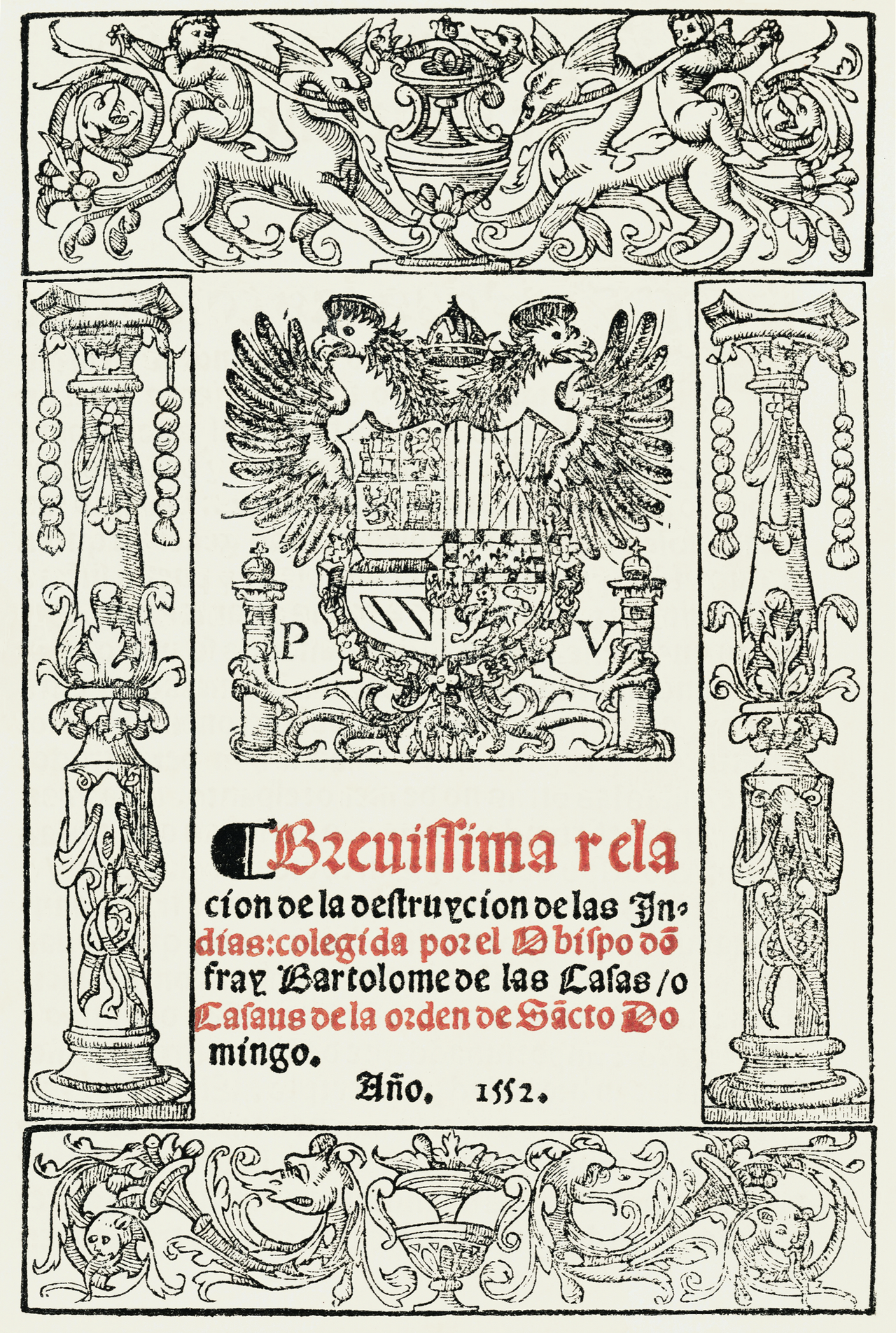 Book
Secondary source
A Short Account of the Destruction of the Indies
Bartolomé de las Casas · 1552
 Document
Primary source
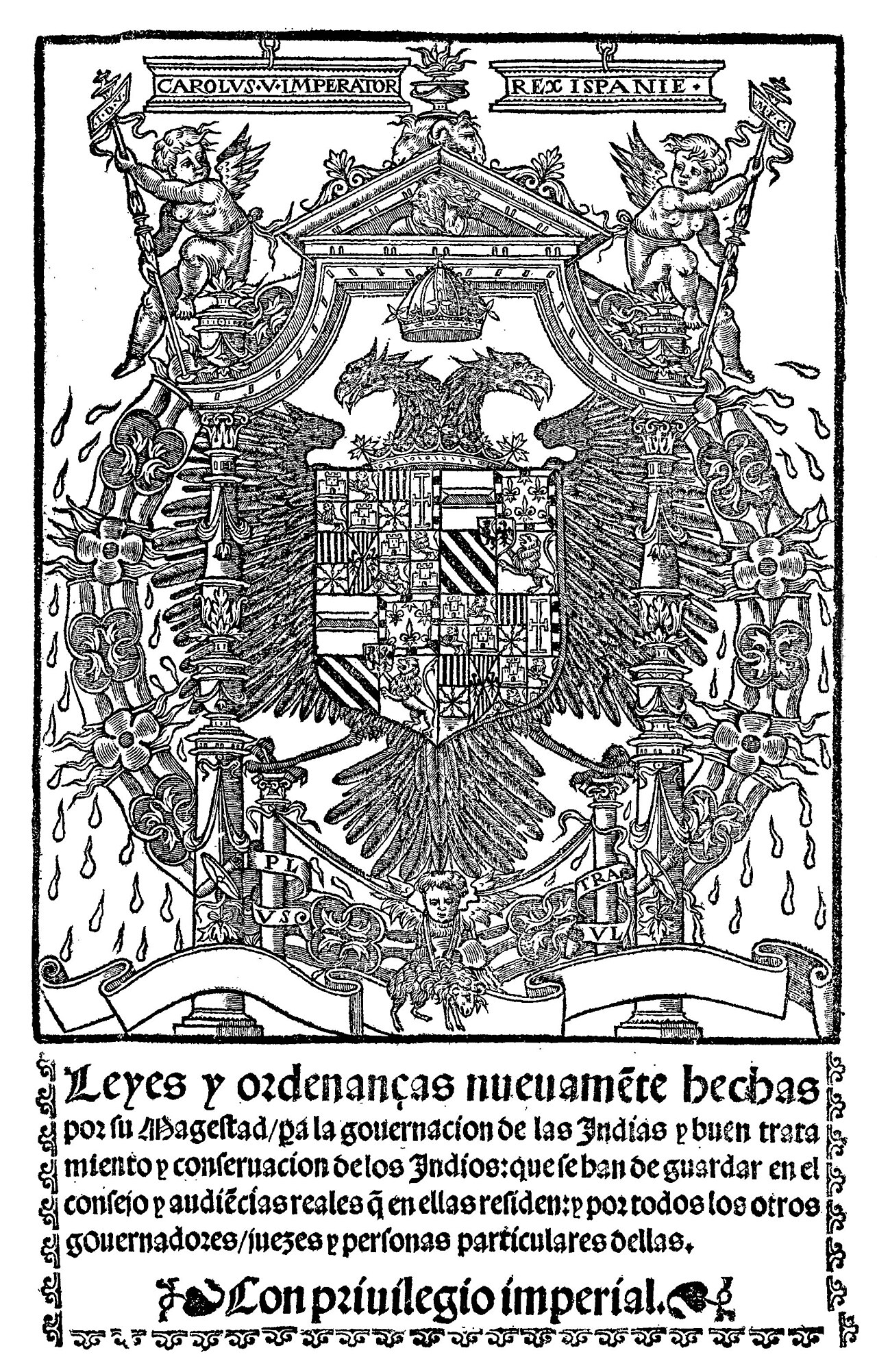
New Laws of 1542
Charles V, Holy Roman Emperor · 20 November 1542
 Painting
Secondary source
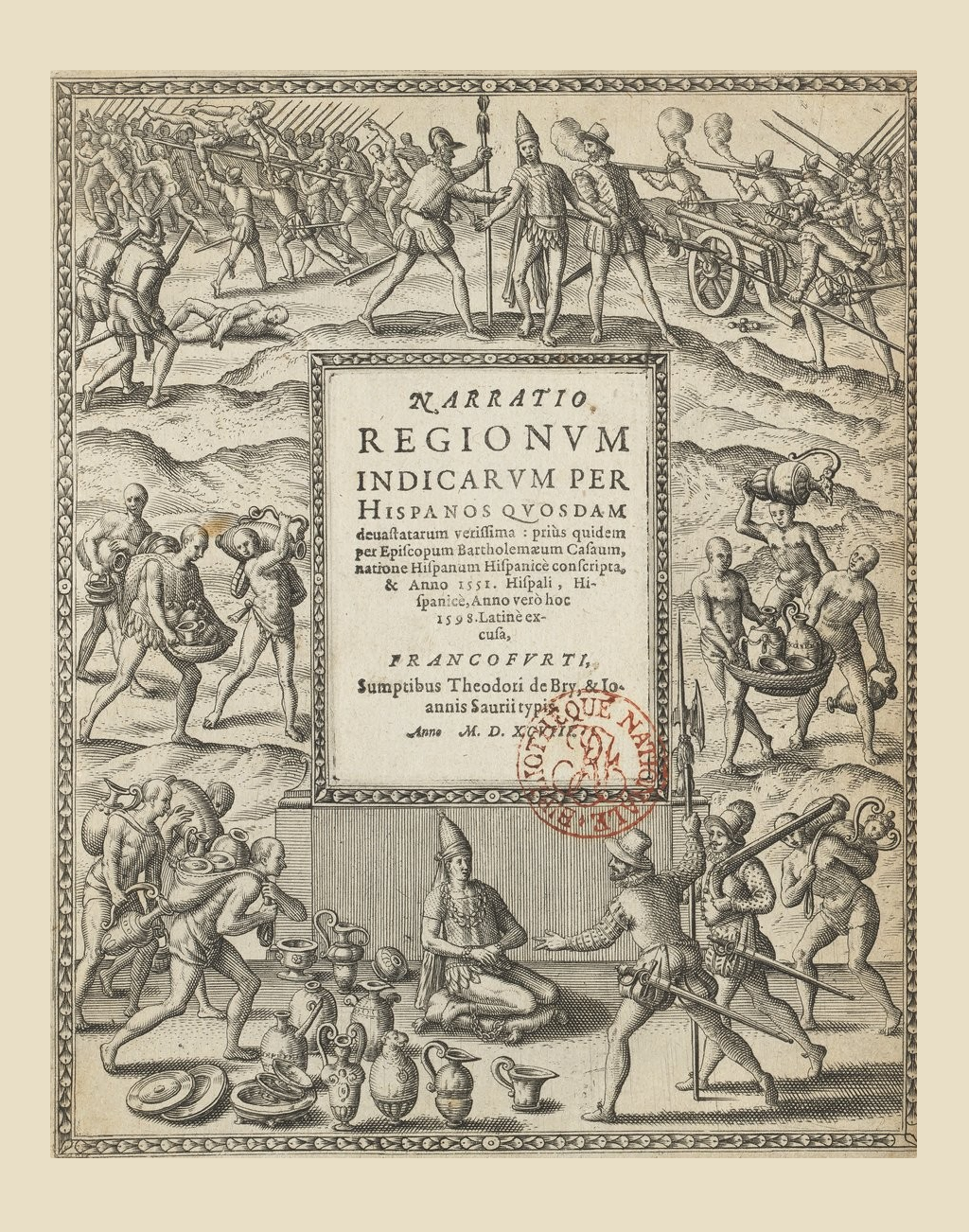
Narratio regionum Indicarum per Hispanos quosdam devastatarum verissima
Bartolomé de las Casas · 1598
 Book
Primary source
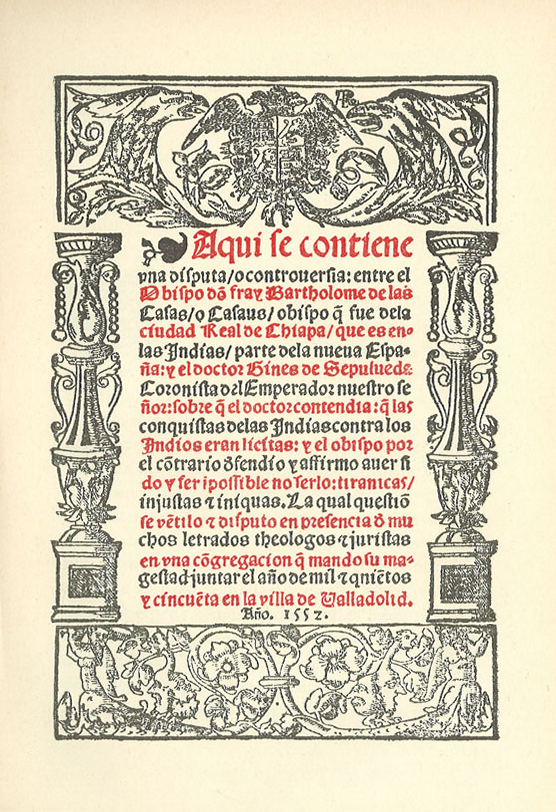
Disputa o controversia con Ginés de Sepúlveda
Bartolomé de las Casas · 1552
 Document
Primary source
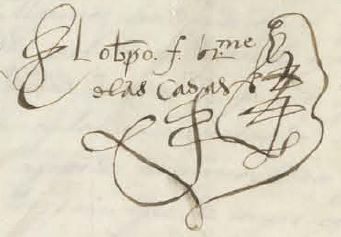
Signature of Bartolomé de las Casas
Bartolomé de las Casas · November 1559
Ready when you are
Start chatting with Bartolomé de las Casas now.
20 messages free · No credit card · Available in 50+ languages.