


Secondary sourceBook1620
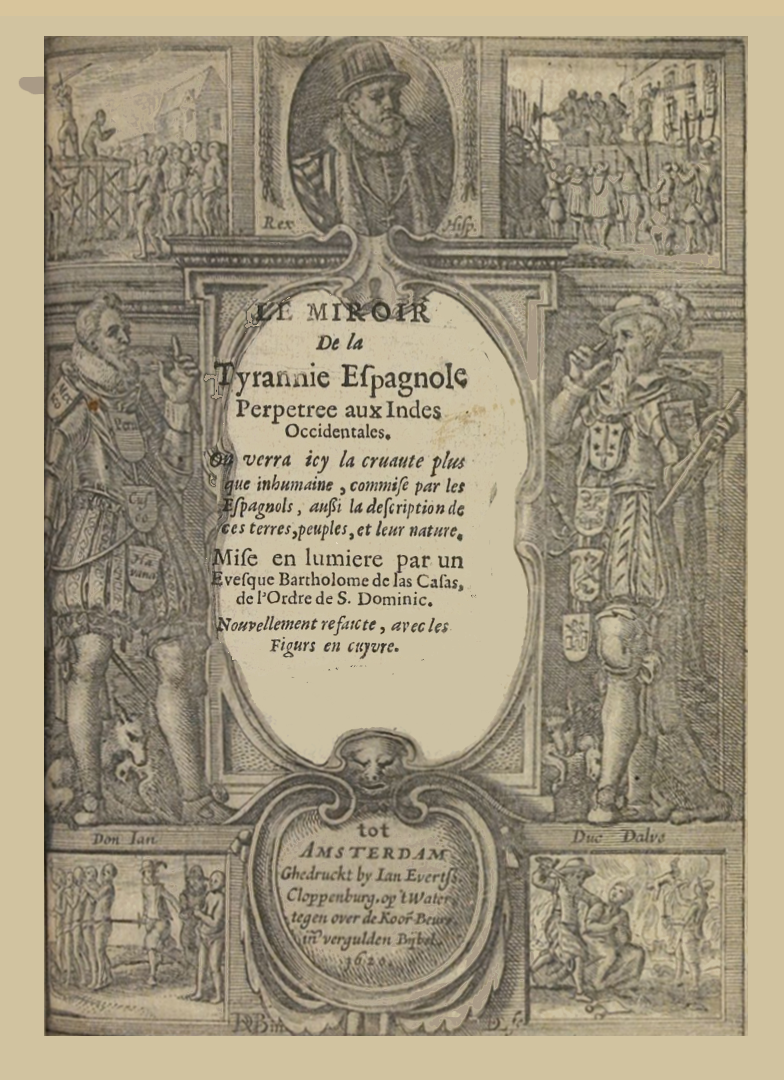
Le miroir de la tyrannie espagnole perpétrée aux Indes occidentales
Attributed to Bartolomé de las Casas (authorship disputed) · 1620
A 1620 French edition of a book attributed to Las Casas, describing Spanish cruelty in the Americas; its authorship is disputed.
It is a 1620 printed edition attributed to Las Casas, so it shows how his name was used to sell accounts of Spanish cruelty.
About this source
What it is
This is the title page of the 1620 Amsterdam edition of Le miroir de la tyrannie espagnole perpétrée aux Indes occidentales, printed by Jan Evertszoon Cloppenburch. The book is a French account of Spanish cruelty in the Americas, and it is attributed to Las Casas. Historians disagree about whether he wrote it. The title page has an engraved frame with a portrait medallion, two armored Spanish figures, and small scenes of violence at the corners. The archive copy is a digital image of this title page from a digital library.
Why it matters
This book shows how accounts of Spanish violence in the Americas were printed and sold in northern Europe in the 1600s. Its title page presents the Spanish as cruel rulers, which made the book useful for readers who opposed Spain. Because the authorship is disputed, it also shows how a famous name could be attached to a book to give it authority. Students can learn from it how reputations and propaganda worked in print.
Look closer
- Who is shown on the title page, and how does the frame suggest the book's message?
- Why might a publisher add a famous author's name to a book, even if the attribution is uncertain?
- What does the title page leave out about the people who suffered the violence it describes?
This book is part of the curated material that grounds the AI version of Bartolomé de las Casas on Humy.ai — when students ask about related events, the AI can quote it and cite it.
More Bartolomé de las Casas sources
Meet the AI Bartolomé de las Casas →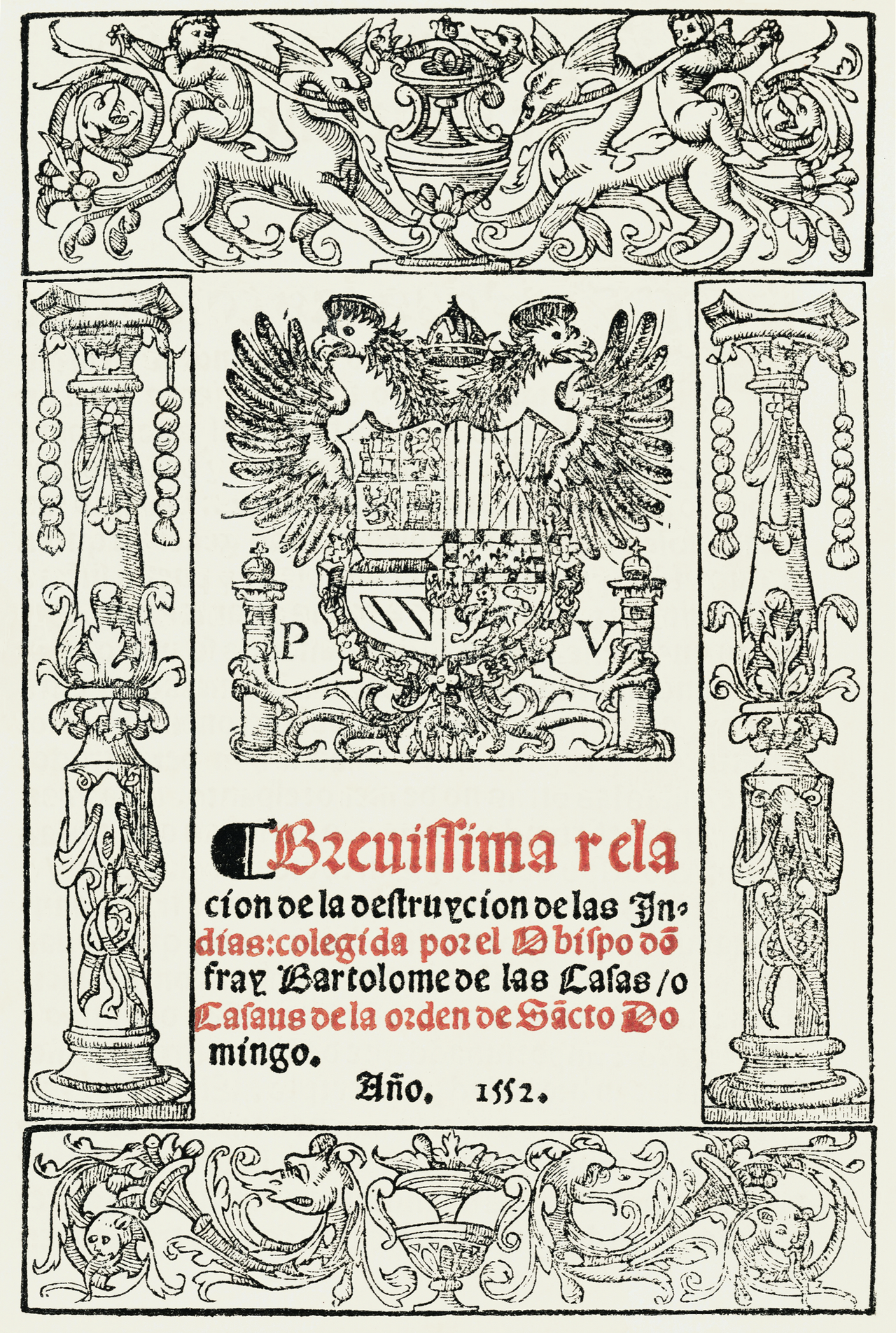 Book
Secondary source
A Short Account of the Destruction of the Indies
Bartolomé de las Casas · 1552
 Document
Primary source
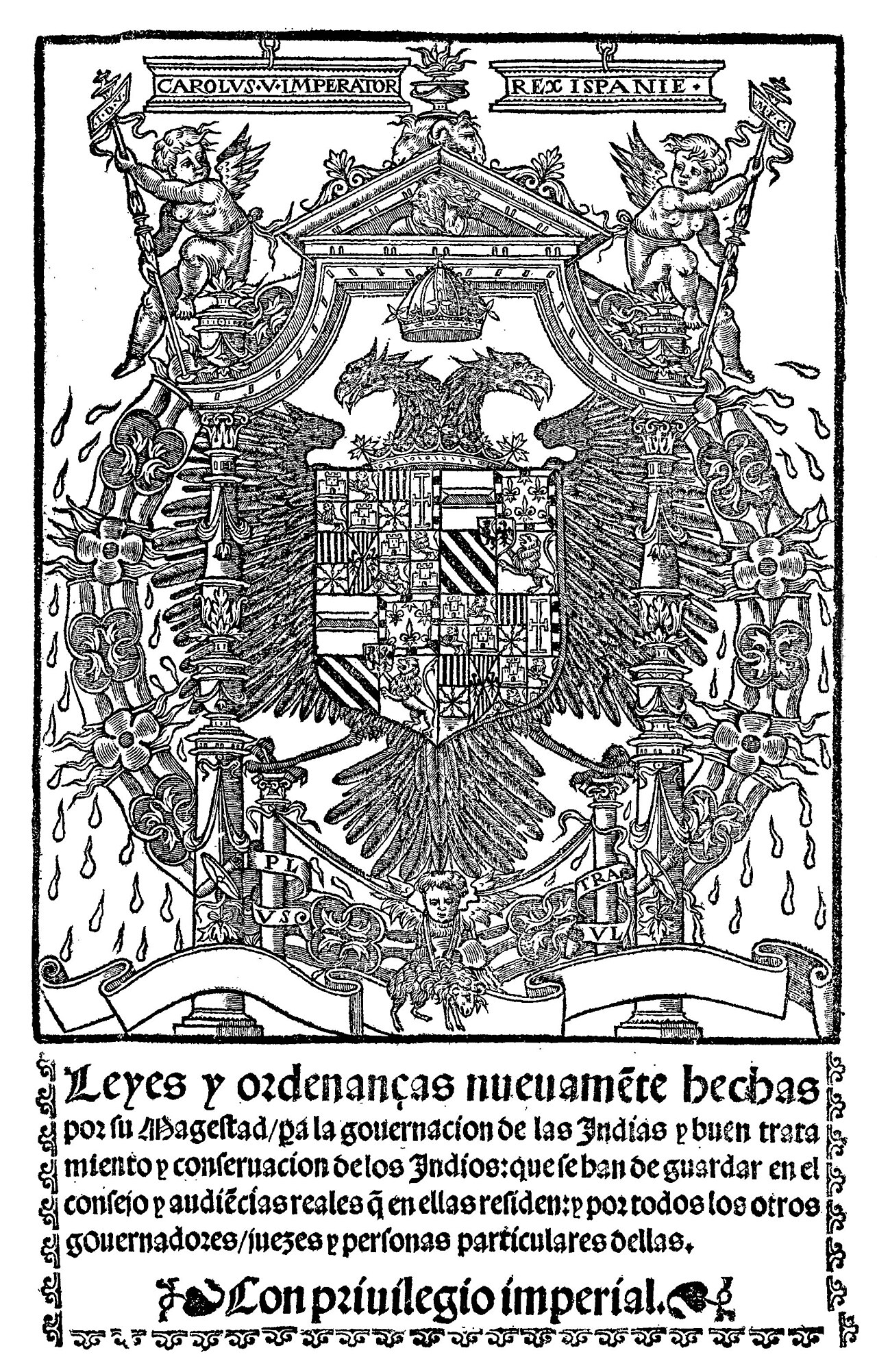
New Laws of 1542
Charles V, Holy Roman Emperor · 20 November 1542
 Painting
Secondary source
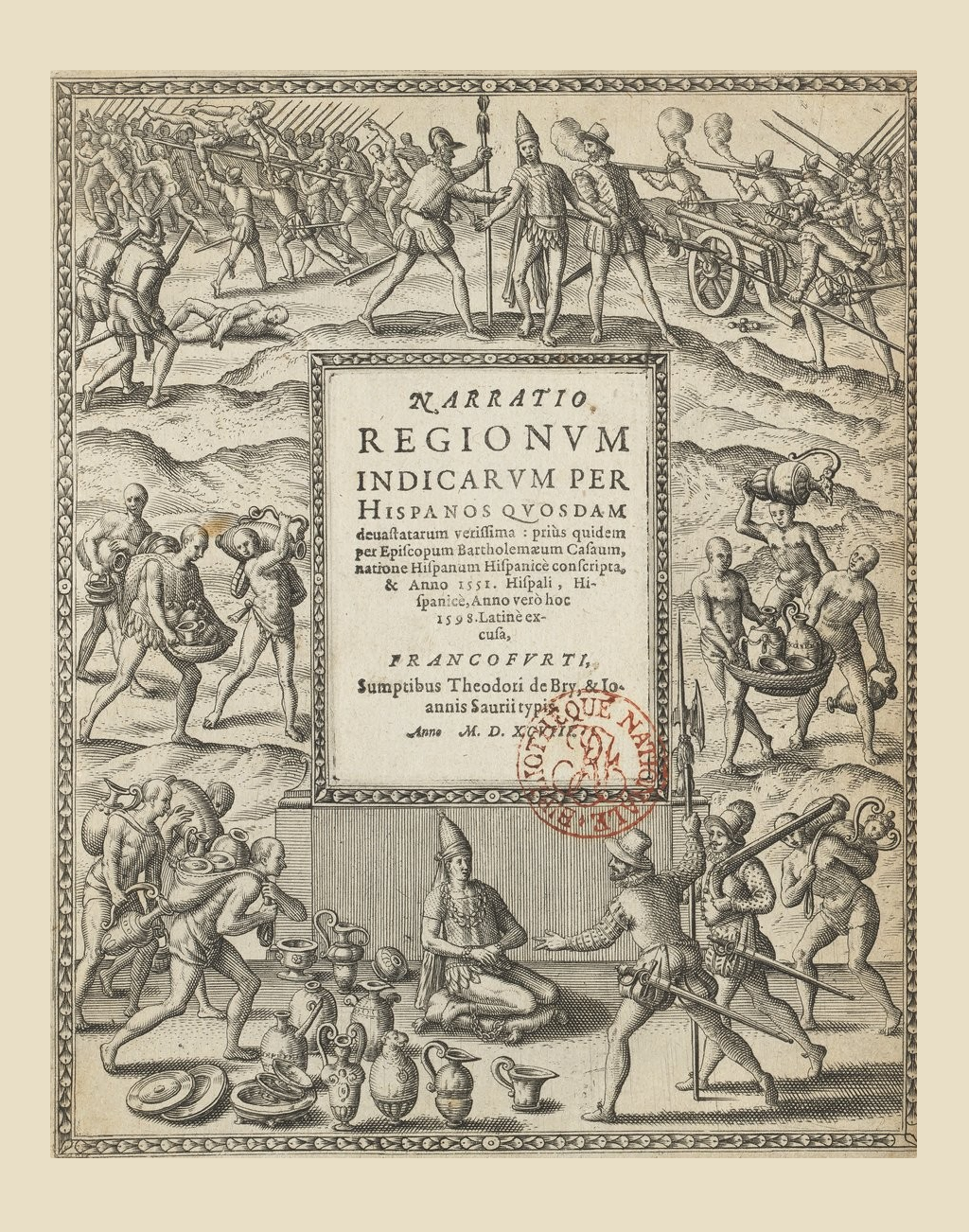
Narratio regionum Indicarum per Hispanos quosdam devastatarum verissima
Bartolomé de las Casas · 1598
 Book
Primary source
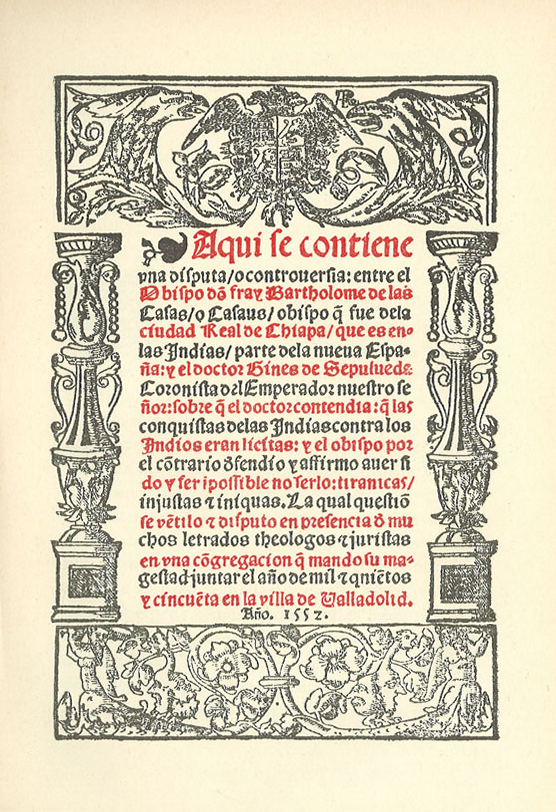
Disputa o controversia con Ginés de Sepúlveda
Bartolomé de las Casas · 1552
 Document
Primary source
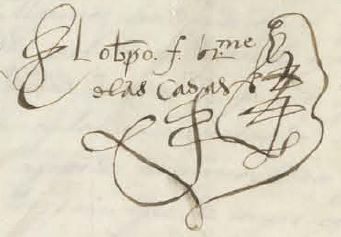
Signature of Bartolomé de las Casas
Bartolomé de las Casas · November 1559
Ready when you are
Start chatting with Bartolomé de las Casas now.
20 messages free · No credit card · Available in 50+ languages.