


Primary sourceArtifactc. 600 BCE
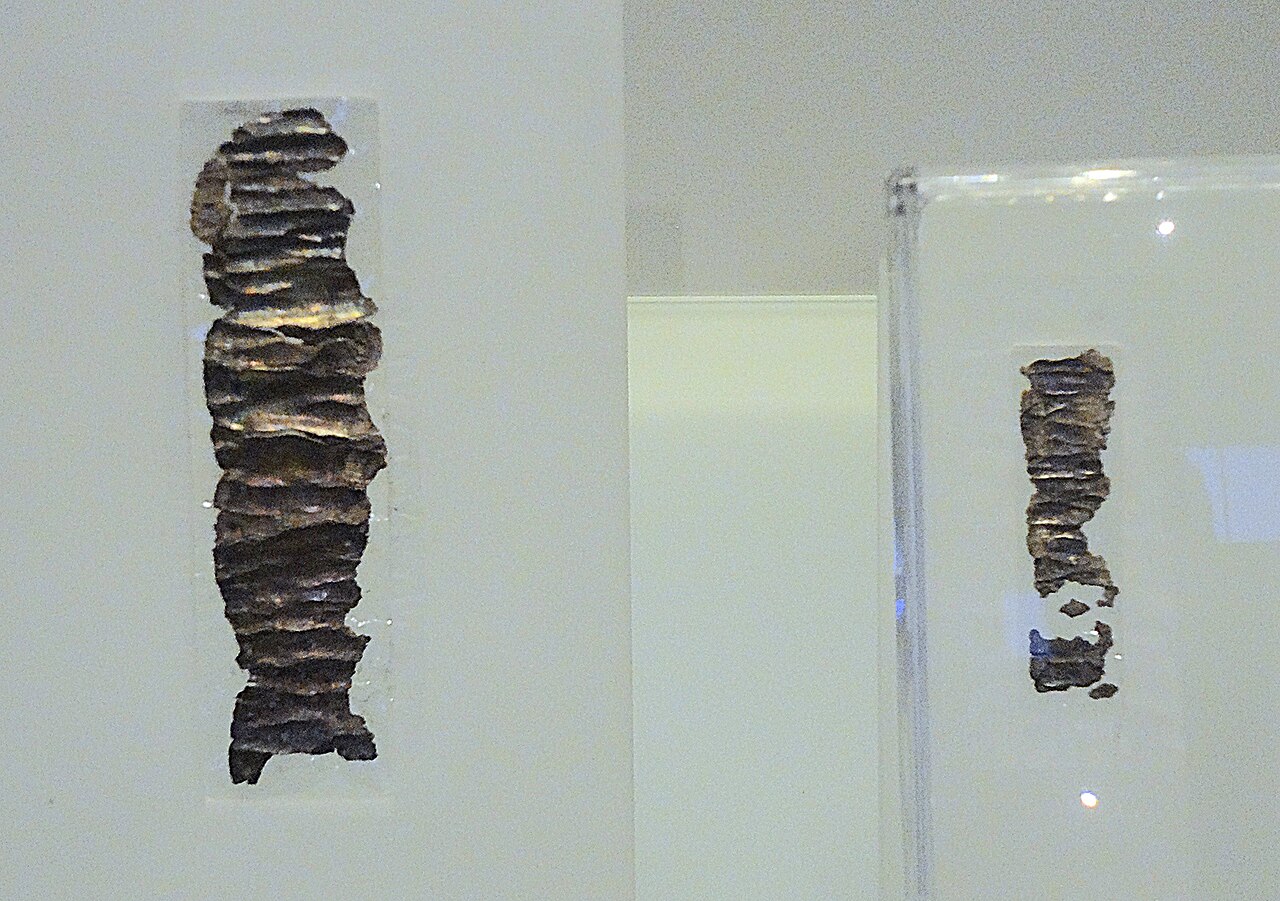
Ketef Hinnom scrolls
c. 600 BCE
Two tiny ancient silver amulets bearing the Priestly Blessing from the Book of Numbers, the oldest surviving text paralleling the books attributed to Moses.
These amulets preserve the earliest known written fragment of text later linked to the Mosaic tradition.
About this source
What it is
These two small silver scrolls were found in 1979 in a burial cave near Jerusalem. Dated to around 600 BCE, they carry fragments of the Priestly Blessing found in the Book of Numbers. They are held today at the Israel Museum.
Why it matters
The scrolls are the oldest known texts that match passages later included in the Hebrew Bible attributed to Moses. They show that at least some wording in those books existed in writing hundreds of years before the Bible as we know it took final shape, giving real archaeological evidence for ideas connected to Moses' tradition rather than relying only on the text itself.
Look closer
- Why might finding an old, independent copy of a blessing matter more to historians than a later copy?
- What does the method of burying blessings with the dead suggest about how people used sacred words?
- How does archaeological evidence like this differ from the evidence of a religious text itself?
This artifact is part of the curated material that grounds the AI version of Moses on Humy.ai — when students ask about related events, the AI can quote it and cite it.
More Moses sources
Browse all 96 →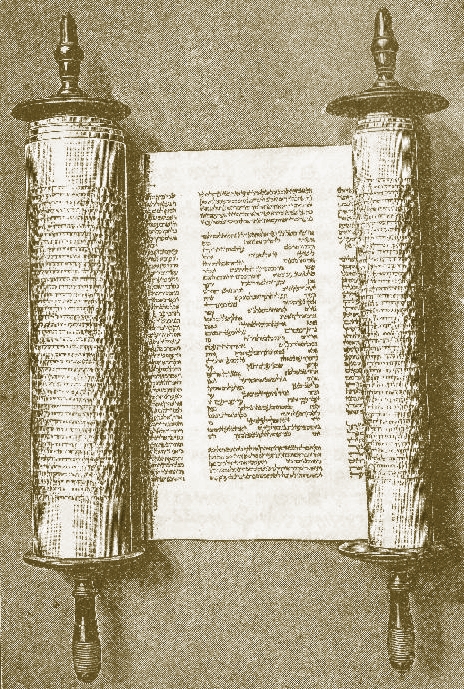 Book
Secondary source
Torah
Traditionally attributed to Moses
 Book
Secondary source
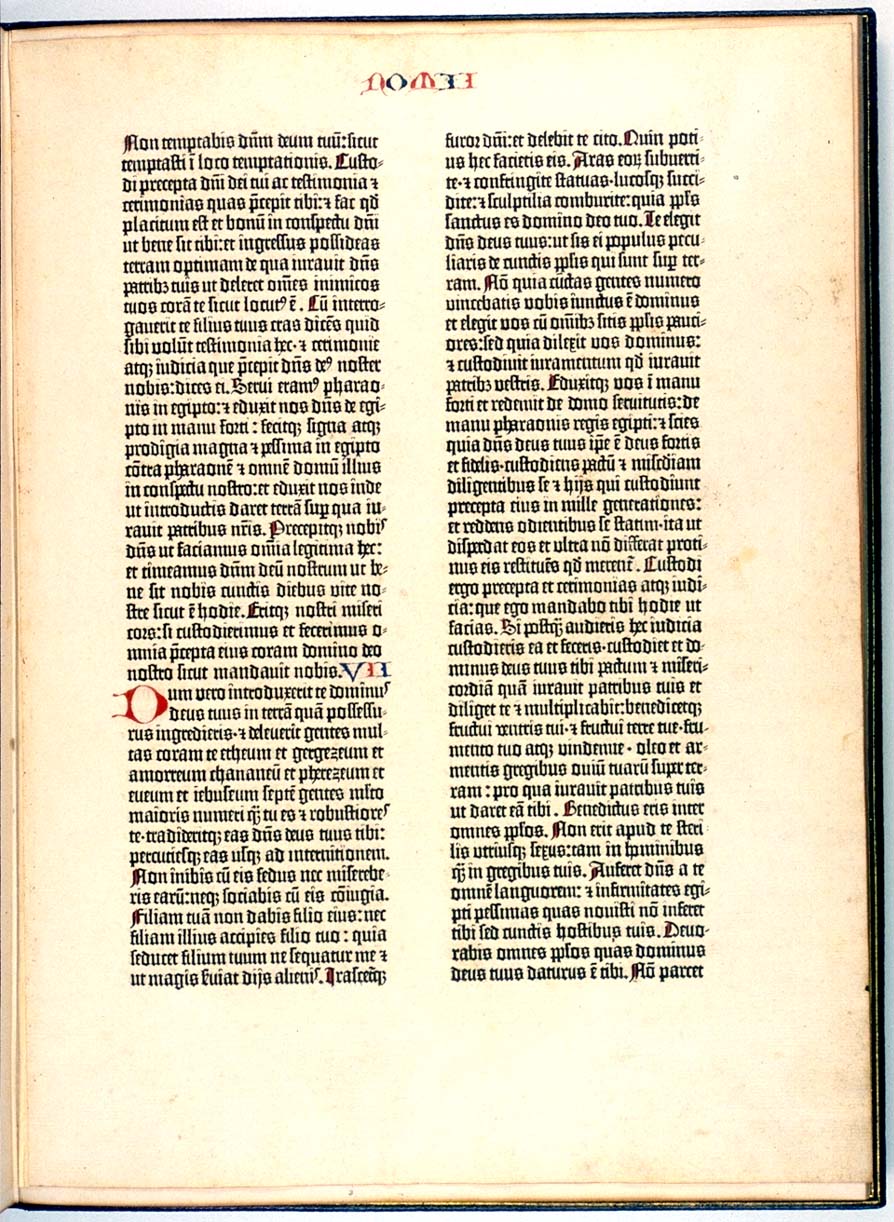
Deuteronomy
Deuteronomist · 7th–5th century BCE
 Book
Secondary source
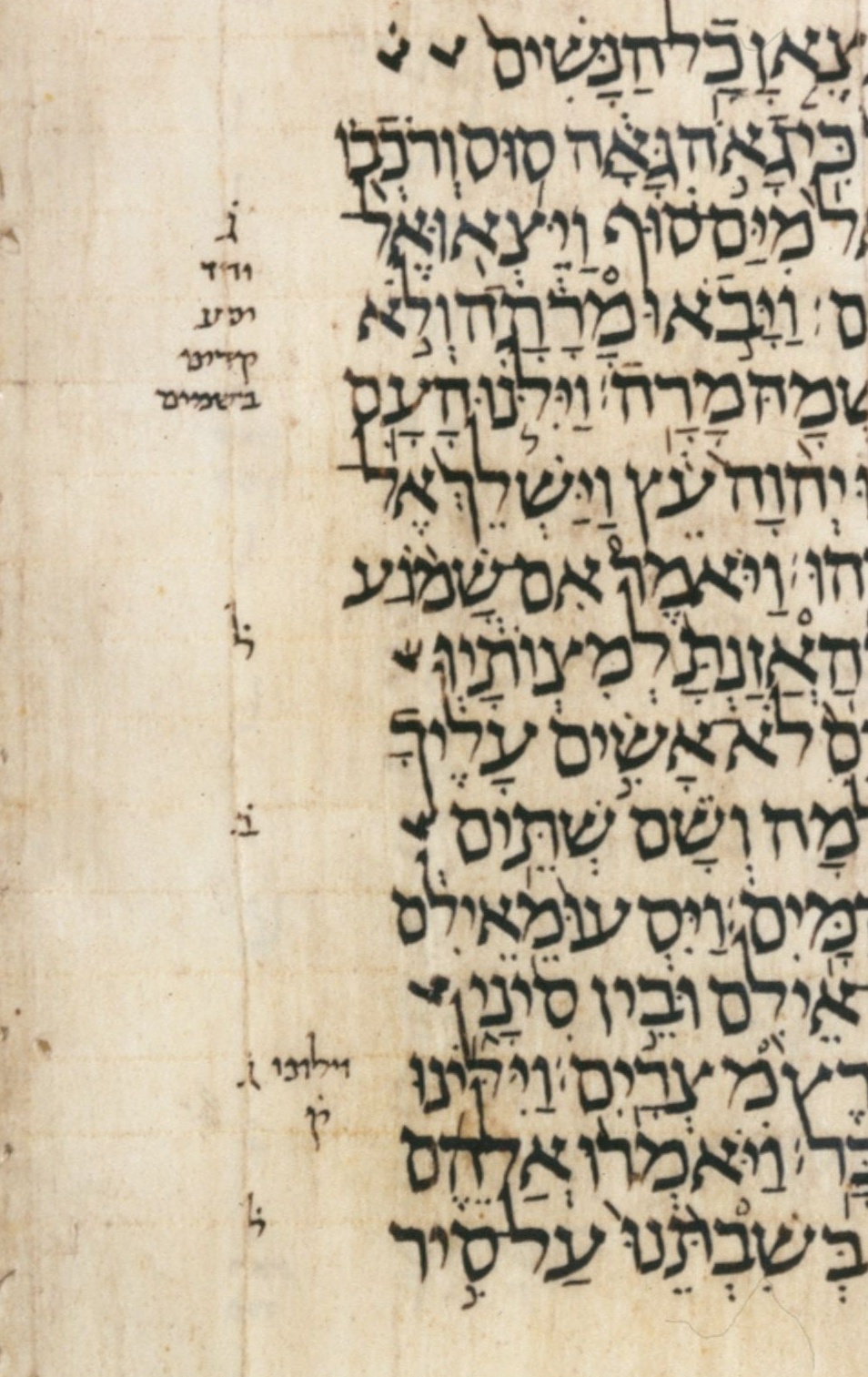
Leningrad Codex
Samuel ben Jacob · 1008 CE
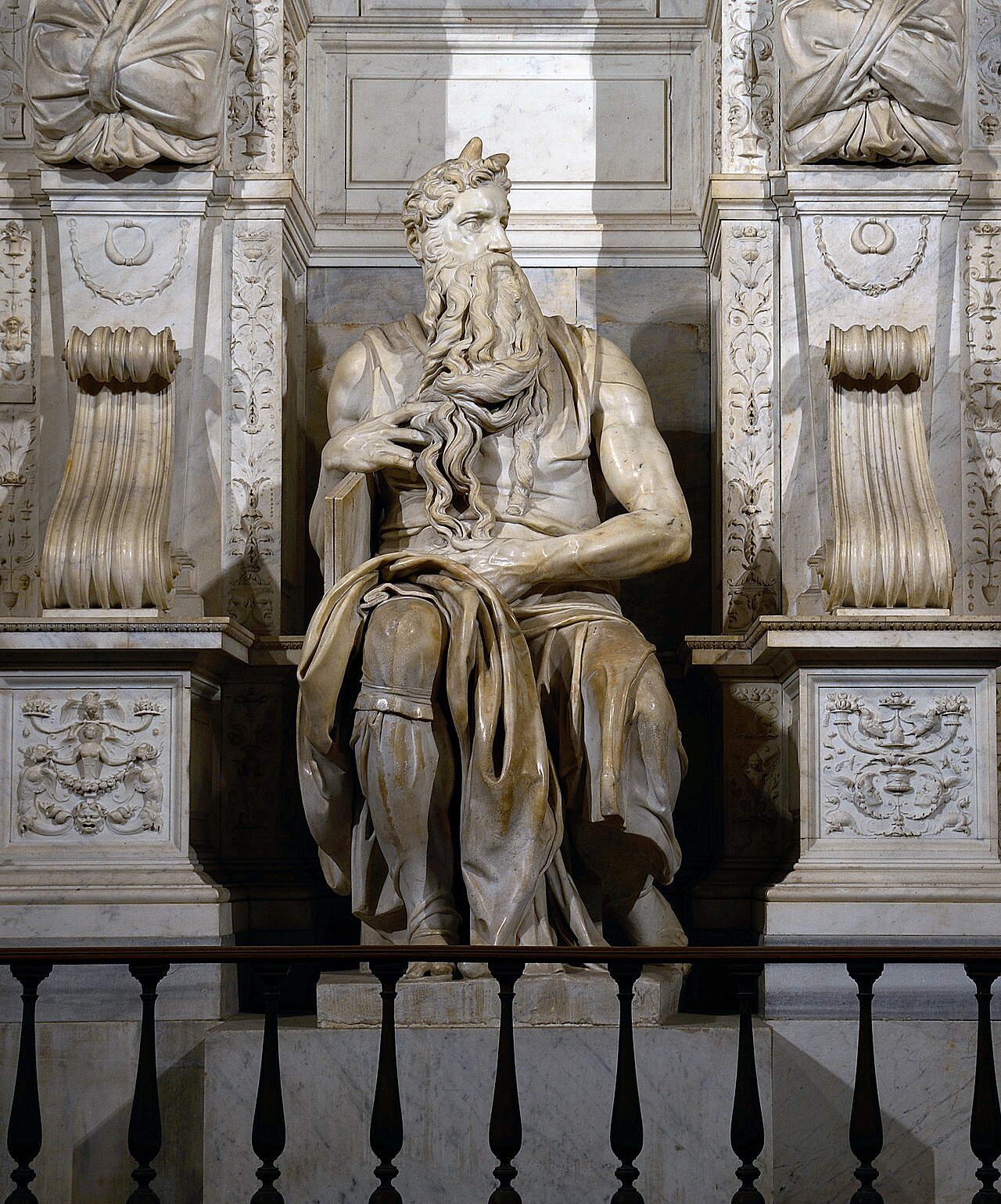 Sculpture
Primary source
Moses
Michelangelo · c. 1513-1515
Free account
Browse every Moses source
Sign up free →
Ready when you are
Start chatting with Moses now.
20 messages free · No credit card · Available in 50+ languages.