


Primary sourceSculpturec. 1513-1515
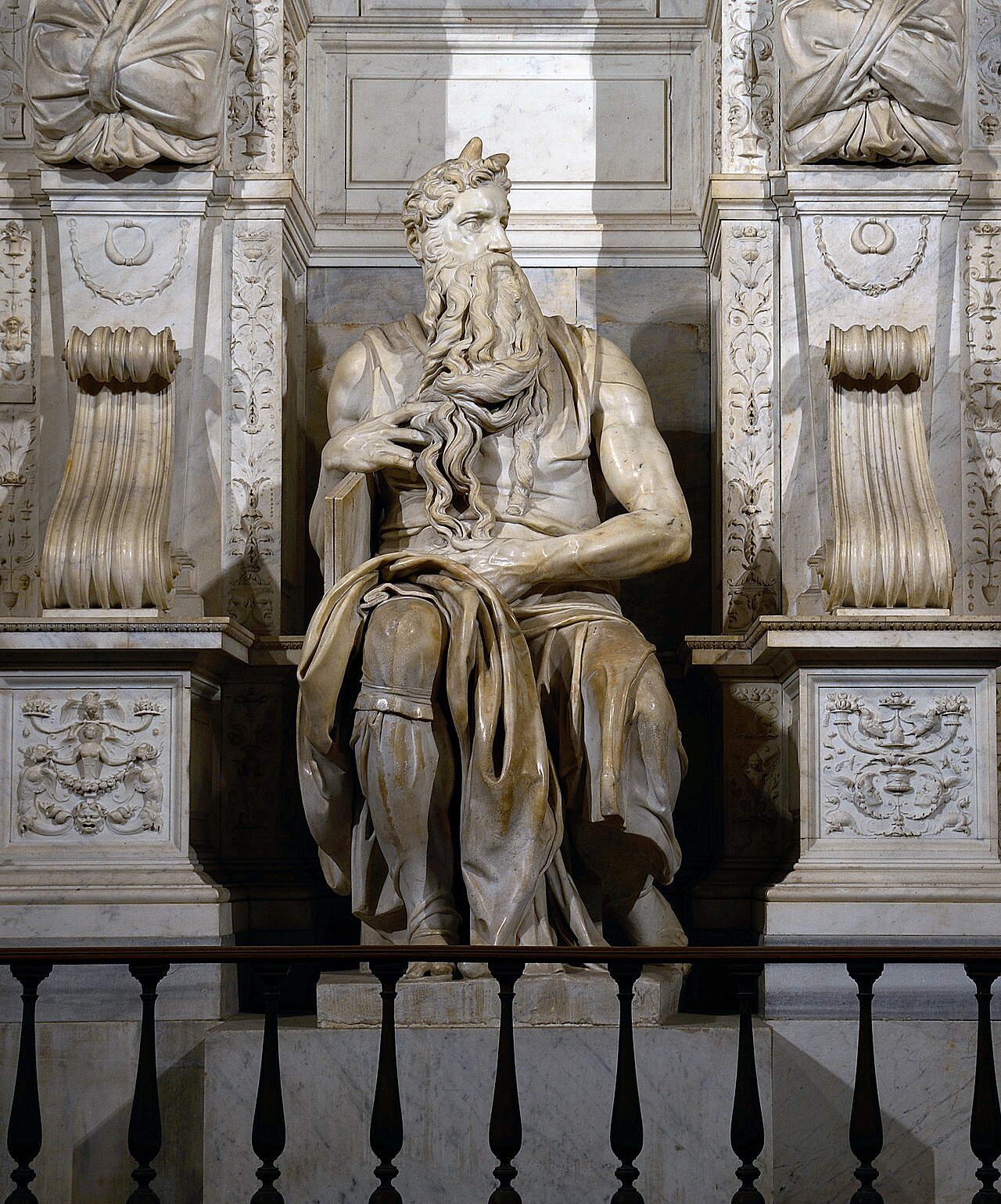
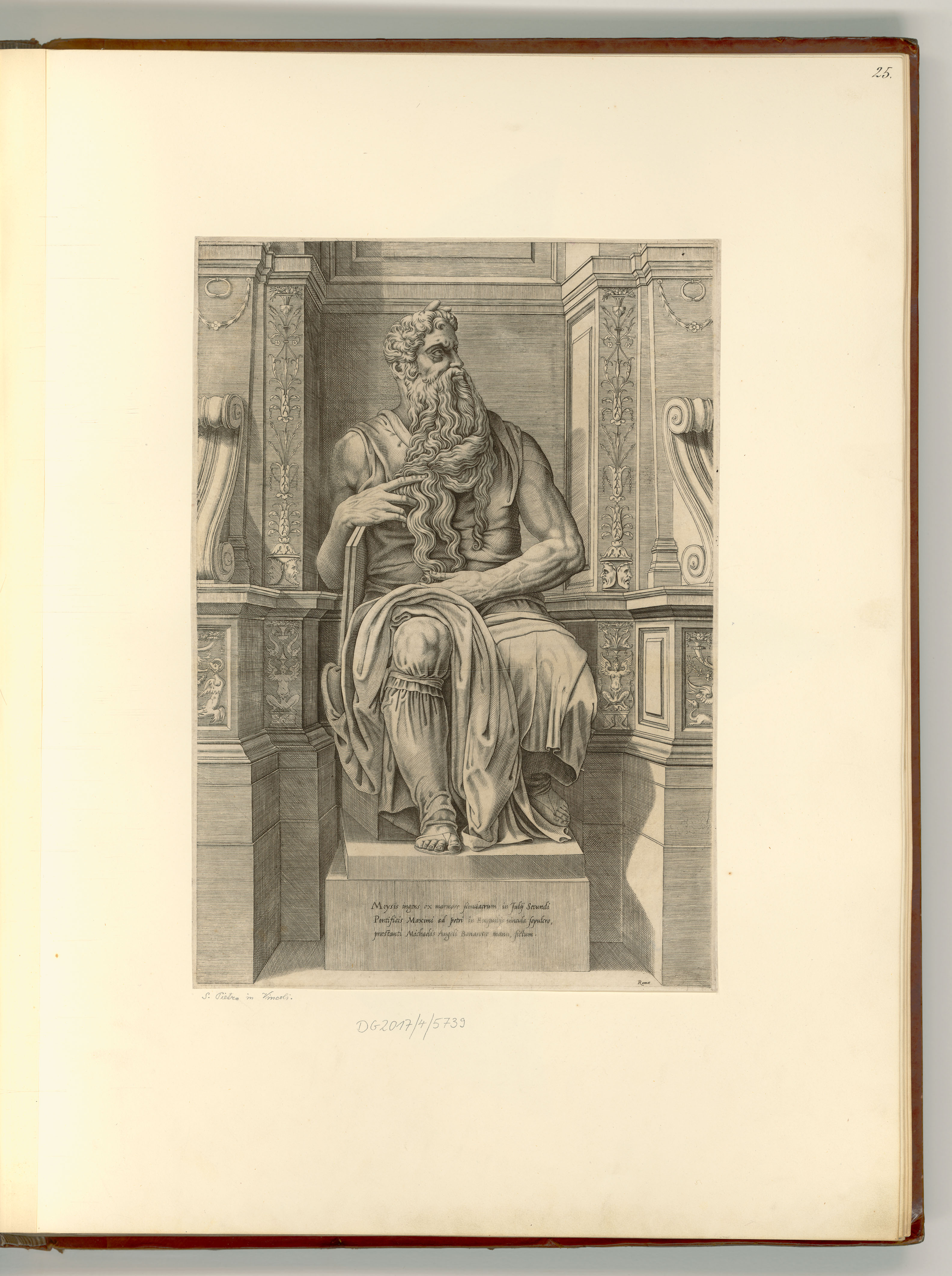
Moses
Michelangelo · c. 1513-1515
A marble statue of the biblical Moses, carved by Michelangelo for the tomb of Pope Julius II.
Michelangelo carved this statue himself as part of his long struggle to complete Julius II's tomb.
About this source
What it is
Moses is a marble statue by Michelangelo, made around 1513-1515 for the tomb of Pope Julius II. It is now in the church of San Pietro in Vincoli in Rome.
Why it matters
The statue became the centrepiece of Julius II's unfinished tomb project and was praised from the 16th century onward for its intense, lifelike expression, often called terribilità. It shows Moses with horns, a detail based on a Latin mistranslation of the Bible, and has been read by some, including Sigmund Freud, as a study of suppressed anger. The work reveals both Michelangelo's technical mastery and the fierce character of his patron, Pope Julius II.
Look closer
- What does Moses's pose and expression suggest about his mood?
- Why might Michelangelo give Moses horns, and what does that detail tell us about translation and tradition?
- What does this statue leave out about the real story of Moses and the tomb project's history?
This sculpture is part of the curated material that grounds the AI version of Michelangelo Buonarroti on Humy.ai — when students ask about related events, the AI can quote it and cite it.
More Michelangelo Buonarroti sources
Meet the AI Michelangelo Buonarroti →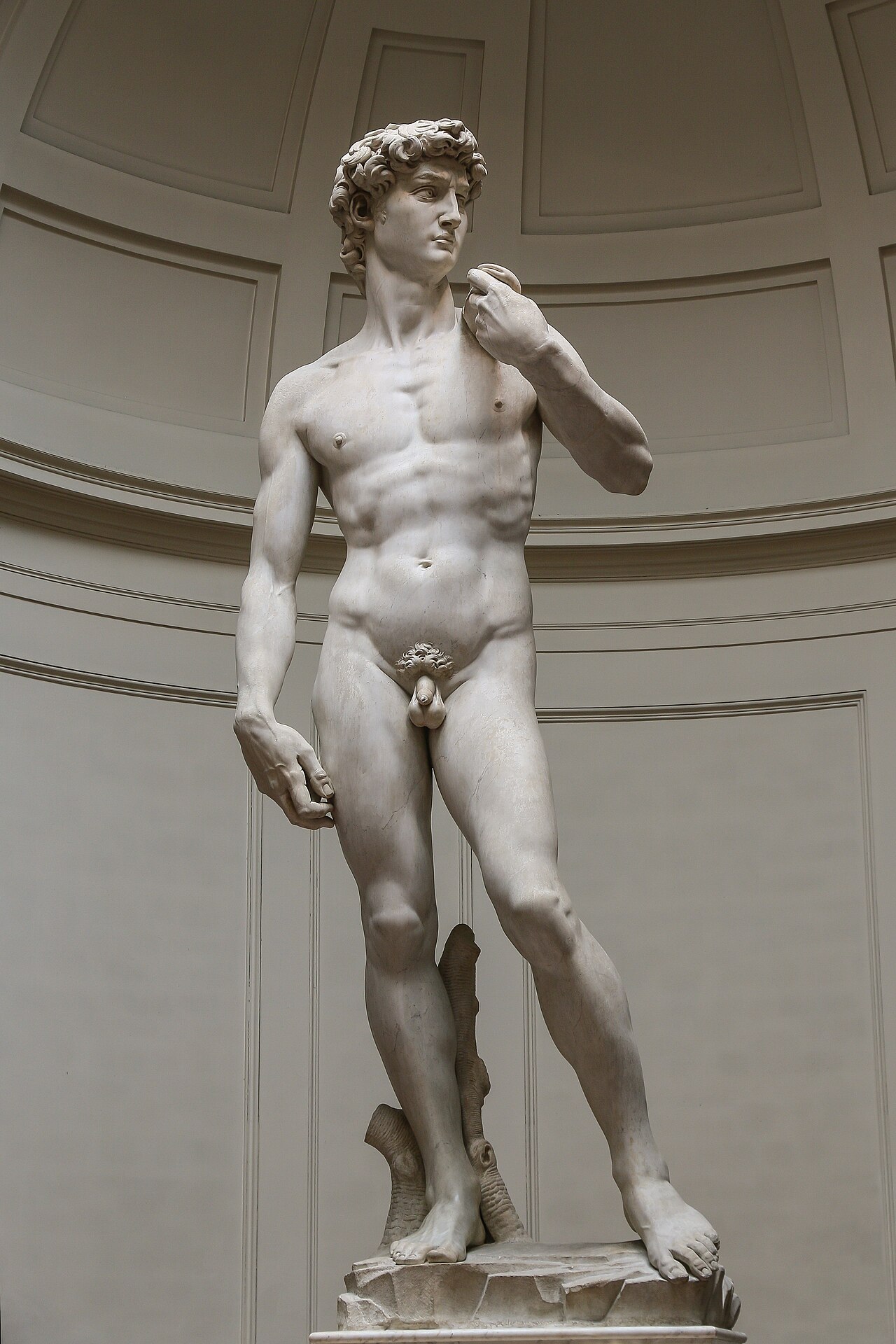 Sculpture
Primary source
David
Michelangelo · 1501-1504
 Artifact
Primary source
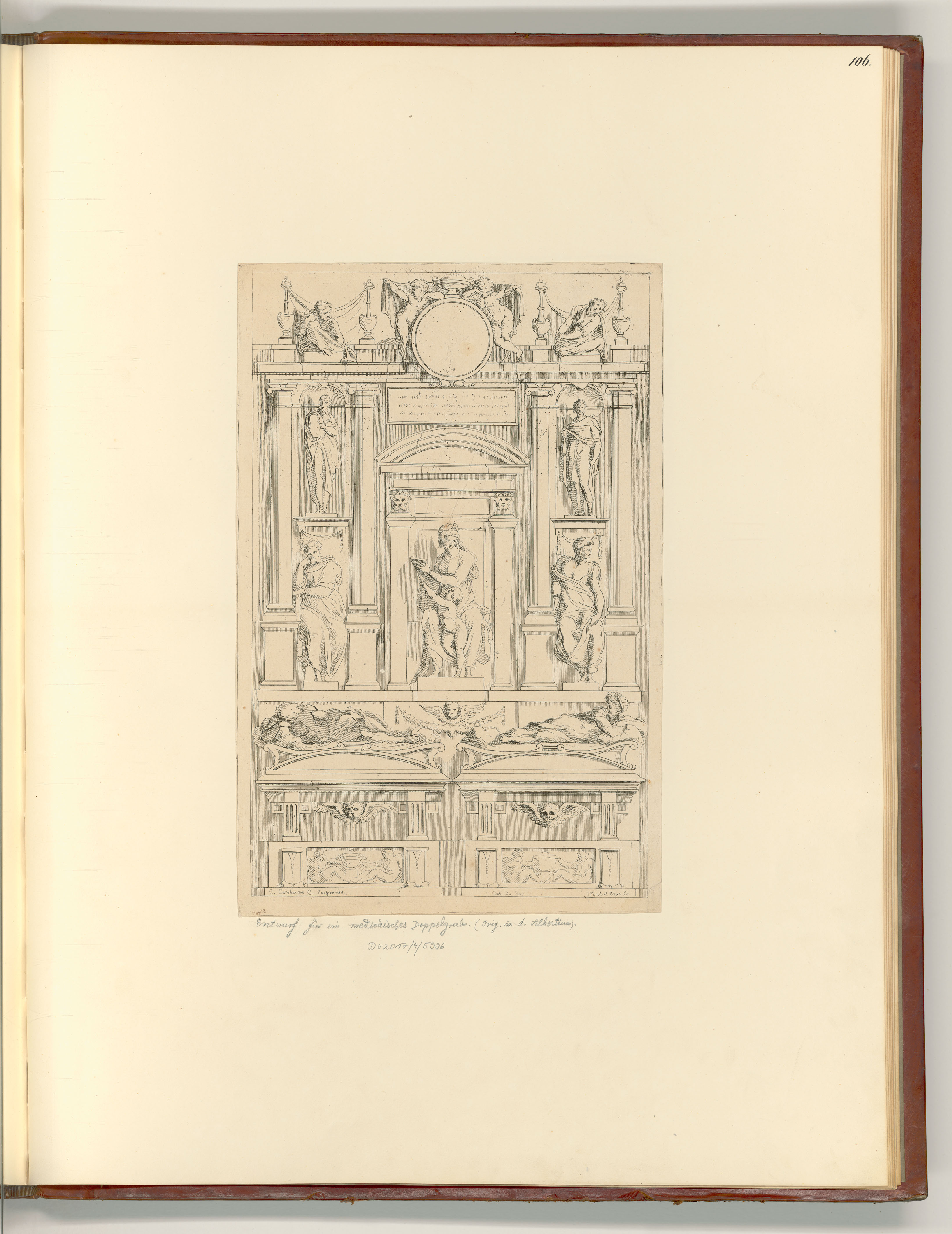
Elevation of a Planned Double Tomb for the Magnifici, Medici Chapel
unbestimmt
 Painting
Primary source
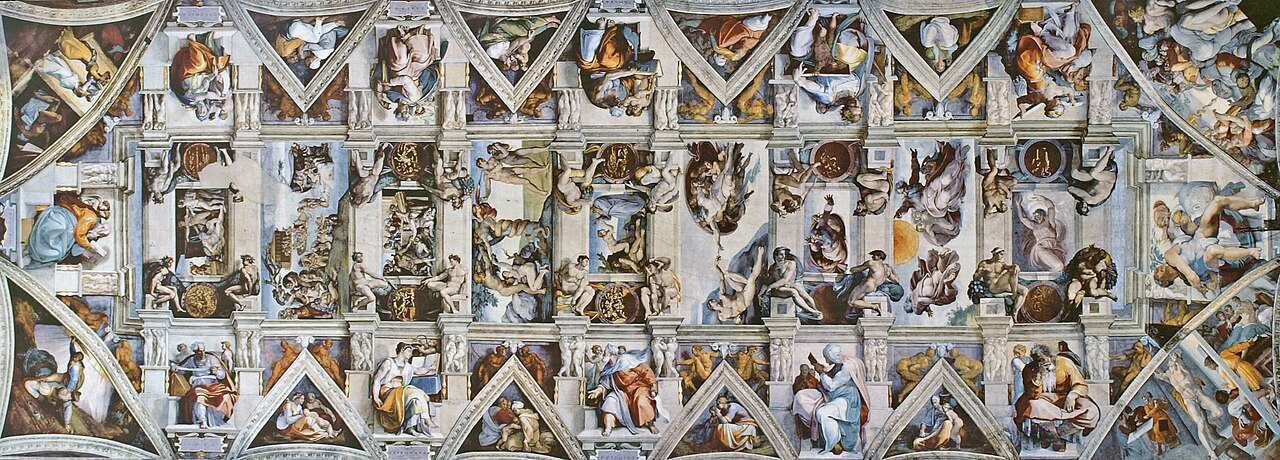
Sistine Chapel ceiling
Michelangelo · 1508-1512
 Painting
Secondary source
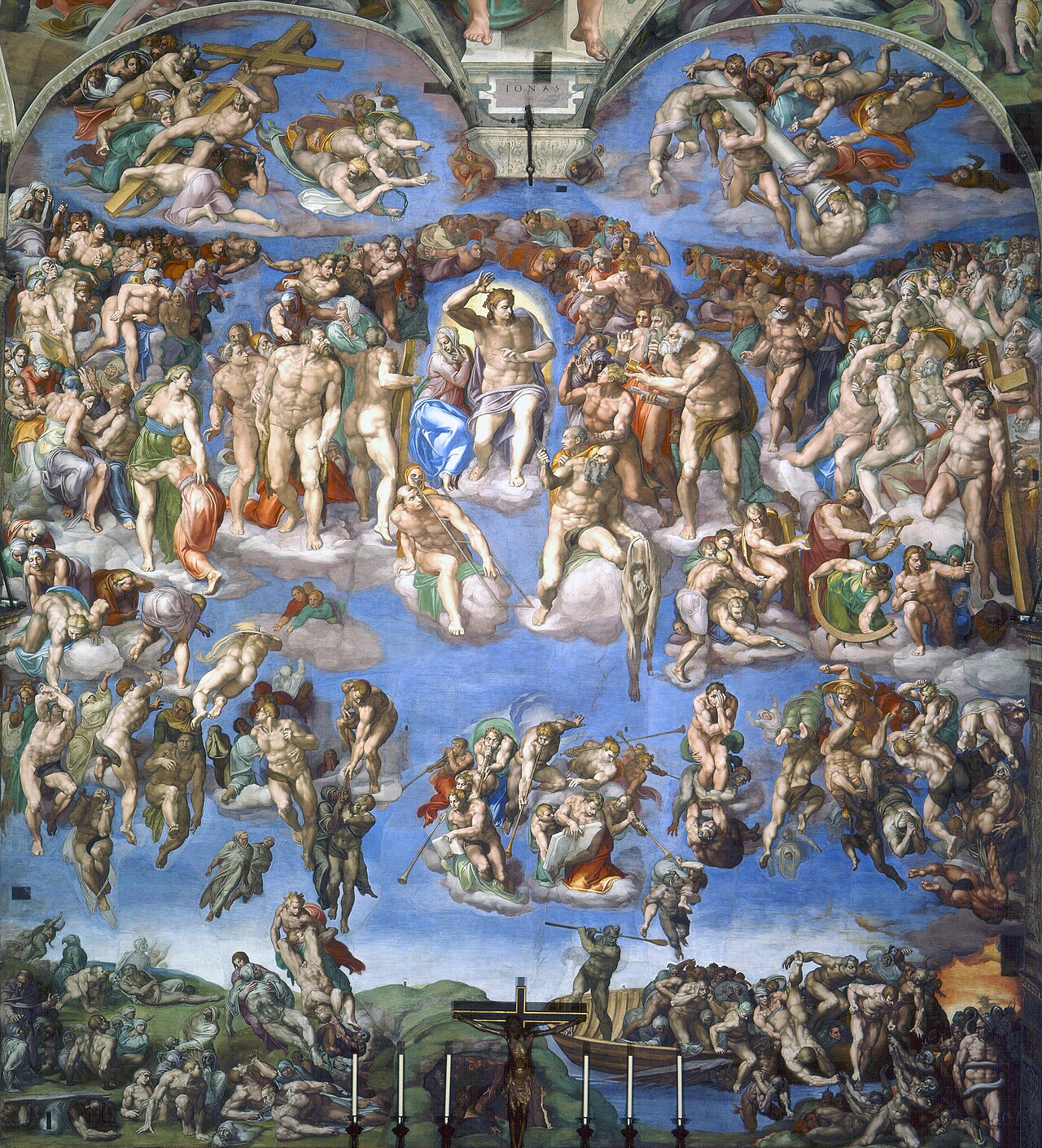
The Last Judgment
Michelangelo · 1536-1541
 Photograph
Secondary source
Statue of Moses by Michelangelo, San Pietro in Vincoli
unbestimmt
Ready when you are
Start chatting with Michelangelo Buonarroti now.
20 messages free · No credit card · Available in 50+ languages.