


Primary sourceArtifact1631
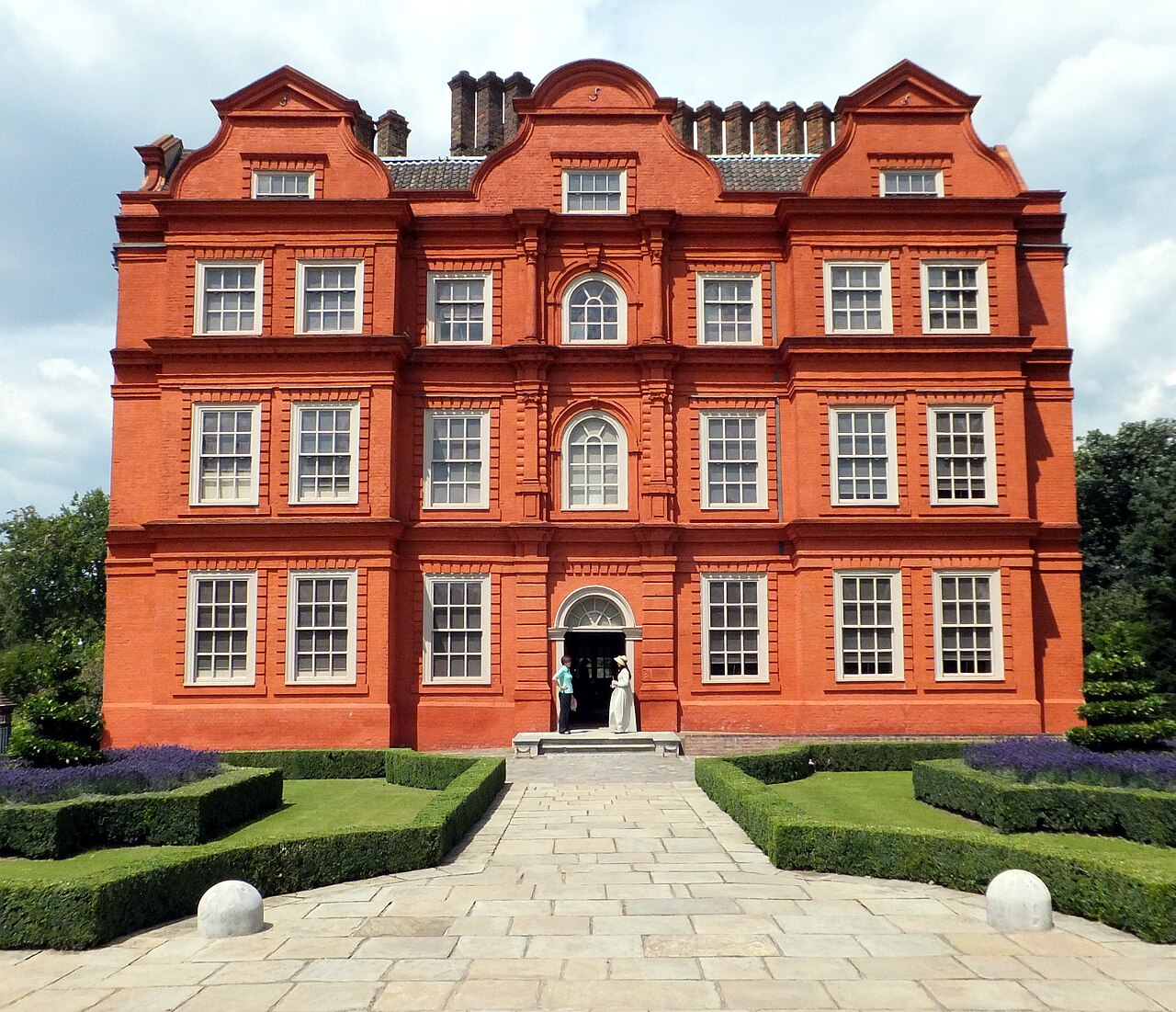
Kew Palace
1631
A royal residence where George III, as a favoured family home, was confined and treated during his bouts of mental illness.
George III was confined and treated for mental illness at this royal residence, his favourite family home.
About this source
What it is
Kew Palace, also known as the Dutch House, is a building dating to 1631 within Kew Gardens on the Thames. It was a royal residence from around 1728 to 1818, and is now cared for by the charity Historic Royal Palaces.
Why it matters
Kew was a favourite family home for George III and his family. It is particularly significant as the place where the King was confined and treated during his episodes of mental illness, including the crisis of 1788–89. The building offers a glimpse into the private, domestic side of a monarch's life away from the formality of his public role.
Look closer
- Why might a royal family choose a smaller house like this for private matters rather than a grand palace?
- What does using a family home for treatment suggest about attitudes toward illness at the time?
- What questions would you want to ask about daily life at Kew that this description doesn't answer?
This artifact is part of the curated material that grounds the AI version of George III on Humy.ai — when students ask about related events, the AI can quote it and cite it.
More George III sources
Meet the AI George III →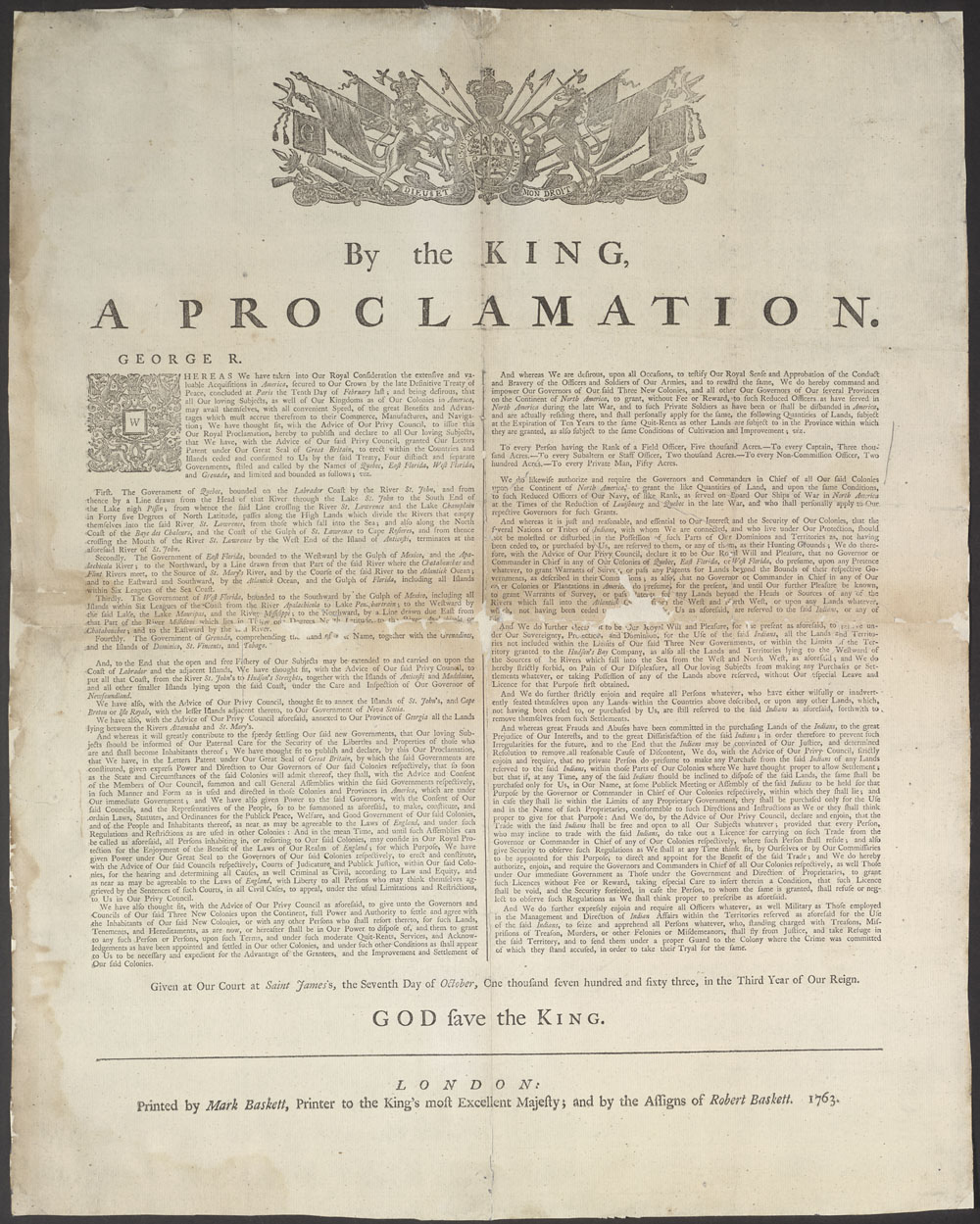 Document
Primary source
Royal Proclamation of 1763
7 October 1763
 Painting
Primary source
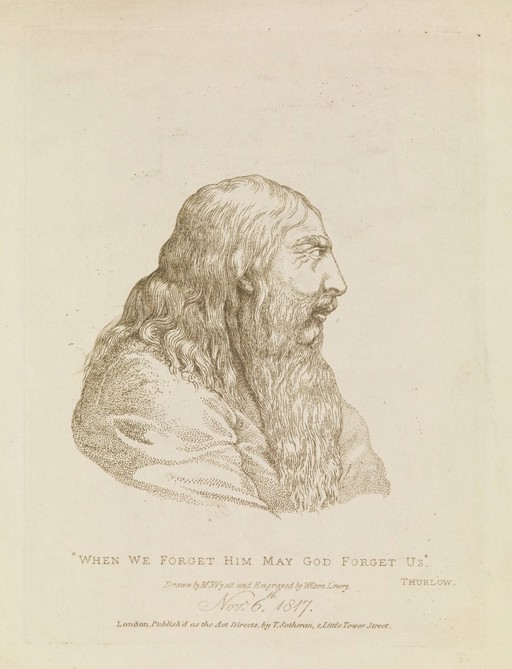
King George III, Etching by Wilson Lowry after M. C. Wyatt
Matthew Coates Wyatt · 6 November 1817
 Painting
Primary source
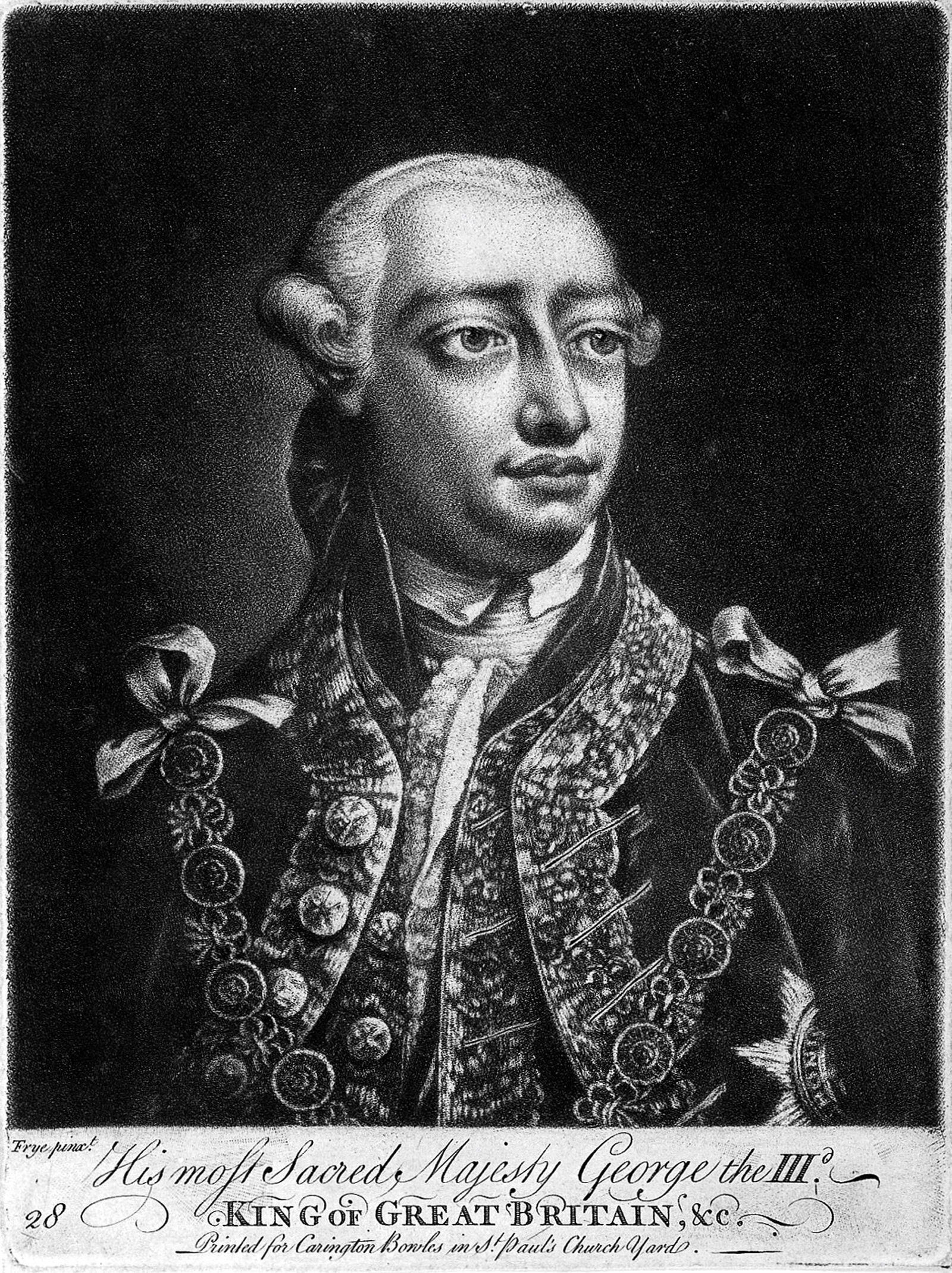
King George III, Mezzotint after Thomas Frye
Thomas Frye · not later than 1762
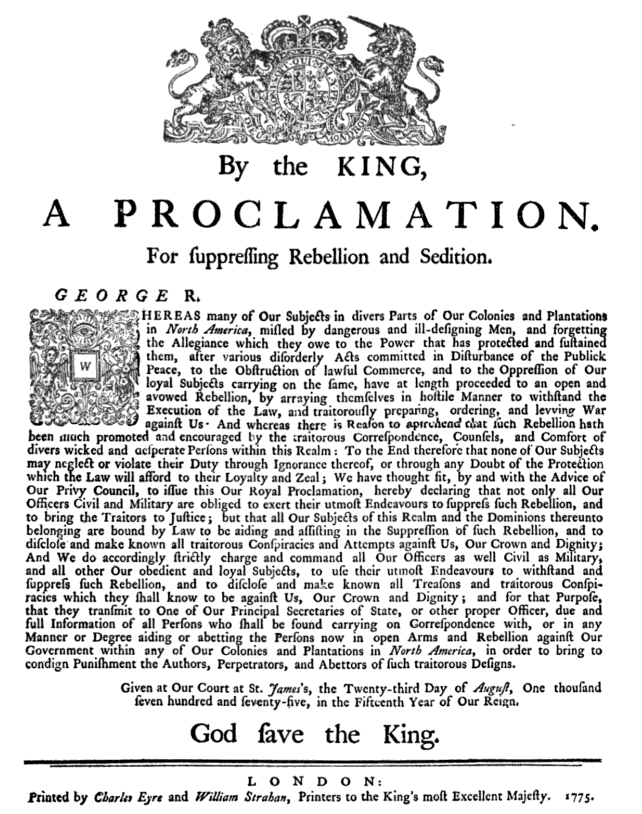 Document
Primary source
Proclamation of Rebellion
George III of Great Britain · 23 August 1775
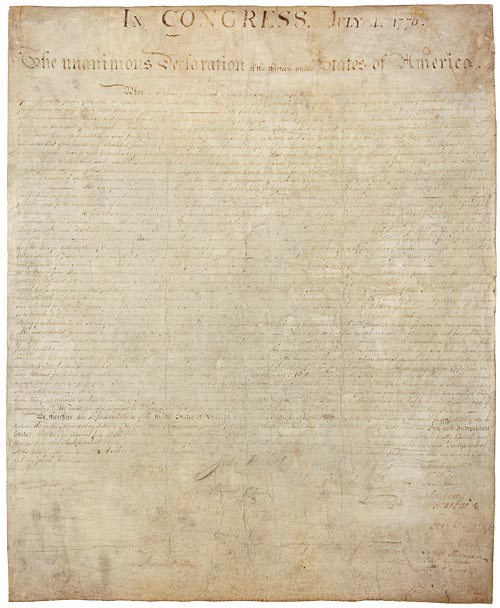 Document
Primary source
Declaration of Independence
Continental Congress (drafted by Thomas Jefferson) · 1776
Ready when you are
Start chatting with George III now.
20 messages free · No credit card · Available in 50+ languages.