


Primary sourceBook10th century
Kitab al-Musiqa al-Kabir
Farabi · 10th century
Al-Farabi's 'Great Book of Music', a treatise analysing musical theory, intervals and instruments such as the oud and shahrud.
This treatise is al-Farabi's own work, showing him as a music theorist and practising musician.
About this source
What it is
The Great Book of Music is an Arabic treatise written by al-Farabi, a 10th-century philosopher. It is divided into two treatises, the first covering the theory of sound and musical intervals, the second applying this theory to instruments used in his time.
Why it matters
The work shows al-Farabi following the Aristotelian tradition of splitting knowledge into theory and practice. It reveals him not just as a philosopher but as someone deeply engaged with the practical musical culture of his era, including the design of instruments like the shahrud.
Look closer
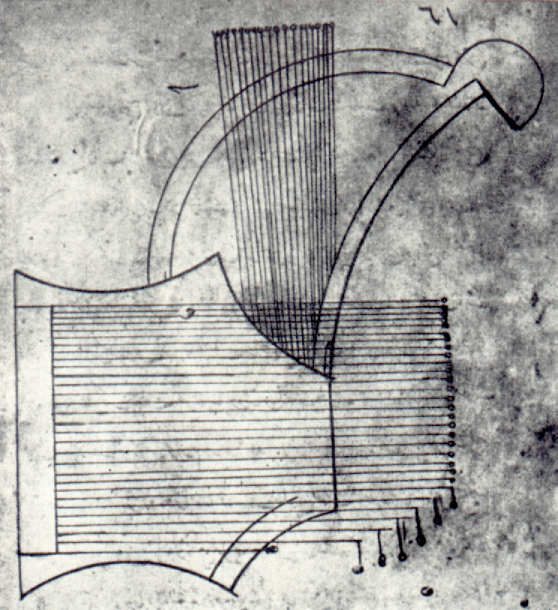
- What does the detailed drawing of the shahrud tell you about how instruments were studied and recorded?
- Why might a philosopher also want to understand music scientifically?
- What parts of the original work are missing, and what does that tell us about how old texts survive?
This book is part of the curated material that grounds the AI version of Al-Farabi on Humy.ai — when students ask about related events, the AI can quote it and cite it.
More Al-Farabi sources
Meet the AI Al-Farabi →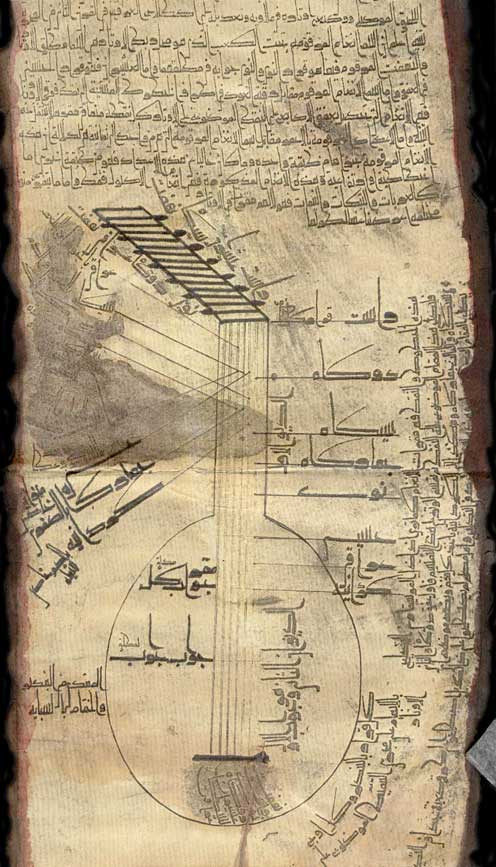 Artifact
Primary source
Lute Diagram with Seven Courses
Farabi · 10th century
 Book
Primary source
Der Musterstaat
Alfarabi · 1900
 Book
Primary source
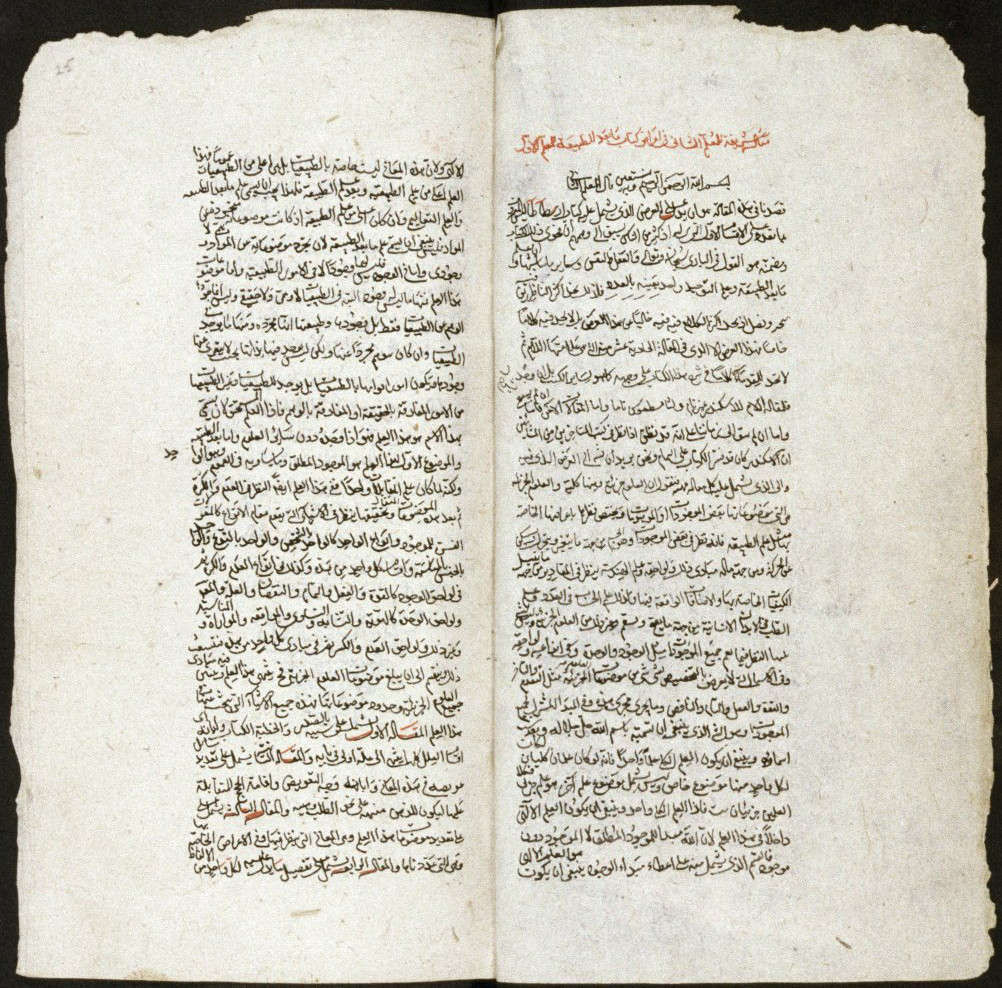
On the Scope of Aristotle's Metaphysics
Farabi · 10th century
 Book
Primary source
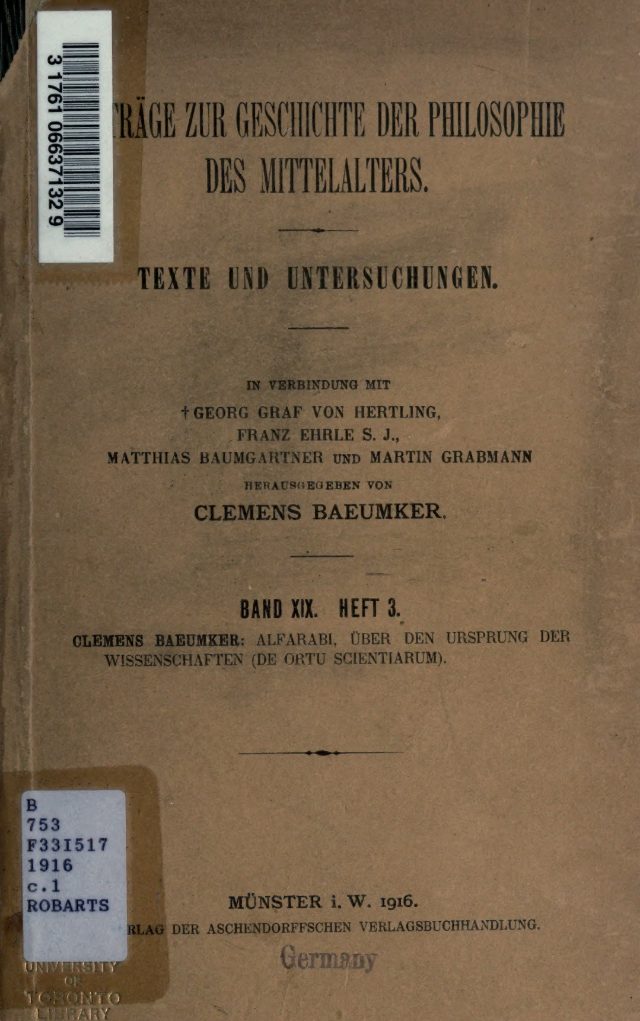
Über den Ursprung der Wissenschaften
Farabi · 1916 (edition of the original treatise)
PaintingPrimary source
Drawing of the Shahrud from the Great Book of Music
Farabi · 10th century
Ready when you are
Start chatting with Al-Farabi now.
20 messages free · No credit card · Available in 50+ languages.