


Primary sourceBook10th century
On the Scope of Aristotle's Metaphysics
Farabi · 10th century
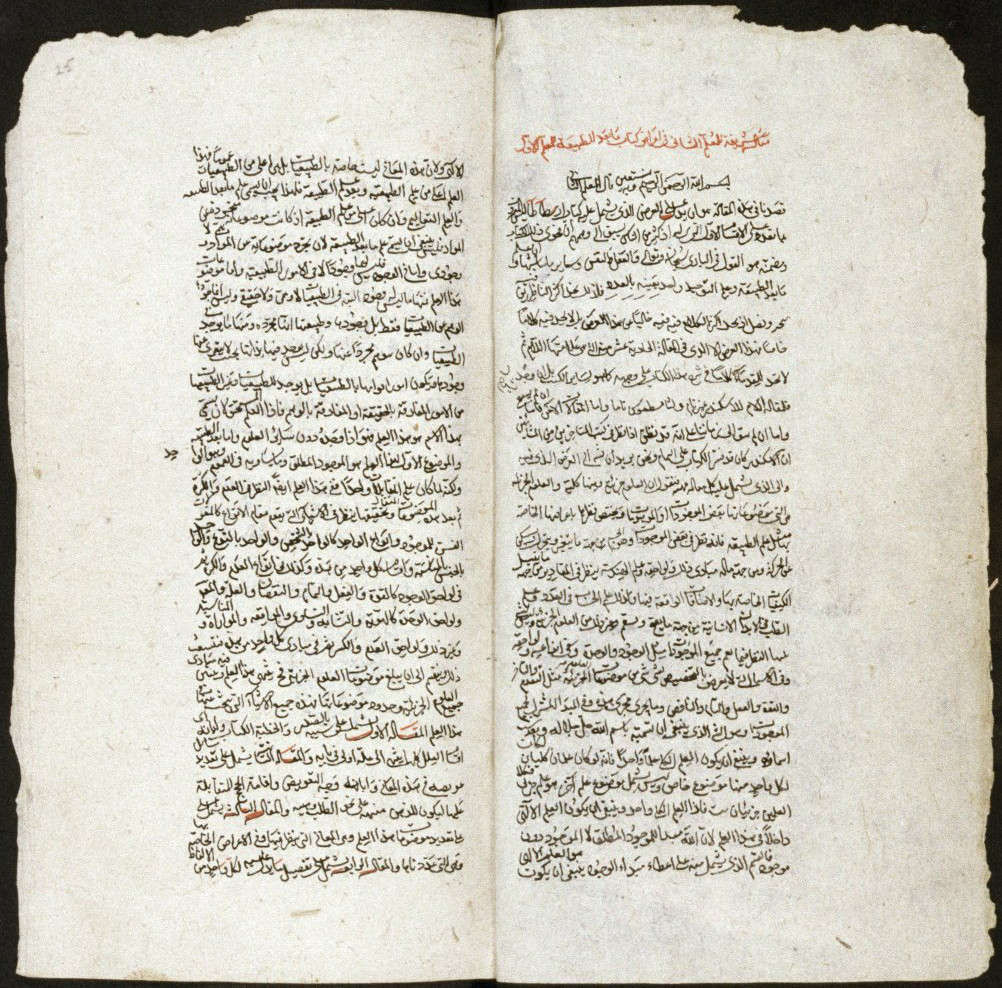
A manuscript of al-Farabi's short treatise explaining the aims of Aristotle's Metaphysics, said to have helped Avicenna understand the subject.
This is al-Farabi's own treatise explaining Aristotle's Metaphysics, a text that later influenced Avicenna.
About this source
What it is
This manuscript preserves al-Farabi's short treatise on the purpose of Aristotle's Metaphysics. It is written in Arabic and held as part of a manuscript collection, shown here in two open folio pages.
Why it matters
Al-Farabi was known as the 'Second Teacher' after Aristotle because of his work explaining Greek philosophy to later generations. This treatise is historically important because the philosopher Avicenna, writing decades later, said it helped him finally understand Aristotle's Metaphysics, showing how ideas passed between scholars across generations.
Look closer
- What do the red ink heading and careful handwriting tell you about how this text was valued by later copyists?
- Why might a difficult philosophical work need a separate treatise just explaining its 'scope' or aims?
- What does the survival of this manuscript tell you about how philosophy was passed down in the Islamic world?
This book is part of the curated material that grounds the AI version of Al-Farabi on Humy.ai — when students ask about related events, the AI can quote it and cite it.
More Al-Farabi sources
Meet the AI Al-Farabi →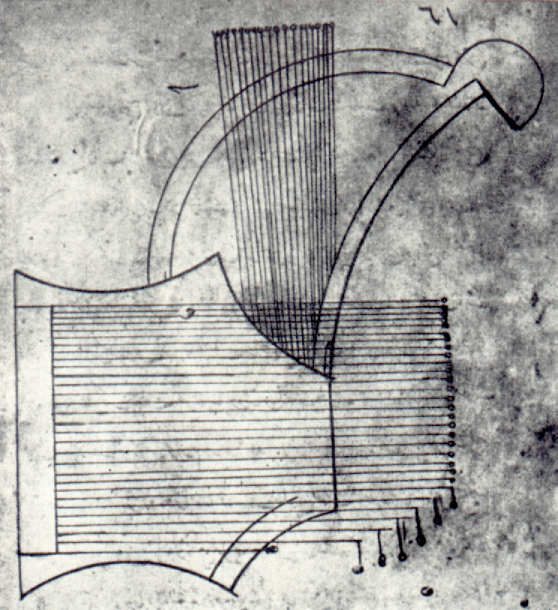 Book
Primary source
Kitab al-Musiqa al-Kabir
Farabi · 10th century
 Artifact
Primary source
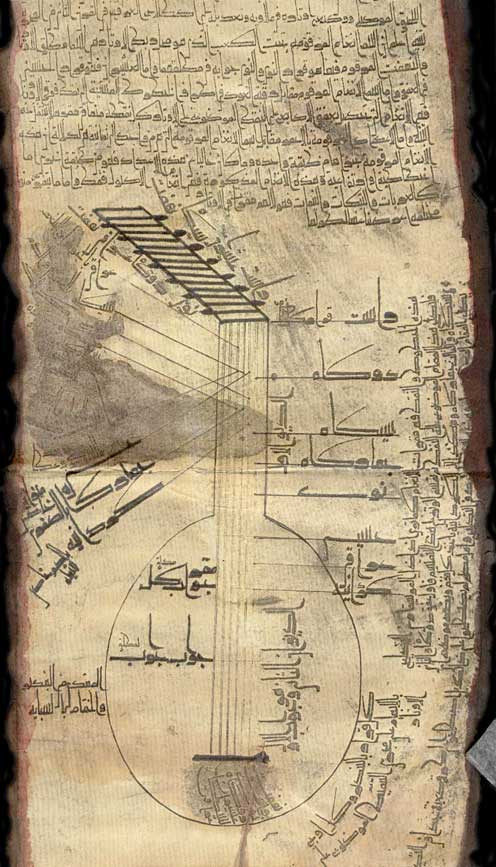
Lute Diagram with Seven Courses
Farabi · 10th century
 Book
Primary source
Der Musterstaat
Alfarabi · 1900
 Book
Primary source
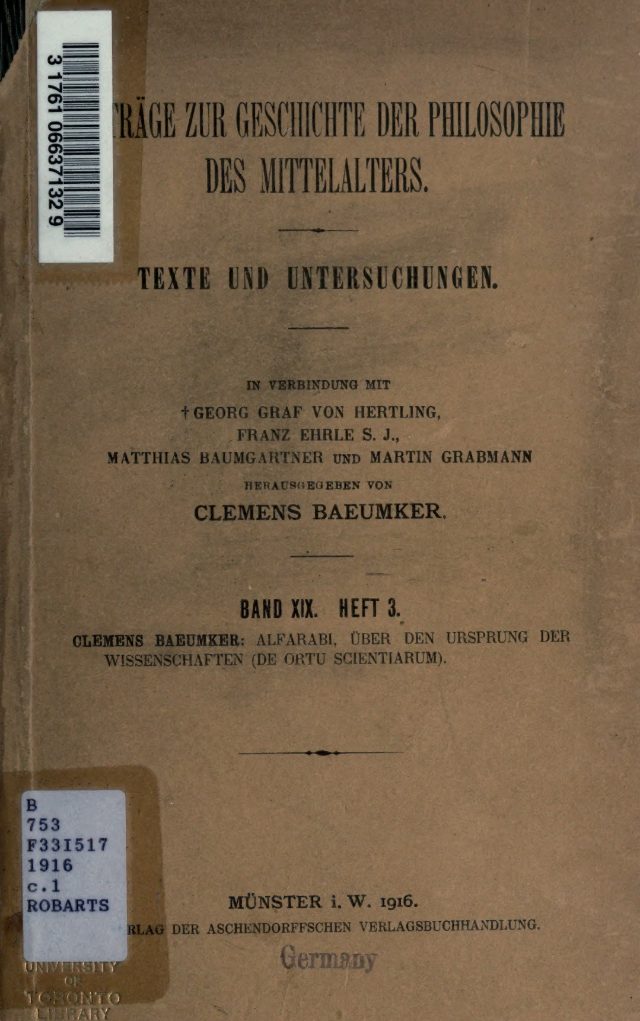
Über den Ursprung der Wissenschaften
Farabi · 1916 (edition of the original treatise)
PaintingPrimary source
Drawing of the Shahrud from the Great Book of Music
Farabi · 10th century
Ready when you are
Start chatting with Al-Farabi now.
20 messages free · No credit card · Available in 50+ languages.